
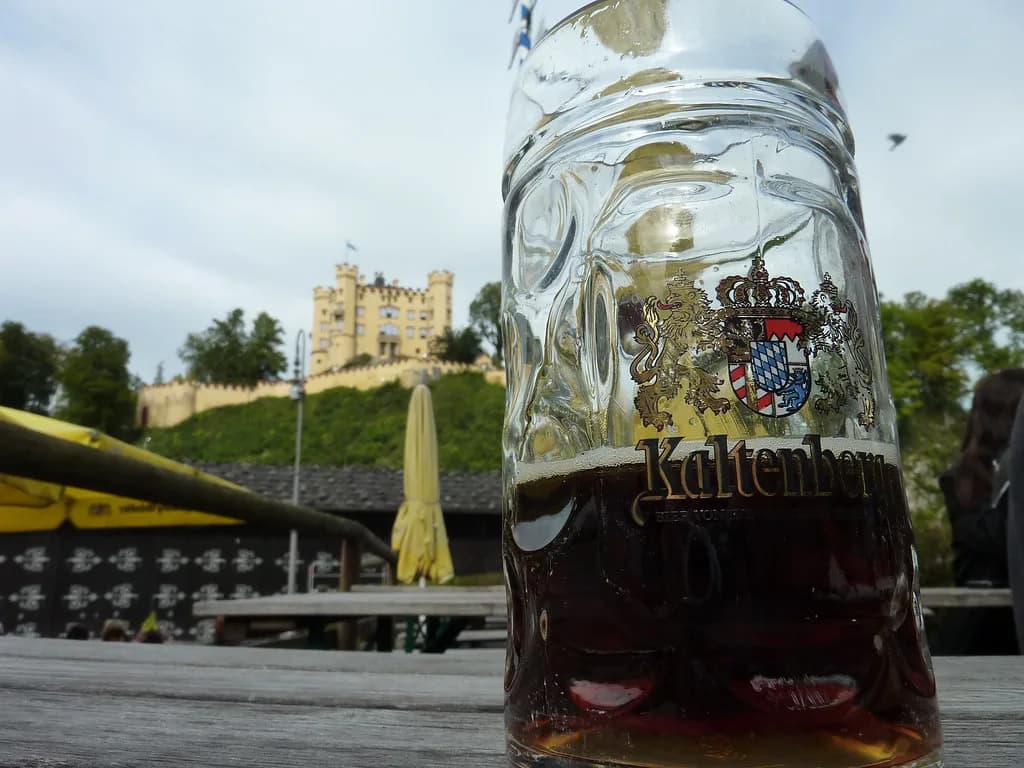
Dunkel Beer: What It Is, How It Tastes and What to Order
Dunkel is a German dark lager with caramel and toasted-bread malt, low bitterness and a smooth finish. Learn its history, flavor, strength and pairings.
On this page
Dunkel is a German dark lager, brewed with Munich malt and other dark specialty grains, that reads malty and smooth rather than bitter or roasted. Of the three classic Munich styles, it sits apart from the pale Helles and the wheat-forward hefeweizen, and it is the one to order when you want caramel and toasted bread crust in the glass. This guide covers the flavor, the strength, the Munich history behind it, how it differs from other German dark lagers, and the food that suits it.
The style is easy to misread. Dunkel means "dark" in German, which tells you the color and nothing about the weight: expect a clean fermented lager with low bitterness, not a stout, a porter or a hop-forward dark ale. Knowing the malt character and the serving temperature is the difference between a good dunkel and a flat one.
What dunkel beer is
Dunkel is a bottom-fermented dark lager, which in practice means a clean, cool-fermented beer whose character comes from the malt rather than the yeast or the hops. German brewers build it on Munich malt, often alongside Pilsner malt and other dark specialty malts, and that grain bill supplies the caramel and toasted-bread flavors the style is known for. It is a lager family defined by malt, not a single brand or a single recipe.
This makes dunkel a natural next step if you already drink pale lagers and want more depth without more bitterness. It also means two dunkels can taste quite different: a brewery leaning on caramel malt will taste sweeter and rounder, while one using more roasted grain will push toward toast and cocoa.
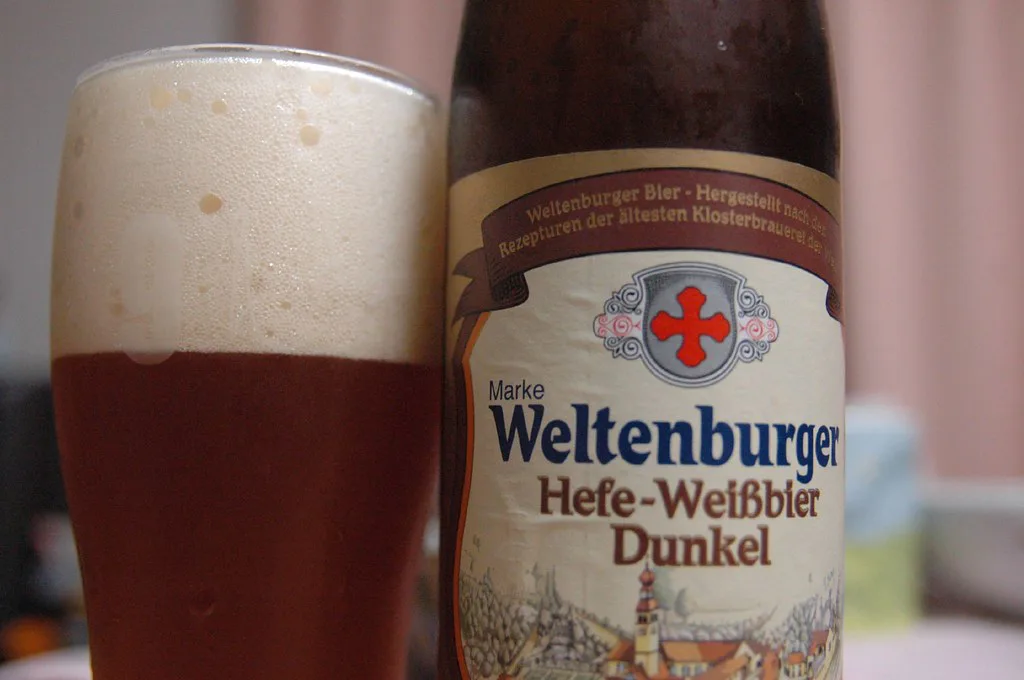
Where the style comes from: Munich's dark lager tradition
Munich is the home style, and the Hofbräuhaus ties its dark lager to the brewery's own history: Hofbräu Dunkel is described as the first beer brewed at the Hofbräuhaus, in 1589, when the Duke of Bavaria wanted to make beer accessible to the people. Whether or not every Munich brewery tells the same story, dark lager has been the city's everyday beer for centuries, and the modern style is still judged against those Munich examples. The 2010 Beverage Testing Institute gold medal for Hofbräu Dunkel belongs to that year, not to the current bottle.
Is dunkel beer the same as a stout? No. Dunkel is a bottom-fermented German dark lager brewed with Munich malt and other dark grains, and it reads malty with caramel and toasted bread crust, low bitterness and a smooth finish.
What is the German name for a dark lager like dunkel? Dunkel simply means dark in German, and the full style name is Munich Dunkel. On a German beer list you may see Dunkel, Dunkles or a house name, and the beer that arrives is a malt-forward dark lager rather than a pale one.
What food goes with dunkel beer? Hofbräu recommends its dunkel with roast, smoked meat and sausage dishes and with venison, while KC Bier Co. pairs its dunkel with almost any food, especially fish, rotisserie chicken and hamburgers.
For a visitor, that history matters mainly as a pointer: when a Bavarian beer list offers a dunkel next to a Helles, the dark one is usually the maltier, older-feeling pour, and it is meant to be drunk in quantity rather than sipped as a specialty. If you want the wider map of German styles before you order, our German Beer guide walks through the lager families, the wheat beers and the regional split between north and south.
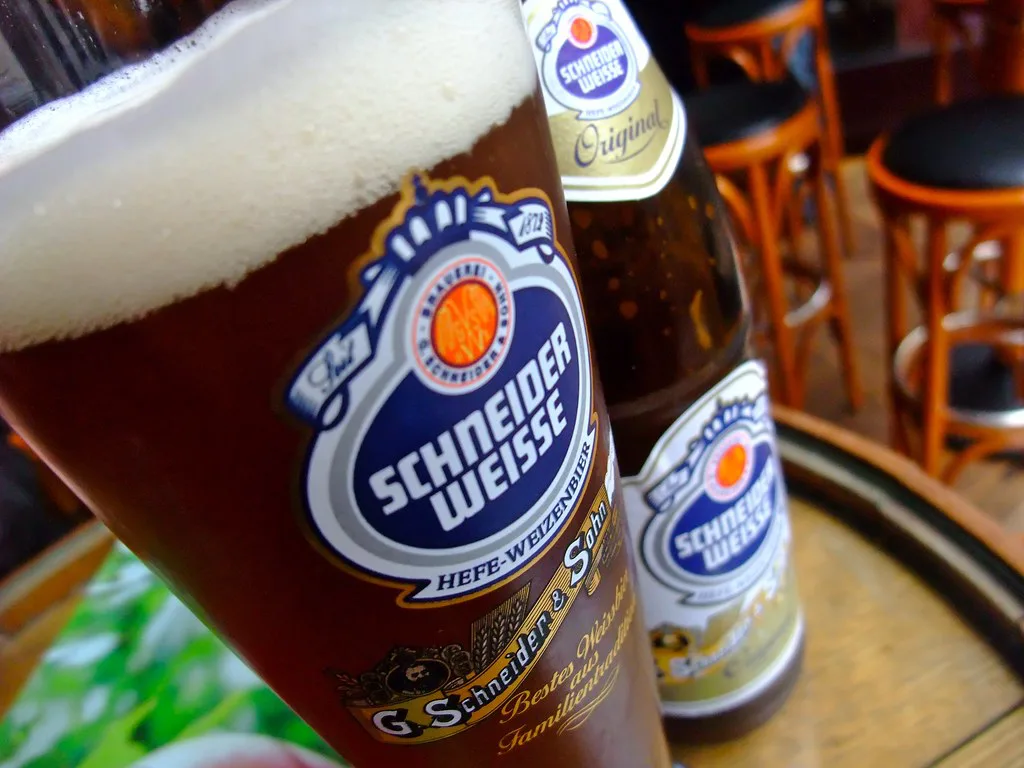
What dunkel tastes like
Expect caramel and toasted bread crust first, with low bitterness and a smooth finish. Hofbräu Dunkel adds subtle spice, dried fruit, toasted caramel and dark cocoa to that base, with earthy hop notes and a malty sweet finish, while KC Bier Co.'s Munich-style brown lager describes hints of molasses over the same caramel and toast. Neither reads as roasty or ashy the way a stout does.
Aroma follows the same pattern: malt forward, with a floral or earthy hop note in the background rather than on top. The bitterness exists to keep the beer drinkable, not to make a statement, which is why dunkel pairs so easily with food. If you find a dunkel thin or sugary, the problem is usually the recipe or the pour rather than the style.
How strong and how bitter dunkel runs
Two named examples give a realistic range. Hofbräu Dunkel is listed at 5.5 percent alcohol by volume and 23 IBU, brewed with Munich malt, light barley malt and caramel malt and hopped with Hercules and Perle. KC Bier Co.'s dunkel comes in at 5 percent ABV and 18 IBU, built on Munich, Pilsner and other dark specialty malts with Perle hops. Both sit in the same easy-drinking band as a pale lager, which is exactly where a Munich dunkel should be.
Those figures also explain the texture. Low IBU with a solid malt backbone means a round mouthfeel and a finish that fades sweet rather than sharp, and 5 to 5.5 percent means a second glass is realistic over a long lunch. The BJCP style description for Munich Dunkel is the reference brewers use when they enter competitions, and it is worth a look if you want to judge a dunkel against the standard rather than against your own expectations.
Munich dunkel versus schwarzbier and doppelbock
German dark lagers are not one beer. Dunkel is the malty Munich dark lager described above: caramel, toast, low bitterness, moderate strength. Schwarzbier is a separate dark lager style from the same broad family, darker in reputation and usually drier and more roast-leaning than a Munich dunkel, so it tastes more like dark bread crust than like caramel. Doppelbock is a different strength category altogether, a dark, strong lager with intense roasted-caramel and dried-fruit character; Hofbräu's own doppelbock, Delicator, is described with dried berries and chocolate.
The practical difference at the table is strength and sweetness. Order a dunkel when you want a session-length dark beer with food; expect a schwarzbier to be leaner and more roast-driven; and treat a doppelbock as a strong beer to share or finish slowly. German brewers also work under the German beer purity law, which shapes what goes into these beers in the first place.
Hofbräu Dunkel as a benchmark
Hofbräu Dunkel is the easiest reference point because its specs are public: dark copper-brown in color, 5.5 percent ABV, 23 IBU, bottom-fermented, brewed with Munich malt, light barley malt and caramel malt and hopped with Hercules and Perle. The brewery describes a malt and floral bouquet with caramel, dried fruit and dark cocoa, a roasted malty and hoppy middle, and a subtle malty sweet finish. It is brewed year-round and sold in bottles and on draft.
That combination is a useful yardstick. If the dunkel in front of you is darker and roastier than this, you may be drinking something closer to a schwarzbier; if it is sweeter and heavier with no drying finish, you may be looking at a stronger dark lager. Hofbräu Dunkel is also a fair introduction for anyone who finds pale Munich lager too neutral, since it keeps the same drinkability with more malt.
American-brewed dunkel: KC Bier Co.
The style has traveled. KC Bier Co. in Kansas City brews a dunkel it calls a Munich-style brown lager, at 5 percent ABV and 18 IBU, with caramel and toasted bread crust, hints of molasses, low bitterness and a smooth finish. It is a good illustration of how the style flexes: a touch lighter in alcohol and bitterness than the Hofbräu example, but recognizably the same malt-driven dark lager.
For a traveler, American-brewed dunkel is useful calibration. If you taste one at home before your trip, you will recognize the caramel-toast signature immediately when a Bavarian beer hall sets a dark lager in front of you, and you will notice the differences in body and finish rather than guessing at the style.
What to eat with dunkel
Hofbräu recommends its dunkel with roast, smoked meat and sausage dishes and with venison, which follows the beer's caramel and toast: the malt sweetness softens smoke and char, and the low bitterness cleans the palate between bites. KC Bier Co. takes the broader view, pairing its dunkel with almost any food, especially fish, rotisserie chicken and hamburgers. Both readings point the same way: this is a food beer, not a challenge.
In a Bavarian beer hall or a brewery tap, that means a dunkel works with a plate of roast pork and dumplings, with sausage and mustard, or with something as plain as roast chicken. It is also a reasonable match for a cheese board, where the caramel notes meet aged cheese better than a hoppy pale beer would. Order it alongside the meal rather than as a digestif.
How to order dunkel in a German beer hall or brewery tap
Ask for a dunkel by name and you will get the dark lager; in Munich the default pale beer on the same list is the Helles, so specify the dark one if the server starts pouring. In a brewery tap, the dunkel may be listed as Dunkel, Dunkles or a house name, and it usually arrives in a half-liter or a liter glass depending on the house. If you want to compare, order a Helles next to it: the pale Munich lager is the benchmark the dark one is built against, and the contrast makes the malt character obvious.
Across Germany, the dark lager list is broader than Munich suggests. The Cologne pale ale Kölsch and the wheat beers of Berlin fill other slots on the same bar, and in North Rhine-Westphalia you will meet Altbier country rather than dunkel country. Knowing which city you are in tells you what the local dark beer is likely to be, and it keeps you from ordering a Munich style in a place that does not brew one. For the full German beer landscape, start with our German Beer guide and the other style pages linked here.
Common dunkel mistakes
The most common mistake is expecting a stout. Dunkel is a lager with low bitterness and clean fermentation, so there is no coffee, no heavy roast and no creamy body; if you want that, order a schwarzbier or a dark ale instead. The second is serving it too cold: an ice-cold dunkel mutes the caramel and toasted bread and leaves only a vague sweetness, so let it warm in the glass for a few minutes before you judge it.
The third is treating dunkel as a heavy beer. At 5 to 5.5 percent it is roughly as strong as a standard pale lager, which is why Bavarians drink it with lunch. Order a half-liter, eat something with it, and treat the stronger dark beers on the list as a separate choice for later in the day.
Which dark lager to order first
Start with a dunkel if you want a dark German beer that still drinks clean and easy. Hofbräu Dunkel is the most transparent reference for the style, with its 5.5 percent ABV, 23 IBU and caramel, dried fruit and cocoa profile, while KC Bier Co.'s 5 percent, 18 IBU Munich-style brown lager shows the same character from an American brewhouse.
Order it alongside roast, sausage or chicken, skip the stout expectations, and let it warm slightly before you decide. If the dark beer in front of you is roastier and drier than that description, you are probably drinking a schwarzbier, which is the next style worth trying.
Explore more Germany guides
Frequently Asked Questions
Is dunkel beer the same as a stout?
No. Dunkel is a bottom-fermented German dark lager brewed with Munich malt and other dark grains, and it reads malty with caramel and toasted bread crust, low bitterness and a smooth finish. A stout is a top-fermented ale with heavy roast character, so expect coffee and char rather than caramel.
What is the German name for a dark lager like dunkel?
Dunkel simply means dark in German, and the full style name is Munich Dunkel. On a German beer list you may see Dunkel, Dunkles or a house name, and the beer that arrives is a malt-forward dark lager rather than a pale one.
What food goes with dunkel beer?
Hofbräu recommends its dunkel with roast, smoked meat and sausage dishes and with venison, while KC Bier Co. pairs its dunkel with almost any food, especially fish, rotisserie chicken and hamburgers. The malt sweetness softens smoke and char, and the low bitterness keeps the palate clean.
Sources
Notes for your next German food trip
Optional updates to our guides.
You might also like



Continue reading
More guides you'll find useful


