
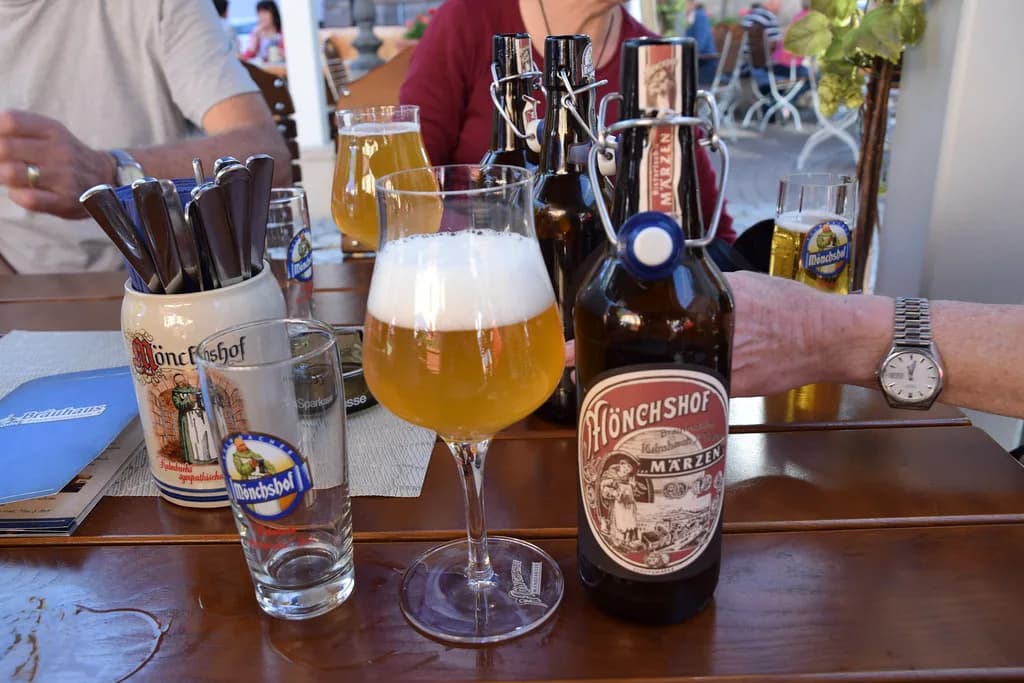
Oktoberfest Beer in Germany: Märzen vs Festbier Guide
Oktoberfest beer means Märzen or Festbier, stronger and maltier than everyday lager. Learn how the two styles differ and what to order at the festival.
On this page
Oktoberfest beer is a stronger, maltier lager than the Helles you drink with lunch, and it comes in two related styles: the amber Märzen and the paler Festbier that dominates the festival today. This guide explains how the two differ, why the brewing calendar created Märzen in the first place, and how to order one properly by the liter.
The focus is the beer itself rather than the tents, so you can walk into any Munich beer hall or festival week knowing what the words on the label and the menu actually mean.
What Oktoberfest beer actually is
Festival beer is a bottom-fermented lager brewed deliberately stronger and more malt-forward than a session lager, so it carries more body and a fuller grain flavor in the glass. Hacker-Pschorr describes its Oktoberfest Märzen as balanced, with malt aroma set against tangy, bitter notes, which is the profile to expect: not sweet, but noticeably richer than a standard pale lager. Treat it as a slow-drinking beer rather than something you knock back like a Pils.
That extra body is the whole point. A beer garden Helles is built for volume on a warm afternoon, while festival beer is built to stand up to roast chicken, sausage and pretzels over a long session. If you usually drink light lager, the first half-liter will taste sweeter and heavier than you expect.
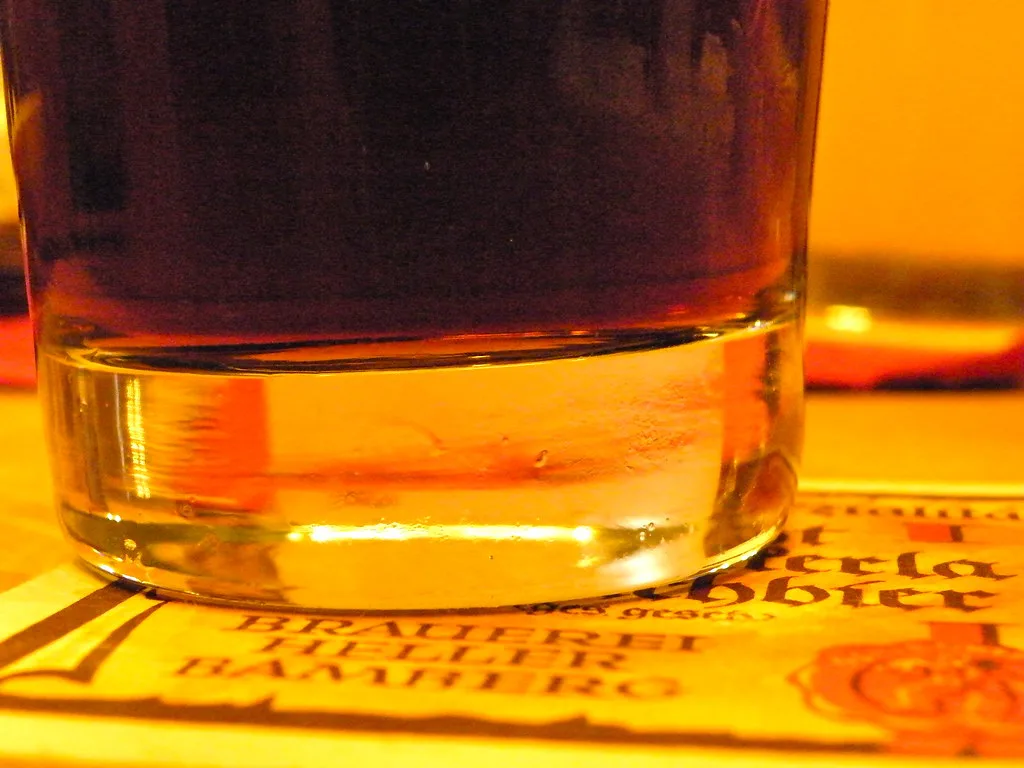
Märzen vs Festbier: how the amber style gave way to a paler pour
Märzen is the older style: an amber to copper lager with a pronounced malt character, toasty and slightly caramelized, and it is what most people picture when they think of classic Oktoberfest beer. Festbier is the modern festival pour, paler and gold in color, cleaner and easier to drink in quantity, which is why the big Munich breweries moved toward it. Both are lagers, and both are served in the same liter mug, so the color in your glass is the quickest way to tell which you have.
Is Festbier the same as Märzen? No. Both are lagers brewed for the Munich festival, but Märzen is amber and maltier, while Festbier is paler, cleaner and easier to drink in quantity.
How strong is Oktoberfest beer? Munich's festival beer is brewed to at least 13.5% original gravity, giving 5.7% alcohol by volume according to Hacker-Pschorr. Original gravity measures the brew before fermentation, so the figure to watch is 5.7%, which is stronger than a standard lager.
How do you order a beer at Oktoberfest? Ask for a Maß, the one-liter mug. For a first round, consider sharing a Maß or ordering a smaller size if the tent serves one, since the beer is stronger than everyday lager, and carry some cash even though card acceptance varies by venue.
If you want the historical version, look for the word Märzen on the label or the tap badge. If you want the lighter, crisper festival experience, look for Festbier or Oktoberfestbier. Neither is a lesser beer; they are simply different weights of malt and different colors, and the choice comes down to whether you want toast and caramel or a clean, grain-forward finish.
Drinkers who enjoy the malt side of German lager often cross over to dunkel styles for the same toasty quality, though a Munich dunkel is darker and often softer than a festival Märzen.
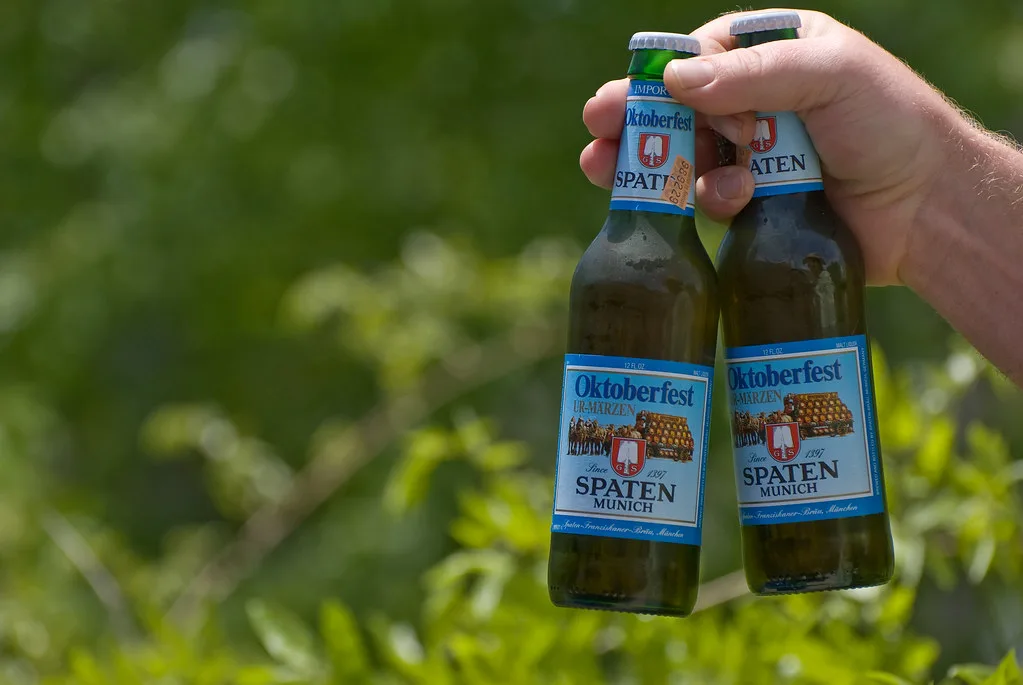
Original gravity and strength: what the 13.5% figure means
Hacker-Pschorr states that Oktoberfest beer must have at least 13.5% original gravity, which gives it 5.7% alcohol by volume. Original gravity is a measure of how much fermentable material goes into the brew before fermentation, not the strength of the finished beer, so do not read 13.5% as alcohol content. The practical translation is the 5.7% figure, which is roughly a third stronger than a typical 4.5% lager.
That rule is stated for the festival beer brewed by Munich's traditional breweries, so apply it as a benchmark for the style rather than a guarantee printed on every bottle you pick up. A 5.7% liter mug is a serious drink: two Maß is two full liters of strong beer, which is why pacing and food matter more here than at an ordinary bar.
Why Märzen exists: the brewing season that forced a stronger spring batch
The style is a product of old brewing rules. Hacker-Pschorr notes that Bavarian brewing law from 1539 allowed beer to be brewed only between St. Michael's Day on September 29 and St. George's Day on April 23, since summer brewing was considered a fire risk and cool cellar temperatures were needed for fermentation.
Because no one wanted to go without beer in summer, brewers made a surplus at the end of the season and gave the last batch a higher gravity so it would keep through the warm months and the autumn festivals. That stronger, shelf-stable spring brew is the ancestor of Märzen. The rule belongs to history, but it explains why a festival beer is maltier and stronger than a standard lager rather than something brewed fresh for the occasion.
How to order and drink it: the Maß and a sensible pace
Festival beer is served by the Maß, a one-liter mug, so a round for four people is four liters arriving at once. Order with a simple "a Maß, bitte," and carry some cash even though card acceptance varies by venue. Keep the first round small if you are unsure of the strength: split a Maß between two people, or start with a half-liter where the venue offers one.
Pacing matters more than willpower. Alternate each beer with water, eat something substantial early rather than at the end, and treat the Maß as a two-hour drink, not a ten-minute one. Staff in busy tents are efficient, and empty mugs get cleared fast, so if you want to slow down, keep hold of your glass.
Reference points for the pale lager style
Two Munich-area pale lagers show what clean German brewing tastes like, and both are useful yardsticks for festival beer. Augustiner-Bräu München's Lagerbier Hell is described as cold, crisp, clear and slightly malty, the kind of beer that disappears by the liter in a leafy beer garden. It is a Helles rather than a festival beer, but drinking one gives you the baseline the maltier Festbier is built on.
Schönramer Hell, from Private Landbrauerei Schönram in Petting, is described as slightly hoppier than other helles in the region while staying highly drinkable, brewed with traditional German aroma hops from Hallertau or Tettnang and lagered for around five to seven weeks. If you want a sense of how German brewers balance malt and bitterness, these two are clear starting points, and they are easier to find year-round than a seasonal festival beer.
Food that works with a malty festival lager
Malt-forward beer wants salty, roasted and savory food, not delicate dishes. A half roast chicken with a crisp skin, a pretzel with butter, or a pair of Weisswurst with sweet mustard all sit comfortably alongside the caramel notes in a Märzen. Bratwurst and sauerkraut work too, and a cheese plate with a strong mountain cheese gives the malt something to cut through.
Avoid dishes that are very sweet or heavily creamy, which make a malty beer taste cloying. If you plan to drink more than one Maß, order the food before the second round rather than after it; the beer is 5.7% and the effect of a liter on an empty stomach arrives faster than most visitors expect.
What to check on a German label
The label tells you more than the brand name does. Märzen signals amber malt and a toastier profile, Festbier or Oktoberfestbier signals the paler festival style, Helles means a light everyday lager, and Export sits somewhere between Helles and a fuller-bodied lager with a touch more malt. If a bottle simply says Lagerbier, expect a clean, easy-drinking pale lager rather than festival strength.
Seasonal release matters as well: festival beer appears in shops and beer halls in the run-up to the Munich festival as a limited seasonal brew rather than a year-round shelf staple. The German beer purity law shapes what can go into these beers, which is why the malt and hop character stays so recognizable across brands.
Which festival beer should you order first?
Order a Festbier first if you want the modern festival experience: paler, cleaner and easier to drink over a long afternoon. Order a Märzen if you want the historical version, with more toast and caramel and a color closer to amber. Either way, ask for a Maß only if you plan to stay a while, and start with a half-liter if you are new to strong lager.
Away from Munich, use Augustiner Lagerbier Hell and Schönramer Hell as your reference points for the pale side of German lager, then seek out the seasonal Festbier releases when they appear. If you enjoy the malt, you will find plenty more across the country, and it is worth exploring the wider range of German Beer styles beyond the festival pours.
Explore more Germany guides
Frequently Asked Questions
Is Festbier the same as Märzen?
No. Both are lagers brewed for the Munich festival, but Märzen is amber and maltier, while Festbier is paler, cleaner and easier to drink in quantity. Hacker-Pschorr's festival beer is a Märzen, so the two styles can share a festival and still taste clearly different.
How strong is Oktoberfest beer?
Munich's festival beer is brewed to at least 13.5% original gravity, giving 5.7% alcohol by volume according to Hacker-Pschorr. Original gravity measures the brew before fermentation, so the figure to watch is 5.7%, which is stronger than a standard lager.
How do you order a beer at Oktoberfest?
Ask for a Maß, the one-liter mug. For a first round, consider sharing a Maß or ordering a smaller size if the tent serves one, since the beer is stronger than everyday lager, and carry some cash even though card acceptance varies by venue.
What food goes with festival beer?
Roast chicken, pretzels, Weisswurst with sweet mustard, bratwurst and sauerkraut all pair well with the malt in Märzen and Festbier. Eat before your second round rather than after it, since a liter of 5.7% beer hits harder on an empty stomach.
Sources
Notes for your next German food trip
Optional updates to our guides.
You might also like



Continue reading
More guides you'll find useful


