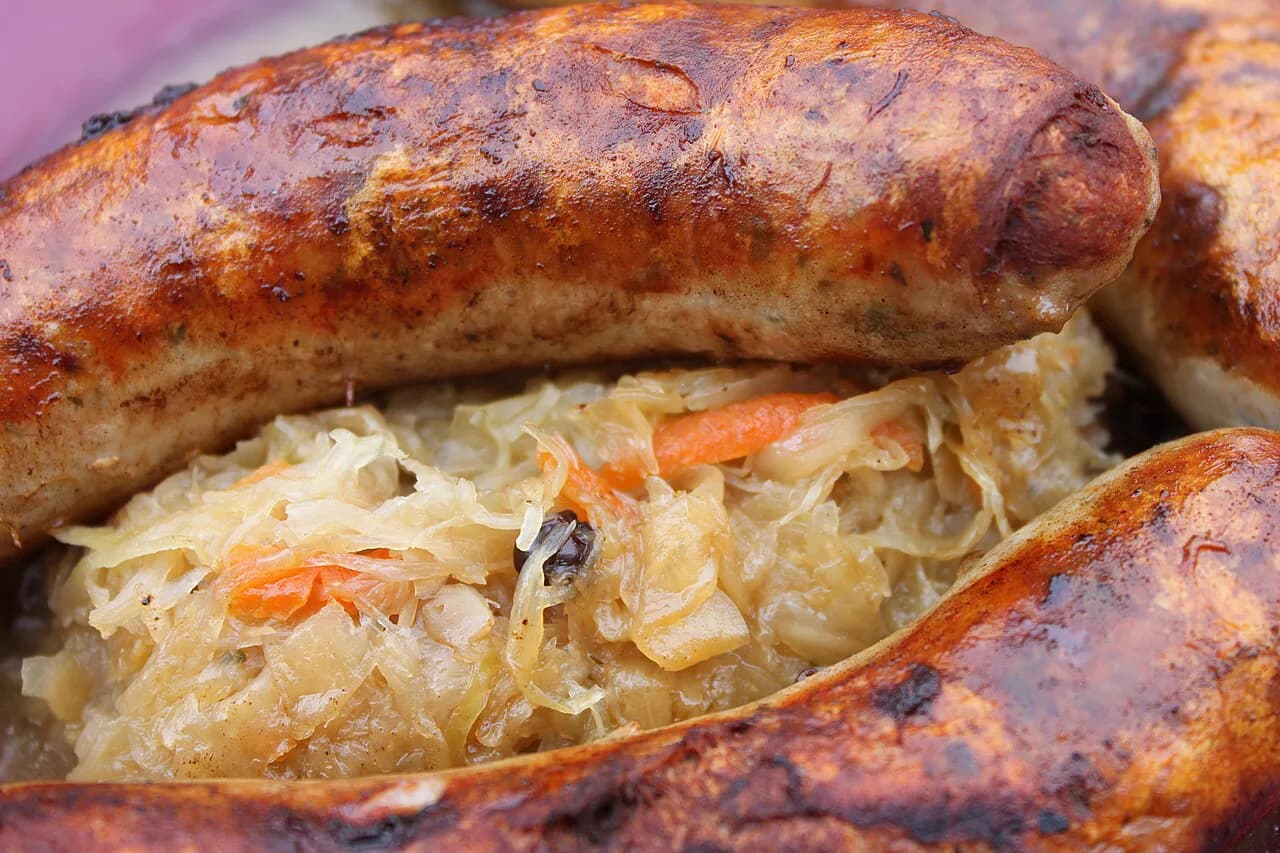
German Restaurant Etiquette: How Eating Out Works in Germany
German restaurant etiquette for visitors: seat yourself, order drinks first, pay for water, use fork language, and round up the bill with a small cash tip.
On this page
German restaurant etiquette comes down to a few habits: walk in and choose a free table unless a sign says Bitte warten (please wait), expect to pay for bottled water, and settle the bill at the table by rounding up with a small tip. Nobody hands you a menu at the door, and no server appears the moment you sit down. This guide walks through the whole arc of a meal out in Germany, from the greeting to the coin dish by the restroom.
Where the German restaurant meal starts
In many German restaurants you seat yourself: no host greets you with an armful of menus, so scan the room and pick a table you like. The exception is a sign reading Bitte warten, which means you wait to be shown to a seat, and more formal places work the same way. Reserved tables carry a Reserviert card, so leave those alone unless the reservation is yours.
The menu often already sits on the table, and there are usually fewer copies than chairs, so expect to lean in and share one with your companion. A server will not swoop down the second you sit; when you are ready to order, catch the eye of someone in an apron and give a brief wave. Which server looks after you can change mid-meal, so the person clearing your plate may not be the one who took your order.
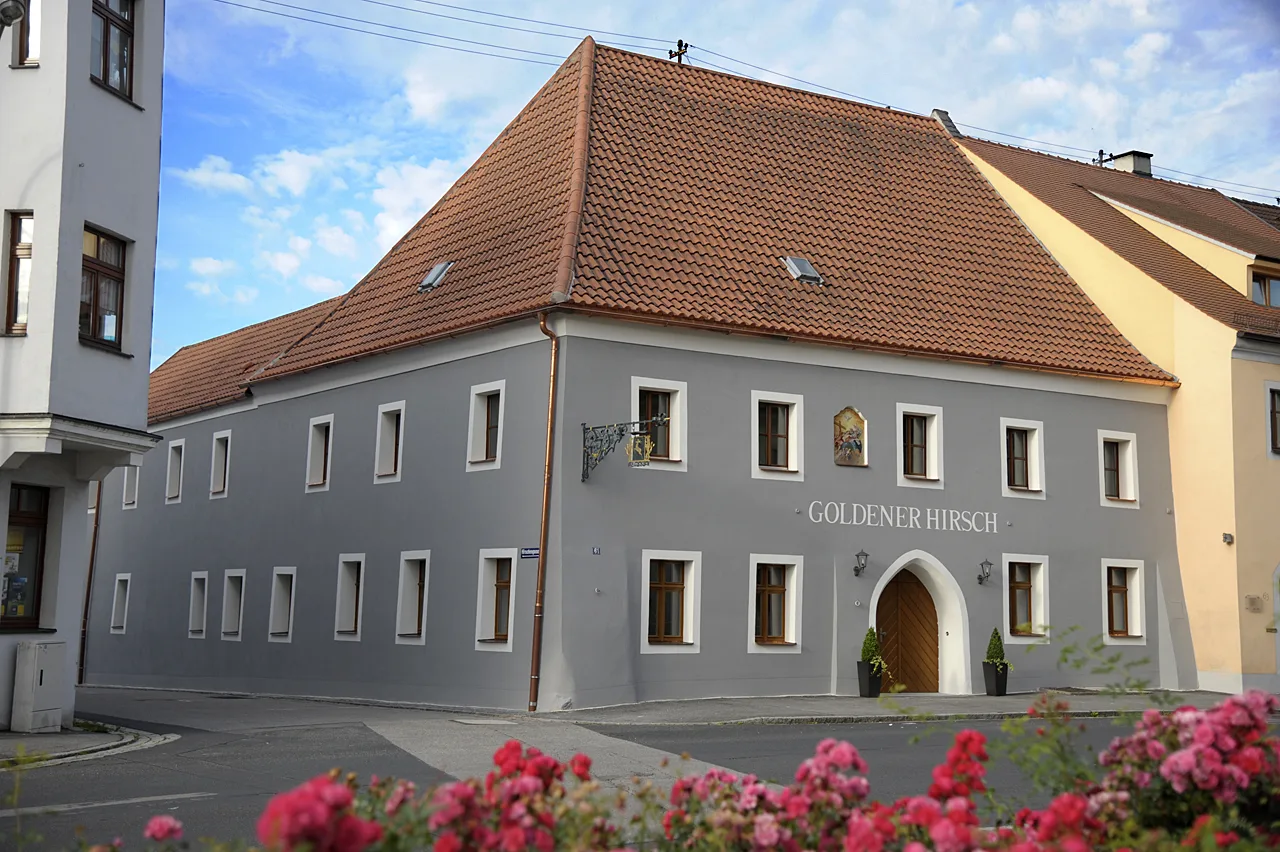
Sharing a table and reading the room
In a packed Biergarten or a busy tavern, strangers may ask to join your table, and you can do the same when seats are scarce. Sharing a table is accepted practice in casual places, so treat an unexpected tablemate as routine rather than an intrusion; a short Grüß Gott or Hallo costs nothing.
Sharing a table and reading the room. In a packed Biergarten or a busy tavern, strangers may ask to join your table, and you can do the same when seats are scarce.
Menus: sections, questions, and Sauerbraten. German menus are usually split into sections you can decode quickly: Vorspeisen (starters), Hauptgerichte (main courses), Nachspeisen or Desserts, and Getränke (drinks).
Drinks come first. Expect the drink order to be taken before you have decided on food.
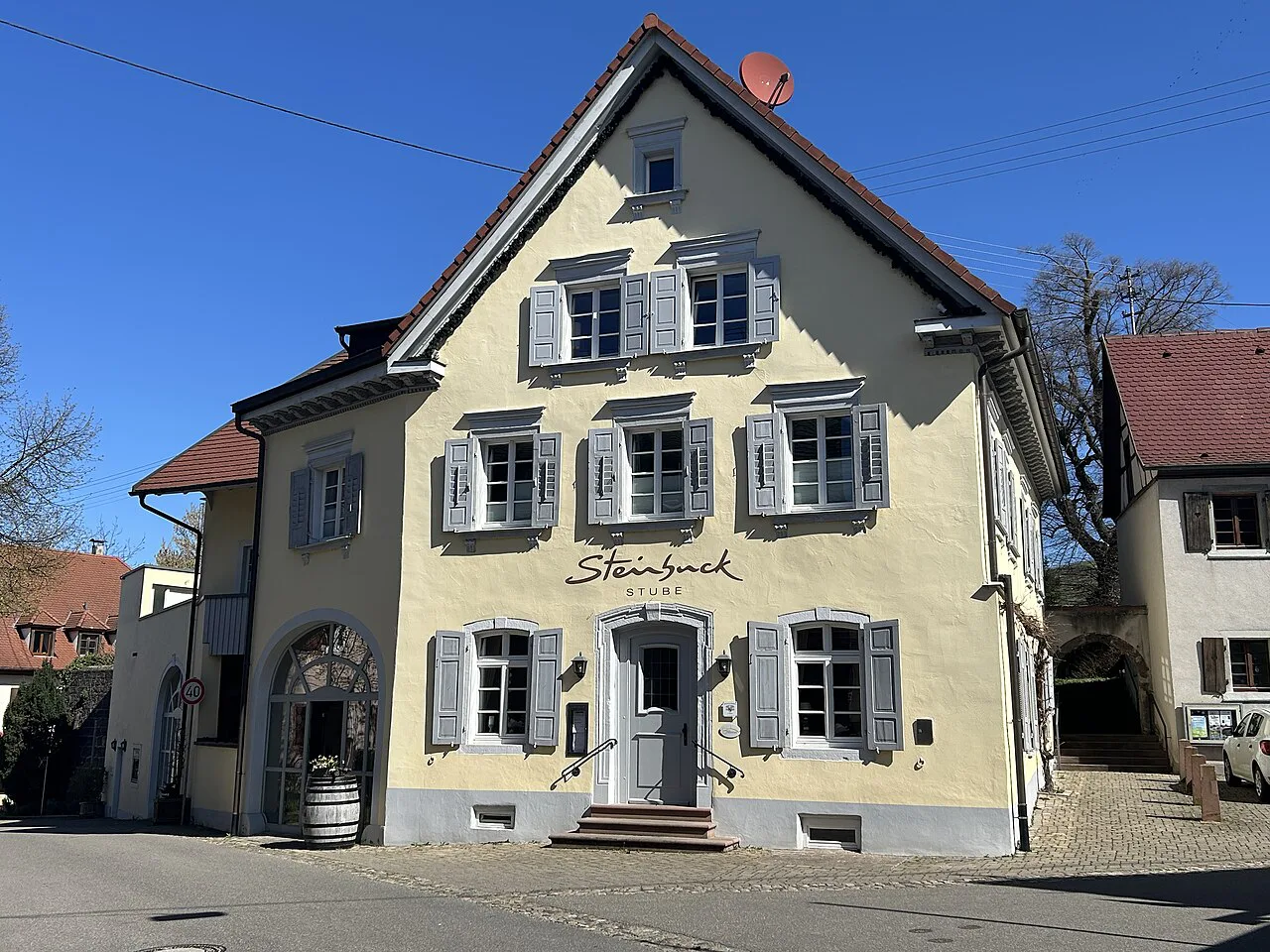
Menus: sections, questions, and Sauerbraten
German menus are usually split into sections you can decode quickly: Vorspeisen (starters), Hauptgerichte (main courses), Nachspeisen or Desserts, and Getränke (drinks). If a dish name means nothing to you, ask directly with Entschuldigung, was ist das? (Excuse me, what is that?). A server will usually explain Sauerbraten or any regional specialty without a hint of impatience, so use the question freely.
Asking Was empfehlen Sie? (What do you recommend?) is a practical shortcut when a menu is long and unfamiliar. The answer tends to point at the kitchen's regulars rather than the priciest plate, and it gives you a read on what the house does well that day. Order in that spirit and you rarely end up with a dish the kitchen is indifferent to.
Drinks come first
Expect the drink order to be taken before you have decided on food. Water is not free and does not arrive unasked: you get bottled mineral water, sparkling or still, and it lands on the bill like any other drink. Asking for Leitungswasser (tap water) is unusual and sometimes discouraged, and there are no free refills on soft drinks either.
Ice is scarce in German drinks, so a cola or juice may arrive closer to room temperature than you expect, while beer is served properly chilled. If you want something long and nonalcoholic, an Apfelschorle (apple juice cut with sparkling water) is the standard move. Order it alongside your meal rather than waiting for a refill that will not come.
Bread and pretzels on the table
Bread on the table is not automatically free. In many places plain bread or rolls come with the meal and are not replenished, but in traditional southern German pubs a basket of pretzels and bread may be counted on your bill, so a bite can cost. If nothing was offered, either order from the menu or leave the basket alone until you know how the house handles it.
Getting your server's attention, and fork language
Catch a server's eye and raise a hand at roughly shoulder height rather than flagging both arms across the room. A quiet Entschuldigung (excuse me) as they pass does the job too. Once you have their attention, say what you need in one line: Die Rechnung, bitte (the bill, please) or noch ein Wasser, bitte (another water, please).
Fork language is the quiet signal that ends the meal: lay your knife and fork together across the plate at roughly the three or four o'clock position and the server reads it as finished. Leaving them apart tells the room you are still eating, which is why a plate can sit in front of you long after your last bite. It also signals to your companion that any food left on the plate is fair game.
The question at the end of the meal
When your plate is cleared, a server will often ask how everything was, and by then the meal is already eaten, so the question is courtesy rather than an offer to fix anything. Answer briefly and warmly, and treat praise as the normal response. If something genuinely went wrong, say so plainly while the plate is still on the table, which is the moment when a kitchen can still act.
Paying at the table
You do not carry your bill to a counter in a full-service restaurant: the server comes to you, tells you the total, and takes payment there. Say Die Rechnung, bitte when you want to close out, and have a rough sense of the total in case you want to pay a round figure. Whether card works varies by place, so carrying some cash covers the gap.
Tipping works by rounding up rather than leaving a percentage on the table. As a rough illustration, if the meal comes to 36.40 euros, pay 38 for decent service, 39 to keep a euro for the restroom, or 40 to skip the change entirely. Hand the total to the server and say the figure you want to pay, or use Stimmt so (keep the change).
Restrooms and the coin dish
In some restaurants a restroom attendant sits or stands near the door with a small plate of coins, and a modest tip is the custom regardless of what you spent on the meal. Keep a coin or two in your pocket before you leave the table so you are not caught patting down empty pockets at the door. This is a habit that varies from place to place, not a rule everywhere.
Cafés, bakeries, and the Imbiss counter
A café, bakery, or Imbiss (snack stand) runs on different mechanics from a full-service restaurant: you order and often pay at the counter, then take your tray or wait for your number. At a bakery counter, point at what you want and name the quantity, which is faster than describing it. For an afternoon pause, the German ritual is Kaffee und Kuchen, coffee with a slice of cake, taken in a café or Konditorei rather than rushed standing up.
Table manners Germans actually notice
A few habits carry weight at a German table: no slurping, no talking with a full mouth, and wait until everyone at the table has been served before you start. Sit up rather than slouch, and keep your hands visible above the table while you eat. Break bread into pieces on your plate instead of biting from the slice.
Beer garden and brewery tap etiquette
At long communal benches, a nod to the people beside you before you sit is normal, and Prost (cheers) is said with eye contact as glasses meet. Order a half or a full measure and pace yourself across the afternoon rather than lining up rounds. A halbes Hendl (half roast chicken) is the classic beer garden plate to share the bench with your beer.
Which German dining habit to get right first
If you remember one thing, remember the water: it is a paid bottled drink, and ordering it up front sets the tone for the rest of the meal. After that, seat yourself, share the menu, watch for fork language, and settle up at the table with a rounded total.
Explore more Germany guides
Sources
Notes for your next German food trip
Optional updates to our guides.
You might also like



Continue reading
More guides you'll find useful