
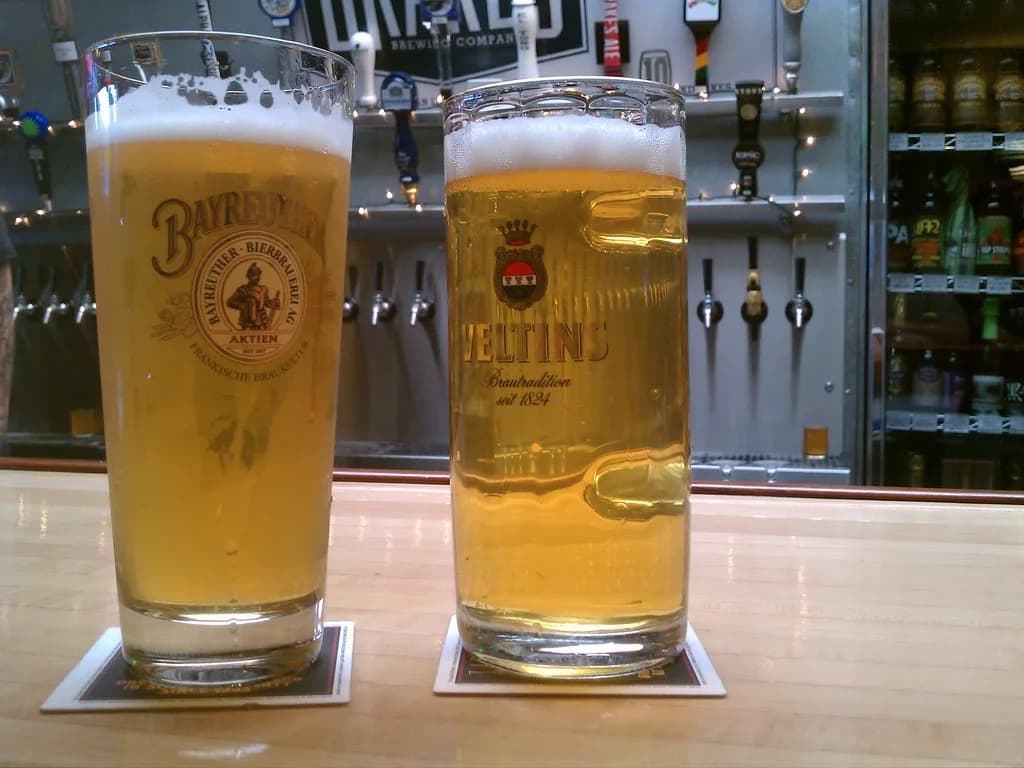
Kellerbier in Germany: What It Is and How to Drink
Kellerbier is unfiltered lager served fresh at a Franconian keller. Learn what it tastes like, how it differs from Zwickel and Helles, and how to order it.
On this page
Kellerbier is unfiltered lager served fresh, and its truest home is the keller: a cellar on a hill where the beer lagered and where people now sit under trees with a stone mug. In Franconia the word means both the beer and the place, and the place is where the style makes sense. This guide covers what kellerbier is, how it tastes, how it differs from Helles and Zwickel, and how to handle a keller visit.
You will meet the name all over Germany, but often on a bottle of cloudy lager rather than at a cellar door. Knowing that difference keeps you from expecting the wrong thing in the glass, whether you are in Bamberg, Forchheim or a big-city bar.
What kellerbier is: beer from the cellar, unfiltered and served fresh
Kellerbier literally means cellar beer, and the original idea is simple: the beer you drink at the place where it rested. An 1807 dictionary definition describes kellerbier as beer offered at a public keller and fetched from there, as opposed to bottled beer kept in your own cellar. That is historical context, not a modern labeling rule, but it explains why the word carries a sense of place.
In practice, kellerbier is a process applied to lagers rather than a rigid recipe: fermentation finished, the beer left unfiltered, and the yeast and malt character kept in. Some drinkers treat it as a style of its own because the result sits clearly apart from a clean, filtered Helles. The German beer landscape has plenty of these overlapping categories, which is why the glass in front of you matters more than the label.
Franconian breweries still sometimes pour from a lined, spigoted barrel called a stichfass or holzfass, though today those barrels are usually filled with finished beer from the lagering tanks. That detail tells you what the tradition is really about: freshness and presentation at the keller, not a secret yeast.
Why Franconia, not Munich, is where kellerbier makes sense
Munich built its reputation on clean, filtered lagers such as Helles, poured in big gardens and halls. Franconia, the region around Bamberg and Nuremberg, kept the older habit of the keller on the hill, where cellars dug into rock stayed cool and chestnut trees added shade. The beer followed the cellars.
Is kellerbier the same as Zwickel? They are close cousins, and the boundary is loose. Both are unfiltered lagers drawn from the tank, and the two names reflect regional habit as much as a strict brewing difference.
Is kellerbier cloudy? A Franconian kellerbier is not usually heavily cloudy, even though elsewhere in Germany the word keller became shorthand for unfiltered or slightly hazy beer. Unfiltered means some yeast remains, which adds a bready fullness, but clarity varies by brewery and by how the beer is poured.
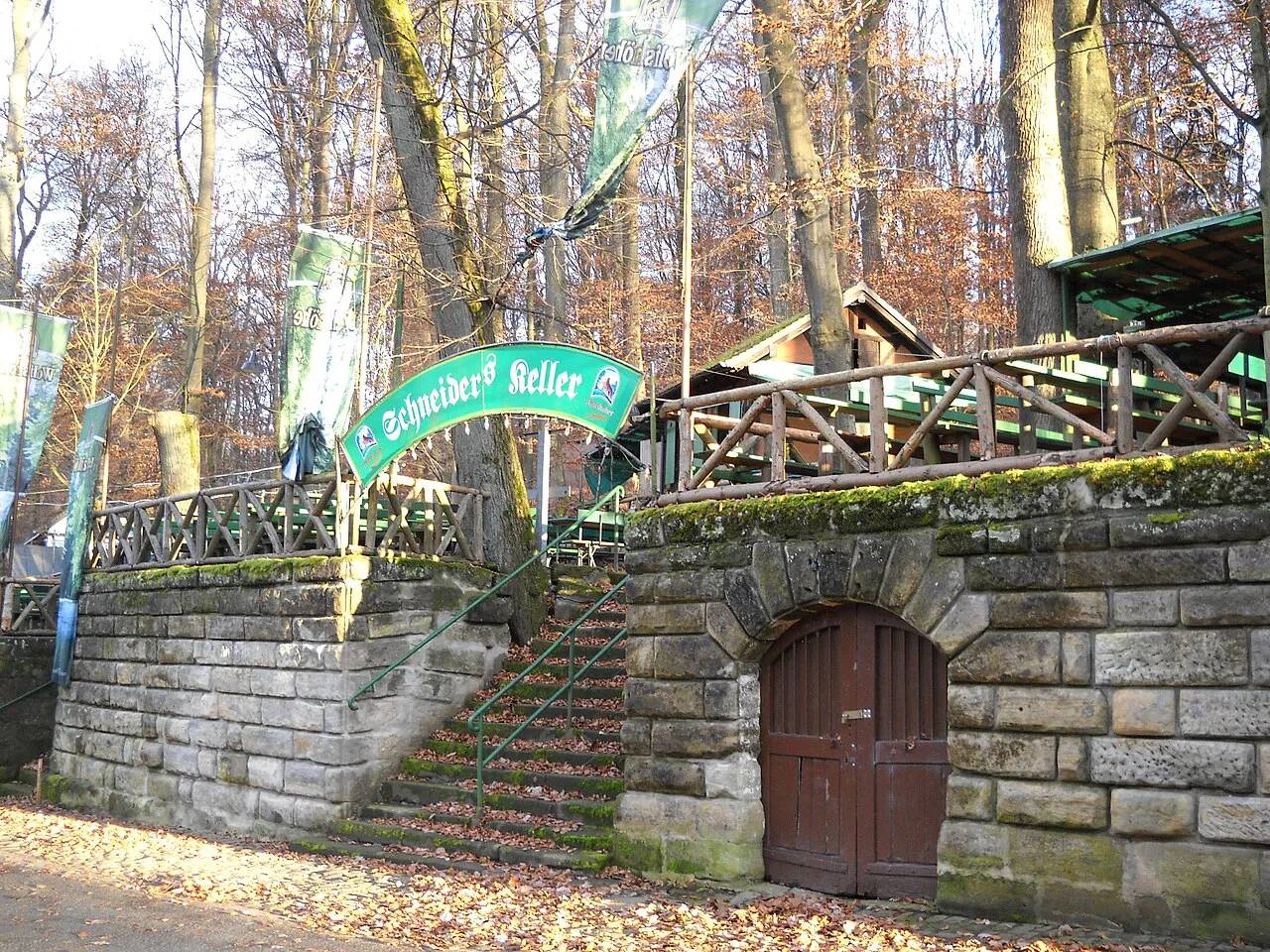
The Kellerwald near Forchheim, roughly 15 miles south of Bamberg, holds 23 old stone beer cellars dug into the hill. Long tables sit under the chestnuts, and locals call these places kellers rather than beer gardens. If you want to understand kellerbier as a habit rather than a brand, this is the landscape that explains it.
Franconians expect a flavorful half-liter at a keller, and the local demand shapes what brewers send up the hill. That expectation is the real engine behind the style: a beer with body and character, not a mild, neutral lager.
What kellerbier tastes like: body, earthy bitterness, minerality, dry finish
Expect body and a touch of sweetness rather than crispness, balanced by a pronounced earthy bitterness and a distinct minerality. The finish dries out and invites the next sip. That combination is why kellerbier reads as rustic next to a polished pale lager.
Unfiltered means yeast remains in the beer, and that yeast character adds a bready, slightly fuller impression. A pale kellerbier can be described as an unfiltered, cask-conditioned relative of Helles, but the malt and yeast notes run higher. If you normally drink light lagers, the first half-liter may taste bigger than you expect.
The color can mislead. Franconian kellerbier is not usually heavily cloudy, even though the word keller elsewhere in Germany became shorthand for unfiltered or slightly hazy. Judge it by the earthy bitterness and dry finish, not by how murky it looks.
Kellerbier vs. Helles vs. Zwickel: what actually changes in the glass
Helles is the reference point: pale, filtered, clean and built for easy drinking by the liter. Kellerbier keeps the yeast and pushes malt, yeast and earthy hops forward, so it feels rounder and more savory. Order a Helles when you want refreshment without weight, and a kellerbier when you want flavor with texture.
Zwickel is the close cousin, and the line between them is blurry. Both names are applied to unfiltered lagers, and the difference rests more on regional habit than on a strict recipe. Rather than memorizing a rule, ask what is on tap and, if a keller pours both, taste them side by side.
Dark versions exist too, so do not assume a kellerbier is always pale. A dunkel kellerbier brings the same unfiltered texture with roasted malt in the background, closer to a dunkel beer than to a pale lager. If the tap list is short, ask which one the keller is known for and start there.
The keller itself: stone cellars under chestnut trees, long tables, bring-your-own food
A Franconian keller is a place to sit, not a cellar tour. You climb a hill, find shade under the chestnuts, and take a long table with a brewery tap nearby. Families, dogs, bicycles and card games are normal parts of the scene.
Food varies. Locals may pack picnic baskets with salads, bread, sausage and cheese, and some kellers have their own kitchen or snack counter. Ask what the keller serves before you count on a full meal there, or bring something to share if you prefer.
At the Kellerwald in Forchheim, the keller season runs roughly from May to September, when you climb the hill for a shady seat. Weather drives everything at a keller, because the whole point is sitting outside.
How to order and drink it: the steinkrug, the half-liter, the pace
Order a halbe, a half-liter, and it may arrive in a steinkrug, a stoneware mug that keeps the beer cool and hides the color. The mug is heavy and opaque, so you drink by feel and pace rather than by sight. That is part of the pleasure and part of the trap: refills come easily.
Kellerbier is a session beer by design, so drink it slowly, with food and water alongside. In Franconia, the beer is part of a long afternoon, not a quick round. Keep the pace moderate and the day stays pleasant.
How you order and pay differs from one keller to the next, from table service to a counter. Carry some cash as a practical default in rural Franconia and check at the tap how ordering works before you settle in.
Where kellerbier fits in a Franconian day around Bamberg and Forchheim
Build an afternoon around one keller rather than chasing several. The Kellerwald near Forchheim offers the classic setting: a wooded hill, old cellars and long tables, with the town of Bamberg a short trip north for its brewery scene.
Bamberg itself is a good base for the region, and its smoked beer tradition sits alongside the kellerbier habit. Try a kellerbier first, then branch into the local lagers if you have appetite left.
On a warm summer day, go up the hill early, when the shade is fresh and the tables are open. Weather drives everything at a keller, because the whole point is sitting outside.
Bottled kellerbier outside Franconia: what the label tells you
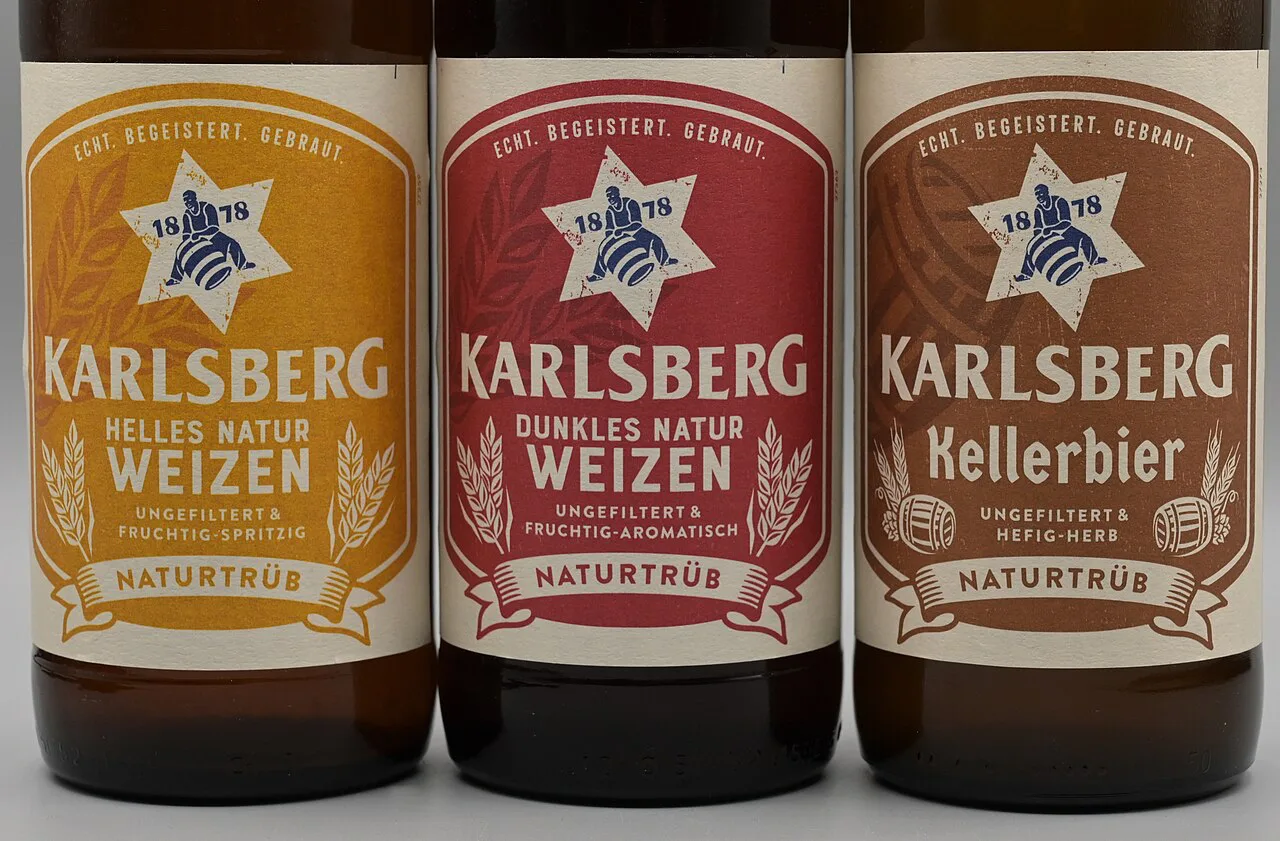
Outside Franconia, kellerbier on a label usually means an unfiltered version of a brewery's standard lager. It can be good beer, but it is not the same experience as drinking at a keller where the beer lagered. Set expectations accordingly.
Some breweries still pour from a stichfass at the keller, which is the closest modern echo of the old practice. Treat a bottled kellerbier as a taste of the style and a keller visit as the full version.
If you want to go deeper into German beer styles, the wider guide covers pils and other lagers, wheat beers and the brewing rules behind them. Kellerbier is one useful stop on that map.
Should you build a Franconian afternoon around a keller?
Yes, if you want the clearest introduction to kellerbier: unfiltered lager in a stone mug, under chestnuts, at a long table. The beer is the point, but the place is what makes it memorable.
Plan for Bamberg as a base, Forchheim's Kellerwald for the setting, and a slow half-liter pace. Keep the day simple, and let the keller set the schedule.
Explore more Germany guides
Frequently Asked Questions
Is kellerbier the same as Zwickel?
They are close cousins, and the boundary is loose. Both are unfiltered lagers drawn from the tank, and the two names reflect regional habit as much as a strict brewing difference. If a keller pours both, order a small glass of each and compare the malt and bitterness side by side.
Is kellerbier cloudy?
A Franconian kellerbier is not usually heavily cloudy, even though elsewhere in Germany the word keller became shorthand for unfiltered or slightly hazy beer. Unfiltered means some yeast remains, which adds a bready fullness, but clarity varies by brewery and by how the beer is poured.
Sources
Notes for your next German food trip
Optional updates to our guides.
You might also like



Continue reading
More guides you'll find useful




