
Berliner Weisse: What It Is and How to Drink It in Germany
Berliner Weisse is a pale, sharply sour, low-alcohol wheat beer from Berlin. Here is what it tastes like, how it is served with syrup, and how to order it.
On this page
Berliner Weisse is a very pale, sharply sour, low-alcohol wheat ale from Berlin, usually between 2.8 and 3.8 percent alcohol and often served with a shot of fruit syrup for anyone who wants to soften it. It is light, fizzy and bracing, a warm-weather drink built as an everyday refresher rather than a sipping beer. This guide covers what the style tastes like, why the low alcohol is deliberate, and when to order it straight or mit Schuss with raspberry or woodruff syrup.
What Berliner Weisse is
The style belongs to the German wheat beer family, but it is a different animal from the cloudy, banana-scented wheat beers most visitors know. Wheat malt makes up roughly half the grain, with Pilsner malt filling out the rest, and the beer ferments with both top-fermenting yeast and Lactobacillus delbruckii, the bacteria behind its clean lactic sourness. Hop bitterness is extremely low, so the sourness carries the beer instead of a hoppy backbone.
In Germany it is classified as a Schankbier, a category for small beers with a starting gravity of around 7 to 8 degrees Plato. That classification explains the numbers: a light body, a very dry finish and so little alcohol that it suits the middle of a warm afternoon. To compare it with the more familiar pale German styles, our guide to Helles covers the clean, malty Munich lager that most visitors default to.
How a sip tastes
Sourness hits first. The lactic acidity is dominant and can be quite strong, though it stays short of the eye-watering sharpness of a lambic, and it often sits alongside a bready or grainy wheat flavor that keeps the beer from tasting thin. Fruity notes may creep in as the beer ages, and a mild Brettanomyces character is possible but not required.
Is Berliner Weisse the same as a wheat beer? It is a wheat ale, but not the soft, banana-and-clove kind most visitors meet in Germany. Berliner Weisse is fermented with Lactobacillus delbruckii as well as yeast, which makes it sharply sour, very pale and very low in alcohol, usually between 2.8 and 3.8 percent.
What is Berliner Weisse mit Schuss? It is the beer served with a shot of sugar syrup stirred in, traditionally raspberry or woodruff. The syrup softens the sourness and adds fruit or herbal sweetness, and you can also order the beer without it if you want the full sour character.
Do I have to add syrup to Berliner Weisse? No. Syrup is a common serving style rather than part of the beer itself, and many drinkers take it straight or blended with Pils instead.
The finish is very dry and the carbonation very high, so each mouthful resets quickly. You will not find hop aroma, diacetyl or cooked-vegetable notes in a well-made example, and the alcohol sensation is essentially absent. Anyone who expects the soft, clove-and-banana profile of a German wheat beer will be surprised; our Reinheitsgebot explainer covers the brewing law that shapes German beer if you want the contrast.
The numbers that matter
The key figures are 2.8 to 3.8 percent ABV, bitterness of only 3 to 8 IBUs and a very pale color of 2 to 3 SRM. A 5 percent example such as Weihenstephan 1809 exists, but it is unusual for the style rather than the norm, so do not assume a strong pour.
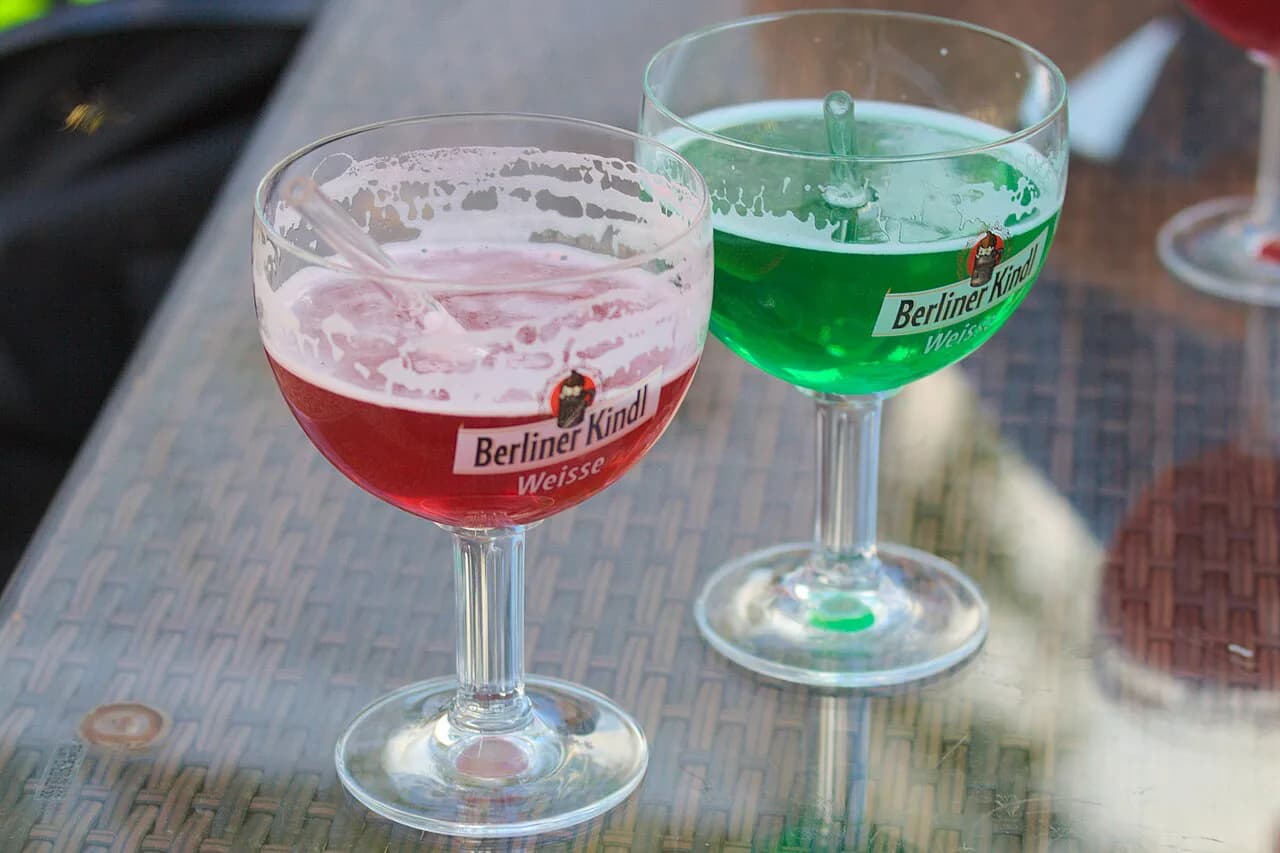
The practical consequence is that this is a beer to drink cold and in company, not to nurse. Serving it in a tall, bowl-shaped glass, as Berlin bars traditionally do, makes the fizz and the aroma more prominent and gives you room to stir in syrup.
Why it is called the Champagne of the North
The nickname traces to Napoleon's troops, who in 1809 reportedly called the beer the Champagne of the North because of its lively, elegant character. The comparison is about sparkle and brightness rather than any resemblance to actual champagne, and it is a reminder that this style has always been associated with refreshment rather than strength.
Berliner Weisse is believed to date to the late 16th century, and by the early 20th century more than 50 breweries in the Berlin area were producing it. Production declined sharply later in the century, and today the style remains a small niche rather than a mainstream beer.
Mit Schuss: what raspberry and woodruff syrup do
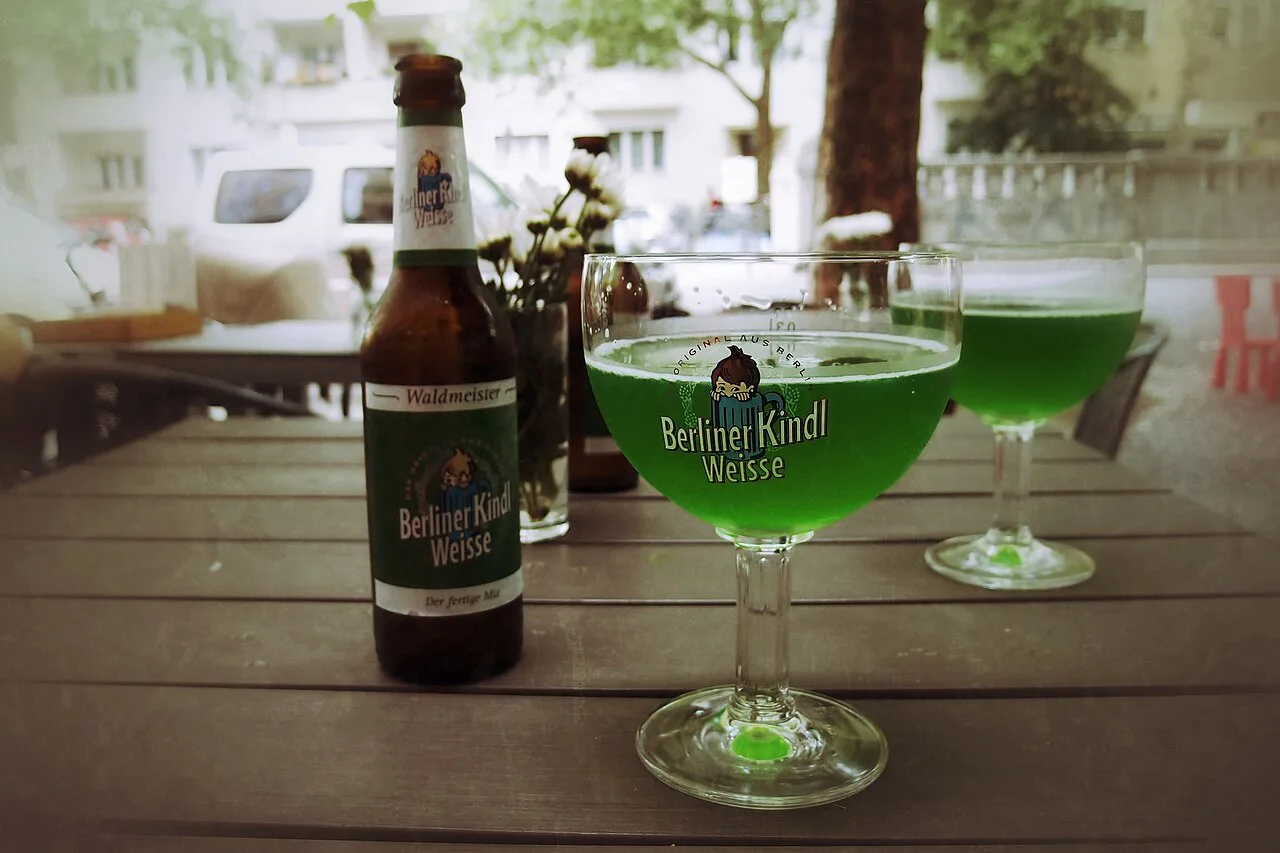
In Germany, Berliner Weisse is often served mit Schuss, with a shot of sugar syrup, to counter the substantial sourness. Raspberry syrup, Himbeer, adds a tart berry sweetness that mutes the lactic edge and pushes the beer toward something like a low-alcohol fruit sour. Woodruff syrup, Waldmeister, is herbal rather than fruity, with a sweet, slightly grassy flavor that many drinkers find more interesting than raspberry and first-timers find more unexpected.
Ordering is simple: ask for a Berliner Weisse mit Schuss and name the syrup, or ask for it without if you want it straight. Start with less syrup than you think you need, because the sugar quickly masks the sourness that makes the beer distinctive.
Green or red: choosing your syrup
Raspberry, the red one, stays closer to the beer's own fruity potential and suits anyone who usually drinks fruit-forward sour beers. Woodruff, the green one, gives a herbaceous sweetness that sits well against the wheat base and is the choice to make if you want the version that tastes least like juice. Syrup dosing varies from bar to bar, so the same beer can taste markedly sweeter in one place than another.
If you are undecided, order two small glasses rather than a large one of each and compare the red and green versions side by side. Trying the beer straight at least once is worthwhile, because the sourness is the point and the syrup is the adjustment.
Straight or mixed with Pils
Another traditional way to tame the sourness is to mix Berliner Weisse with Pils rather than syrup. The pale lager dilutes the acidity and adds a little hop bitterness without the sugar. It is a useful middle path for anyone who finds the beer too sharp straight but does not want a sweet drink.
If you like the idea of a clean, bitter pale beer on its own, our Pils beer page explains what the German version tastes like and why it is the default order across most of the country. Blending your Berliner Weisse with it is a practical way to try both styles in one glass, and many bars will pour it either way if you ask.
How Berliners treat it: a small beer for warm weather
Think of Berliner Weisse as the German answer to a hot afternoon, not as a challenge beer. Because it is a Schankbier and lands near 3 percent, a second glass costs you very little in alcohol terms, and the high carbonation and dry finish keep it from feeling heavy. That is why it works as a long, slow drink in a beer garden or a standing bar rather than something you order at the end of the night.
The German beer landscape is full of styles with a specific job, and this one's job is refreshment. Our German beer overview maps the other regional styles, from the pale lagers of the south to the Altbier of North Rhine-Westphalia, so you can see where this sour wheat beer fits.
What to look for on a Berlin beer menu
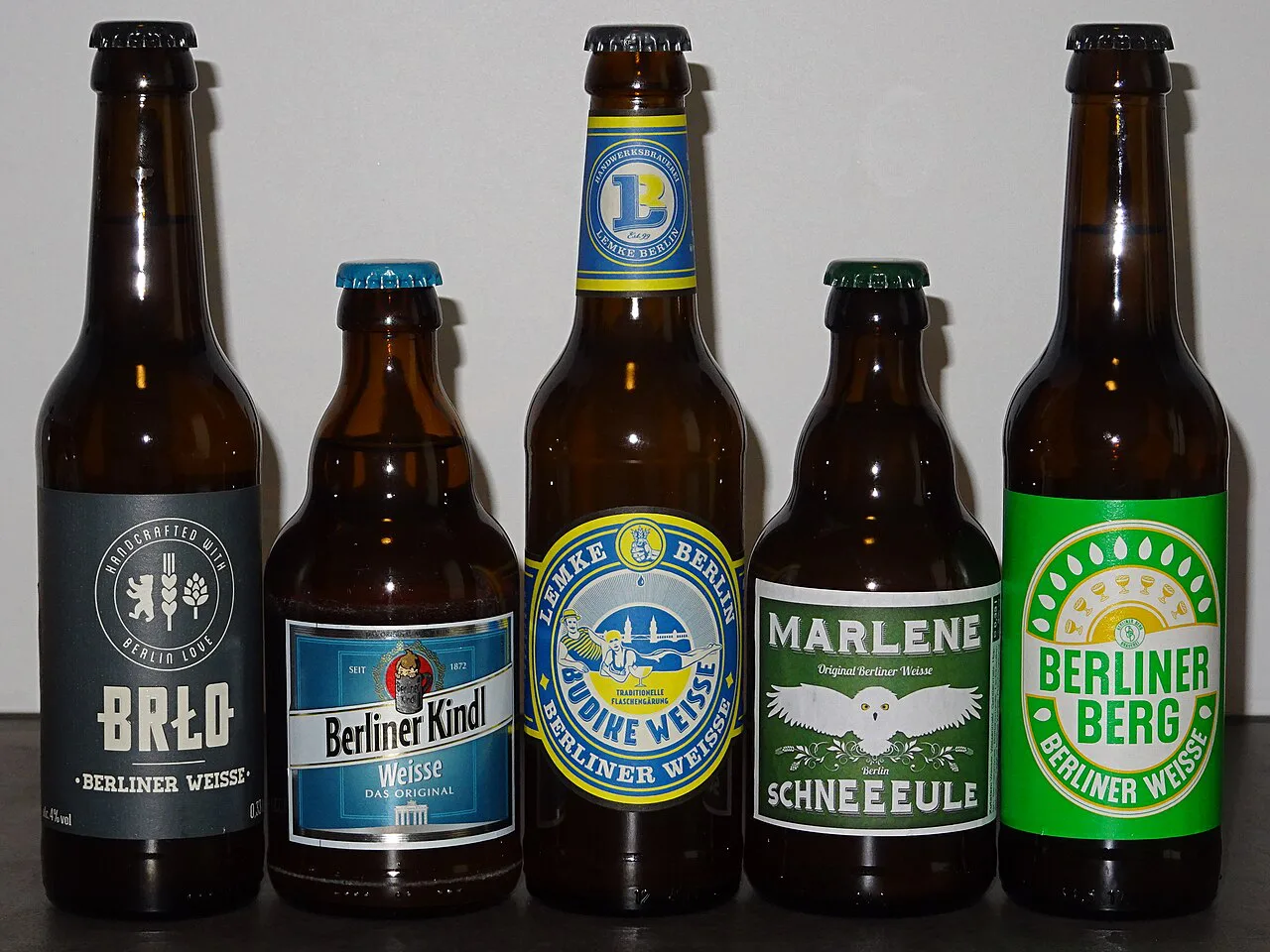
A Berlin bar or restaurant that serves the style usually lists it as Berliner Weisse, sometimes with the syrup options named beside it, and may offer it in a bowl-shaped glass. The two established commercial examples to recognize are Schultheiss Berliner Weisse and Berliner Kindl Weisse; either name on a menu tells you that you are getting the classic article rather than a modern craft take. Order it before your food arrives, when the sourness and fizz do the most good.
This is a beer that many tourists misorder by treating it like a normal wheat beer, so set expectations: it is pale, light-bodied and sour. If you do want the classic version, ask whether it comes mit Schuss by default or whether the syrup is served on the side; the answer tells you how that bar usually serves it.
Reading the label: modern craft versions
The craft beer revival has pushed Berliner Weisse well beyond Berlin, and breweries around the world now make versions with fruit, hops and other additions. A modern example might carry a flavor like cherry or passion fruit and drink more like a fruit sour than like the traditional beer, which is fine as long as you know what you are buying. Check the ABV on the label: some craft versions run above the traditional range.
The core recipe is simple enough to brew at home, and the Homebrewers Association publishes a collection of Berliner Weisse recipes that shows how brewers handle the lactic fermentation. If you are curious about the process, that is a better place to start than guessing from a commercial label.
Order it straight once, then decide on the syrup
Order a Berliner Weisse without syrup on your first round so you taste the lactic sourness, the wheat base and the very dry finish without sugar in the way. If it is sharper than you want, ask for it mit Schuss and choose between raspberry and woodruff; the green woodruff is the more Berlin answer, while raspberry is the friendlier starting point.
Keep the style's small size in mind when you plan your evening: at around 3 percent alcohol, it is a drink for the afternoon and the first round. For the full set of German beer styles and how to order them, our German beer guide is the place to continue.
Explore more Germany guides
Frequently Asked Questions
Is Berliner Weisse the same as a wheat beer?
It is a wheat ale, but not the soft, banana-and-clove kind most visitors meet in Germany. Berliner Weisse is fermented with Lactobacillus delbruckii as well as yeast, which makes it sharply sour, very pale and very low in alcohol, usually between 2.8 and 3.8 percent.
What is Berliner Weisse mit Schuss?
It is the beer served with a shot of sugar syrup stirred in, traditionally raspberry or woodruff. The syrup softens the sourness and adds fruit or herbal sweetness, and you can also order the beer without it if you want the full sour character.
Do I have to add syrup to Berliner Weisse?
No. Syrup is a common serving style rather than part of the beer itself, and many drinkers take it straight or blended with Pils instead. Asking for it without syrup is normal, and it is the clearest way to taste what the style actually is.
Why is Berliner Weisse called the Champagne of the North?
Napoleon's troops are said to have given it that name in 1809 because of its lively, elegant character. The nickname refers to its high carbonation and bright sourness rather than to any connection with champagne production.
Sources
Notes for your next German food trip
Optional updates to our guides.
You might also like



Continue reading
More guides you'll find useful





