German Breweries: Historic, Monastery and Family Breweries to Visit
A practical guide to German breweries travelers can visit, from monastery and family breweries to big-name pilsner makers, with the beers to try at each.
On this page
Germany's brewery landscape splits into three useful categories for a traveler: monastery and abbey breweries, big brand plants with tours and visitor centers, and the small regional houses that supply one town and its surroundings. Knowing which one you are booking tells you what the day will feel like, since a monastery brewery visit often pairs a church with a beer hall, while an industrial tour is a scheduled walk through a production line. This guide covers those types, the beers to order at each, and the taproom mechanics that catch visitors off guard.
Beer here is still shaped by the Reinheitsgebot, the purity law that limits ingredients to malt, hops, yeast and water for many breweries, which is why the classic styles taste clean and consistent. The practical payoff for you is that ordering is simple: name a style, and you get a recognizable, well-made version of it.
What a German brewery visit is like: Brauerei, Brauhaus and brewery taproom
A Brauerei is simply a brewery, and it may or may not have anything for visitors. A Brauhaus is usually a brewpub, meaning the beer is made on site and served in the same building, often alongside full meals. A taproom attached to a larger brewery is a third thing: a place to taste the range without committing to a tour. Deciding which of the three you want is the single biggest planning choice, because it determines whether you need a reservation, whether children are welcome, and whether food is on the table.
The taproom visit is the lowest-effort option and the one most travelers actually want. You sit down, order a glass of the house beer, and see how it tastes when it has not traveled across the country. Tours add the production side but typically run on fixed schedules that vary by day, so treat a tour as a bonus rather than the foundation of the day.
Monastery and abbey breweries with a visitor side
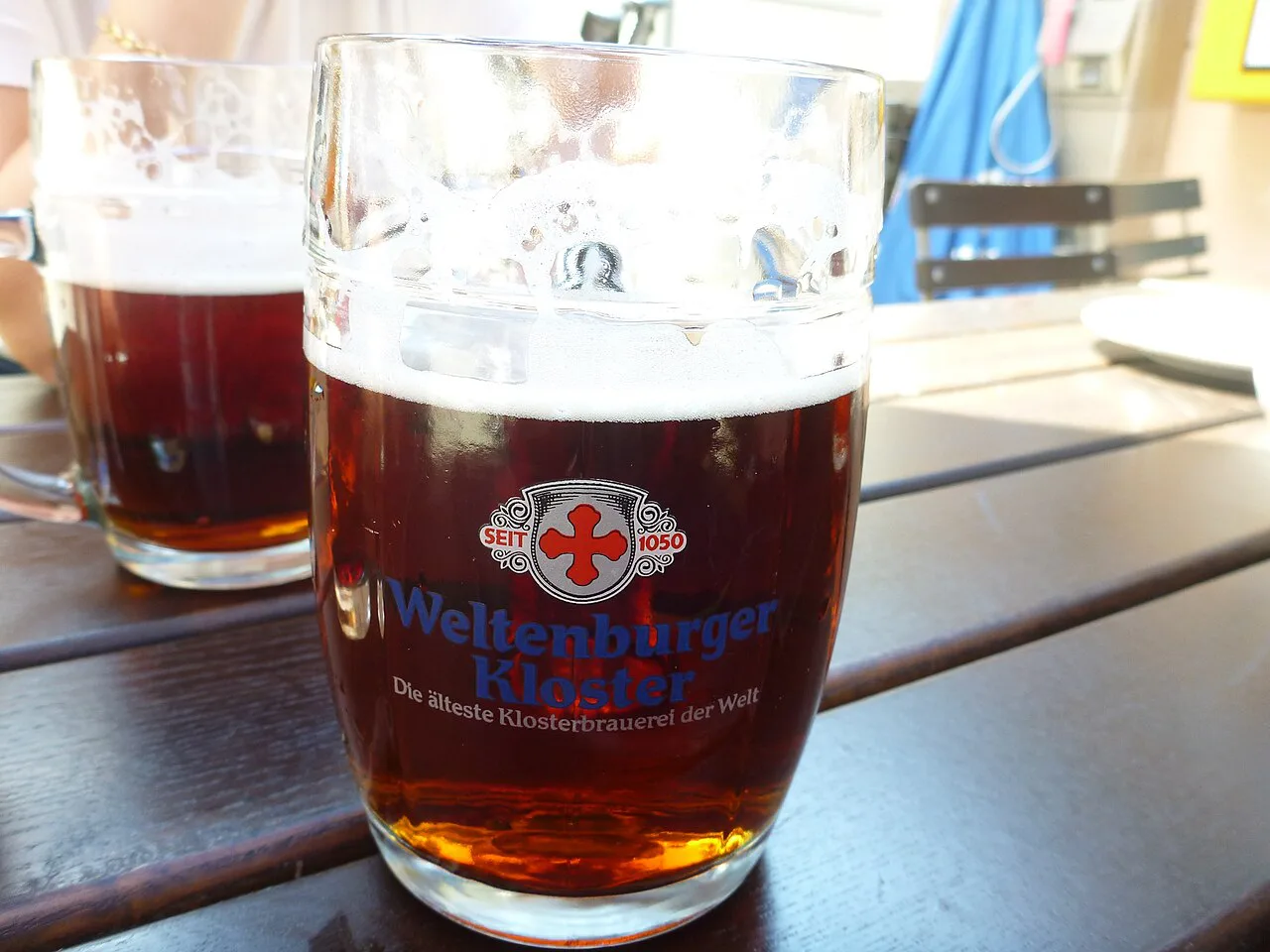
Kloster Andechs, under an hour from Munich, is the model for the monastery brewery visit: Benedictine monks founded the brewery, visitors can take guided tours, join beer tastings and see the church on site, and the complex even offers overnight accommodations. This is a full afternoon rather than a quick stop, since the church tour and the beer tasting are separate activities. The beer here is brewed by a religious community rather than a marketing department, and that setting is the reason to make the trip.
Do I need to speak German to visit a German brewery? Not for a taproom or beer hall visit, where pointing at a beer list and using a few words works fine. Tours are more mixed: Beck's and Radeberger both offer English options, while Jever's tour runs in German only.
What is the difference between a Biergarten and a Brauhaus? A Biergarten is an outdoor beer garden where you sit at long tables under trees and order beer and food, often from a self-service counter. A Brauhaus is a brewpub, meaning the beer is brewed in the same building where you drink it, usually with a fuller restaurant menu.
Are children allowed on German brewery tours? Policies vary by brewery, and many set a minimum age tied to the legal drinking age for beer, which is 16 in Germany. Check the individual brewery's policy before booking a family visit, and note that some tours also require closed-toe shoes because you walk along the production line.
Monastery brewing is not only a southern tourist attraction. Klosterbrauerei Mallersdorf is cited as a rare place where the monastery brewing tradition is still actively practiced, which makes it a different proposition from a heritage brand trading on an old name. If your interest is in how monastic brewing actually works, these are the places where the process and the setting are still joined. For the deep history of the practice, the oldest brewery in the world is a useful benchmark for how far back this tradition runs.
Franconia, the region around Bamberg and Nuremberg, is where small breweries are densest and where monastery and village operations blur into one another. The region's brewing culture rewards a slow circuit by train or car rather than a single destination.
Big-name German breweries with visitor centers or tours
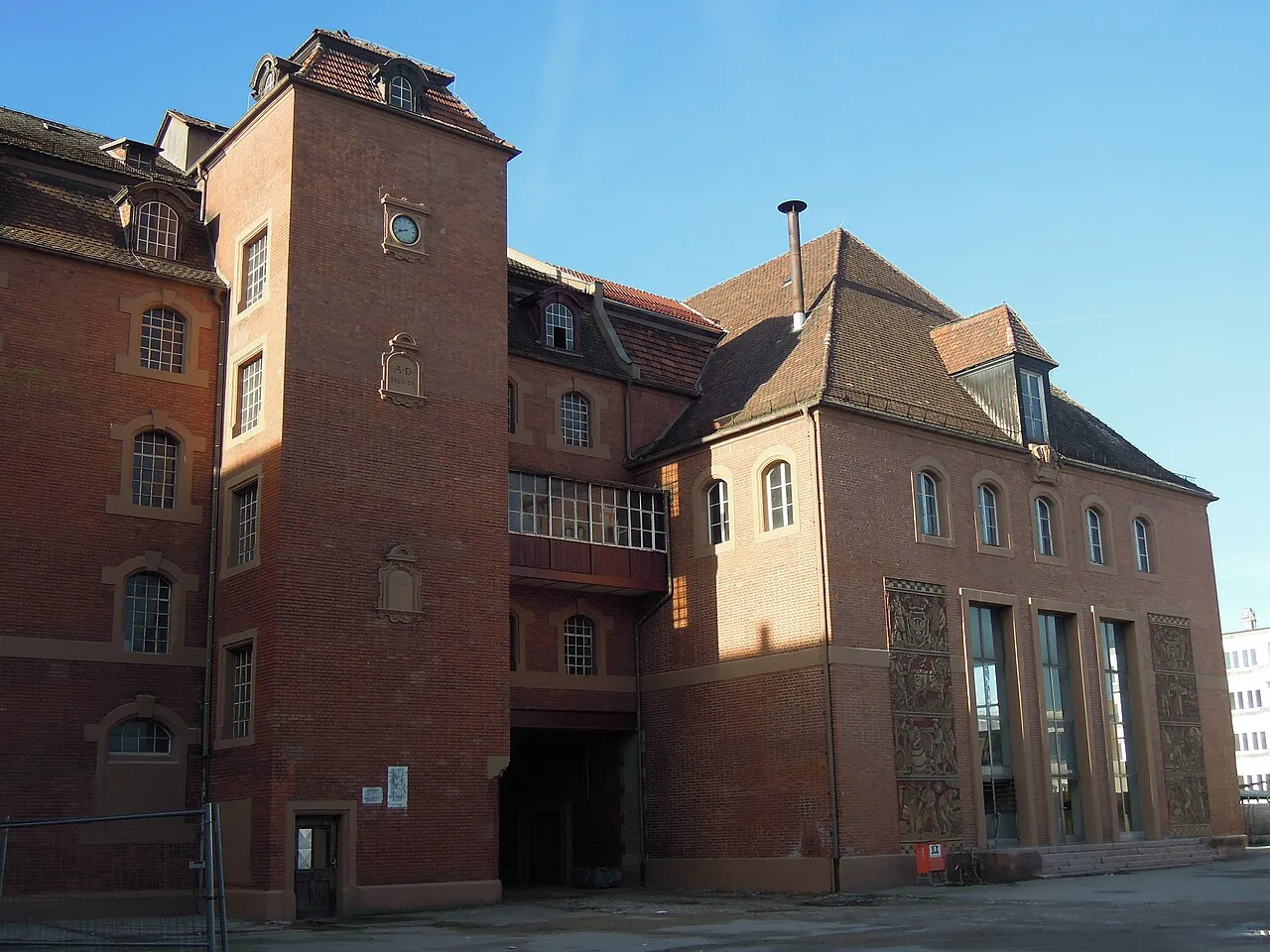
Beck's in Bremen runs a dedicated visitors center for its brewery, with tours that include a tasting and are offered in German or in English. Radeberger, in Radeberg just outside Dresden, offers a two-hour tour in German or, on request, English, plus a beer seminar and a special Advent version around the winter holidays.
Jever, on the North Sea coast in Lower Saxony and founded in 1848, runs a German-language-only tour where you can watch the line fill around 60,000 bottles an hour; Krombacher in west-central Germany offers guided brewery tours. Warsteiner Welt, east of Dortmund, is a dedicated visitor site with guided tours. These are heritage brands with polished visitor infrastructure, not craft curiosities, and the trade-off is that you get a clean, well-organized look at large-scale brewing rather than a conversation with a brewer.
Erdinger, in Erding, is widely billed as the world's largest wheat beer brewery and traces its beginnings to 1886, so a Weißbier focus makes it a different visit from a pilsner plant. If you want the widest spread of the big Bavarian names in one place, they cluster around Munich rather than in the north.
Breweries by region: Bavaria, the Rhineland, Saxony and the north
Bavaria is the center of gravity, and Munich's major houses are the ones most travelers arrive already knowing: Spaten, Löwenbräu, Paulaner and Franziskaner all brew within the city's orbit. Order a Weißbier and notice the fruitier, yeast-forward character that the style's fermentation produces. Use the city as a base and pick your brewery by the style you want to drink rather than by fame alone.
The Rhineland drinks top-fermented beer, and Düsseldorf's Altbier is the anchor. Diebels is a large Altbier name, and Frankenheim is another house associated with Düsseldorf, so the city is the place to understand the style. In Cologne the beer is Kölsch, served in small, thin 0.2-liter glasses called Stangen, which is a different drinking rhythm entirely.
Saxony pairs old and new: Radeberger is the historic brand with a tour, and Dresden has become a center for newer brewing, with Lohrmanns Brew cited as part of a wave of hop-forward experimental beer and Hausbrauerei Laubegast as a cozier neighborhood operation. Köstritzer, in Bad Köstritz in Thuringia, has brewed Schwarzbier since 1543, making it one of Germany's oldest black beer producers. In the west, Bitburger in Rhineland-Palatinate is one of the country's dominant brands, while Wernesgrüner, founded in 1436 in Saxony, is a bitter pilsner that once traveled far beyond its region.
The German beer styles to order at breweries
Pils is the default order across most of the country: pale gold, crisp, with a clean malt base and a mild hop bitterness. Bitburger's Premium Pils is the reference point, brewed from barley malt with subtle bottom-fermenting yeast notes, and Wernesgrüner's pilsner is a deliberately bitter specialty that earned a 92-point gold rating from the Beverage Tasting Institute. If you order one beer and want to know what German brewing is about, start here.
Helles is the softer, rounder Munich lager, the beer to order when pils feels too sharp. Weißbier is wheat beer, cloudy and yeast-driven, best tried at Erdinger, where it is the house specialty. Schwarzbier is black lager, dark from roasted malt but lighter-bodied than its color suggests, and Köstritzer is the classic example. Order it with pretzels and you have a traditional snack pairing.
Kölsch and Altbier are the two top-fermented city beers, both served in small glasses so they stay cold. In Cologne the server is called a Köbes, known for dry wit and efficient, sometimes brusque, service that is part of the experience rather than a complaint. Altbier is darker, maltier and copper-colored, the Düsseldorf counterpart. Beer gardens belong to the same tradition: a Biergarten in Germany is a place to sit under trees with a Maß and a plate of food rather than a quick pint.
Brewery taps and beer halls in the cities: what to expect from service, coasters and tipping
At most traditional brewery taps your coaster is your tab. The server marks a tally on it every time a fresh beer arrives, so keep it on the table and do not lose it, since it is what you settle against at the end. This system explains why a server may bring you another beer without being asked: in a busy Brauhaus the next glass often arrives before you finish the current one, and you can decline by covering the glass.
Tipping follows local habit: service is often already included in the price, and rounding up is the usual gesture rather than a percentage calculation. Paying in cash is common in smaller brewery taps, so carry euros even if you plan to pay by card elsewhere.
Family and small regional breweries worth seeking out
The family brewery is the quiet backbone of German beer, and the smaller operations reward the effort of getting to them. Hochdorfer Kronenbrauerei is a family-run regional brewery with close ties to its community and a lineup of lagers, and Klosterbrauerei Mallersdorf keeps monastic brewing alive on a small scale. Warsteiner Welt, east of Dortmund, is a visitor site with guided tours, and the brewery runs a small hotel next door.
Small houses usually serve their own beer and a short menu of hearty food: schnitzel, roast pork, cheese noodles. That kind of plate, more than the beer alone, tells you whether a place is cooking properly.
How to plan a brewery stop into a day of eating and drinking in Germany
Build the day around one brewery rather than three. A tour, a tasting and a meal take three to four hours, and adding a second site usually means rushing the first. Book tours in advance where the brewery offers them, and check whether the tour runs in English, since several operate in German only.
Anchor the brewery to a meal rather than to sightseeing. Arrive hungry, order the house beer with a plate of local food, and drink water alongside. If you are traveling with anyone under 16, confirm the venue's policy first, because many tours set a minimum age tied to the legal drinking age.
For the historical frame, the Bavarian State Brewery Weihenstephan is the natural point of comparison, and tracing The Oldest Brewery in the World helps you read the claims on every other brewery's sign.
Which German brewery should you visit first?
Pick by the kind of day you want: Andechs for a monastery afternoon with a church and a tasting, Beck's or Radeberger for a guided look at large-scale brewing in a language you understand, and a Düsseldorf or Cologne brewpub for the taproom experience with Altbier or Kölsch in front of you. If you have only one brewery day, choose the one nearest your base and pair it with a proper meal rather than a second site. Check tour days and times on each brewery's own website before you go.
Explore more Germany guides
Frequently Asked Questions
Do I need to speak German to visit a German brewery?
Not for a taproom or beer hall visit, where pointing at a beer list and using a few words works fine. Tours are more mixed: Beck's and Radeberger both offer English options, while Jever's tour runs in German only. Confirm the language when you book so you are not standing through an explanation you cannot follow.
What is the difference between a Biergarten and a Brauhaus?
A Biergarten is an outdoor beer garden where you sit at long tables under trees and order beer and food, often from a self-service counter. A Brauhaus is a brewpub, meaning the beer is brewed in the same building where you drink it, usually with a fuller restaurant menu. Both are places to eat and drink.
Are children allowed on German brewery tours?
Policies vary by brewery, and many set a minimum age tied to the legal drinking age for beer, which is 16 in Germany. Check the individual brewery's policy before booking a family visit, and note that some tours also require closed-toe shoes because you walk along the production line.
Sources
Notes for your next German food trip
Optional updates to our guides.
You might also like



Continue reading
More guides you'll find useful