
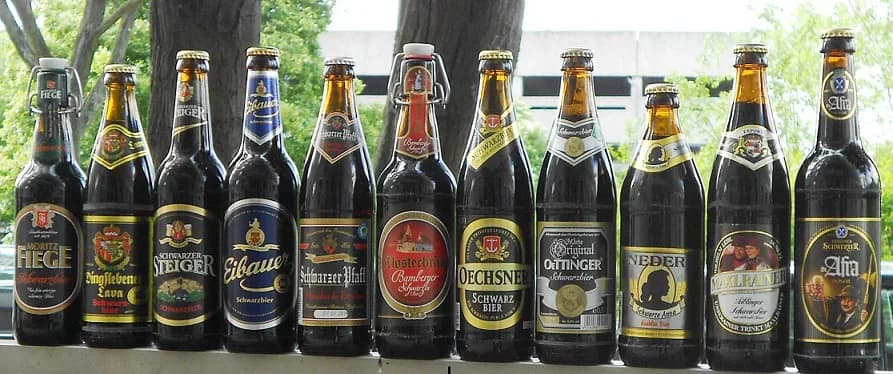
Schwarzbier: What Germany's Dark Lager Tastes Like
Schwarzbier is a German dark lager: roasty but light-bodied, dry, and easy to drink. Learn what it tastes like, how it differs from stout, and how to order.
On this page
Schwarzbier is a German dark lager, and the surprise for most first-time drinkers is how light it feels. The color comes from a small share of roasted malt, but the body stays lean, the finish is dry, and the roast reads as a soft coffee-and-cocoa note rather than a heavy, sweet wall of flavor.
This guide covers what the style tastes like, why a nearly black beer can drink like a crisp lager, how it differs from stout and dunkel, typical strength, and what to say when you order one.
What Schwarzbier Is: A Dark Lager, Not a Heavy Beer
The name translates literally as black beer, but the style is a bottom-fermented lager brewed cool and lagered for a clean result. Its color runs from medium to very dark brown, often with deep ruby or garnet highlights, and almost never true black.
That matters when you are choosing off a menu, because Schwarzbier sits closer to a Pils in refreshment than to a porter in weight. If you want a pale counterpoint to see how clean a German lager can taste, read about Helles: The Pale Munich Lager Germans Drink by the Liter, the sunny Munich style that is Schwarzbier's opposite in color.
For a wider map of the lagers and ales you will meet on the same trip, from pale Munich styles to sour wheat beers, keep the German beer guide on hand. Brewers note that Schwarzbier almost faced extinction as recently as 1989, when it was little known outside its German home region, before classic styles came back into fashion.
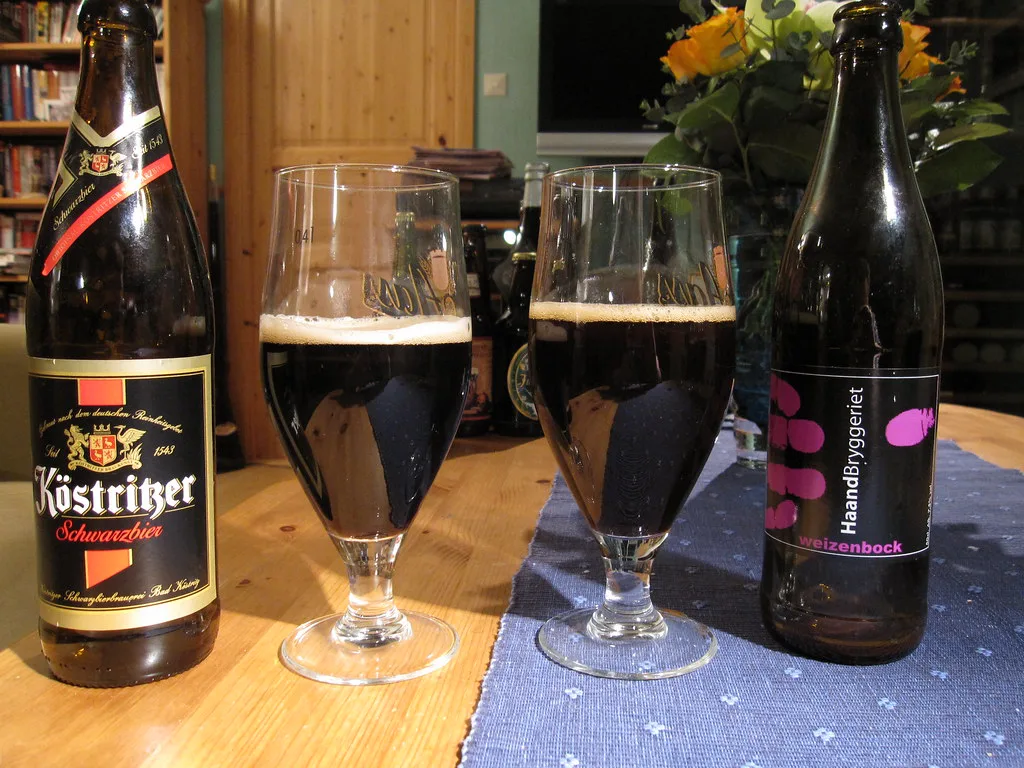
What Schwarzbier Tastes Like: Light Roast, Dry Finish, No Burnt Bitterness
Expect a light roast on the nose, in the coffee and chocolate family, balanced by a moderate hop bitterness that keeps the malt in check. The body should be lighter than the color suggests, with some dryness and high carbonation, and the finish should be clean rather than cloying. What you should not find is a harsh, burnt, ashy edge.
How do you pronounce Schwarzbier? Say SHVARTS-beer. The sch at the front sounds like English sh, the z like a soft ts, and the final r is gentle.
Is Schwarzbier the same as black beer? The name means black beer, but the style is rarely truly black. Brewers aim for medium to very dark brown with ruby or garnet glints when light passes through, and the body stays light and dry rather than thick.
Is Schwarzbier served warm or cold? It is a lager, so it is served cold, though not ice cold. In a German beer hall or beer garden expect a properly chilled glass that warms as you drink, which lets the light roast aromas come forward after the first few sips.
Brewers get that smoothness by choosing de-bittered roasted malts, often a Carafa type, and using them sparingly on top of a base of Pilsner malt with perhaps some Vienna malt for a little breadiness. Noble hops go in mainly to balance the malt rather than to lead.
Think of it as the beer version of iced coffee: dark in the glass, refreshing in the mouth. That comparison is one brewers use themselves when explaining the style to drinkers who equate dark with heavy.
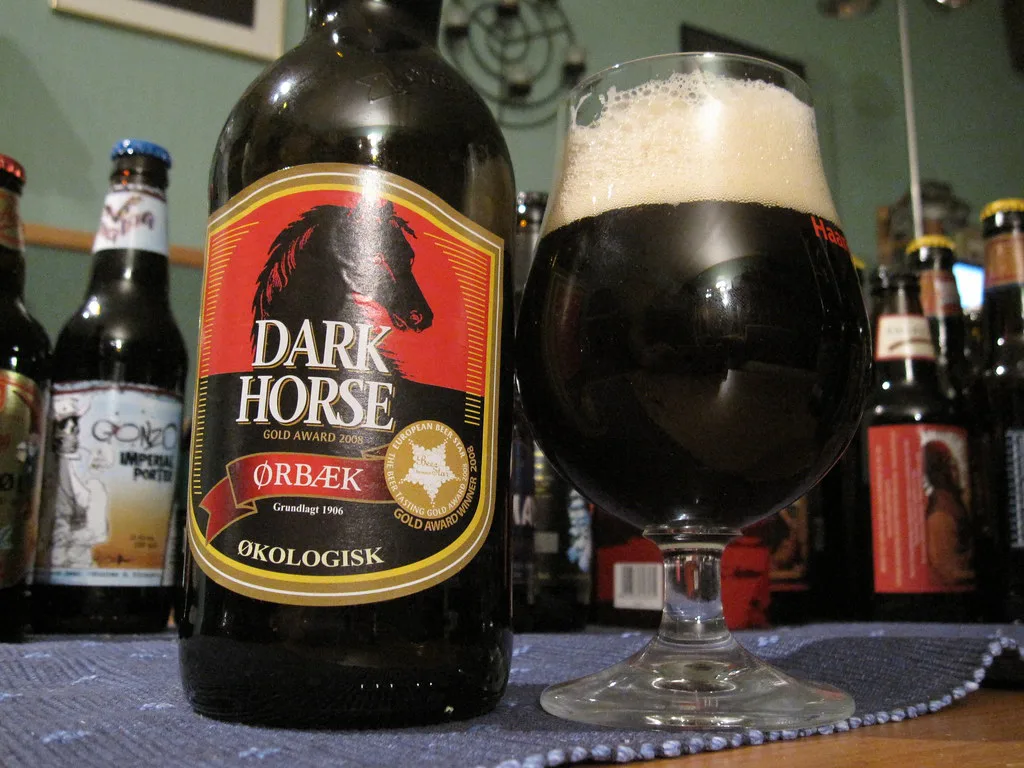
Why It Looks Almost Black but Drinks Like a Lager
Color in beer comes from how the malt is kilned, not from how much body ends up in the glass. A small percentage of heavily roasted grain can push a beer to deep brown or ruby without adding the thick mouthfeel you get from a grist built for a stout.
The lager yeast and cool fermentation reinforce the effect, producing a dry, clean beer with a snappy carbonation level. That is why the style works in warm weather as well as cold, and why brewers describe late summer through winter as its best stretch.
Schwarzbier vs Stout: Same Color, Different Beer
A stout and a Schwarzbier can look like siblings in the glass and taste like strangers. Stout is an ale, fermented warm, typically fuller in body with more assertive roast, while Schwarzbier is a lager with neutral fermentation character and roast as a whisper rather than the main event.
The same distinction separates Schwarzbier from dunkel, the Bavarian dark lager. Dunkel leans on Munich malt for a soft, malty sweetness with less roast, while Schwarzbier is drier and more focused on that light roasted note. Say the name clearly when you order, and if the menu lists both, ask which is drier.
How Strong Schwarzbier Usually Is
Schwarzbier is a moderate-strength beer, built for a second glass rather than a sipping session. The style guideline range runs from roughly 4.4% to 5.4% ABV, and one American brewery's version is listed at 4.8%, comfortably in the middle.
Treat any single number as one brewery's choice, not a rule, and check the alcohol figure printed next to the beer name on a German menu. Knowing the number helps when you are planning a meal around one or two beers, since the difference between a 4.5% and a 6% pour adds up over an evening.
Where to Find It in Germany: Breweries, Beer Halls, and Beer Gardens
Schwarzbier shows up across Germany rather than in one stronghold: on tap and in bottles at brewery taps, in beer halls with long lists of German lagers, and in beer gardens alongside the pale lagers. Some towns have a local version that never leaves the region, so scan the menu wherever you stop rather than hunting for one national brand.
In a beer garden, Schwarzbier is an easy companion to cold plates and grilled fare because it is dry enough not to fight with food. Other German styles on the same board, such as a Pilsner or a bock beer, tell you a lot about how a house approaches brewing, so read the whole list before committing.
How to Order a Schwarzbier and What to Expect in the Glass
Say the name as SHVARTS-beer, with a hard initial sound and a clear final syllable, and you will be understood. In a beer hall you can simply order ein Schwarzbier, or point to it on the menu. If you want the house version rather than a national brand, ask for das Schwarzbier vom Fass, meaning on tap.
What arrives is a dark brown to ruby beer in a tall glass or a stein, with a moderate head. Sip before you judge: the first impression is color, the second is how light it feels. If you expected a stout, the lack of weight can read as thin at first.
In busy beer halls the server often brings a fresh glass before you ask, so keep track of what you have had and wave off the next round when you are done. If you are curious how a pale wheat beer compares in texture and how to order it, this guide to Hefeweizen Explained covers the other great German session beer.
What to Eat with a Schwarzbier
The dry finish is what makes Schwarzbier flexible at the table. It handles roasted meat, sausages, and mushroom dishes without the sweetness a heavier dark beer would add, and the light roast notes pick up anything with a browned crust. In Bavaria and Franconia that means pork roast, grilled sausages, or a plate of cold cuts and cheese.
It is also a good match for the bread-and-cold-plate side of German eating, where a lighter, drier beer keeps the meal from feeling heavy. The German beer purity law comes up on brewery tours and menus as background to how German brewers talk about ingredients, and this explainer on the German beer purity law covers what it actually says.
At home, a Schwarzbier works with roast chicken, pretzels, sharp cheese, and anything off a grill. That is the practical test of the style: if you can drink it with a plate of sausages and then reach for another, the brewer got the balance right.
Which German Lager Should You Order First?
If you want the most interesting dark beer on a German menu, order the Schwarzbier first: it is roasty, dry, and lighter than its color promises, and it tells you more about a brewery than a standard pale lager does. Follow it with a Helles if you want a clean contrast, or a dunkel if you want to see what more malt sweetness does to the same dark color.
Order it on tap where you can, eat something roasted or grilled alongside, and judge it on how easily the second glass goes down. That is the standard the style is built to meet.
Explore more Germany guides
Frequently Asked Questions
How do you pronounce Schwarzbier?
Say SHVARTS-beer. The sch at the front sounds like English sh, the z like a soft ts, and the final r is gentle. German speakers will understand you whether you say it quickly or carefully, and pointing at the menu is always acceptable.
Is Schwarzbier the same as black beer?
The name means black beer, but the style is rarely truly black. Brewers aim for medium to very dark brown with ruby or garnet glints when light passes through, and the body stays light and dry rather than thick.
Is Schwarzbier served warm or cold?
It is a lager, so it is served cold, though not ice cold. In a German beer hall or beer garden expect a properly chilled glass that warms as you drink, which lets the light roast aromas come forward after the first few sips.
Sources
Notes for your next German food trip
Optional updates to our guides.
You might also like



Continue reading
More guides you'll find useful



