German Bread: Types, Bakeries and How to Order
German bread means rye, sourdough, pumpernickel and pretzels. Learn the main types, what Abendbrot is and how to order at a bakery counter.
On this page
German bread is built on rye, sourdough and long baking, and the variety is the point: the Central Association of the German Bakery Trade estimates around 3,200 different types. A visitor standing at a bakery counter faces dense dark loaves, lighter wheat and mixed breads, seeded rolls and pretzels, often without English labels. This guide sorts those by grain and shape, explains the meal rituals around them and covers the practical choices at the counter.
German bread culture was added to Germany's nationwide inventory of intangible cultural heritage in 2014, which is why bakeries here treat bread as craft rather than background. That craft shows up in crust, crumb and keeping quality more than in anything fancy. Knowing four names, rye, sourdough, pumpernickel and Brötchen, gets you most of the way through any counter in the country.
What German bread is and why it is different
The defining trait is grain choice: rye and spelt share the shelf with wheat, and many loaves mix two or three grains. German breads also lean on sourdough and long, slow bakes, which build a thicker crust and a denser, more flavorful crumb than soft sandwich bread. None of this is a gimmick; it is the everyday standard, and it is why a plain loaf keeps well and tastes of something on its own.
Bread anchors the day rather than sitting at the edge of the plate. Breakfast is bread with cold cuts and cheese, the mid-morning break is a packed Pausenbrot (break bread), and the evening meal, Abendbrot (bread of the evening), is often open-faced sandwiches. The scale backs this up: the Central Association of the German Bakery Trade puts average household consumption at roughly 56 kilograms of bread and bakery products a year.
The trade is still substantial: at the end of 2022 Germany had around 9,600 master bakeries running some 35,000 shops, according to the same industry figures. For a traveler that means a good bakery is rarely far, whether you are in a city center or a small town.
Rye, wheat and mixed loaves: the main types you will see
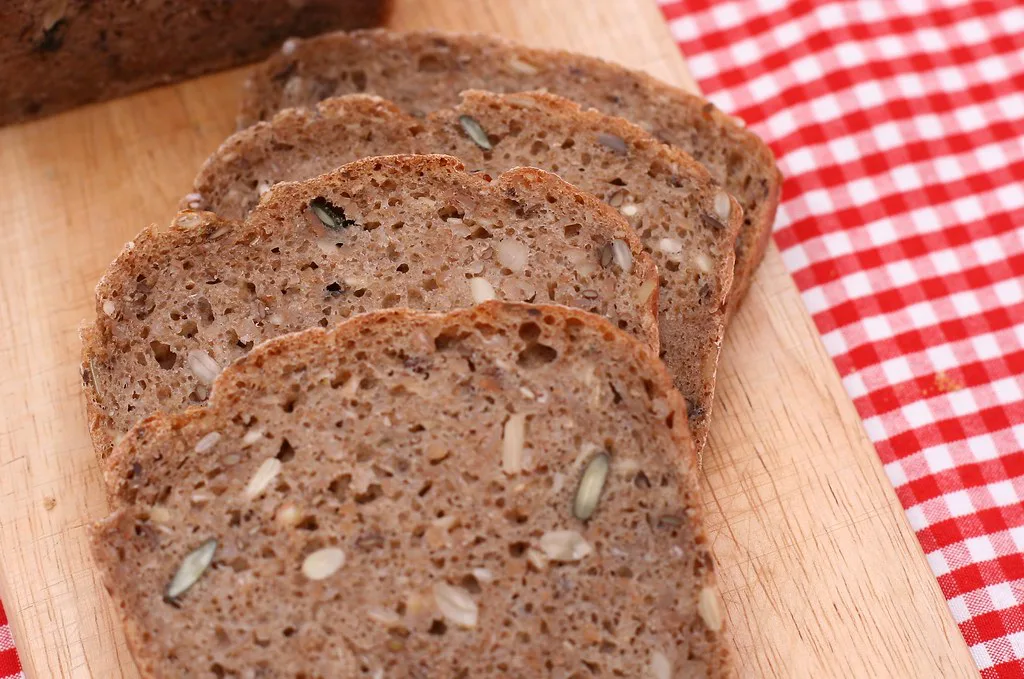
Rye gives the classic dark, closed-textured loaf with a tang from sourdough; wheat makes a lighter, softer bread, and mixed loaves sit in between. Popular everyday styles include toasting bread, wheat-rye blends, seeded and grain loaves, and whole-grain breads, according to the bakery trade association's breakdown.
What is bread called in Germany? Bread is Brot, and a small roll is a Brötchen; a whole-grain bread is Vollkornbrot and a wheat-rye loaf is Mischbrot. At the counter, the shape or number on the label matters more than the name.
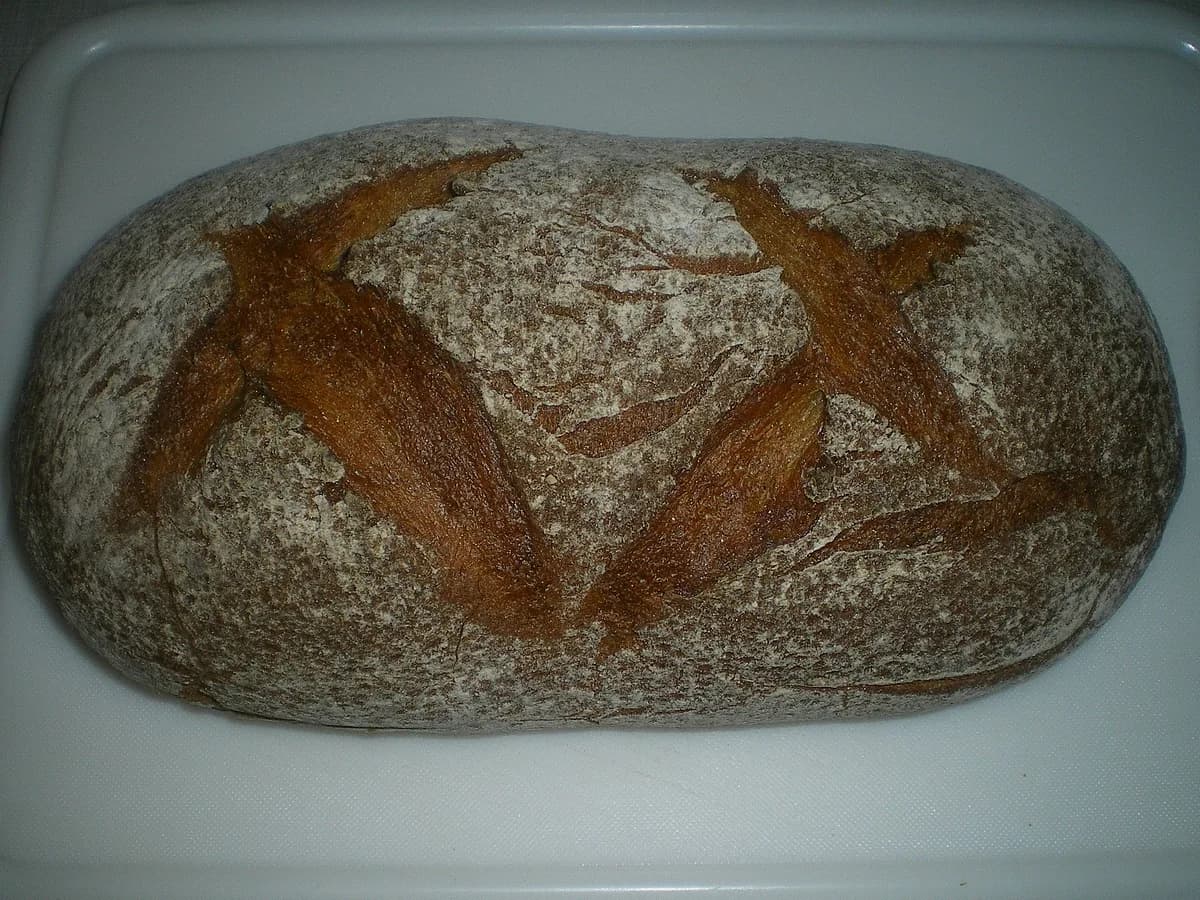
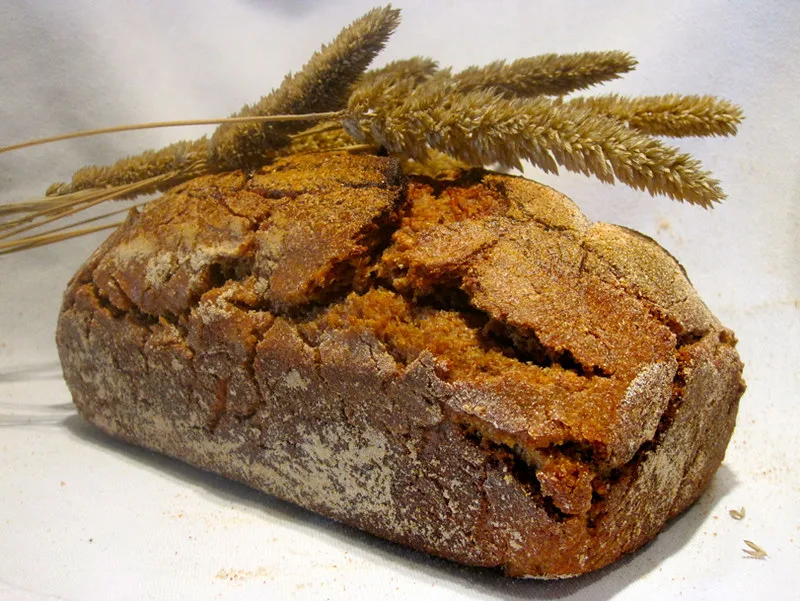
What does rye bread look like? A German rye loaf is usually round or oval with a cracked, flour-dusted crust and a darker, dense interior. It is sliced thick rather than thin, and a whole loaf feels noticeably heavy.
What is Dinkelbrot? Dinkelbrot is spelt bread, made from a grain with a nuttier flavor than ordinary wheat. It is lighter than rye and a good entry point if full rye feels too dense.
Read a label or ask by grain first, then by shape. A German rye bread is usually a whole round or oval loaf with a flour-dusted, cracked crust, sliced thick and eaten with butter or topped with cheese and cold cuts. If the tang feels strong on its first bite, that is the sourdough working as intended, and it softens once you butter the slice.
Dinkelbrot is simply spelt bread, a grain with a nuttier, slightly sweeter profile than wheat and a lighter feel than rye. It suits anyone who finds full rye too heavy for breakfast. Whole-grain and seed loaves are the other common ask, and a bakery will usually point you to the seeded version of whatever you choose.
Pumpernickel: the dark Westphalian bread
Pumpernickel is a very dark, dense whole-grain rye bread from Westphalia, baked long and slow until it turns almost black and tastes faintly sweet and malty. It is sliced thin like a cold cut and eaten with butter, cheese or a little sausage rather than built into a thick sandwich. Its keeping quality is part of the appeal, so a vacuum-packed block travels well.
The most repeated story behind the name involves Napoleon's soldiers calling the bread bon pour Nickel, supposedly good for the emperor's horse. That tale has been debunked, though it circulates widely and is worth knowing so you recognize it when a label or guide mentions it. The bread itself is one of Germany's oldest varieties, which is the more solid point of interest.
Pumpernickel is often sold in packaged slices near the front of German Bakeries, so you do not need to commit to a whole loaf. Buy a small block first; the texture surprises people who expect ordinary dark rye.
Pretzels and rolls: the everyday small baked goods
The everyday bakery item is the Brötchen, a small roll in wheat, rye or mixed dough, sometimes plain and sometimes scattered with seeds. A belegte Brötchen is a made-up roll with butter and cheese, ham or smoked salmon, sold all morning and the most practical breakfast for someone on the move. At a busy counter you point, say how many, and pay; there is nothing to negotiate.
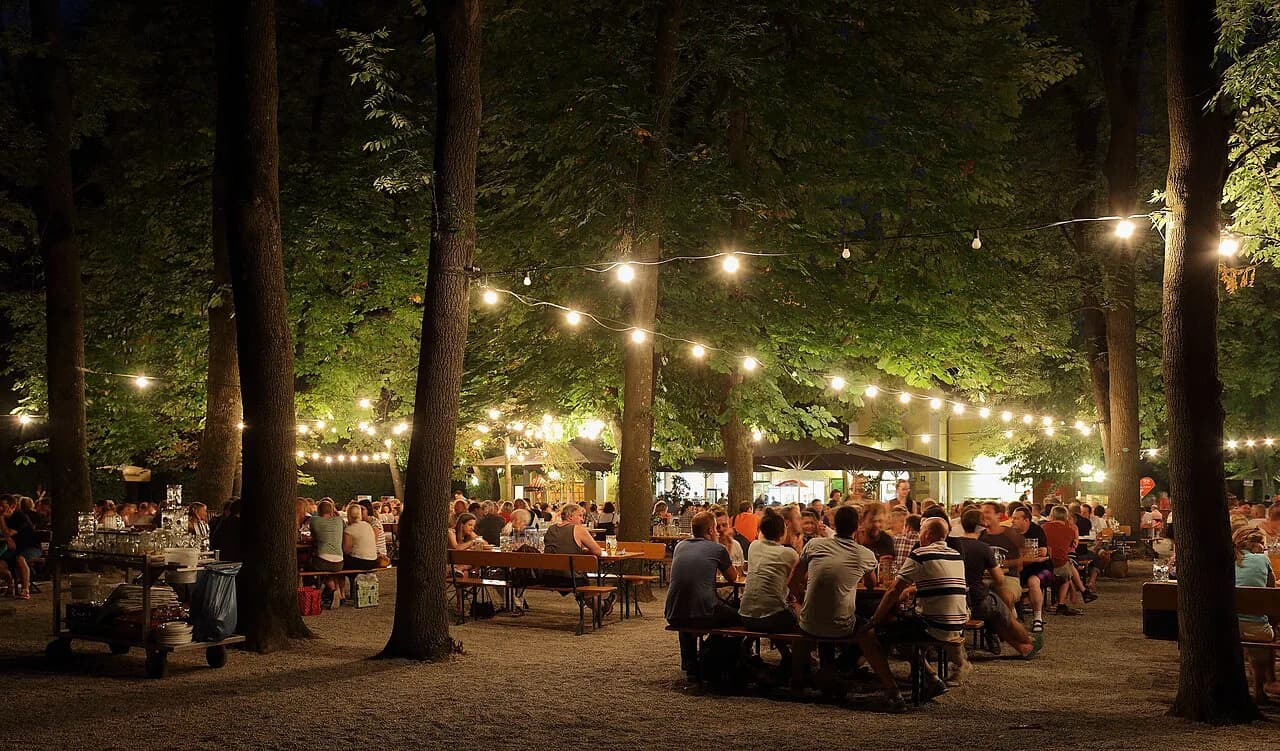
The Bavarian Pretzel, a knot of dough dipped in lye and baked with coarse salt, is the other everyday staple, and it belongs to the same counter. In Munich and the south it turns up with breakfast, with a morning beer and at a Biergarten, where a fresh pretzel and a half-liter go together. Outside Bavaria, quality varies, so buy where they look freshly baked rather than boxed.
If you want one bread experience with beer, order a pretzel with a pale lager in a beer garden; the salt crust and the malt work together and it is a light, easy pairing. The German beer guide explains which styles to look for if the menu is unfamiliar.
What to buy at a German bakery counter
Counters are organized by weight and by form: whole loaves, half loaves and presliced bread sit apart from rolls and pastries. You can ask for a half or say how thick you want the slices; many bakeries cut to order, and vacuum-packed pumpernickel is the exception. For a short trip, buy small and often instead of a whole rye loaf, which is heavy and generous for one person.
Point rather than pronounce when a name gets stuck. Loaves are usually flour-dusted and sometimes labeled by number, so it is entirely normal to hold up a number of fingers. Pay at the register after the counter, and check whether the shop takes cards before you queue, since small bakeries vary.
Judge by turnover: a bakery with a steady morning queue is moving fresh bread. A loaf should feel solid and smell of crust, not of plastic. If the shelf looks dusty or the rolls are wrapped in film, walk on.
Breakfast, Pausenbrot and Abendbrot: bread at every meal
Breakfast in Germany is bread, butter, jam, cold cuts and cheese, with coffee and sometimes a boiled egg. It is not a cooked plate, so if you want a full breakfast, take it as an evening habit instead. The bread is the meal: a good rye or a seeded roll with ham will hold you until lunch.
Abendbrot is a light evening meal of bread, cheese, sausage and pickles, eaten at home rather than ordered out. Restaurants and beer halls serve house-baked bread with butter and cold cuts, which is the version to try when you are traveling. In Bavaria, the same idea becomes a Brotzeit, a cold bread snack with cheese and radish, best with a beer.
For a picnic, buy the German rye bread, a piece of mountain cheese and a pretzel; it costs little and travels well. The Bavarian rye bread in the Brotzeit guide is denser than most supermarket loaves, so it stays intact in a bag.
Sourdough and long baking: what gives German bread its flavor
Sourdough is a living culture of flour and water that ferments and raises the dough; in rye it is close to essential, because rye lacks the gluten strength of wheat. The fermentation is what creates the tang, and a long bake deepens the crust. A Rye sourdough starter kept alive by the baker is why two rye loaves can taste completely different.
Bakers also lean on whole grains, seeds and soaked grains to add texture and nutrition, which is why German breads feel substantial rather than airy. Crust color tells you a lot: a deep brown, almost mahogany surface usually means a long bake and good keeping quality. Pale, soft loaves are more likely the fresh-sandwich kind.
If you bake at home, start with a mixed rye-wheat recipe, since pure rye needs more care. A bread made with cracked rye will be heavier than one mixed with wheat.
Bread with beer or sausage: simple ways to eat it
The simplest German bread meal is bread, butter and something savory: smoked sausage, ham or a hard cheese. In a beer hall, bread usually comes as a basket with butter, and it is fair to say no if it arrives unrequested and you would rather not pay for it. A Biergarten in Germany is more comfortable with a pretzel and a half-liter than with a full meal, and standard portions are generous.
Regional beer styles change the pairing. A malty Alt or Kölsch from North Rhine-Westphalia works with a denser rye, while a crisp pilsner suits a ham roll. The German beer guide lists the styles by region if you want a shortlist before you sit down.
Buying bread to take home
Sliced breads and pumpernickel travel best: they are stable, compact and vacuum-packed, so they survive a suitcase and a flight. A whole rye loaf is dense and can go stale quickly, so it is the less practical choice for a traveler. Buy near the end of your trip, not the beginning.
Many bakeries sell sliced bread in sealed bags, and German food shops ship it, so you can order later if luggage space is tight. Pretzels and soft rolls are for eating in Germany, not packing.
Which German bread should you buy first?
If you buy one bread on your trip, make it a whole-grain rye: it is the loaf you cannot easily reproduce at home and the best introduction to what German bread does well. If you want something to carry home, pick a vacuum-packed pumpernickel or a presliced bread. For breakfast on the go, a belegte Brötchen and a pretzel will serve you better than any whole loaf.
Explore more Germany guides
Frequently Asked Questions
What is bread called in Germany?
Bread is Brot, and a small roll is a Brötchen; a whole-grain bread is Vollkornbrot and a wheat-rye loaf is Mischbrot. At the counter, the shape or number on the label matters more than the name.
What does rye bread look like?
A German rye loaf is usually round or oval with a cracked, flour-dusted crust and a darker, dense interior. It is sliced thick rather than thin, and a whole loaf feels noticeably heavy.
What is Dinkelbrot?
Dinkelbrot is spelt bread, made from a grain with a nuttier flavor than ordinary wheat. It is lighter than rye and a good entry point if full rye feels too dense.
Is German bread sourdough?
Many German breads are, especially rye, which relies on sourdough to rise and to develop its tang. Wheat and mixed loaves may use yeast or a combination.
Sources
Notes for your next German food trip
Optional updates to our guides.
You might also like
Continue reading
More guides you'll find useful