
Bavarian Beer: Styles, Breweries and What to Order
A plain guide to Bavarian beer styles, from Helles and Weißbier to Dunkel, Bock and Rauchbier, with the Munich breweries and breweries to know and what to order.
On this page
If you order one beer in Bavaria, make it a Helles: the pale, malty lager that is the region's default and the easiest introduction to its brewing. Bavarian beer is lager-led, and Helles is one of the most popular styles in Bavaria, which is why it appears on nearly every beer hall and beer garden list. This guide walks through the styles you will actually see, from Helles and Weißbier to Dunkel, Bock, Rauchbier and Märzen, then names the Munich breweries and the ones beyond the city, and explains the glass sizes and words you need to order.
What Bavarian beer is
Bavaria's beer culture is built on lagers, beers fermented cool and stored cold, and Helles is the style that defines it. Helles means "pale" or "bright," a reference to its golden, clear look after filtering, and it is the beer most locals reach for in a beer garden. Compared with a Czech pilsner, Helles is less crisp and leans toward sweet, malty notes with very low bitterness, which makes it easy to drink with a long lunch.
German beer covers far more than Bavaria, including sour wheat beers such as Berliner Weisse and the salted Gose, so the regional map matters when you order. Altbier, a top-fermented, lagered beer, belongs to Düsseldorf, not Munich, and knowing that helps you read a menu that mixes German styles. For a wider survey of breweries across the country, see the guides to German breweries.
Helles versus Pils and Export
Helles and Pils are both pale lagers, but the balance differs: Pils is crisper and more bitter, closer to the Czech original that inspired it. Bavarian breweries, including the traditional Munich ones, also brew Pils, and Augustiner's version is a strong example if you want a sharper, cleaner beer with food. Export, or Dortmunder, originally comes from Dortmund in North Rhine-Westphalia and sits between the two, a little fuller and maltier than Pils; Augustiner's Edelstoff is a Bavarian take on the Export style.
What is a typical Bavarian beer? Helles is the typical Bavarian beer: a pale, malty lager with low bitterness that appears on almost every beer list in the region. Weißbier is the other everyday order, a cloudy wheat beer with banana-and-clove notes.
What is the German beer mixed with lemonade called? It is called a Radler, and it is usually made with a pale lager such as Helles or Pils mixed with lemonade. Order it by name in a beer garden or beer hall when you want something lighter.
How much beer is in a Maß? A Maß is a one-liter glass, the standard large size in a Bavarian beer hall or beer garden. If that is too much, ask for a halbe, a half-liter, or a smaller glass.
If you like Helles but find it soft, move to Pils for a crisper edge; if you want more malt without going dark, try Export. Those three cover most of what a Bavarian beer list offers in the pale range, and they are the easiest styles to match with Schnitzel, roast pork or a plate of sausages. The wider family of Bavarian lagers also includes Dunkel, Märzen and the stronger Bock beers, which is why the style names on a menu are worth reading before you point.
Weißbier (Hefeweizen): the cloudy wheat beer
Weißbier, also called Hefeweizen, is a cloudy wheat beer with a character often described as banana and clove, coming from the yeast rather than any added fruit. It is served in a tall, curvy glass, and a traditional pour leaves a thick head and sometimes a swirl of yeast at the bottom. Order it when you want something aromatic and gently sweet instead of the clean malt of Helles, and expect a softer, rounder mouthfeel.
Weißbier works well with Weisswurst and other veal or pork dishes, and it is a common choice at breakfast in Munich beer halls, where the sausage and the wheat beer are served together. If you are eating lightly, a Radler or a smaller glass of Weißbier keeps the pace sensible. The style also comes in darker and stronger versions, which is where Weizenbock enters the picture.
Dunkel: the dark, malty lager
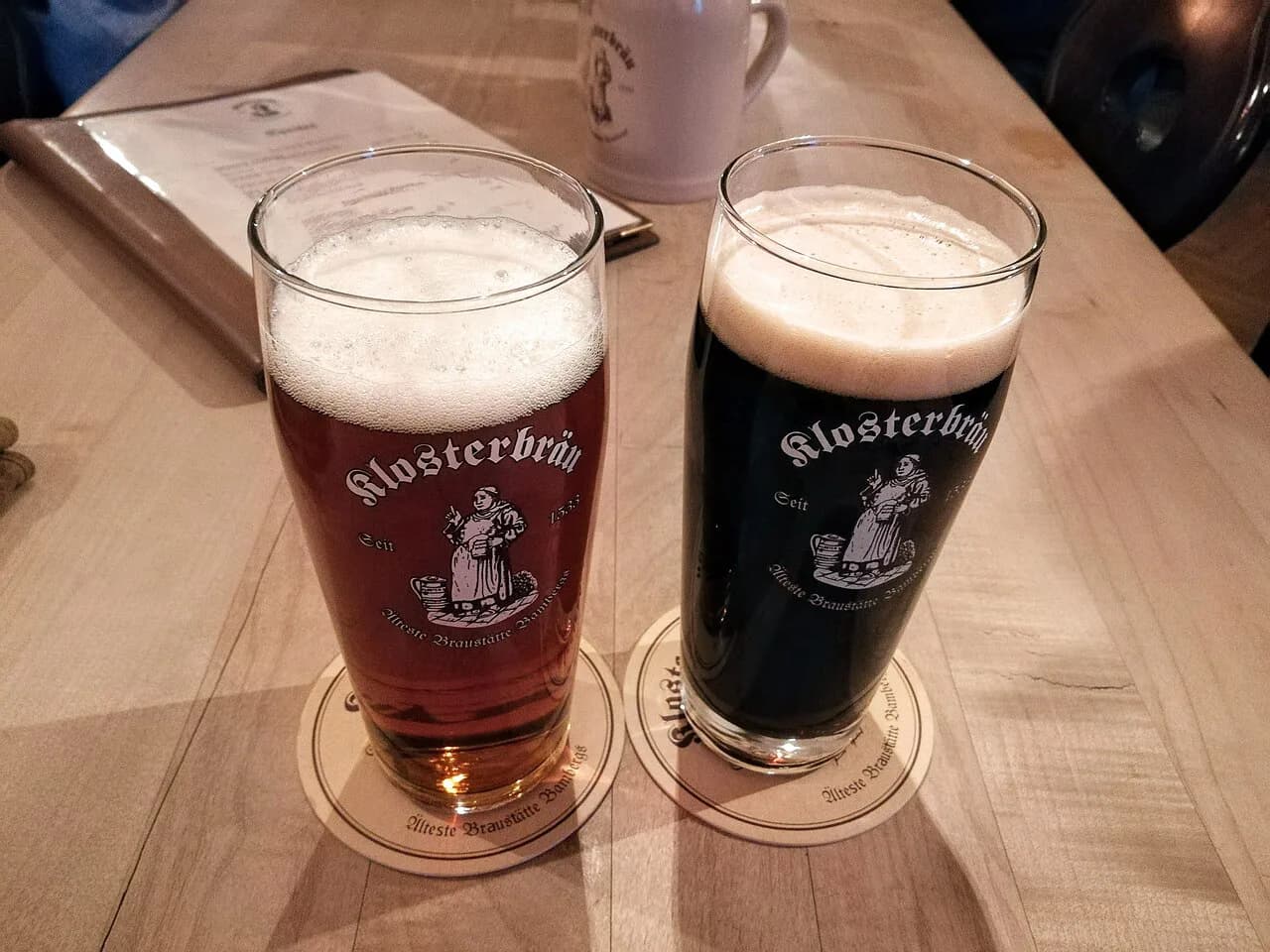
Dunkel is a dark lager with roasted malt that gives it a deeper color and a fuller, breadier flavor than Helles, without the bitterness of a stout. It was the older Bavarian style before Helles took over, so ordering Dunkel is a way to taste the region's brewing history in a glass. Choose it over Helles when you want more malt and a slightly richer body with roasted meat, mushroom dishes or a hearty Brotzeit.
Many Bavarian lists group Dunkel with Helles, Pils, Märzen and the Bock styles under lagers, so you can compare them side by side. Start with a small glass of Dunkel next to a Helles if you are unsure which you prefer, and let the darker beer's malt carry the meal. The difference is easy to taste, which makes a mixed order a practical way to learn the styles.
Bock, Doppelbock and the seasonal strong beers
Bock and Doppelbock are stronger, maltier lagers, and the names tell you where they sit: Doppelbock is the bigger, richer version of Bock. Maibock is a pale, strong beer associated with spring, and Weizenbock brings the wheat-beer character into a stronger format. These are beers to order in a smaller glass and sip, especially if you are also eating and drinking through an afternoon.
Bavarian lager styles also include Eisbock, a concentrated strong beer made by freezing and removing water from a Bock, which pushes the malt and strength further. On a beer list, treat Bock, Doppelbock, Maibock and Weizenbock as the slow end of the menu and pair them with something substantial rather than a light snack. If you are planning a long meal, one strong beer alongside a Helles is a sensible way to cover both.
Rauchbier: the smoked beer of Bamberg
Rauchbier is a smoked beer, and the smoke is the point: expect a distinct campfire or smoked-meat aroma before you taste the malt. It comes from Bamberg in Franconia, where the malt is dried over open smoke, and it is unlike anything else on a Bavarian beer list. Order it if you like smoked foods such as Schinken or smoked fish; if you do not, a half glass is enough to decide rather than committing to a full one.
Rauchbier sits within the wider beer culture of Franconia, where small breweries and village taverns have their own traditions. For more on that region's breweries and beers, the Franconia beer guide covers the ground beyond Bamberg. Drink it as a tasting beer, not as a session drink, and let the smoke stand up to strong flavors.
Märzen and Oktoberfest beer
Märzen is a malty amber-to-copper lager, and Oktoberfest beer is the festival version of that style: fuller, rounder and built for long tables. Both are easy to recognize on a menu, and they work well with roast chicken, pork and pretzels. Treat them as styles to try with a meal rather than as an event to plan around, and you can enjoy them in a Bavarian beer hall any time they are on the list.
If you like Helles but want more malt and a little color, Märzen is the natural next step, and it bridges the gap between pale lagers and Dunkel. The festival association makes it a familiar name, but the beer itself is a straightforward, malty lager that suits a hearty lunch. Ask for a tasting glass if you are comparing it with Helles or Dunkel.
Radler: beer mixed with lemonade
Radler is beer mixed with lemonade, the German answer to a shandy, and it is the standard low-alcohol order in a beer garden. You order it by name, and it is usually made with a pale lager such as Helles or Pils, which keeps it light and refreshing. It is a legitimate choice, not a compromise, especially in warm weather or when you have more of the day ahead of you.
A Radler pairs well with pretzels, sausage and a long afternoon, and it is a sensible pick if you want to keep drinking moderate. If you want even less alcohol, a smaller glass of Helles or a Radler with a meal is easy to order. The style is common enough that any beer hall or beer garden will understand the word.
The Munich breweries to know
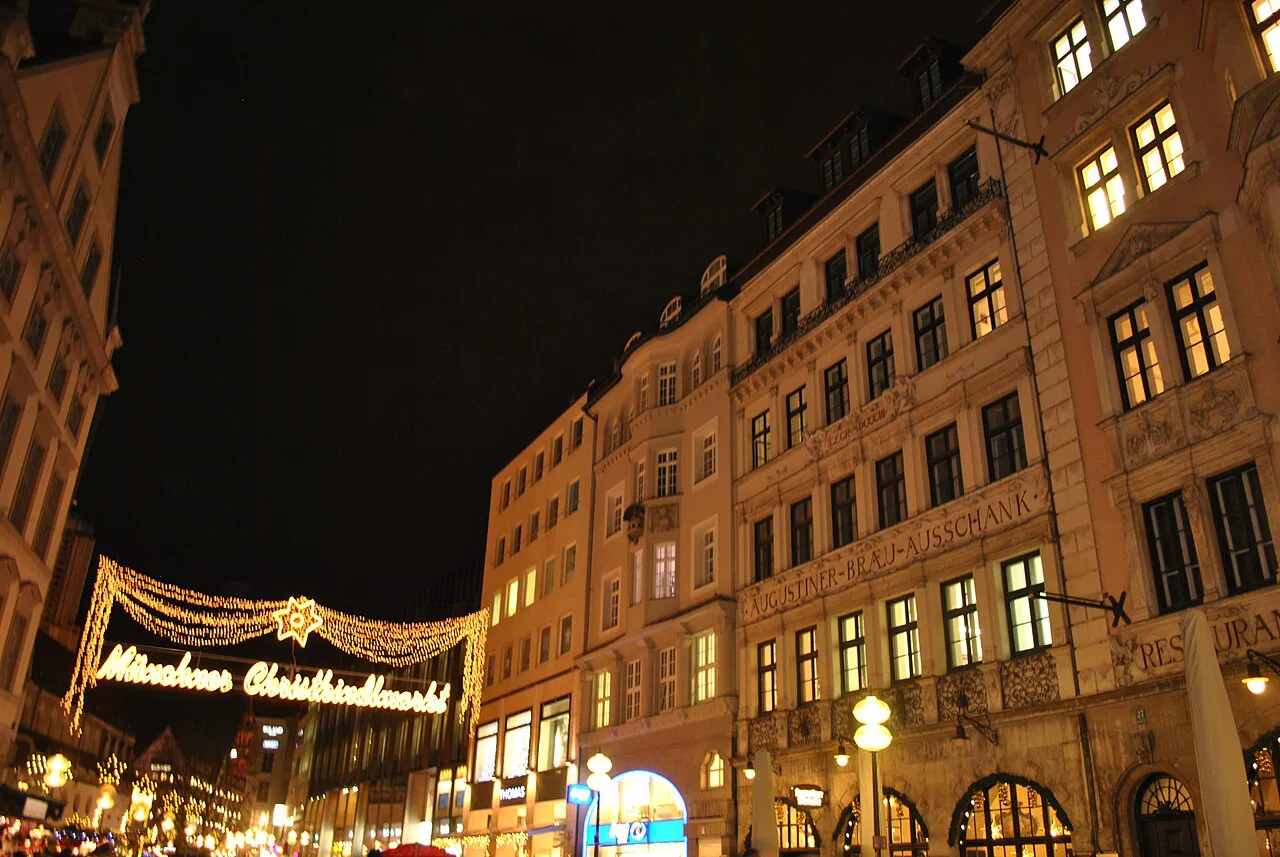
Munich has six historical breweries whose Helles appears in beer halls, beer gardens and restaurants across the city: Löwenbräu, Spaten, Hofbräu, Augustiner, Hacker-Pschorr and Paulaner. Each brews its own version of Helles, and Augustiner's is a fine example of the style, with a clean malt and low bitterness. Paulaner is another of the big six and a reliable order when you want a familiar Helles or Weißbier.
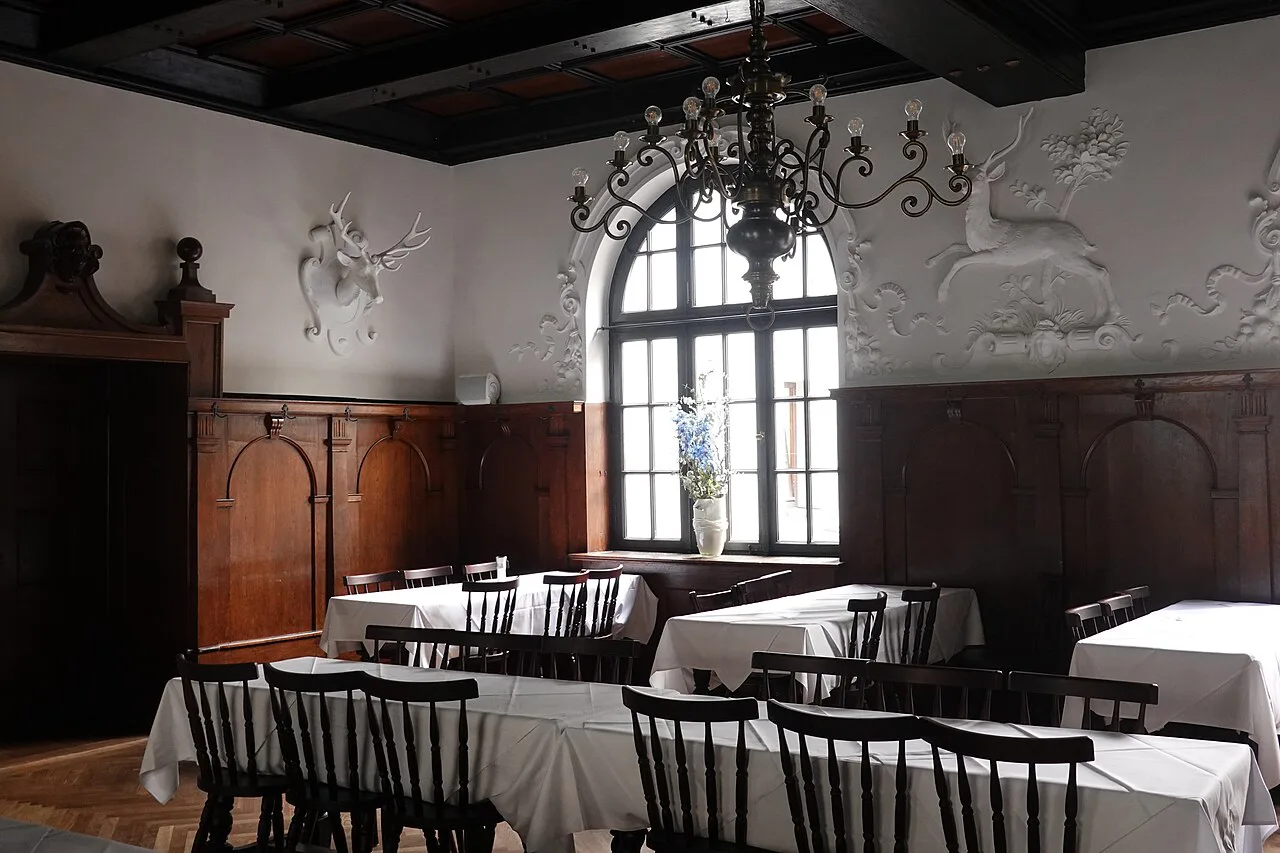
The big six are the easiest entry point, but they are not the whole of Bavarian brewing, and a beer garden that pours a local brewery's Helles is worth trying. The Hackerbrauhaus in the city center of Munich is one of the places where the Munich tradition is visible. For a nationwide view of brewery styles and regions, the guides to German breweries put Munich in context.
Breweries beyond Munich: Weihenstephan in Freising
Bayerische Staatsbrauerei Weihenstephan, in Freising just outside Munich, brews excellent Helles and is one of the most respected names in Bavarian beer. It claims to have been brewing since 1040, which supports its title as the world's oldest brewery, and its Weihenstephaner Original Helles is a well-known example of the style. For the full history and context, see the guide to the oldest brewery in the world.
Beyond Freising, Franconia and the rest of Bavaria hold small breweries worth seeking out, and the styles on their lists often go beyond the Munich big six. A day that includes a brewery visit and a meal is a practical way to taste the range without treating beer as a checklist. For a deeper look at the Franconian side, the Franconia beer guide is the companion piece.
How to order a Bavarian beer
The basic unit in a beer hall or beer garden is the Maß, a one-liter glass, and asking for "ein Maß Helles" or "ein Maß Weißbier" gets you the house pour. If that is more than you want, ask for a kleineres Glas, a smaller glass, or a halbe, a half-liter, and you will be understood. Waiter service is standard at tables, and you pay at the end; carrying cash is still useful in smaller places.
To order, say the style first and the size second: "a Helles, please" is enough, and the server will usually confirm the size. In a beer garden, you may order at the counter or from a server depending on the setup, and tipping by rounding up is normal. If you want a low-alcohol option, order a Radler or a smaller glass rather than a full Maß.
Where Bavarian beer fits in a day of eating
Bavarian beer is built for food: a Helles with Weisswurst in the morning, a Dunkel or Märzen with roast pork at lunch, and a Weißbier or a Radler later in the afternoon. Keep the order simple and match the beer to the dish rather than trying every style in one sitting. If you are eating in a beer hall, a Helles or a Radler with a pretzel is a good way to start while you read the menu.
For a broader look at German brewing traditions, from the oldest breweries to regional specialties, the guides to German breweries and the Franconia beer guide cover the country beyond Munich. Use them to plan a brewery visit or a beer-focused meal, not as a list to complete. The best approach is to pick one style you like and one new one to try, then let the meal set the pace.
Which Bavarian beer should you order first?
Start with a Helles, because it is the region's default and the easiest way to taste what Bavarian brewing is about. If you want a contrast, follow it with a Weißbier for the banana-and-clove character or a Dunkel for more malt, and keep the glass small if you plan to try several. For a city-by-city plan, use the guide to German breweries and the Franconia beer guide to find where each style is poured.
Frequently Asked Questions
What is a typical Bavarian beer?
Helles is the typical Bavarian beer: a pale, malty lager with low bitterness that appears on almost every beer list in the region. Weißbier is the other everyday order, a cloudy wheat beer with banana-and-clove notes.
What is the German beer mixed with lemonade called?
It is called a Radler, and it is usually made with a pale lager such as Helles or Pils mixed with lemonade. Order it by name in a beer garden or beer hall when you want something lighter.
How much beer is in a Maß?
A Maß is a one-liter glass, the standard large size in a Bavarian beer hall or beer garden. If that is too much, ask for a halbe, a half-liter, or a smaller glass.
Sources
Notes for your next German food trip
Optional updates to our guides.
You might also like



Continue reading
More guides you'll find useful





