
Swabian Food: Spätzle, Maultaschen and What to Order
Swabian food means Spätzle, Maultaschen, lentils and onion roast. Here is what each dish is, how it is served, and what to order in Stuttgart and beyond.
On this page
If you order one Swabian meal, make it Käsespätzle: fresh egg noodles layered with cheese and caramelized onions, baked until the top crisps. Maultaschen, the big filled pasta pockets, are the other essential, and in Stuttgart they turn up in broth, pan-fried, or sliced over salad. This guide walks through the dishes that define the region, explains how each is served, and flags which ones are meat-heavy and which come meat-free, so you can read a Gasthaus menu and order with confidence.
What Swabian food is
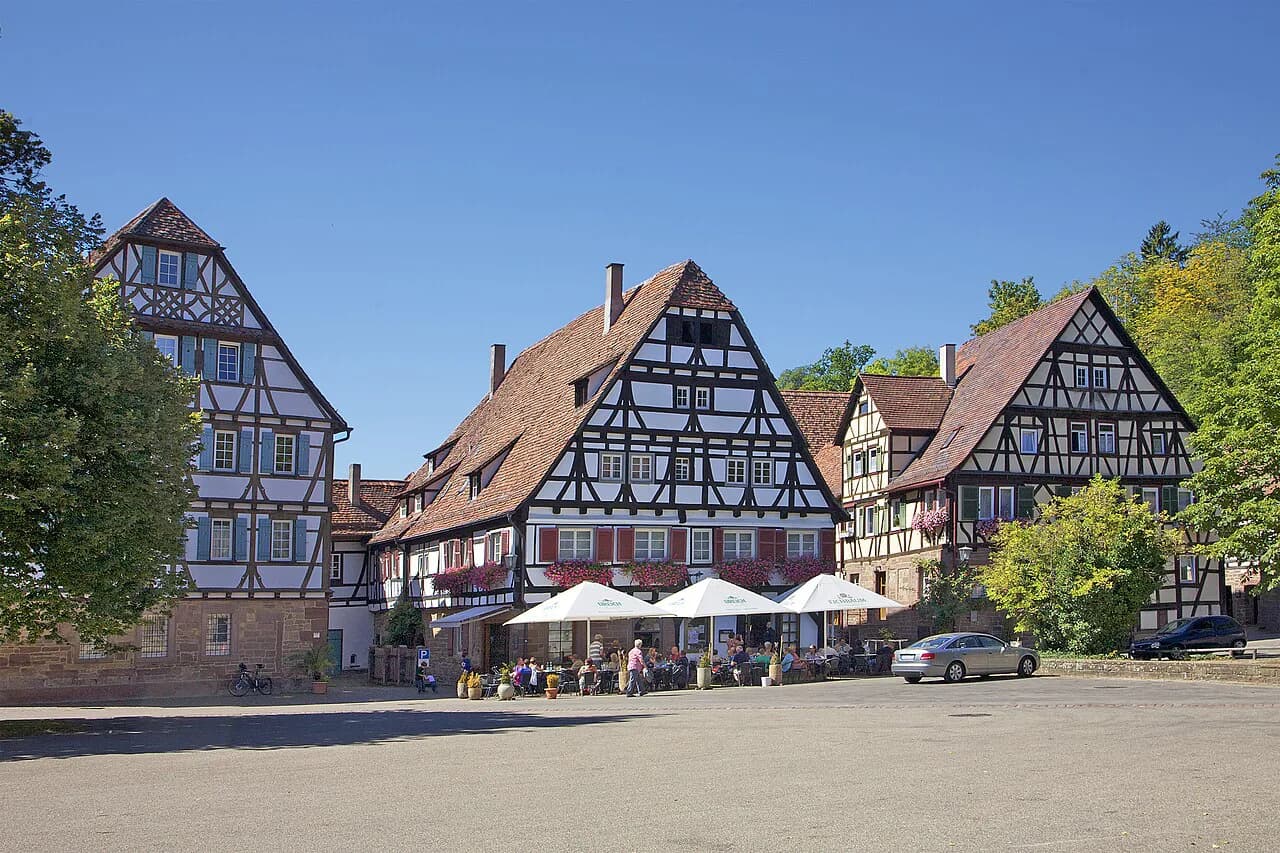
Swabian cooking comes from Baden-Württemberg in southwest Germany, and its reputation is rustic but rich and hearty, with fresh egg pastas such as Spätzle and Maultaschen at the center. The core ingredients are flour, eggs, potatoes, lentils and onions, which is why so many classics are noodles, dumplings or stews rather than anything delicate. Traditional recipes vary from region to region and from family to family, so two versions of the same dish can differ noticeably. For the wider map of regional cooking across the country, see our guide to German regional cuisine, which sets Swabia beside neighbors such as Bavarian food to the east and the cooking of the Black Forest to the southwest.
Spätzle and Käsespätzle: noodles and the baked main
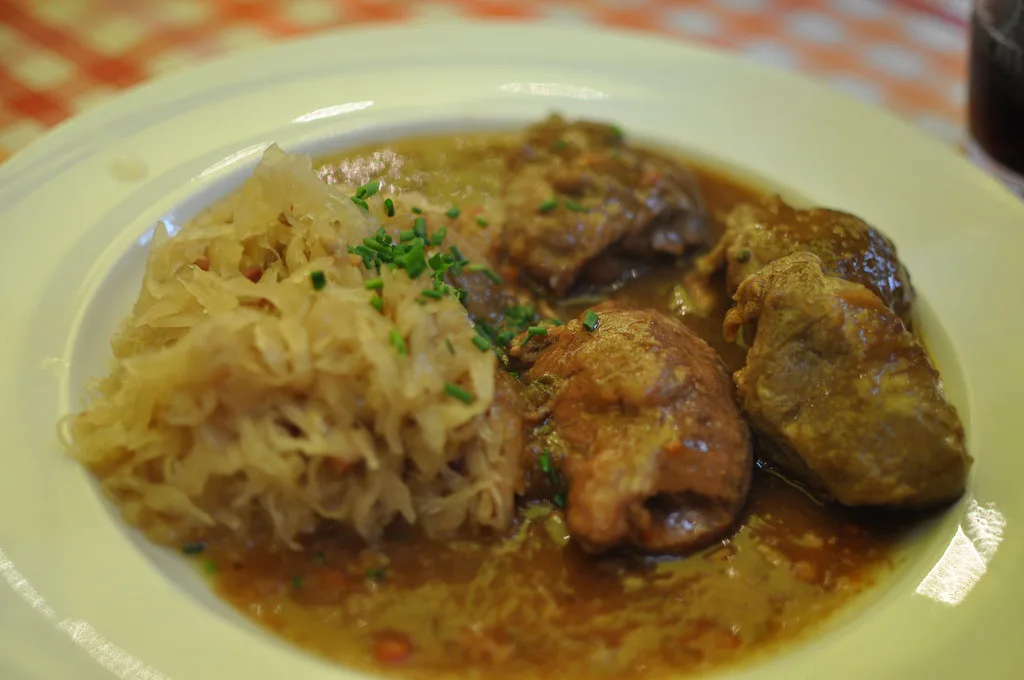
Spätzle are soft egg noodles made from a simple dough of flour, egg and water, scraped in small pieces into boiling water or pressed through a spätzle press. As a side dish they come with almost anything; as a main, they become Käsespätzle, layered in a casserole with grated Emmental cheese and caramelized onions, then baked. It is nothing like American mac and cheese: the noodles are fresh, the onions are sweet, and the top is often finished with crispy fried onions.
What does "Swabian" mean in German? Swabian refers to the region of Swabia in southwest Germany, centered in Baden-Württemberg around Stuttgart, and to its dialect, Schwäbisch. Swabian cuisine is the cooking of that region, known for egg noodles, filled pasta and hearty stews.
Is Swabian food vegetarian-friendly? Yes, if you pick carefully. Maultaschen come with spinach-and-cheese fillings, Käsespätzle is meat-free as long as you eat cheese and butter, and chefs across the region have created vegetarian versions of the classics.
What is the difference between Spätzle and Käsespätzle? Spätzle are the plain egg noodles, served as a side or a base for other dishes. Käsespätzle is a baked main: the noodles are layered with cheese and caramelized onions and finished with crispy fried onions, so it is a full plate rather than a garnish.
Order Käsespätzle when you want a full plate rather than a side, and expect it to be filling. A portion is substantial, so it works well shared as a starter or eaten as the main event with a small salad alongside. If the menu lists Spätzle plain under the sides, that is the noodle only; the cheese version will say Käsespätzle.
Maultaschen: the filled pasta pockets
Maultaschen are essentially large ravioli, traditionally filled with meat, onions and spinach, and served in savory beef broth, pan-fried, steamed, or cut up over a salad. A story holds that monks at Maulbronn Monastery invented them to get around the Lent ban on meat, hiding the filling inside the noodle pockets where it would go unnoticed. Treat that as the origin story rather than settled history, and order them either way. Vegetarian spinach-and-cheese versions are common on Swabian menus.
In broth is the classic presentation and the gentlest introduction; pan-fried, they arrive browned and crisp at the edges, usually with onions. The dish crosses easily into vegetarian territory, so it is a safe pick if someone at the table avoids meat.

Linsen mit Spätzle: lentils, vinegar and sausage
Linsen mit Spätzle is as simple as the name suggests: lentils soft-boiled with vinegar and served over the egg noodles. A tangy, earthy sauce coats the lot, and in Stuttgart the plate usually comes with a couple of long Saiten sausages on top, sometimes with a slice of Rauchfleisch, smoked pork belly, for good measure. It is the winter comfort dish of the region, and it gets better the next day.
If you want the full Swabian plate, order it with the sausages; if you are eating lighter, ask for the lentils and noodles without them. The vinegar is the point, so do not expect a sweet lentil stew.
Zwiebelrostbraten: the Sunday onion roast
Zwiebelrostbraten translates as onion roast: beef cooked in a rich gravy flavored with garlic and plenty of onions, traditionally a Sunday dinner in Swabia. Locally it is served with Spätzle or fried potatoes. Because it is a roast, it behaves like a sit-down meal rather than a quick lunch, which makes it the right order when you have time to eat properly. If the menu says Rostbraten without the onion prefix, check what comes with it.
Gaisburger Marsch: Stuttgart in a bowl
Gaisburger Marsch is a thick stew of beef, potatoes and Spätzle built in one pot, and its name points to Gaisburg, now a district of Stuttgart. The story goes that the stew was so popular with soldiers that men stationed far away would March back to Gaisburg for it. Today it is served all over the region, so there is no marching required. Order it when you want beef broth, tender meat and pasta in one bowl.
Schupfnudeln: potato noodles with sauerkraut
Schupfnudeln are finger-shaped noodles made half from wheat flour and half from potato flour, plus egg and water, shaped by rolling them between your hands. They were born of thrift: when flour ran short, cooks stretched the dough with potatoes. They can be boiled first or pan-fried directly, and they are commonly served with sauerkraut. Look for them as a side or a light main when you want something other than Spätzle.
Saure Kutteln: sour tripe for the adventurous
Saure Kutteln means sour tripe: sliced cow's stomach, fried in butter and dusted with flour, then cooked in a sauce made sour with wine or vinegar and flavored with bay leaf, juniper and pepper. It has the texture of something chewy and the flavor of a sharp, peppery stew. Order it if you like offal and acidity; skip it if you do not. It is honest, economical regional cooking, not a beginner's dish.
Laugengebäck and Brezeln: pretzels and pretzel bread
Brezeln are the large soft pretzels in the display window, and the word describes the looped knot shape. The wider family of pretzel-dough baked goods is called Laugengebäck, and it comes in a range of shapes, each with its own name. The crisp, crackly exterior and soft chewy inside make them popular at any time of day. Order one with butter spread inside the large curve, or as a sandwich, and they make a cheap, quick breakfast or snack between meals.
Swabian potato salad: warm broth, vinegar, no mayo
Swabian potato salad is not the creamy, mayonnaise-bound version familiar from American delis. The potatoes are dressed warm with broth, vinegar and oil, so they soak up the dressing and absorb the flavor. That makes it a lighter, sharper side for a plate of meat or sausages. If the texture seems wet, that is the point.
What to order first, and the vegetarian route
With one meal in Stuttgart, order Käsespätzle if you want the baked classic or Maultaschen in broth if you want the dish most distinctly Swabian. Both are on many menus, both are filling, and neither demands a translation beyond the name. If you are hungrier, add a plate of Linsen mit Spätzle to share rather than doubling up on noodles.
Vegetarians can eat well here: spinach-and-cheese Maultaschen are a modern standard, and chefs across the region have created vegetarian versions of the classics. Käsespätzle is meat-free as long as you are happy with cheese and butter, and the fried onions on top are not the issue. Saure Kutteln, Gaisburger Marsch and Zwiebelrostbraten are the meat-heavy picks, so pair those with a meat-eater at the table.
How a Gasthaus meal runs, and the sweet finish
A Swabian Gasthaus meal is usually unhurried, with an appetizer or soup to start, a main course, and often cake or dessert to finish. Maultaschen, Käsespätzle and Gaisburger Marsch can be either, depending on portion; ask if the plate is a starter-size portion. The sweet finish is worth leaving room for: Träubleskuchen, a traditional red currant cake, is a Swabian classic, and plum cake with crumbles appears in season. Pair the coffee with a slice, or take it away for later.
Reading a Swabian menu
Swabian menus use a small set of words that unlock most of the page: Spätzle are egg noodles, Maultaschen are filled pasta, Linsen are lentils, and Rostbraten is roast beef. Anything labeled "mit" comes with the item after it, so "mit Spätzle" tells you the side without asking. If you want the dish without the sausage on top, ask for it without; the sauce and noodles will still arrive.
Which Swabian dish should you order first?
Start with Käsespätzle or Maultaschen on your first Swabian meal, then branch out to Linsen mit Spätzle when you want something sharper and more rustic. Work through the rest in order of appetite and adventure: Zwiebelrostbraten when you are sitting down for dinner, Saure Kutteln only if you like offal, and Laugengebäck for breakfast.
Explore more Germany guides
Frequently Asked Questions
What does "Swabian" mean in German?
Swabian refers to the region of Swabia in southwest Germany, centered in Baden-Württemberg around Stuttgart, and to its dialect, Schwäbisch. Swabian cuisine is the cooking of that region, known for egg noodles, filled pasta and hearty stews.
Is Swabian food vegetarian-friendly?
Yes, if you pick carefully. Maultaschen come with spinach-and-cheese fillings, Käsespätzle is meat-free as long as you eat cheese and butter, and chefs across the region have created vegetarian versions of the classics. The stews and roasts are the meat-heavy side of the menu.
What is the difference between Spätzle and Käsespätzle?
Spätzle are the plain egg noodles, served as a side or a base for other dishes. Käsespätzle is a baked main: the noodles are layered with cheese and caramelized onions and finished with crispy fried onions, so it is a full plate rather than a garnish.
Sources
Notes for your next German food trip
Optional updates to our guides.
You might also like



Continue reading
More guides you'll find useful




