
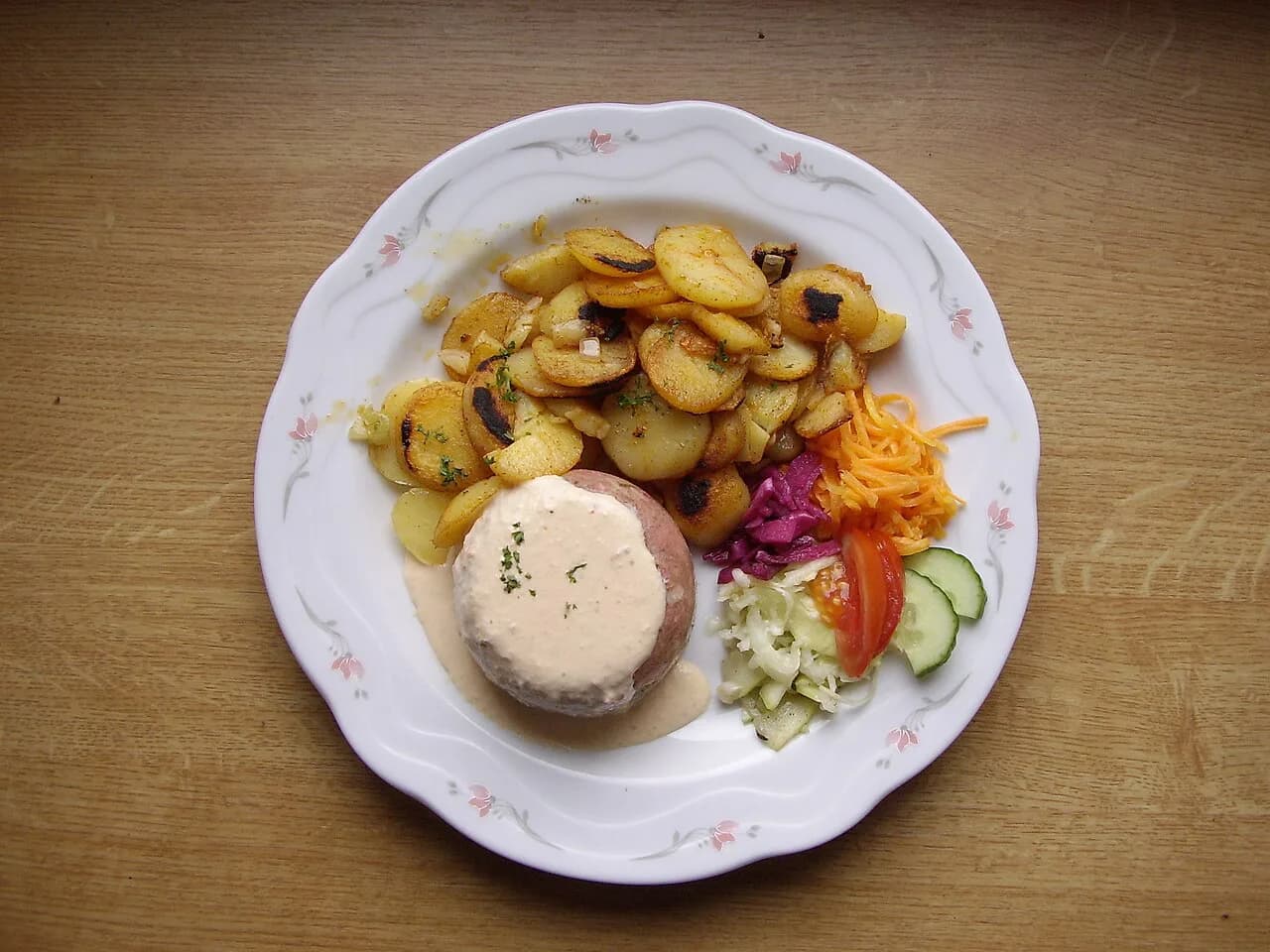
Saxon Food: What to Eat in Saxony and Lower Saxony
Saxon food means two different things: the dishes of Saxony in the east and Lower Saxony in the northwest. Here is what each region cooks and how to order.
On this page
Saxon food is really two cuisines sharing one English word: the cooking of Saxony in the east, built around marinated roast beef, quark dumplings and a layered Dresden cake, and the cooking of Lower Saxony in the northwest, built around kale, asparagus and a pale dessert called Welfenspeise. If you are planning meals, decide first which state you are in, because almost nothing on one menu appears on the other. This guide walks through the dishes that matter in each, what they are made of, and how a hearty Gasthaus plate is put together.
Lower Saxony alone shows how varied the northern table is: kale and asparagus in Oldenburg Münsterland, traditional distilleries in Emsland, and beer brewed in the Braunschweig region from a very old recipe. Travelers heading toward North Rhine-Westphalia can look at the dishes that state is known for.
What Saxon food means: Saxony in the east versus Lower Saxony in the northwest
The confusion is baked into the language. Saxony is a landlocked state in the east with Dresden as its capital, while Lower Saxony is a large state in the northwest reaching from the North Sea coast to Hanover. English travel searches ask about "Saxon food" and get answers from both, which is why a list can jump from cake to kale without warning. Treat them as two separate eating plans and the menus suddenly make sense.
They also sit in different culinary neighborhoods. Saxony looks toward the hearty, sauce-heavy cooking of central and eastern Germany, while Lower Saxony belongs with the northern plains, where greens, pork and potatoes carry more weight than dumplings. For a wider map of how the German states differ, German regional cuisine is the place to start.
Saxony: Sauerbraten and the slow-cooked, hearty plate
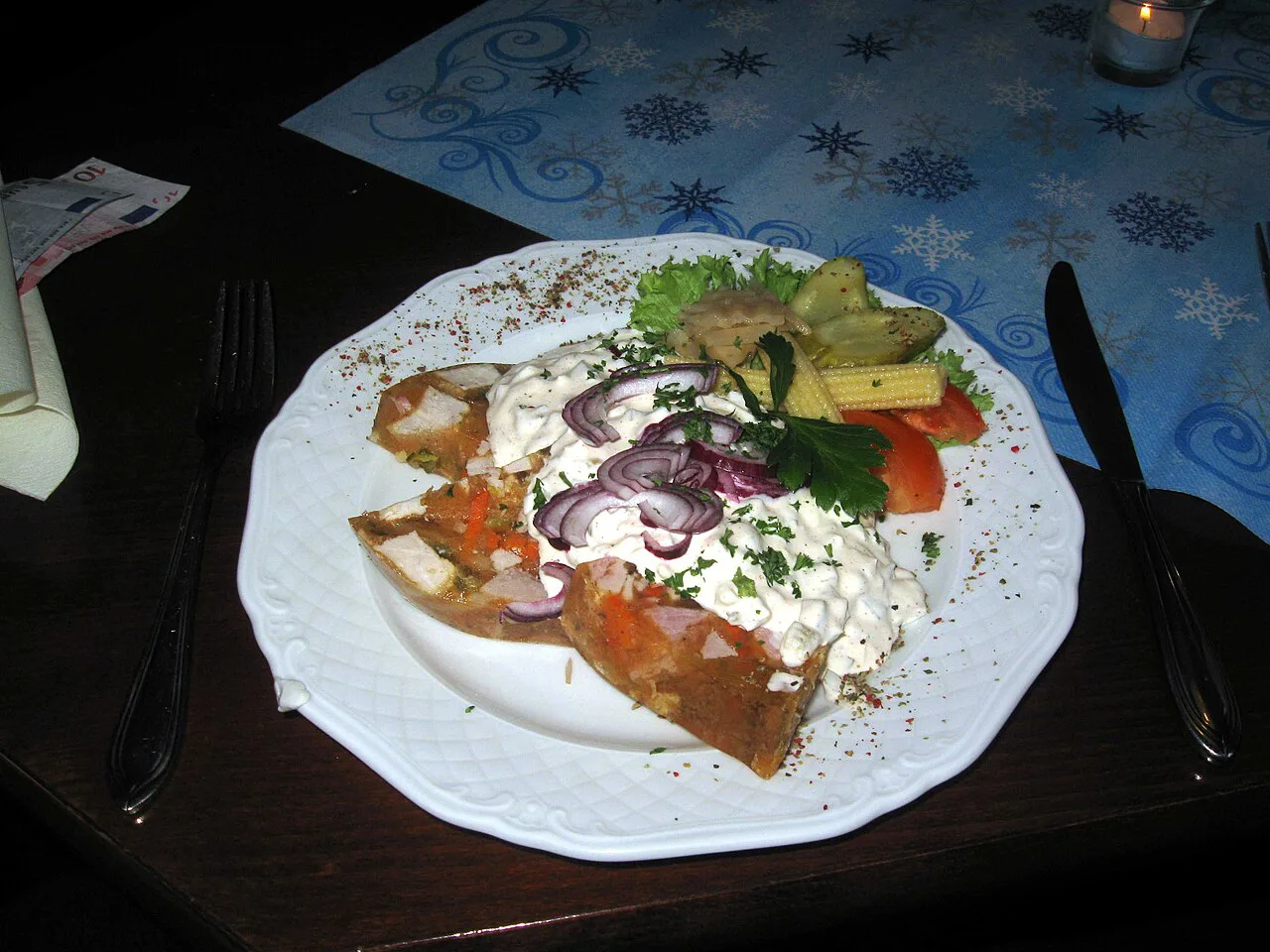
Sauerbraten is the benchmark dish of Saxon cooking: a beef roast marinated for days in vinegar, wine and spices before it is braised until tender. The long soak gives it the sour edge in the name (sauer means sour) and a sauce that is dark, tangy and slightly sweet from the traditional addition of crumbled gingerbread or a similar sweetener. In Saxony it is a Sunday dish, and in a Gasthaus it is usually the most serious plate on the menu.
Is Saxon food the same as Lower Saxon food? No. Saxony is the eastern state around Dresden, known for Sauerbraten, Eierschecke and Quarkkeulchen.
What is the difference between Sauerbraten and a normal pot roast? Sauerbraten is marinated for days in vinegar, wine and spices before braising, which gives it a distinctly sour, tangy sauce. A standard pot roast is browned and simmered without that long acidic soak.
When is the best time to eat asparagus in Lower Saxony? Asparagus is a spring vegetable, and it dominates menus around Oldenburg Münsterland during its season. Outside that window, look for kale dishes instead, which belong to the colder months.
Read the plate before you order. Sauerbraten comes with a sauce designed to be soaked up, so the side is rarely an afterthought: potato dumplings, boiled potatoes or red cabbage, depending on the kitchen. Portions are generous, and a starter plus a main is often too much for one person. If you want to eat like a local, order the roast and one side and skip the soup.
Saxony: Eierschecke, the layered quark and custard cake from Dresden
Eierschecke is a Dresden cake built in layers: a yeast or shortcrust base, a middle layer of quark (a fresh, slightly tart soft cheese), and a top layer of custard made with eggs and a little flour. It is cut in tall squares, and the custard top sets soft rather than firm, so it wobbles slightly on the plate. Order it with coffee in the afternoon, when a Konditorei fills with exactly this kind of cake.
This is a coffee-table cake rather than a dessert after dinner, and asking for it at lunch in a savory restaurant will often get a blank look. Look for it in a café or Konditorei in Dresden and the surrounding towns, where it usually sits in the display case alongside other sheet cakes. If you only have room for one sweet in Saxony, make it this one.
Saxony: Quarkkeulchen, the fried quark dumplings served sweet
Quarkkeulchen are small, flattened dumplings made from quark, flour, egg and often grated potato and raisins, then fried in fat until crisp outside and soft within. They are served warm with applesauce, stewed fruit or a dusting of sugar, which puts them in the dessert-or-sweet-lunch category. The texture is closer to a thick pancake than to a German Knödel, and the potato in the mix gives them a pleasant density.
In Saxony they are a home-cooking classic, the sort of dish a Gasthaus lists under regional specialties. A plate of three or four with applesauce is a proper afternoon stop and a good counterweight to the heavy meat dishes. They also travel well as a first taste of Saxon cooking for anyone unsure about quark.
If you order them as a main, expect a sweet meal rather than a dessert sampler, and consider sharing one plate before a bigger dinner. It is a useful dish to know if you are eating your way through the regional kitchen at lunchtime.
Lower Saxony: kale with Pinkel and smoked pork, a cold-weather plate
In Lower Saxony the dish to know is kale, called Grünkohl, cooked slowly with smoked pork, sausage and often a little mustard and bacon. Pinkel is a coarse, smoked sausage from the region that is traditionally served with it, alongside smoked pork and potatoes. The whole plate is rich, salty and smoky, and it is eaten in the colder months rather than in summer. Oldenburg Münsterland is one of the areas associated with kale and its hearty farmhouse cooking.
Kale with Pinkel is a social dish as much as a restaurant one, the sort of plate cooked in large pots for a group. In a Gasthaus, expect a deep plate of greens with the sausage and meat laid across the top and boiled potatoes alongside. It is heavy, so it works best as the main meal of the day rather than a light lunch before an afternoon of walking. For more of the northern pantry, look at northern German food.
The sausage name puzzles visitors, and it is best treated simply as the smoked sausage that comes with the greens rather than a separate dish to hunt down. Ask what comes with the kale plate so you know whether Pinkel, smoked pork or both are included.
Lower Saxony: asparagus in spring around Oldenburg Münsterland
Spring shifts the Lower Saxony menu. Oldenburg Münsterland is asparagus country, and from the season's start the vegetable appears as Spargel with ham, potatoes and melted butter, or in a hollandaise-style sauce. The local preference is for white asparagus, which is grown under ridges of soil so the spears stay pale. It is mild and slightly sweet, and it is served as a plate in its own right rather than a side.
For a traveler, this is the clearest seasonal marker of the year: if asparagus is on the menu, you are eating in spring, and the vegetable will dominate specials boards in and around Oldenburg. The region's farm stores and weekly markets also reflect the season, which makes a simple market stop a good way to see what is being harvested. Outside asparagus season, look for kale and the smoked meats instead.
Lower Saxony: Welfenspeise, Hanover's white and yellow dessert
Welfenspeise is Hanover's signature dessert, and it has been served there for about two hundred years. It is a two-tone affair: a pale layer of vanilla custard set over a base of wine-fortified apple or fruit cream, or the reverse depending on the kitchen, with the yellow and white kept distinct in the glass. It is light, cold and slightly sweet, which is exactly what you want after a heavy northern plate. The name refers to the House of Welf, the old Hanoverian ruling family.
Look for it in Hanover's traditional restaurants and cafés, where it appears among the desserts rather than as a menu headline. It is a good way to end a meal without ordering something enormous. If a place offers both Welfenspeise and a heavier cake, the dessert is the more Hanover-specific choice.
Braunschweig: beer brewed to a long-standing regional recipe
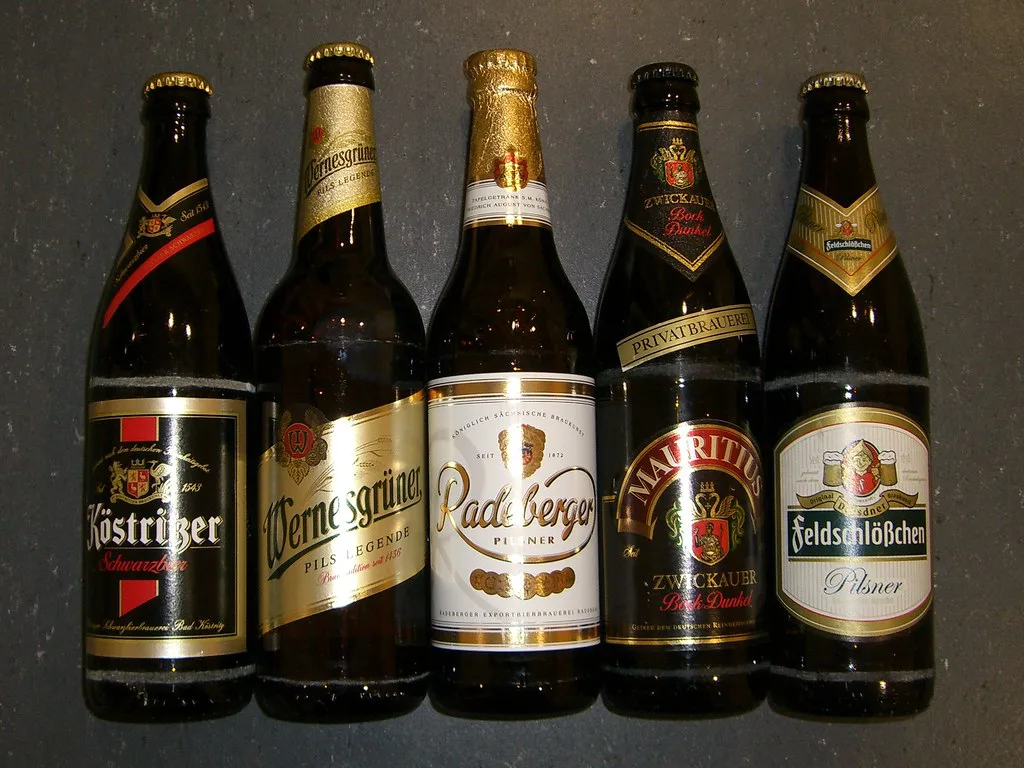
Braunschweig has a brewing tradition, and the region's beer is brewed according to a recipe that has been followed for centuries. That makes a brewery visit a reasonable way to spend an afternoon if you want to understand what the region drinks with its food. Tours that end with a tasting are a practical introduction, since they let you compare styles side by side with someone explaining them.
Beer here is a table drink rather than a collector's hobby, so treat it the way you would treat the local sausage: order a glass with the meal and see how it cuts through the fat of a kale or pork plate. If you are moving on to other parts of Germany, the beer styles differ from state to state, and the same brewery-tour approach works almost anywhere.
How to order these dishes in a Gasthaus: portions, sides and what comes with them
A German Gasthaus plate is built from three parts: the meat or main, a sauce, and a starch or vegetable alongside. Sauerbraten arrives with its sour sauce and dumplings or potatoes; kale comes with smoked pork and Pinkel; asparagus comes with ham, potatoes and butter. Knowing the pattern helps you read a menu quickly and avoid ordering three starches in a row.
Portions are usually generous, and the main course is the center of the meal rather than one of several small plates. Many kitchens offer a smaller version of a dish, often labeled klein or halbe Portion, which is worth asking about if you also want dessert. Sides that seem to be included sometimes are not, so it is fine to ask what comes with the plate before ordering.
Two practical habits make the meal easier: order the regional specialty rather than the international dishes on the menu, and save room for the local dessert, since that is often where the character of the region shows most clearly. When you move on to another state, the same approach pays off with other regional plates and their side dishes.
Which Saxon dishes to try first if you have one meal
With one meal in Saxony, order Sauerbraten with dumplings and red cabbage, then share a slice of Eierschecke afterward at a café. That combination gives you the savory and sweet sides of the region in one day without over-ordering. Quarkkeulchen is the better choice if you prefer a lighter, sweet lunch and want to skip the roast.
With one meal in Lower Saxony, the answer depends on the month: kale with Pinkel in the cold months, asparagus with ham in spring. In Hanover, finish with Welfenspeise. If you are heading south instead, the dishes of Bavarian food follow a different logic, with dumplings and pork in the lead.
Which Saxon plate is worth your one dinner?
If you have a single dinner and want the dish that best explains Saxony, choose Sauerbraten with dumplings and finish with Eierschecke. It shows how the region cooks: long marinating, a sour-sweet sauce and a cake culture that takes the afternoon seriously. In Lower Saxony, let the calendar decide between kale and asparagus, and end a Hanover meal with Welfenspeise.
Either way, order the regional specialty rather than the safest item on the menu, and ask what comes with the plate before you commit. That one habit will teach you more about Saxon food than any list.
Explore more Germany guides
Frequently Asked Questions
Is Saxon food the same as Lower Saxon food?
No. Saxony is the eastern state around Dresden, known for Sauerbraten, Eierschecke and Quarkkeulchen. Lower Saxony is the northwestern state around Hanover, known for kale with Pinkel, spring asparagus and Welfenspeise. The two share a language and a word in English, not a menu.
What is the difference between Sauerbraten and a normal pot roast?
Sauerbraten is marinated for days in vinegar, wine and spices before braising, which gives it a distinctly sour, tangy sauce. A standard pot roast is browned and simmered without that long acidic soak. In Saxony the sauce is often slightly sweetened with crumbled gingerbread.
When is the best time to eat asparagus in Lower Saxony?
Asparagus is a spring vegetable, and it dominates menus around Oldenburg Münsterland during its season. Outside that window, look for kale dishes instead, which belong to the colder months. The exact start and end of the season varies by year and weather.
Do I need to book a table for these dishes?
Hearty regional plates are standard Gasthaus food rather than special-occasion dining, so many places take walk-ins. Traditional restaurants in Hanover and Dresden can fill up at dinner, especially at weekends, so calling ahead is sensible if you have a particular place in mind.
Sources
Notes for your next German food trip
Optional updates to our guides.
You might also like



Continue reading
More guides you'll find useful




