
What Is a Radler? The German Beer-and-Lemon Soda Mix
A Radler is a German mix of lager and lemon soda, usually half and half. Learn what it tastes like, how to order one, and how it differs from a shandy.
On this page
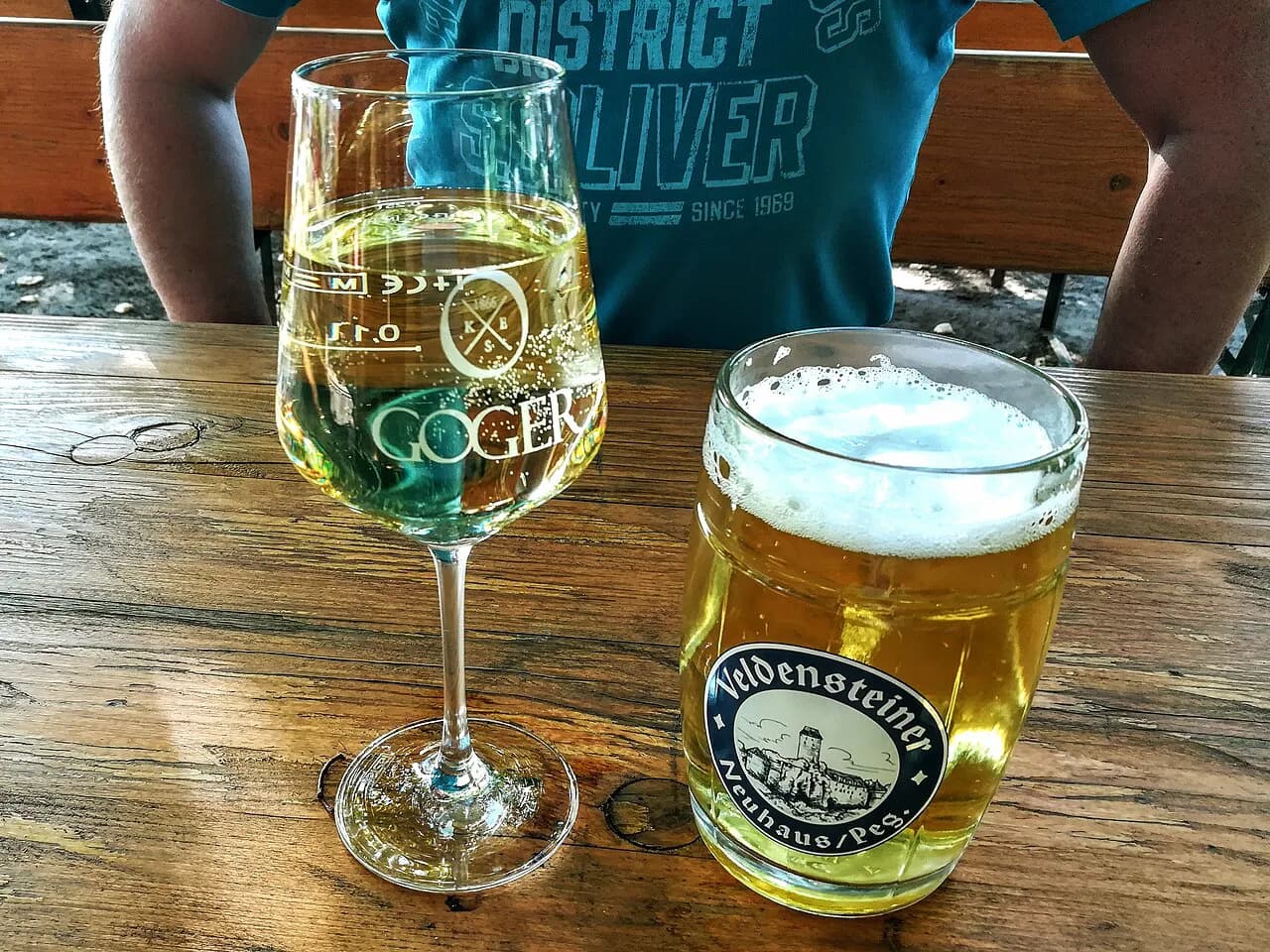
A Radler is a German beer mix of roughly equal parts lager and lemon soda, poured together fresh in the glass. It is light, fizzy, and citrus-forward, and it is the drink to order on a warm afternoon when a full-strength beer feels like too much. This guide covers what goes into one, how it tastes, where the name comes from, and how to order one at a German bar, beer hall, or beer garden.
The mix is simple enough to make at home, but the version you get in Germany is usually assembled on the spot rather than poured from a bottle. That matters for the texture: fresh soda keeps the drink lively, while a canned Radler sits flatter and sweeter. Knowing the difference helps you ask for the right thing.
What a Radler Is: Beer Plus Citrus Soda
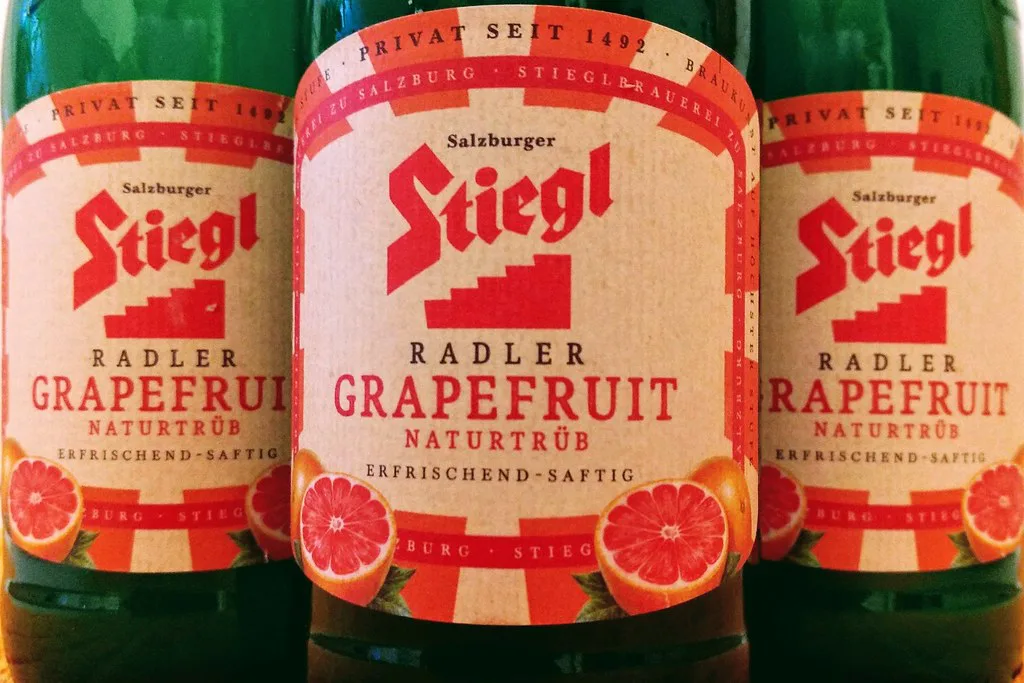
In its simplest form a Radler combines one part beer with one part citrus soda, most often a lemon-flavored one. Some versions swap in a flavored syrup instead of soda, and a few go further with a flavored brandy or liqueur, but the soda version is the standard. The result is a long, refreshing drink rather than a strong one.
The beer base is usually a pale lager, which brings a clean malt backbone without much bitterness to fight the sweetness of the soda. Darker beers and lemon also work together, giving a rounder, slightly caramel-edged drink. Either way, the soda is a mixer, not a garnish: it is measured in, not splashed on top.
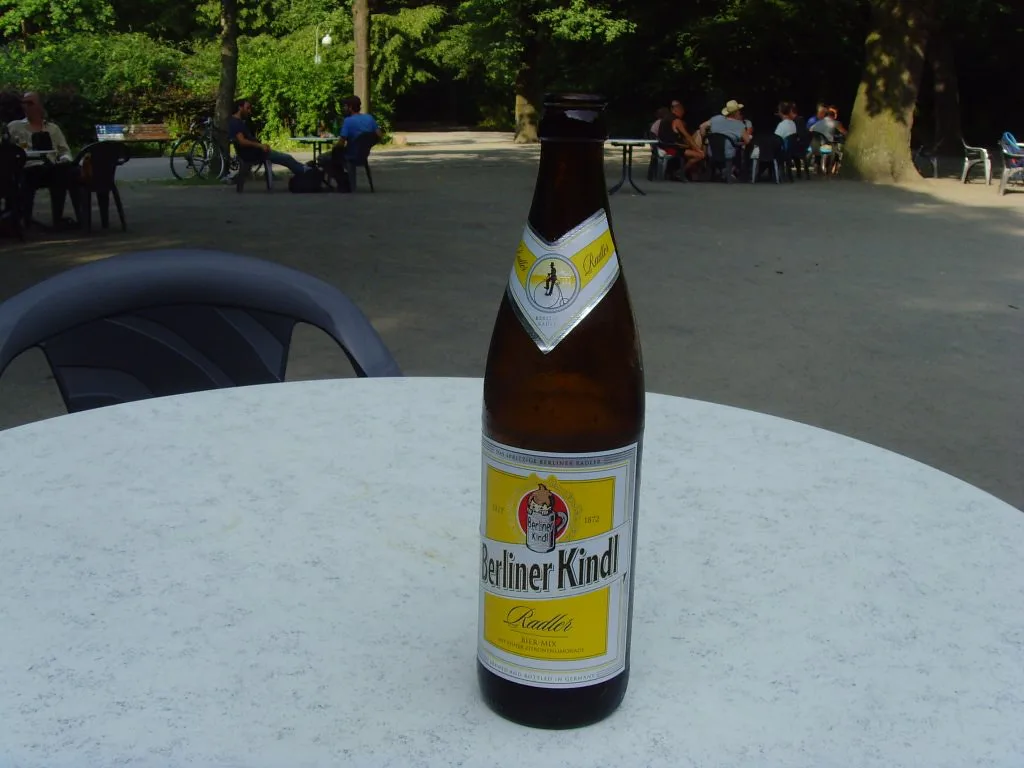
A Radler is mixed to order in the glass, and a server will often put one together on request even when it is not printed on the menu. That is the practical difference between a Radler and the pre-mixed cans sold in supermarkets: the fresh version is brighter and less sweet, and you can taste the beer underneath the lemon.
How It Tastes and When to Order One
Expect a crisp, quenching drink with a clear lemon note and a soft malt finish. It goes down easily, which makes it a sensible choice for a long afternoon in a Biergarten when you want something cold and low in alcohol rather than a full liter of lager. Order it with a plate of something salty and the sweetness reads as balance rather than sugar.
What is beer and 7Up called? Beer mixed with a lemon-lime soda like 7Up is a shandy in English, and it belongs to the same family as the German Radler. The Radler is typically made with lemon soda and served in German bars and beer gardens, often as a liter-sized Radlermaß.
Is Radler just a shandy? Essentially yes. Both are beer cut with a citrus soft drink, usually around half and half.
Is Radler an alcoholic drink? Yes. A Radler contains real beer, so it is alcoholic even though the soda dilutes it and makes it weaker than a full-strength lager.
In Bavaria the format is the Radlermaß, a full liter glass of the mix, and it is the classic warm-weather order. If a liter sounds like too much, ask for a smaller glass; the mix is served in whatever size the venue pours. Remember that a liter of Radler still contains real beer, so pace it the way you would pace any other drink.
Where the Name Comes From: Cyclists and the Radlermaß
The word Radler comes from Radlermaß, which translates as cyclists' liter, a nod to the drink's association with bike rides. The popular story credits an innkeeper named Franz Kugler with inventing it in 1922, when a crowd of cyclists arrived and he stretched a short supply of beer with lemon soda. That account is tradition rather than documented history, so treat it as the origin story Germans tell rather than a settled fact.
The cycling link explains why the drink fits a day of moving around a city on two wheels: it is lighter than a full beer and still tastes like one. On a bike, though, even a Radler is alcohol, so the sensible move is to treat it as a drink for after the ride rather than during it.
What Kind of Beer Goes Into a Radler
Pale lager is the default, and a Helles or a Pils works well because its clean flavor leaves room for the lemon. Dark lagers and Schwarzbier give a darker, maltier version that pairs the lemon with a hint of caramel. If you want the simplest classic, ask for the pale-lager version with lemon soda.
Beyond soda, some bars mix the beer with flavored syrups, and a few use a splash of fruit brandy or liqueur for a stronger, more aromatic drink. Flavors range across lemon, peach, and berry, so the drink is less a fixed recipe than a family of beer-and-fruit mixes. If you want the classic, ask for lemon soda specifically.
How to Order a Radler in a German Pub, Beer Hall or Beer Garden
Ask for a Radler by name and specify the size: ein Radler, bitte, with a small or large glass depending on how thirsty you are. In a Bierhalle or a busy beer hall, staff pour it on the spot from the tap and a soda gun or bottle, so it arrives freshly mixed. If you want the liter version, ask for a Radlermaß.
In a beer garden, order at the counter or from the server the way you would any other drink, and expect to pay in cash at some self-service places. Many servers will mix a Radler on request even without a menu listing, so it is a safe order when the board is all pale lager. Tipping is done by rounding up or leaving a small amount as you hand over the money.
If you want the ritual of a heavy glass mug, a beer stein works for a Radler too, though the mix is more often served in a tall, simple glass that shows off the color. A Radler in a stein is a slow drink, not a fast one.
Radler vs. Shandy and Other Beer-and-Lemonade Drinks
A Radler is a member of the shandy family: beer cut with a soft drink, commonly a 50:50 mix of beer and lemon soda. The British shandy is the closest relative, and in practice the two drinks are nearly the same idea under different names. What sets the Radler apart is the German context, the Radlermaß format, and the tradition of mixing it fresh at the bar.
Names shift by region and by the mixer. A beer topped with lemonade is a Radler in most of Germany; the same combination of beer and a lemon-lime soda like 7Up is what English speakers often call a shandy. When a menu lists a beer mix you don't recognize, ask what goes into it before ordering, since the soda or syrup changes the taste considerably.
If you want the beer flavor without the alcohol, a non alcoholic beer is the better order than a Radler, which always contains real beer. Venues that stock alcohol-free lager will usually pour it the same way, and you can ask for it mixed with lemon soda if you want the Radler taste without the alcohol.
Is a Radler Alcoholic, and How Strong Is It?
Yes, a Radler is an alcoholic drink, because it is made with real beer. Because it is diluted with soda, it is weaker than the same volume of full-strength lager, but it is not alcohol-free. The exact strength depends on the beer used and the ratio of soda to beer, so a Radler poured with a light lager and plenty of lemon soda will be gentler than one made with a stronger beer.
German menus and bottles do not list a single standard strength for Radler, so read the label or ask staff if the number matters to you. Treat a liter of Radler as a drink to sip over an afternoon rather than to finish quickly, and alternate with water in warm weather. The point of the drink is refreshment, not volume.
Ordering Your First Radler
Order a Radler when you want a cold, citrusy drink that still tastes like beer and won't slow down a warm afternoon. Ask for it by name, choose your glass size, and specify lemon soda if you want the classic version rather than a fruit syrup. In a beer garden, a Radlermaß is the traditional format, shared over a plate of something salty.
The drink is simple enough that the worst outcome is a mix that is sweeter or stronger than you expected. Start with a small glass, see how the house makes it, and order the liter only once you know you like the ratio. That is how a Radler becomes a reliable order rather than a gamble.
Frequently Asked Questions
What is beer and 7Up called?
Beer mixed with a lemon-lime soda like 7Up is a shandy in English, and it belongs to the same family as the German Radler. The Radler is typically made with lemon soda and served in German bars and beer gardens, often as a liter-sized Radlermaß.
Is Radler just a shandy?
Essentially yes. Both are beer cut with a citrus soft drink, usually around half and half. The Radler is the German version, mixed fresh at the bar and tied to the cyclists' liter tradition, while a shandy is the broader English term for the same kind of drink.
Is Radler an alcoholic drink?
Yes. A Radler contains real beer, so it is alcoholic even though the soda dilutes it and makes it weaker than a full-strength lager. The exact strength varies with the beer and the ratio, and it is not printed as a single standard figure.
Sources
Notes for your next German food trip
Optional updates to our guides.
You might also like



Continue reading
More guides you'll find useful



