Abendbrot: What Germans Eat for Their Cold Evening Meal
Abendbrot is Germany's cold evening meal of bread, cold cuts, cheese, and pickles. Learn what goes on the table and what to drink with it.
On this page
Abendbrot is Germany's cold evening meal, and the name says it plainly: Abend means evening, Brot means bread. Instead of cooking a hot dinner, a German household puts a board of sliced bread, cold cuts, cheese, butter, and pickles on the table and everyone builds their own. The meal is quick, cheap, and built around good bread, which is why it tells you more about everyday German eating than any restaurant menu.
This guide covers why the hot meal lands at midday, which breads and toppings carry the evening table, and what to pour alongside without turning it into a drinking occasion. It is written for travelers who want to eat the way Germans actually eat at home, not just what appears on a Gasthaus menu.
What Abendbrot Is
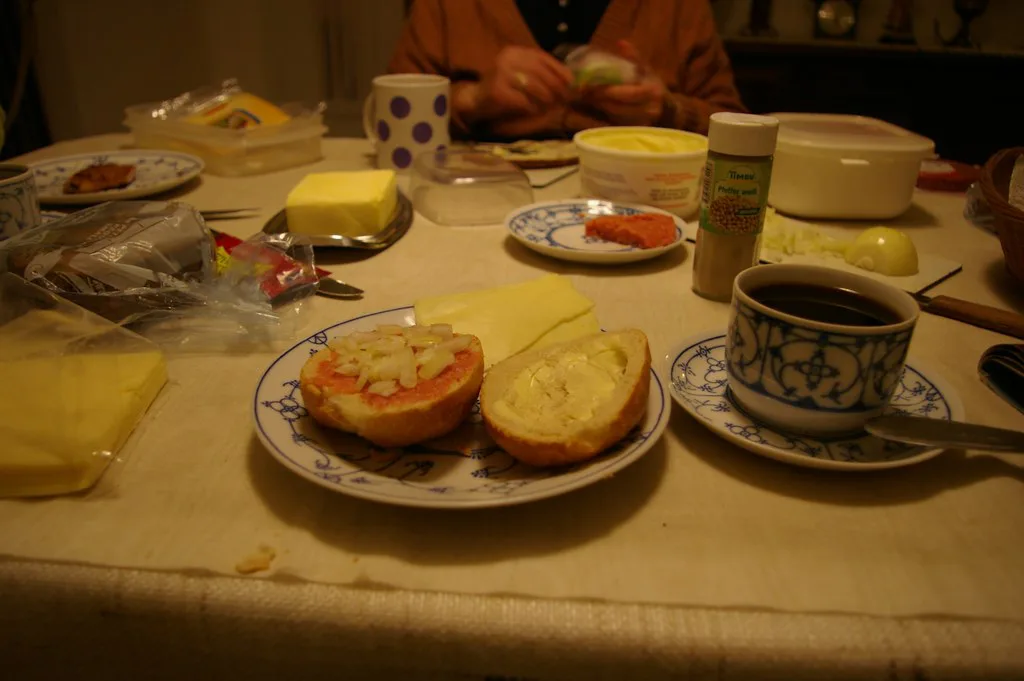
Abendbrot is a cold spread served in the early evening, built from bread, butter or a spread, sliced sausage and cheese, and fresh or pickled vegetables. Nothing is cooked to order and nothing arrives in courses; the food is laid out and passed around. In many German homes it is the default weeknight dinner rather than a special occasion.
The meal is deliberately unpretentious. A good loaf, decent butter, and a few well-chosen cold cuts do the work, and the quality of the bread matters more than the number of items. That is also why the spread stays interesting night after night: with a wide rotation of German bread, a simple format does not turn monotonous.
Why the Evening Meal Is Cold and the Hot Meal Comes at Midday
The pattern goes back to Germany's agrarian past, when the main hot meal, Mittagessen (lunch), was eaten at midday to fuel physical work. Dinner then had to be light and practical, so bread with cheese, cold cuts, and vegetables took its place. Industrialization reinforced the habit: workers coming home late from factories wanted something fast rather than an elaborate cooking session.
Why the Evening Meal Is Cold and the Hot Meal Comes at Midday. The pattern goes back to Germany's agrarian past, when the main hot meal, Mittagessen (lunch), was eaten at midday to fuel physical work.
What Goes on the Table: Bread, Cold Cuts, Cheese, and Pickles. A credible spread has four building blocks.
So the split is not a rule about Germans avoiding hot food. It is a structure: a substantial hot lunch, a cold evening plate. If you order a cooked lunch in a German restaurant and then wonder why dinner looks like a picnic, this is the reason.
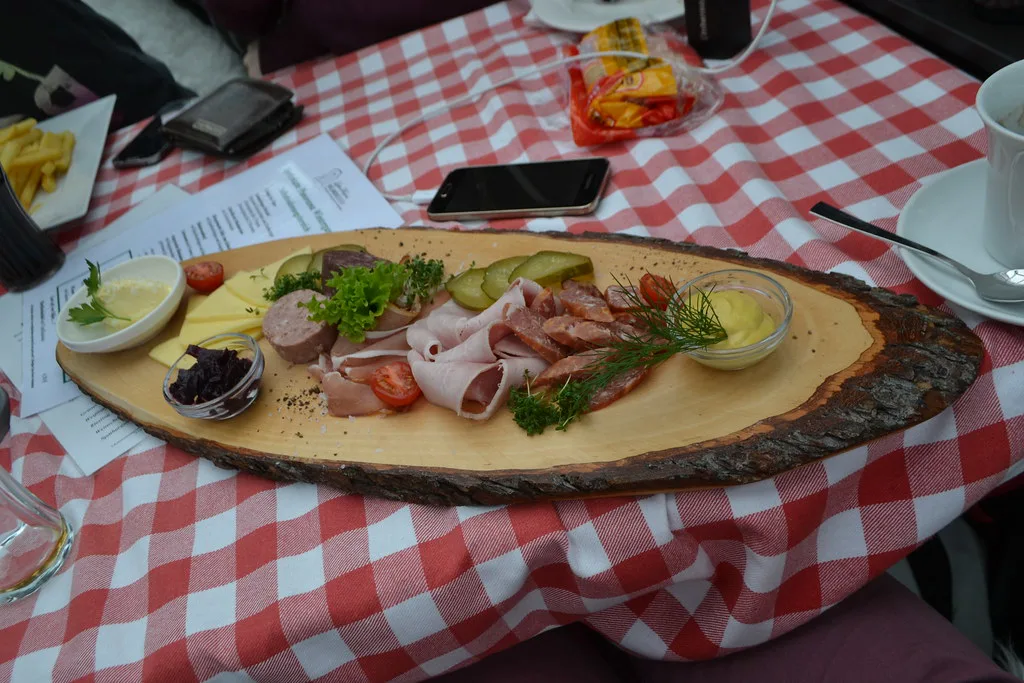
What Goes on the Table: Bread, Cold Cuts, Cheese, and Pickles
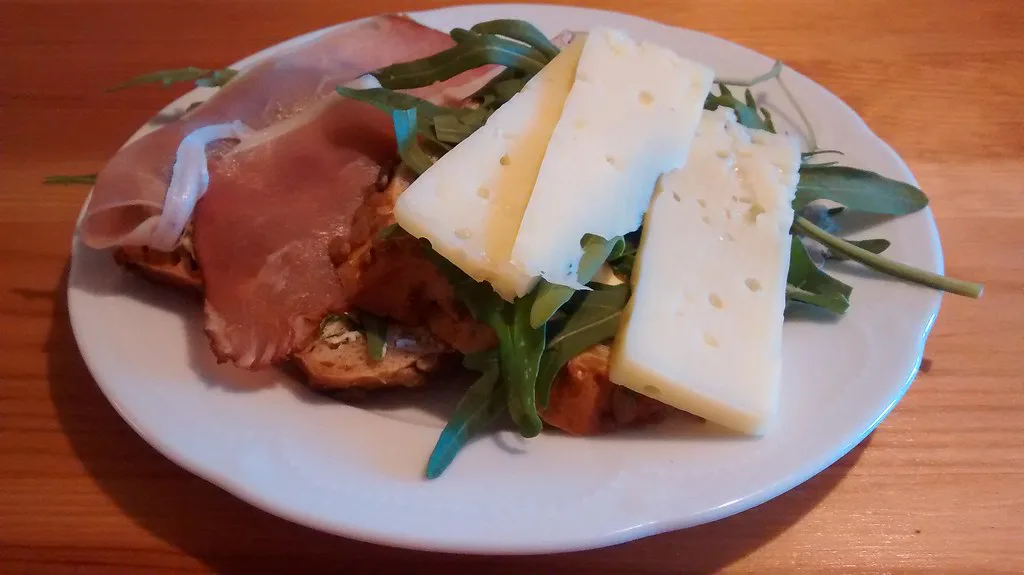
A credible spread has four building blocks. First, sliced bread. Second, a fat base such as butter, Leberwurst (liver sausage spread), Obazda (a Bavarian cheese spread), or Quark (a soft fresh cheese). Third, sliced Wurst (sausage and cold cuts) and cheese. Fourth, something crisp and something sharp: radishes, cucumber, tomatoes, pickles, and mustard.
For the cheese, expect the everyday German repertoire rather than a cheese-board production: Emmental, Gouda, and Camembert show up most often, sliced thin so they layer onto bread. Hard-boiled eggs, smoked salmon, or pickled herring appear in some versions of the meal, which is how a cold plate still ends up filling.
Set it out on a board or a large plate, slice the bread fresh, and let people help themselves. Keep the mustard and pickles within reach, because they are what stop the meal from tasting flat. If you are building this for a group, put out slightly more bread than you think you need and fewer cheeses than you are tempted to buy.
The Breads That Carry the Meal: Roggenbrot, Vollkornbrot, and Pumpernickel
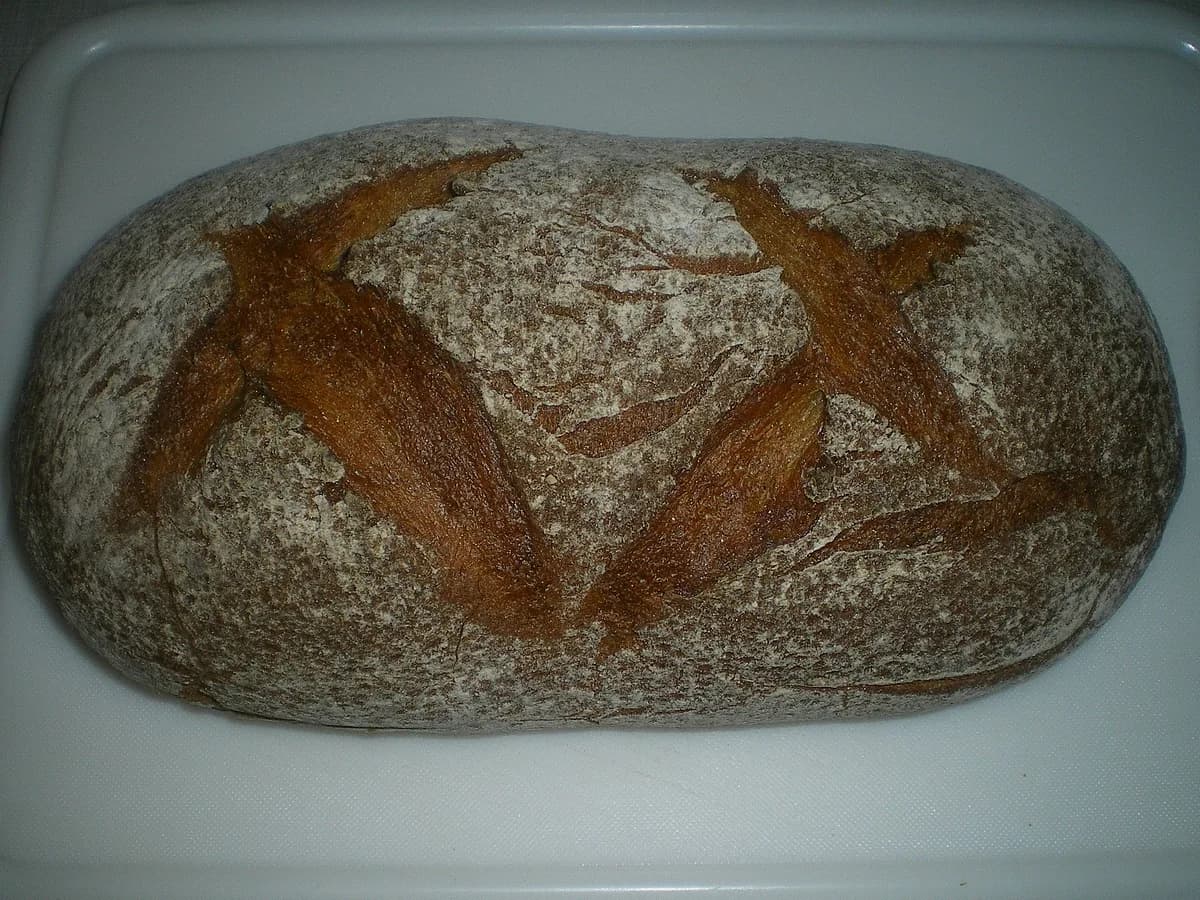
The bread sets the tone. Roggenbrot is rye bread, Vollkornbrot is whole grain bread, and Pumpernickel is a dark, dense rye loaf with a sweet, malty edge. German bakers work with a very wide range, which is why the same toppings never feel repetitive across a week of dinners.
Denser loaves slice thin and hold a smear of Leberwurst or a slice of cheese without collapsing, while lighter rye and wheat loaves suit butter and radishes. A German rye bread with a sourdough starter and a scatter of caraway seeds behaves differently again, so try more than one loaf before you decide which one anchors your table.
If you are shopping in Germany rather than building the meal abroad, a German bakery is the easiest place to start, since the assistants will slice a loaf to the thickness you want. Pick up a few small rolls as well, because a Brötchen with butter and cheese is the portable version of the same meal.
The Spreads and Sides: Leberwurst, Obazda, Quark, Radishes, and Pickles
Leberwurst is a soft, spreadable liver sausage, and it is the most common answer to the question of what goes under the cold cuts. Obazda is a Bavarian spread of soft cheese with butter, onion, and paprika, looser and sharper than a plain cream cheese. Quark is a fresh, mild soft cheese that works as a base for herbs or as a lighter alternative to butter.
The vegetable side of Abendbrot is simple on purpose: radishes, cucumber, tomatoes, and pickles, sliced and piled. These add the crunch and acidity that keep a bread-heavy meal from feeling heavy. There is a version of Abendbrot built around radish in particular, with bread, a soft cheese, and salt, which shows how far a very short ingredient list can go.
Boiled Eggs, Smoked Fish, and Pickled Herring
Eggs and fish are the optional extras that turn a light plate into a full meal. Hard-boiled eggs are peeled, quartered, and eaten with mustard and bread; smoked salmon and pickled herring appear in some households, especially in the north and along the coast. Pickled herring in particular brings the salt and vinegar that a bread-based dinner benefits from.
If you are assembling Abendbrot for people who expect a proper dinner, this is where to add weight: a bowl of boiled eggs and a jar of herring do more than a third cheese. Keep the fish cold and serve it last so it does not sit out.
Mustard and the Other Condiments
German mustard runs from mild to sharp, and a spoonful next to the cold cuts is standard rather than a garnish. It cuts through the fat of Leberwurst and cheese and gives the plate a lift without extra cooking. Pickles do the same job from the other direction, with vinegar instead of heat.
A workable rule for the table is one mild mustard and one sharper one, plus a jar of pickles and a small dish of salt. That covers the savory side of Abendbrot without turning the table into a condiment shelf.
What Germans Drink With Abendbrot
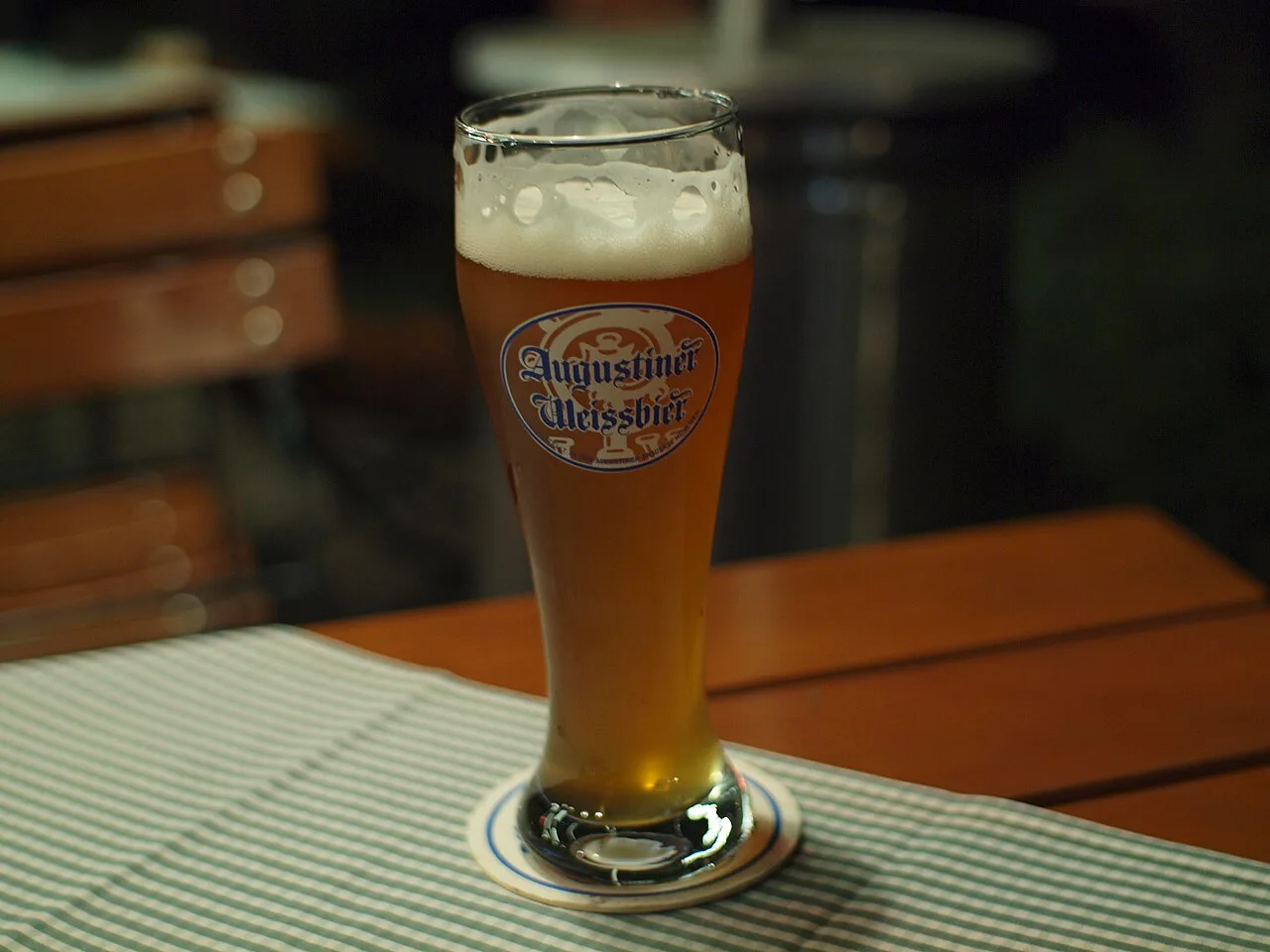
The drink is modest. Tea or herbal infusions are common in colder months, and Apfelschorle, apple juice mixed with sparkling water, is a popular everyday choice. Some households pour milk with the meal, and a light Pilsner or Weizenbier (wheat beer) can accompany bread and cheese.
Treat the beer as a table drink rather than the point of the evening: one bottle alongside the spread fits the meal, and the cold bread and cheese are the main event. If you are drinking, the same moderation you would apply at a German lunch applies here.
How Abendbrot Works in Daily Life: The Shared Table and Conversation
Abendbrot is a shared table, not a service. People sit down in the early evening, slice what they want, and talk; the meal is as much a household ritual as a menu. The format rewards a slow pace, because a board of bread and cold cuts stays good for an hour while conversation carries on.
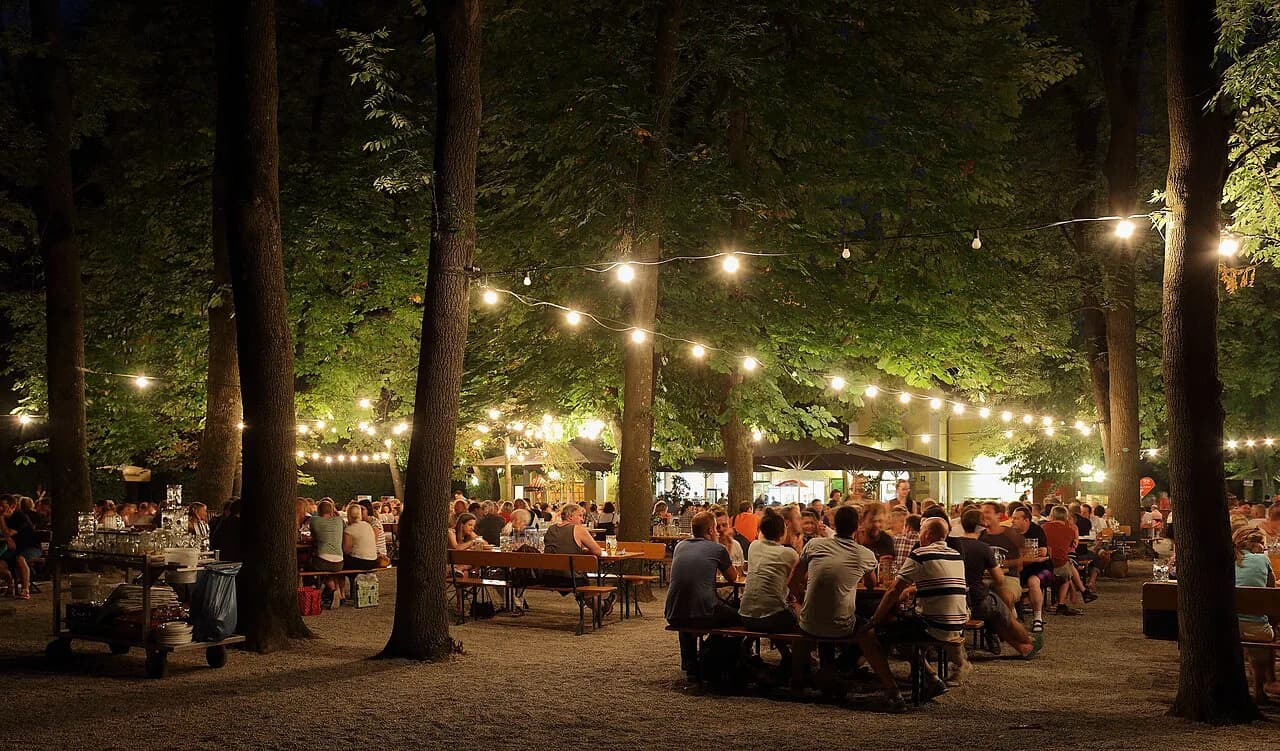
That is the part travelers rarely see in restaurants, and the part worth borrowing. Even in a hotel room or an apartment rental, a loaf, butter, cheese, cold cuts, and a bag of radishes get you close to the real thing. In Bavaria the same cold plate logic appears in a Brotzeit, the snack spread served in beer gardens and taverns, so ordering one gives you a sense of the format before you try it at home.
How Abendbrot Has Changed in Modern German Households
Modern life has stretched the old pattern. Urban households without time for a long midday Mittagessen sometimes swap the order and eat a hot dinner in the evening, and international flavors such as hummus, avocado, and Mediterranean cheeses have joined the table alongside Leberwurst and Gouda. Some spreads now include a warm soup or a grilled cheese sandwich.
What survives is the core idea: a simple, unpretentious meal with good bread and good company. It also fits a broader trend toward fresh, local, and sustainably minded eating, because the ingredients are bought rather than cooked.
Build Your Own Abendbrot Spread
Start with one good rye loaf, a spreadable sausage or Quark, two or three sliced cheeses, a pack of cold cuts, butter, mustard, and a bag of radishes with a jar of pickles. Add boiled eggs if you want the plate to feel like dinner, and keep the drinks simple: tea, Apfelschorle, or a single light beer.
For a warm extra that still fits the format, split and butter a Bavarian pretzel and set it next to the bread board. Shop for the bread the same day you eat it and slice only what the table will finish, since the meal depends on fresh bread rather than reheating.
Sources
Notes for your next German food trip
Optional updates to our guides.
You might also like
Continue reading
More guides you'll find useful