
Bärlauch: What Wild Garlic Is and How to Eat It in Germany
Bärlauch is wild garlic, a spring leaf with a mild garlic and chive flavor. Here is what it is, when it appears in Germany, and how it reaches your plate.
On this page
Bärlauch is wild garlic: the young leaf of Allium ursinum, a plant in the onion family that tastes like garlic but milder, with a green chive edge. In Germany it reads as a spring food, sold and cooked before the plants flower, and it turns up in cheese, bread, Maultaschen (filled pasta pockets) and pesto. This guide covers what the leaf tastes like, why its German name means bear's garlic, and which parts of the plant are worth eating.
If you know American ramp, expect a cousin rather than a twin. Ramp is a separate North American species (Allium tricoccum) with a more onion-like flavor that grows wild in the US, so a recipe built for one tastes different with the other.
What Bärlauch Is
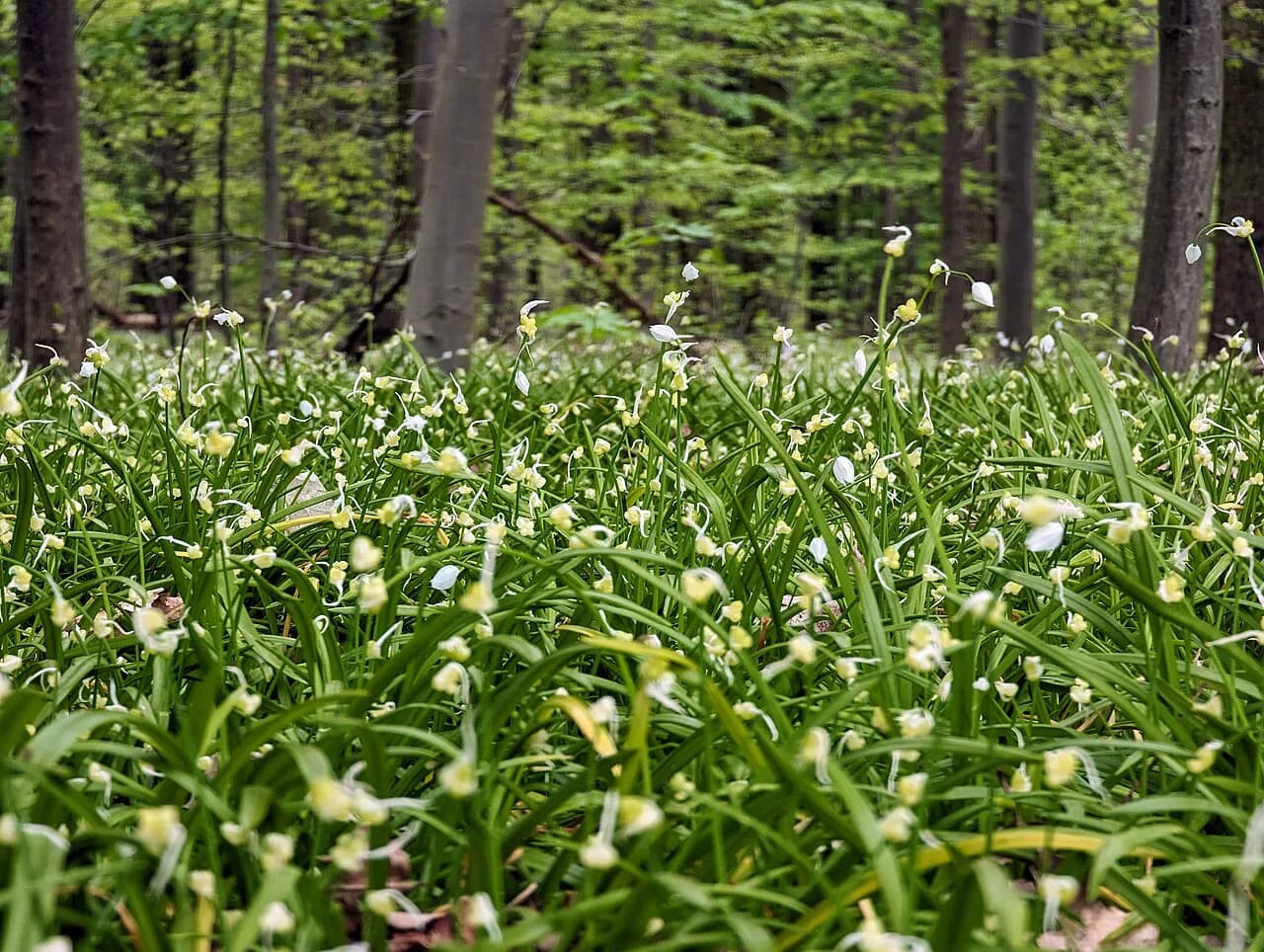
Bärlauch belongs to the onion family and is known in English as wild garlic, bear's garlic or ramson. The plant is native to Western and Central Europe, where it carpets woodland floors in spring. Its edible part is the young leaf, best picked and eaten fresh before the plant starts flowering.
You will hear the leaf called Bärlauch in Germany, ail des ours in French and daslook in Dutch, and most of those names translate to bear's garlic, bear's leek or bear's onion. The Latin species name, ursinum, comes from the word for bear too. Recognizing the pattern helps when you read a foreign menu and meet the same green under a different name.
What Bärlauch Tastes Like
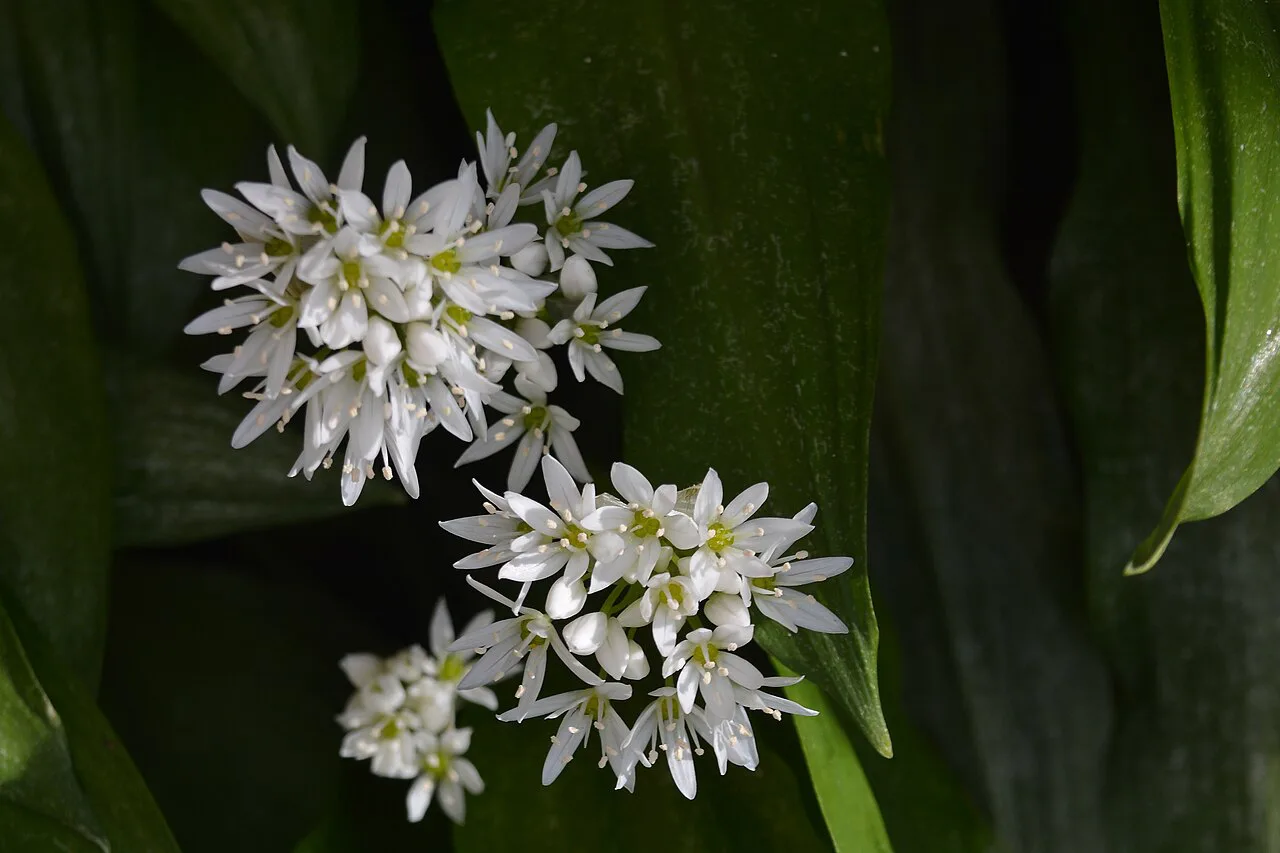
The flavor sits close to garlic but softer, greener and less pungent, which is why it works in dairy, eggs and pasta as well as in sauces. The aroma is strongest in fresh leaves and fades as they sit.
What is Bärlauch in English? Bärlauch is wild garlic, also called bear's garlic or ramson. It is the young leaf of Allium ursinum, a plant in the onion family native to Western and Central Europe, and it tastes like a milder garlic with a chive edge.
Can you eat wild garlic? Yes. The young leaves are the part that gets eaten, ideally fresh and before the plant flowers, and they appear in cheese, bread, Maultaschen and pesto.
Is Bärlauch the same as ramp? No. American ramp is Allium tricoccum, a separate North American species with a more onion-like flavor, while Bärlauch is Allium ursinum from Europe.
As the plant blooms, the flavor softens and loses some of its edge. Flowering Bärlauch still works in the kitchen, but the leaf is at its most interesting earlier in its run. If you want the punchy version, shop before the white flowers open.
The Name: Why It Is Called Bear's Garlic
The bear connection runs across most European languages, from German Bärlauch to French ail des ours and Spanish ajo de oso, and the Latin name carries it too. A widely told explanation is that bears, waking from winter sleep, feed on the plant early in spring. Treat that as folklore attached to the name rather than settled science; what is documented is how consistently the bear appears in the naming.
The English word ramson has murkier roots, with cognates in Swedish and regional German but no clear origin. In practice, English speakers in Germany switch to the German name because that is what appears on menus and market signs. Learn to say it and you can ask for it by name.
When Bärlauch Appears in Germany
Bärlauch is a spring leaf, and its harvest window closes as the plants begin to flower. In Swabia, the green can carpet woodland in April and May, and its garlicky smell often gives it away before you see it. Think of it as a short season, closer in spirit to asparagus than to a year-round herb.
Because the season is short, restaurants that use it flag it loudly while it lasts, and spring menus, market stalls and bakery specials cluster into the same few weeks. If you are traveling in Germany in early spring, Bärlauch is one of the clearest signals that the kitchen has changed over from winter.
The same pattern governs other German seasonal food, and once you notice it, planning around the calendar gets easier: Bärlauch and asparagus in spring, then Pfifferling (chanterelle) mushrooms as the woods warm up.
Which Part Gets Eaten
The leaf is the prize. Young leaves are harvested before flowering, ideally fresh, and they carry the aroma that makes the plant worth seeking out. The bulb exists but is much smaller than a garlic bulb and is only rarely used, so there is no reason to dig for it.
At a market stall, that means buying a bundle of clean, unbruised leaves rather than roots. Leaves that are already wilting have lost much of what you came for, so buy them close to when you plan to cook.
How Bärlauch Shows Up on German Menus and Market Tables
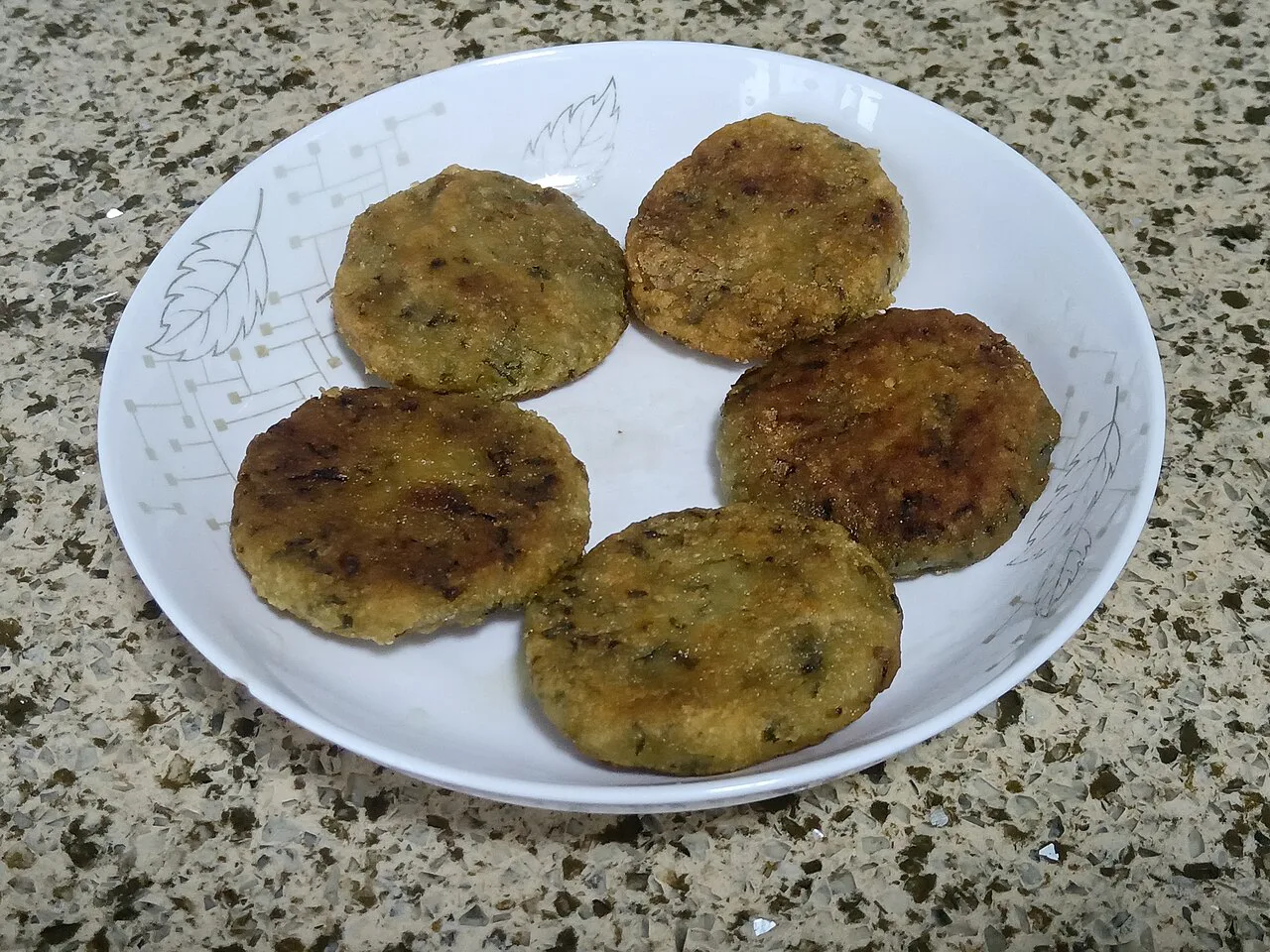
Markets and restaurants work the leaf into cheeses, breads and springtime Swabian Maultaschen, and it also appears simply boiled as a side dish. That range tells you how Germans treat it: as a vegetable in its own right, not just a flavoring.
Pesto is the other obvious use, and it is where the leaf's intensity becomes a practical question rather than a flavor note. The green color suggests basil, but the taste is far more assertive. A jar from a market stall is a low-commitment way to try it before cooking a batch yourself.
Bread and herbed quark are gentler entry points, and they suit a spring breakfast table just as well as the Easter dishes of the same weeks.
Why a Little Goes a Long Way
Bärlauch looks like a soft salad leaf but behaves more like a strong seasoning. The sulfur compounds behind the garlic aroma are concentrated enough that a large handful can overwhelm a dish and leave a burning sensation on the tongue. Pesto is the classic place this goes wrong, because the leaf goes in raw and in volume.
Start small and build up. Sliced thin into ribbons, the leaf flavors pasta, roasted meat or a pizza topping without taking over, and heat mellows it further. Cooking whole leaves on a pizza or wrapping meat before roasting are forgiving first attempts.
Where to Look for It
In the wild, Bärlauch grows in dense woodland patches that smell strongly of garlic in spring. For a visitor, though, a restaurant spring menu or a farmers' market stall is the easier route.
On a market table, look for bundles of broad green leaves sold alongside asparagus and spring onions. Ask for Bärlauch by name, and check restaurant menus for the word itself, since that signals the kitchen is cooking with the fresh leaf.
Bärlauch Versus American Ramp
American ramp, Allium tricoccum, is a different species, and cooks describe its flavor as more onion-like than Bärlauch. Both are wild alliums harvested in spring and used in similar ways, but they are not interchangeable in a recipe. If you know ramp from home, expect a gentler, greener garlic note.
The confusion is understandable: English uses wild garlic for the European plant, while American cooks say ramp for their own. Wild garlic on a German menu means Bärlauch; ramp in the US means the North American species.
How to Handle It If You Bring Some Home
Treat Bärlauch like a tender herb: keep it cool, use it soon and wash it well. Fresh leaves lose aroma quickly, so a bundle bought in the morning is worth more than one kept for days.
When cooking, add it late and in modest amounts. Heat softens the garlic edge, so a dish that tastes right at the end of cooking will taste milder at the table. Start small, taste as you go and adjust.
Should You Seek Out Bärlauch?
Yes, if you are in Germany in spring and want to taste something the season actually changes. Bärlauch is at its best fresh, before flowering, and in modest amounts; the leaf is the part worth eating, and a small handful goes further than it looks. Start with bread, cheese or Maultaschen for a gentle introduction, and use it sparingly if you cook.
Explore more Germany guides
Frequently Asked Questions
What is Bärlauch in English?
Bärlauch is wild garlic, also called bear's garlic or ramson. It is the young leaf of Allium ursinum, a plant in the onion family native to Western and Central Europe, and it tastes like a milder garlic with a chive edge.
Can you eat wild garlic?
Yes. The young leaves are the part that gets eaten, ideally fresh and before the plant flowers, and they appear in cheese, bread, Maultaschen and pesto. The bulb is much smaller than a garlic bulb and only rarely used.
Is Bärlauch the same as ramp?
No. American ramp is Allium tricoccum, a separate North American species with a more onion-like flavor, while Bärlauch is Allium ursinum from Europe. The two are used in similar ways but do not taste the same in a recipe.
Sources
Notes for your next German food trip
Optional updates to our guides.
You might also like



Continue reading
More guides you'll find useful





