
Seasonal Food in Germany: What to Eat Month by Month
German menus follow the calendar, from April asparagus to autumn game and winter kale. Here is what to order in Germany month by month.
On this page
The fastest way to eat well in Germany is to order whatever the menu says is in season right now, because Gasthäuser build their specials around what regional farms and forests are harvesting. A board advertising Spargel in April or Pfifferlinge in September tells you more about the kitchen than any printed menu. This guide walks through the German food year season by season, names the dish to order, and gives you the menu words to recognize it.
Seasonal and regional eating also keeps money and freshness local, since produce travels a shorter distance and arrives riper, which is why a spring asparagus plate or an autumn mushroom pan often tastes better than the same dish out of season. The point for a traveler is practical: the seasonal special is usually the kitchen's best value and its proudest cooking, so it is the thing to order.
What Seasonal Eating Means on a German Menu
German cooking is organized around the harvest calendar more than most visitors expect. Restaurants print changing specials boards, bakeries shift from strawberry tarts to plum cake, and market stalls appear and vanish with the crops. Ordering the seasonal dish is the single easiest way to eat like a local without research.
Eating with the calendar is also a matter of quality, since produce harvested at peak ripeness generally tastes better and carries more of its nutrients than crops shipped from far away. That logic drives the German habit of waiting for Spargel or Pfifferlinge instead of buying them flown in year-round, and it explains why a seasonal special often costs less than a complicated year-round dish.
Two German habits shape late-winter and early-spring menus. The fasting period before Easter pushes meat-free dishes onto specials boards, and the first green shoots of the year get celebrated as they arrive. Bärlauch, or Allium ursinum, wild garlic, is the clearest example: it carpets woodland in spring and turns up in soups, pesto and butter for a few weeks only.
Spring: Asparagus Season and How Germans Eat It
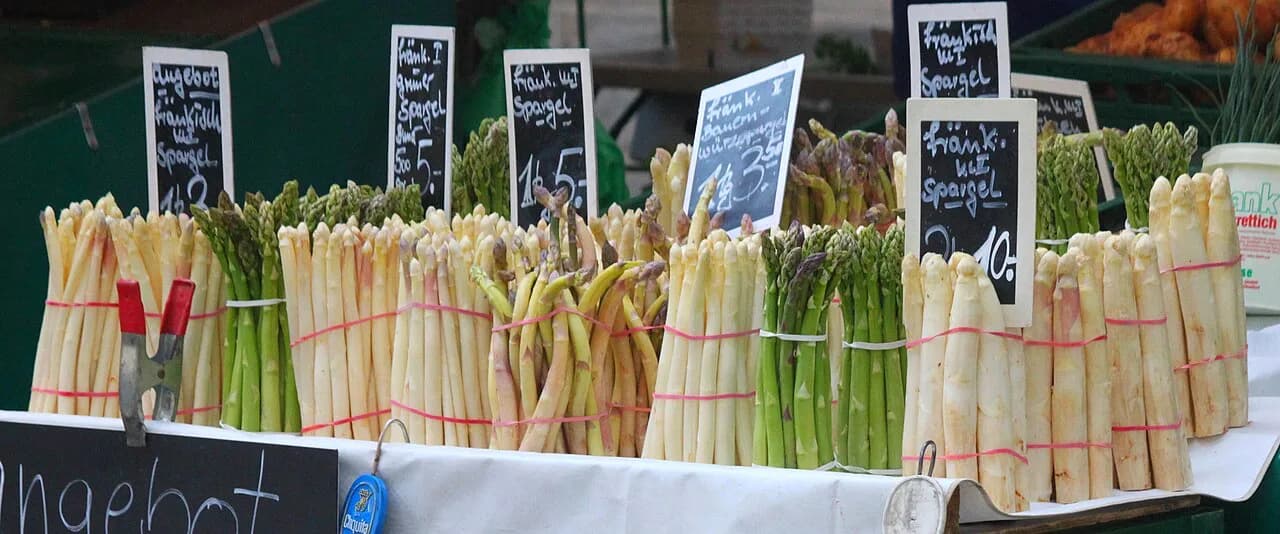
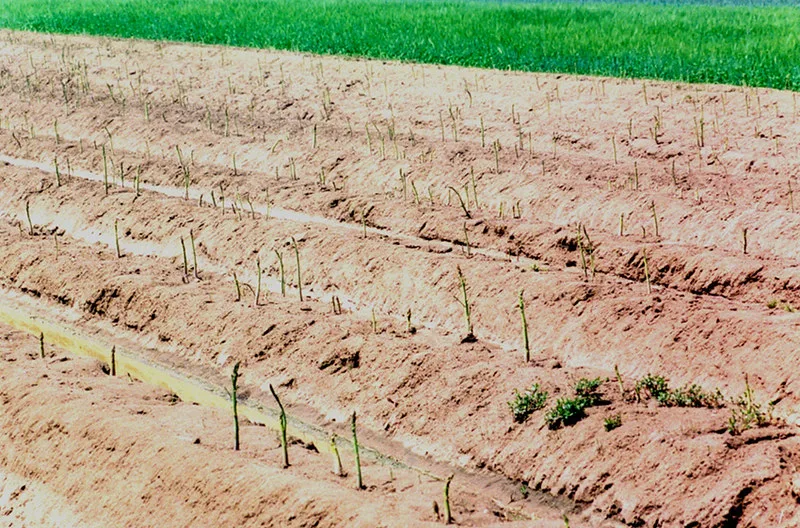
Asparagus season, Spargelzeit, is the biggest event in the German food year, and the classic order is white Spargel with Hollandaise sauce, boiled potatoes and ham. White asparagus is grown under soil so it stays pale and mild, and Germans treat its arrival as a reason to eat it several times a week.
What is Spargelzeit? Spargelzeit is German asparagus season, when restaurants and market stalls sell white and green asparagus, usually with Hollandaise sauce, potatoes and ham. It falls in spring and is the most anticipated food season in the German calendar.
What are Pfifferlinge? Pfifferlinge are chanterelles, golden wild mushrooms that appear on German menus in autumn. They are served in cream sauces, with spätzle or in omelets, and they have a faint apricot scent.
What is Grünkohl? Grünkohl is curly kale, a northern German winter vegetable cooked slowly and served with smoked sausage such as Pinkel, or with Kassler and potatoes.
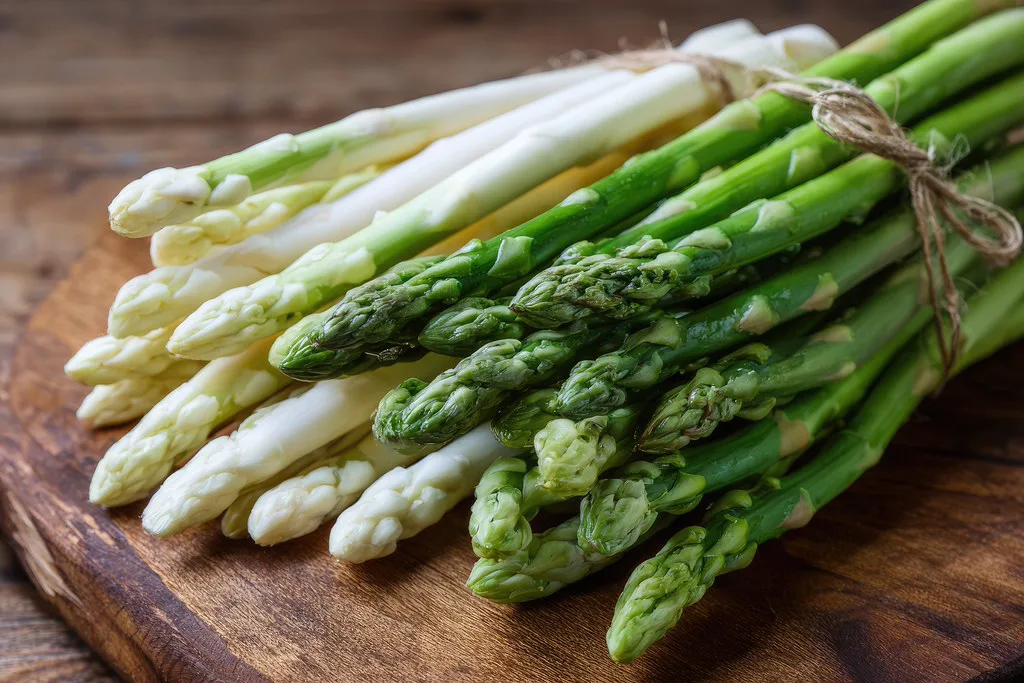
The season is short, and German asparagus runs on a spring rhythm similar to the roughly six-week British window, so restaurants cram their menus with it while it lasts. Look for Spargel on chalkboards and stands selling bundles at the roadside. Green asparagus is served too, often roasted or in salads, and it is the easier vegetable for a kitchen to get right.
Order Spargel with Hollandaise if you want the full traditional plate, or with browned butter and potatoes for something lighter. Many Gasthäuser offer a small and a large portion, so ask for the kleine Portion if you want room for dessert. Prices vary by region and portion size, and the chalkboard is the place to check.
Spring: Rhubarb, Spring Onions and Early Greens
Before asparagus peaks, rhubarb carries the spring dessert menu. Rhabarber appears in compotes, cakes and tarts, usually with enough sugar to balance its tartness, and it is one of the first things a German bakery puts on the counter after winter.
Spring also brings early salad greens and spring onions, which show up in simple starters and side salads. Feldsalat, lamb's lettuce, is a cold-weather favorite that bridges winter and spring, usually dressed with a sharp vinaigrette and sometimes topped with bacon. If you see it on a menu, it is a good sign the kitchen is cooking with the season.
Frankfurt has its own spring ritual in Frankfurt Green Sauce (Grüne Soße), a cold herb sauce made with a fixed set of greens and served with boiled eggs and potatoes. It is worth ordering in the Rhine-Main region when it appears on menus, and it turns up in ordinary taverns as well as smarter restaurants.
Early Summer: Strawberries, Cherries and the First Berries
German summer begins at the strawberry stand. Erdbeeren appear at roadside stalls and weekly markets, and bakeries turn out strawberry cakes and tarts while the fruit is sweet. Buying a punnet at a stand and eating it outdoors is one of the simplest pleasures of a German June.
Cherries, Kirschen, follow close behind, sold by the kilo at markets or folded into cakes and compotes. Look for the darker sweet varieties for eating fresh and the sour ones for baking. A bowl of cherries from a market stall is a better souvenir than anything in a gift shop.
Early summer is also when the first outdoor tables appear at a Biergarten, and the menu shifts toward lighter plates: salads, cold cuts, and grilled sausages with bread. Beer gardens are places to eat and drink in the open air, and the food is deliberately simple so the kitchen can keep up with the crowds. A halbes Hendl, half a roast chicken, is the classic order at a Munich-style garden.
Summer: Apricots, Plums and Lighter Dishes
High summer brings apricots, Aprikosen, and the first plums, Pflaumen, to markets and bakery counters. Southern regions grow more stone fruit, while the north relies on imports and greenhouses. A slice of apricot cake with coffee in the afternoon is a very German way to spend an hour.
Summer menus lean on cold plates, salads and grilled meats, and German beer is at its most refreshing in the heat. Beer gardens and brewery taps fill up, and lighter wheat beers, Weizen, are popular in the south. Keep the pace moderate and drink water alongside, especially on hot afternoons.
Matjes, young herring served with onions and potatoes, is a northern summer classic tied to the herring catch. It is mild, slightly sweet and usually served cold with a simple dressing. In coastal cities and Hamburg, it appears on tavern menus through the warm months.
Late Summer and Early Autumn: Plums, Damsons and Plum Cake
As summer fades, Zwetschgen, the oval prune plums, take over from softer eating plums. They bake beautifully, and Pflaumenkuchen, plum cake, is the season's signature bake: a yeasted or shortcrust base covered with halved plums and streusel. Order it warm with coffee at a Konditorei or bakery cafe.
Damson-like varieties also go into schnapps and preserves, and markets sell them by the basket for cooks. In the southwest, plum season overlaps with the first game and mushroom dishes, so a single menu can show the year turning. If you want to taste the transition, order a plum cake for dessert and a mushroom starter to begin.
Plum cake is often sold by the slice at bakeries rather than restaurants, so plan an afternoon stop rather than expecting it on a dinner menu. The best versions use fruit that is still slightly tart, which keeps the cake from turning cloying.
Autumn: Chanterelles and Other Wild Mushrooms
Autumn is mushroom season, and the Pfifferling, chanterelle, is the star. They appear in cream sauces with spätzle, on toast, in omelets and alongside game. The golden color and faint apricot scent make them easy to recognize, and German menus name them proudly.
Foragers should know that chanterelles have a toxic lookalike, the Falscher Pfifferling, which has true gills rather than ridges. If you pick your own, learn the difference before cooking anything. Most travelers will simply order them in restaurants, where the kitchen takes on that risk.
Mushroom dishes are rich, so pair them with a light beer or a glass of dry white rather than a heavy dark beer. In the Black Forest and Bavarian forests, mushroom plates show up on village Gasthaus menus as soon as the rains come. Prices reflect scarcity, and a plate of Pfifferlinge can cost more than a schnitzel.
Autumn: Game on Late-Year Menus
Wild, game, appears on German menus in autumn and early winter: venison, boar and hare, often braised with juniper, red cabbage and dumplings. It is restaurant cooking rather than supermarket food, and good places take reservations for game season because the dishes take time to prepare.
Order venison, Hirsch, with Spätzle or dumplings and a dark sauce, and ask whether the meat is local. Many rural Gasthäuser source from nearby forests and say so on the menu. Game is richer than pork or chicken, so a single main course is usually enough for two light eaters.
Beer with game works better than you might think: a malty dark lager or a mild bock complements the sauce without overwhelming it. Germany's brewing regions, from Bavaria to North Rhine-Westphalia, all produce suitable dark beers. Ask the server for a recommendation rather than guessing from the label.
Autumn and Winter: Pumpkin and Squash Dishes
Kürbis, pumpkin and squash, takes over menus from late September. German kitchens use it in soups, risotto, gnocchi and roasted vegetable plates, and the orange flesh suits the cooling weather. Pumpkin soup with a swirl of cream or oil is the most common starter.
Not all pumpkins are for eating; some varieties are grown for decoration and are stringy or bland. Restaurants use culinary varieties, so order pumpkin in a kitchen that specializes in it; at market stands, ask which variety is for cooking. Prices and varieties vary by stall, so check current offerings before you buy.
Late Autumn: Goose and Cabbage
Roast goose, Gans, is the centerpiece of late-autumn German menus, traditionally served with red cabbage and dumplings. It is a restaurant and family-occasion dish rather than an everyday order, and many Gasthäuser require advance booking for a whole goose.
The bird is tied to St. Martin's Day in November, when Martinsgans appears on menus across the country. If you want to try it, book a table at a traditional restaurant and expect a long, slow meal. Portions are large, so share a whole goose among a group or order the sliced version for one.
Alongside goose, cabbage dishes take over: Rotkohl, braised red cabbage, and Grünkohl in the north. These are cold-weather comfort foods, and they pair well with the region's beers and with a slice of dark bread. If you are in Germany in November, a goose dinner is worth planning around.
Winter: Curly Kale in Northern Germany
Grünkohl, curly kale, is the north German winter vegetable, and it is eaten with Pinkel, a smoked sausage, or with Kassler and boiled potatoes. The dish is hearty, slightly bitter and designed for cold weather. Bremen and the surrounding region are particularly associated with it.
Traditional recipes cook the kale for a long time with onions and fat, which softens its texture and deepens the flavor. It is not a quick dish, and taverns that serve it often make it in large batches. Order it with mustard on the side and a light beer rather than a heavy one.
Curly kale is a traditional northern German winter vegetable, served at cold-weather meals rather than only at holiday events. If you are in the north in winter, look for Grünkohl on tavern chalkboards.
Winter: Root Vegetables, Apples and Stored Produce
From December through February, German kitchens rely on stored roots and fruit. Carrots, parsnips, leeks, celeriac and cabbage keep through the cold months, and apples are the country's most popular fruit by volume. Expect soups, braises and baked apples rather than delicate salads.
Apples appear in cakes, compotes and stuffings, and a warm apple strudel with cream is a reliable winter dessert. Markets sell stored apples alongside pears and quinces. If a menu offers apple with pork or game, that is the kitchen cooking the season rather than importing summer.
Winter is also the season for hearty stews and soups such as lentil soup, Linsensuppe, and goulash, which appear on lunch menus in pubs and canteens. These are cheap, filling and often better than they sound. Order a bowl with bread for a warming midday meal.
Everyday Seasonal Cues: Markets, Stands and Bakery Specials
Weekly markets, Wochenmärkte, are the best place to see the season at a glance. Stalls shift from asparagus in spring to berries in summer, plums in early autumn and roots and cabbage in winter. Market days vary by town, so check the local schedule before you go.
Roadside stands sell asparagus in spring and strawberries in early summer, often from farms within a short drive. They are usually cash-friendly and worth a stop. Bakeries mirror the markets: strawberry tarts in June, plum cake in September, and apple cakes through the winter.
In spring, Easter breakfast tables in Germany often feature colored eggs, sweet breads and spring cheeses. Bakeries sell special Easter breads and lamb-shaped cakes in the weeks before the holiday. If you are traveling in spring, a bakery breakfast is an easy way to taste the season.
How to Order Seasonal Dishes: German Menu Words
Learn a handful of words and the specials board opens up. Spargel means asparagus, Pfifferlinge are chanterelles, Wild is game, Grünkohl is curly kale, and Zwetschgen are prune plums. Erdbeeren are strawberries, Kirschen are cherries, Rhabarber is rhubarb, and Kürbis is pumpkin.
On menus, look for words like saisonal, seasonal, and regional, regional, which restaurants use to signal local sourcing. Tageskarte is the daily menu and often carries the freshest specials. Fragen Sie nach dem Saisongericht, ask for the seasonal dish, is a useful phrase if you want a recommendation.
When you order, ask whether the dish is available today, since seasonal boards can outlive the supply. Servers are used to questions and will tell you what just came in. Smaller Gasthäuser often take cash, so carry some euros even if cards are accepted elsewhere.
Months at a Glance: A Seasonal Table for Travelers
Spring, roughly April to June, is asparagus, rhubarb, wild garlic and early strawberries. Summer, June to August, brings cherries, apricots, plums and lighter beer-garden food. Autumn, September to November, is chanterelles, game, pumpkin, plum cake and the start of goose season. Winter, December to March, is kale, roots, apples, cabbage and hearty stews.
Use the table as a rough frame rather than a fixed calendar, since German regions differ: the north leans on kale and herring, the south on asparagus and mushrooms. A single trip in late September can hit mushrooms, plums and the first game. If you want one seasonal highlight, pick a region and eat what it is known for.
Which Season Should You Eat Around?
If you can choose when to travel, spring and autumn give the most distinctive German eating. Spring means Spargel and wild garlic, and autumn means Pfifferlinge, game and plum cake, both with menus that change week by week. Summer is easier for beer gardens, and winter belongs to kale, roots and long braises.
Wherever you land, order the seasonal special and ask the server what is local. That habit will take you further than any list, and it is how German kitchens expect to be eaten from.
Explore more Germany guides
Frequently Asked Questions
What is Spargelzeit?
Spargelzeit is German asparagus season, when restaurants and market stalls sell white and green asparagus, usually with Hollandaise sauce, potatoes and ham. It falls in spring and is the most anticipated food season in the German calendar.
What are Pfifferlinge?
Pfifferlinge are chanterelles, golden wild mushrooms that appear on German menus in autumn. They are served in cream sauces, with spätzle or in omelets, and they have a faint apricot scent.
What is Grünkohl?
Grünkohl is curly kale, a northern German winter vegetable cooked slowly and served with smoked sausage such as Pinkel, or with Kassler and potatoes.
Why do German menus change so often?
German kitchens build their specials around what regional farms, forests and markets are harvesting, so the board shifts from asparagus in spring to berries in summer, mushrooms in autumn and roots in winter.
Sources
Notes for your next German food trip
Optional updates to our guides.
You might also like



Continue reading
More guides you'll find useful



