
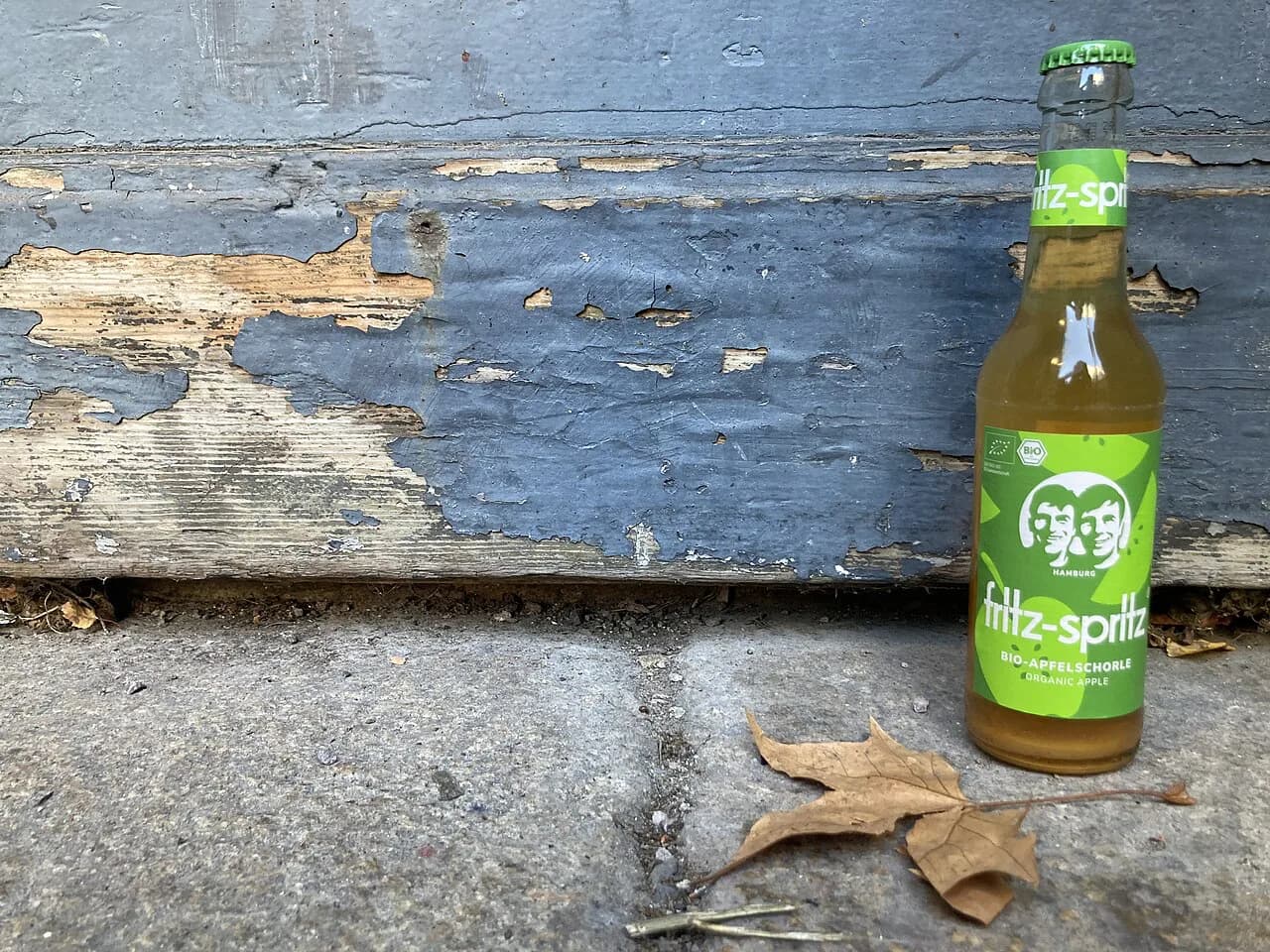
Apfelschorle: Germany's Fizzy Apple Juice Drink, Explained
Apfelschorle is apple juice mixed with sparkling water, roughly half and half. Learn the German name, the taste and how to order one in Germany.
On this page
Apfelschorle is apple juice mixed with sparkling mineral water, roughly half and half, and it is one of the most popular non-alcoholic drinks in German-speaking Europe. Order it with a Schnitzel at lunch, at a café table in the afternoon, or with a slice of cake, and you get a pale, fizzy glass that tastes of apples rather than sugar. This guide covers what is in it, what the name means, how to say it and how to order it across Germany.
The appeal is simple: the fizz and the water stretch out the juice, so a glass drinks lighter and less sweet than straight apple juice and stays refreshing next to heavy food. If you are building a lunch order in a beer garden and want something alcohol-free that still feels like a treat, this is the usual move.
What Apfelschorle is
Two ingredients, no more: apple juice and carbonated water, poured together at about a 1:1 ratio. Because the water is sparkling rather than still, the drink keeps a light prickle on the tongue and a clean, tart-apple finish. The mix is common enough that German menus list it as a standard soft drink rather than a specialty, and it appears in everything from village Gasthäuser to city cafés.
There is no single recipe carved in stone, but the half-and-half balance is the reference point. Some places pour it juicier, some more watery, and the glass you get will tell you which way the house leans. If you want more apple flavor, ask for it with less water; if you want it lighter, ask for more.
Why Germans order it
Apfelschorle solves a practical problem: Germans often want a cold, fizzy drink with a hot meal but not a sweet soda and not alcohol at midday. The juice gives it flavor while the sparkling water keeps it from being cloying. It is the default order for anyone pacing themselves through a long brewery lunch or a day of walking.
What is the German fizzy apple drink called? Apfelschorle. It is apple juice mixed with sparkling water, roughly half and half, and it is one of the most popular non-alcoholic drinks in German-speaking Europe.
Does Apfelschorle contain alcohol? No. Apfelschorle is only apple juice and sparkling water.
How do you pronounce Apfelschorle? Roughly AH-pfel-SHOR-leh, with a soft sh at the start of Schorle. German servers will understand it with an American accent, and you can always point at the menu.
At a beer garden it also works as the baseline compared to beer: one Apfelschorle and one Maß of beer sit at opposite ends of the table, and nobody questions either. For travelers watching how much they drink over a trip, it is an easy swap-in with a plate of Käsespätzle (soft cheese noodles) or a Schnitzel, both of which benefit from a sharp, fruity counterpoint.
Germans also mix juice with sparkling water at home. The bottled versions sold in supermarkets are convenient, but the drink is so simple that many households just pour it themselves and adjust the ratio to taste.
The name: Apfel, Schorle and the spritzer trap
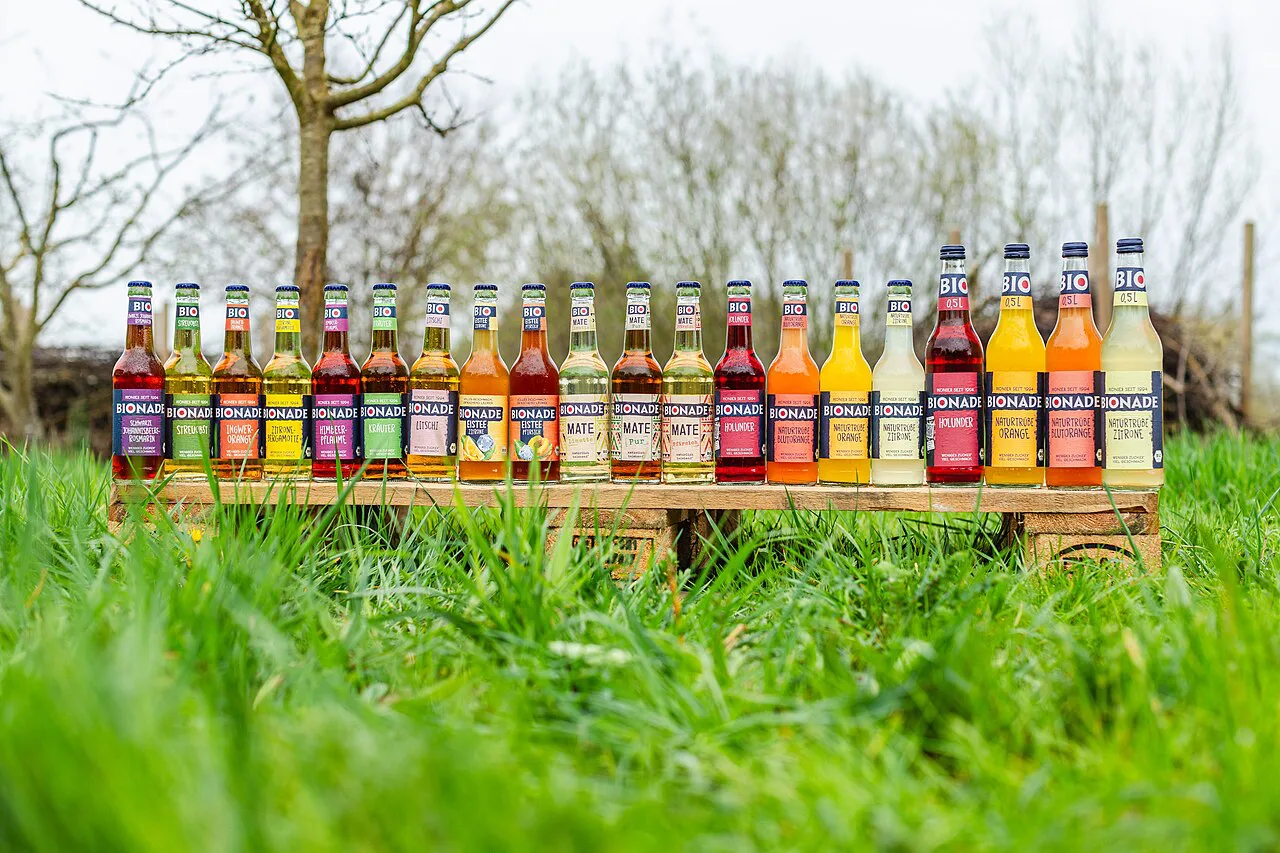
The word is a straight compound: Apfel means apple, and Schorle is the German term for a juice or wine mixed with sparkling water. Learn Schorle and the rest of the menu opens up, because the same word builds other drinks such as Saftschorle (any juice with fizzy water) and, with wine, Weinschorle. You will see all three on the same drinks list.
English menus sometimes call it an apple spritzer, which is the trap: in English a spritzer usually means wine and soda, but Apfelschorle contains no alcohol at all. If a bartender offers you a spritzer and you want the apple version, say Apfelschorle or ask for apple juice with sparkling water. The same logic applies to other fruit versions, which are named after the fruit plus Schorle.
How to say it and how to order
Say it roughly as AH-pfel-SHOR-leh, with a short, hard first syllable and a soft sh at the start of Schorle. German speakers will understand you even with an American accent, so the pronunciation does not need to be perfect, just clear enough to be recognized. If in doubt, point at the menu and say Apfelschorle.
In a restaurant or café, order it like any soft drink: Apfelschorle, bitte, and the server knows the rest. The drink usually arrives in a tall glass, and the bottled version is served at the table if that is what the bar carries. Bottled Apfelschorle is widely sold in Germany under labels such as Lift and Spreequell, alongside many regional producers. If your lunch stop is a beer garden, the same order works.
If you prefer a freshly mixed glass, ask for it gemischt, meaning mixed on the spot; many places will still bring a bottle, which is standard practice and no cause for complaint. Paying works the same as for any drink: when you are done, catch the server’s eye for the bill rather than waiting at the table indefinitely, and rounding up is where tipping in Germany comes in. The wider ground rules, from ordering at the table to paying separately, are covered in German restaurant etiquette.
Where it fits on the drinks list
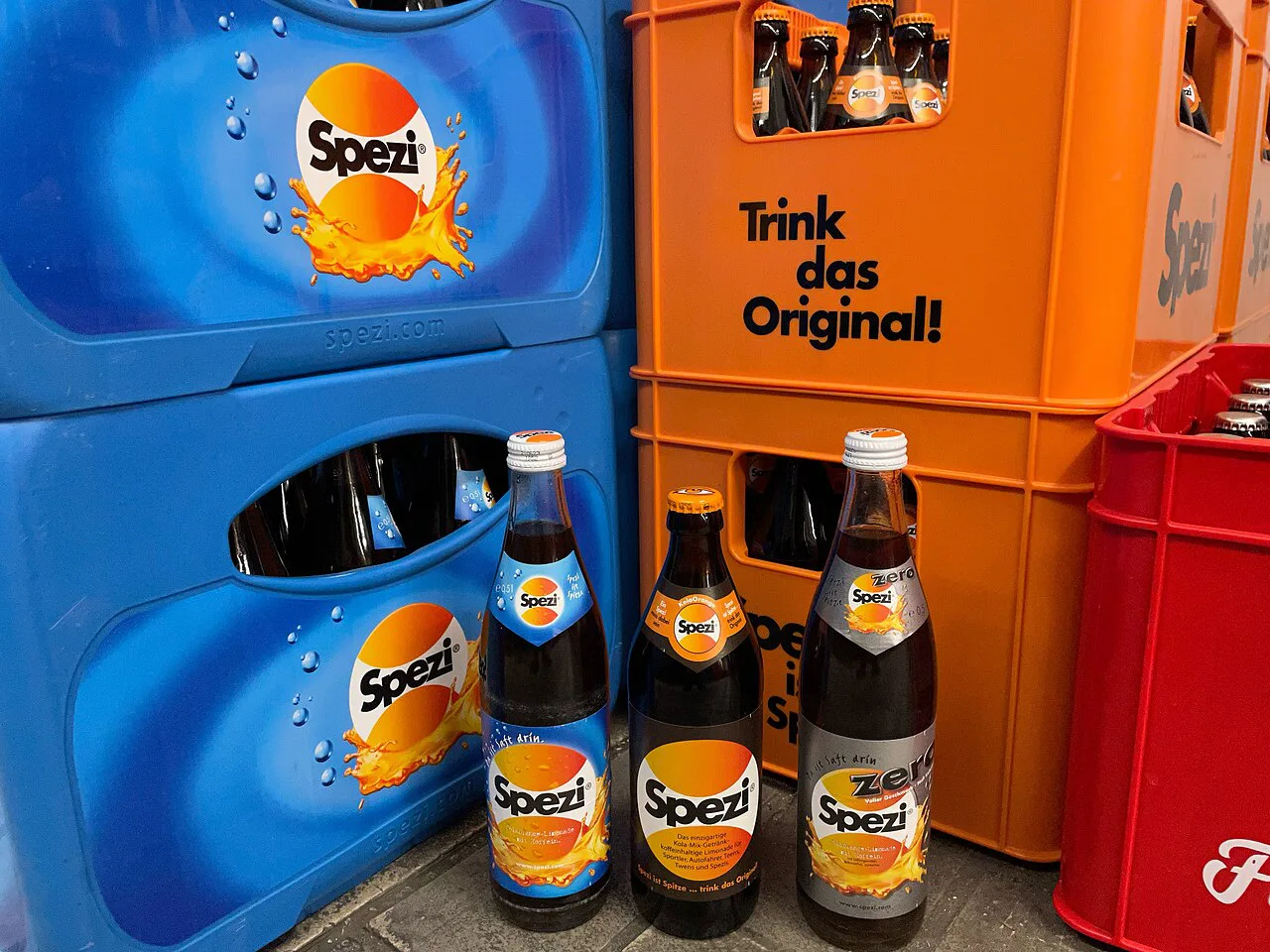
Apfelschorle shares a shelf with the other alcohol-free German standards. Spezi mixes cola and orange soda, while Fassbrause is a lightly fermented, malt-based drink that sits between soda and beer in flavor. Both are worth trying, but Apfelschorle remains the most universally available and the easiest to match to nearly any dish.
Order it as a lunch drink at a Gasthaus, with Kaffee und Kuchen in a café, or at a festival table where families are eating. Because it carries no alcohol, it works at any hour and for anyone at the table. It costs roughly what other soft drinks cost, and you can check the board or ask the price before ordering. If you want a sense of how drinks price against food, the food prices guide covers the general range.
Making Apfelschorle at home
Outside Germany, the drink is easy to recreate. Pour about equal parts chilled apple juice and sparkling mineral water into a glass, stir gently once or twice so you do not knock out all the fizz, and serve immediately. If you want it sharper, add a squeeze of lemon or use a tarter apple juice. Any flavored sparkling water will change the profile, so start with unflavored water.
The only real decision is the ratio. Start at half and half, taste, then push toward more juice if it feels thin or more water if it feels sweet. That flexibility is the point of the drink, and it is why German households rarely bother measuring.
Is Apfelschorle the drink to order first?
For a traveler who wants one dependable alcohol-free drink across Germany, Apfelschorle is the safest bet: it is on almost every menu, it tastes good with the food you came for, and it contains nothing more complicated than apple juice and sparkling water. Order it at the first lunch, then adjust the ratio to your taste the next time.
Learn the word Schorle and you have unlocked a whole family of drinks, from Saftschorle to the wine version. For everything from reading a menu to splitting the bill, see the broader guide to eating out in Germany.
Explore more Germany guides
Frequently Asked Questions
What is the German fizzy apple drink called?
Apfelschorle. It is apple juice mixed with sparkling water, roughly half and half, and it is one of the most popular non-alcoholic drinks in German-speaking Europe.
Does Apfelschorle contain alcohol?
No. Apfelschorle is only apple juice and sparkling water. The English name apple spritzer can mislead, because a spritzer in English usually contains wine, but the German drink does not.
How do you pronounce Apfelschorle?
Roughly AH-pfel-SHOR-leh, with a soft sh at the start of Schorle. German servers will understand it with an American accent, and you can always point at the menu.
What is juice called in German?
Saft. Apple juice is Apfelsaft, and a juice mixed with sparkling water is a Saftschorle. The word Schorle on its own means the fizzy mixture.
Sources
Notes for your next German food trip
Optional updates to our guides.
You might also like



Continue reading
More guides you'll find useful





