Nuremberg Cafés: Coffee, Kuchen and Where Locals Sit
Plan your Nuremberg café stops: Konditoreien for Kaffee und Kuchen, neighborhood bakeries and breakfast cafés, plus how ordering and paying work.
On this page
Nuremberg is a good coffee city, and the smartest way to use its cafés is to match the stop to the moment: a Konditorei for afternoon cake, a bakery counter for a fast morning pastry, a sit-down café for a long breakfast. This guide separates those three experiences, names the neighborhoods where each makes sense, and explains the German ordering and payment habits that trip up first-time visitors.
The city's café scene runs from the Altstadt, where cake-and-coffee breaks fit between errands and museum stops, out to residential quarters like Gostenhof, St. Johannis and the Pirckheimerstraße, where bakery branches sit on ordinary shopping streets. Getting the type of café right matters more than chasing a single famous address.
What a Nuremberg Café Stop Looks Like
A Nuremberg café stop is rarely a quick shot at a bar. It is a seat, a cup, and usually something baked, taken somewhere between mid-morning and late afternoon, and it can stretch from fifteen minutes at a bakery counter to a full hour over cake and a second coffee.
The rhythm follows the German day. Mornings belong to bakeries and breakfast cafés, the afternoon belongs to Konditoreien and their cake counters, and the gap in between is when a sit-down café is calmest. Plan the stop around that shape and you will rarely wait for a table.
Kaffee und Kuchen Explained
Kaffee und Kuchen means coffee and cake, and it works as an ordering routine rather than a fixed menu. You pick a slice from the display or the list, order a coffee alongside it, and sit down with both; the cake arrives plated and the coffee comes in a cup with a small jug of milk or cream on the side in many places.
The classic slot is mid-afternoon, roughly between the end of lunch and the start of dinner, which is why cafés fill up then. If you want the ritual without the crowd, take it earlier in the afternoon and treat it as a pause rather than a meal.
Traditional Konditoreien and Altstadt Cafés
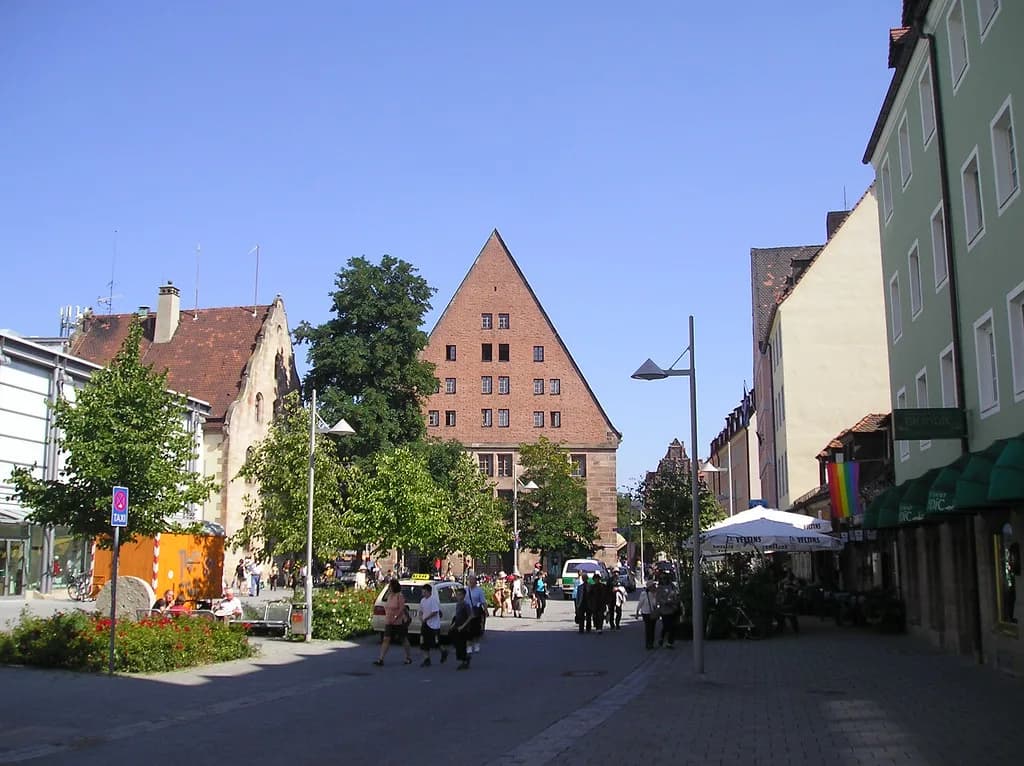
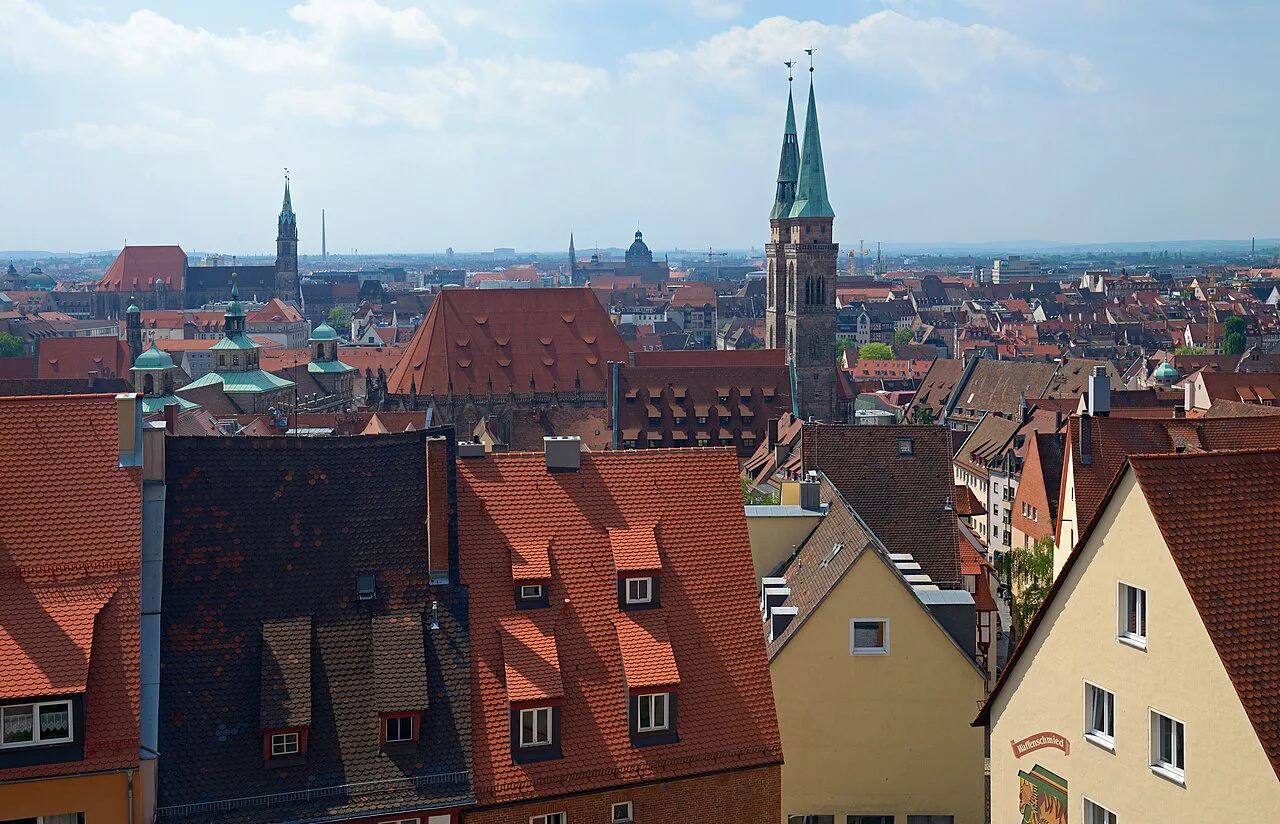
A Konditorei is a confectioner's shop with a café attached: glass cases of tortes and pastries at the front, tables at the back or on a terrace. The Altstadt has plenty of cafés and terraces set up for exactly this kind of break, and they suit a day built around the historic center.
In practice, order at the counter if you are taking cake away, or wait to be seated if there is table service. Look at what is in the case before you sit: the choice changes daily, and pointing at a slice you like the look of is completely normal.
Bakeries as a Quick Café Stop
Nuremberg's bakery counters are the practical alternative to a café: stand at the counter, order a pastry and a coffee, and eat at a small standing table or take it away. The city's bakery listings show how dense the network is, with branches spread well beyond the center.
Local names to look for include Bäckerei Gabsteiger, with several addresses in Gostenhof, Bäckerei Mirus on the Pirckheimerstraße, Bäckerei Gugel in Kornburg, and the many branches of Der Kalchreuther Bäcker, which reaches from the Altstadt near St. Sebald out to Aufseßplatz and Langwasser. Bäckerei-Konditorei Cafe Jobst combines a bakery with a café, so you can sit down instead of standing.
This is the stop to choose when you want something small and fast before a museum or a train, or when you would rather spend your sit-down budget on lunch. Bakery coffee is simple, the pastry is the point, and the price level sits below a plated café order.
Breakfast Cafés and What a German Breakfast Plate Includes
Nuremberg has a real breakfast-café culture, and the spread runs from vegan breakfast platters to carefully poached eggs. A 2024 roundup of the city's favorite breakfast spots named Güri's Coffee, Süss Dealer with its large breakfast platters, and Süß & Salzig in the Gartenstadt among the places its editors rated.
A German breakfast plate usually means bread rolls and sliced bread, butter and jam, cold cuts and cheese, and a boiled or soft-boiled egg, with coffee alongside; café versions add eggs in other styles, avocado, or a sweet option. Order one plate per person unless the menu says it is meant to share, and expect the coffee to be refilled only if the café offers it.
Breakfast is where booking matters most. Weekend mornings are the peak slot, so a group should reserve or arrive early, while a solo traveler can usually take a small table without notice.
Neighborhoods Worth a Café Detour
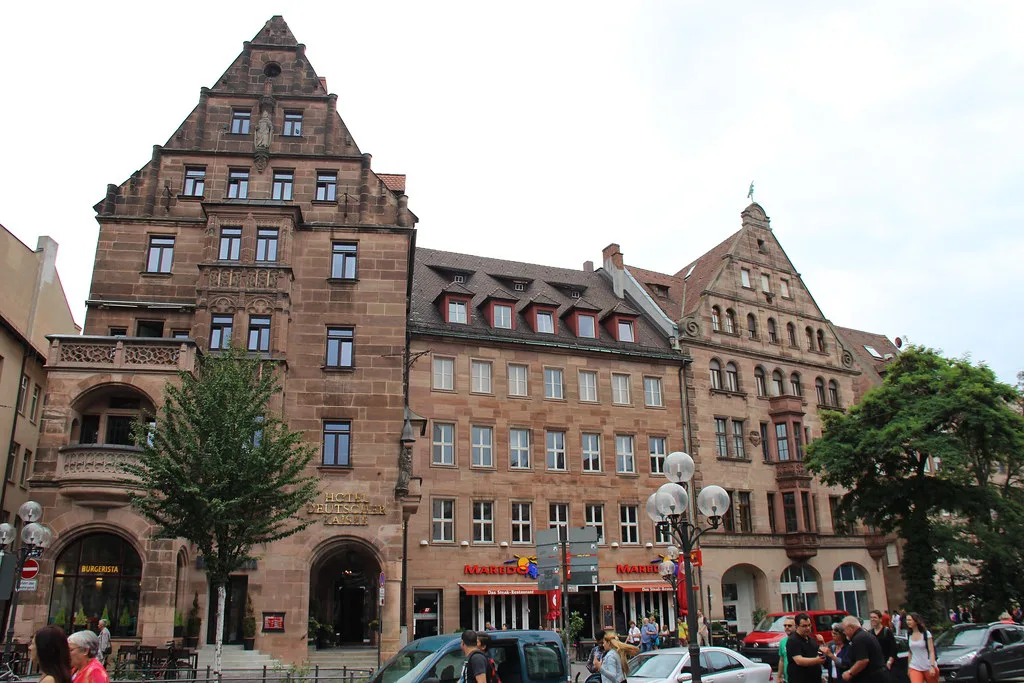
The Altstadt is the convenient choice: cafés, terraces and cake counters within walking distance of each other, with the trade-off of higher prices and more visitors. It is the right pick when your day is already centered there and you want a guaranteed seat nearby.
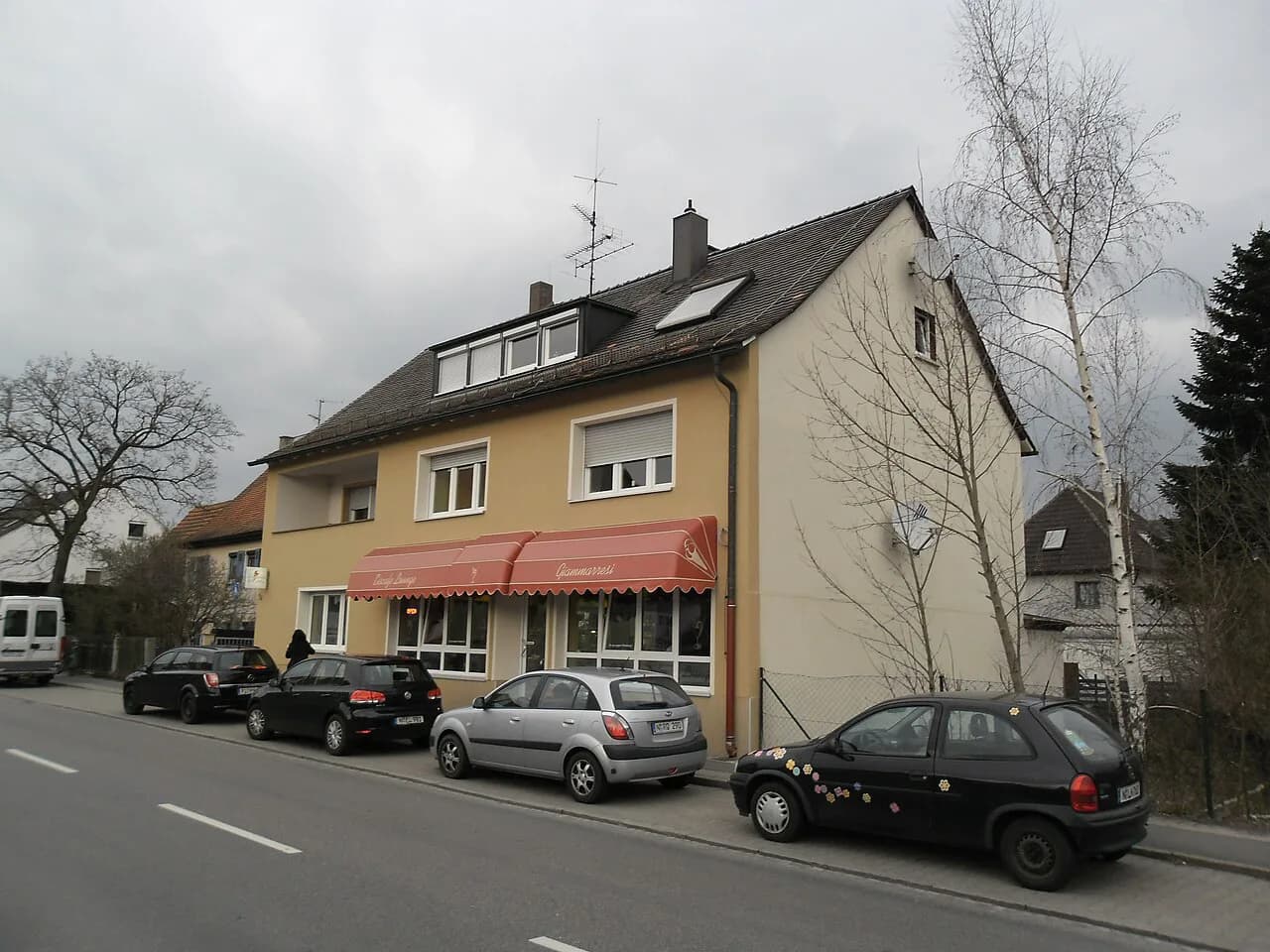
Gostenhof is the counterweight, a residential neighborhood where Bäckerei Gabsteiger keeps multiple branches on Untere Kanalstraße and Kernstraße and the daily rhythm is local rather than touristic. St. Johannis and the Pirckheimerstraße work the same way, with bakery branches and smaller cafés serving people going about their day.
Pick a neighborhood café when you want a calmer table and a shorter menu, and pick the center when convenience and choice matter more than atmosphere. If you are comparing cities, the same logic applies to cafés in Heidelberg or a Dresden cafe stop.
For a cold, sweet stop on a warm afternoon, the city's ice cream parlors follow their own geography and are worth planning separately from the cake circuit.
What to Order: Coffee and Cake Vocabulary
Filterkaffee is plain brewed coffee, usually served as a small cup with milk or cream on the side; Milchkaffee is a larger coffee with hot milk, closer to a French café au lait; a Latte Macchiato arrives in a tall glass in layers of milk and espresso. If you want an espresso, ask for one directly rather than ordering a coffee and hoping.
On the cake side, Apfelstrudel is a thin pastry roll filled with spiced apple, often served warm with cream or vanilla sauce, and a Torte is a layered cake built on cream, buttercream or fruit. Point at the case if the name escapes you, and ask whether the slice comes with cream, since that sometimes costs extra.
How Ordering and Paying Works
In a sit-down café with table service, wait to be seated or take a free table, order from the server, and expect to pay at the table rather than at a till. At a bakery counter you order and pay first, then carry your tray or cup to a standing table or out the door.
Cash remains common in smaller cafés and bakeries, so carry some euros even if the bigger places take cards. When you pay, it is normal to round up or leave a small tip by stating the total you want to pay as you hand over the money or card.
Timing Your Kaffee und Kuchen Break
Cafés are quietest mid-morning and busiest in the mid-afternoon cake window and on weekend breakfast mornings. A break slotted in around eleven, or after the lunch rush has cleared, usually means a free table and a calmer server.
Build the stop into the day rather than treating it as a rescue mission: one long sit-down breakfast, one bakery stop, and one afternoon cake break is already a lot of coffee. Two stops, chosen by neighborhood, feel more like a local day than five rushed ones.
Altstadt Convenience or Neighborhood Character
The honest trade-off is convenience against character. Altstadt cafés put you near the center's sights and give you the widest choice of cake and seating, at the cost of higher prices and busier rooms; Gostenhof, St. Johannis and the Pirckheimerstraße offer simpler bakery stops with a local feel.
Choose the center when time is short or the group is large, and the neighborhoods when you want to sit among regulars and keep the bill modest. Both work; the mistake is walking past a good bakery on the way to a mediocre café table.
Which Café Stop Fits Your Day
Match the stop to the moment: a bakery counter for a fast morning pastry, a breakfast café when you want a full plate and a seat, a Konditorei for the afternoon coffee-and-cake ritual. Use the Altstadt when convenience wins and Gostenhof or St. Johannis when you would rather sit where the neighborhood sits.
Carry some cash, order the cake you can see rather than the one you can't pronounce, and time the break for mid-morning or after the lunch rush. That routine will carry you through any Nuremberg café day.
Explore more Nuremberg guides
Frequently Asked Questions
Is Nuremberg good for coffee?
Yes. The city covers the full range, from bakery counters and breakfast cafés to traditional Konditoreien serving cake with coffee, so you can find a good cup at almost any hour of the day.
What exactly is a Konditorei?
A Konditorei is a confectioner's shop with a café attached, where you choose a slice of torte or pastry from a display case and sit down with a coffee. It is the classic place for an afternoon Kaffee und Kuchen break.
Do cafés in Nuremberg take credit cards?
Larger cafés and chains often do, while smaller cafés and bakery counters frequently prefer or require cash. Carry some euros as a backup and ask before ordering if you plan to pay by card.
How much should I tip at a café?
Rounding up to the next convenient amount or leaving roughly five to ten percent is normal for table service. Tell the server the total you want to pay as you hand over the cash or card.
Sources
Notes for your next German food trip
Optional updates to our guides.
You might also like
Continue reading
More guides you'll find useful