
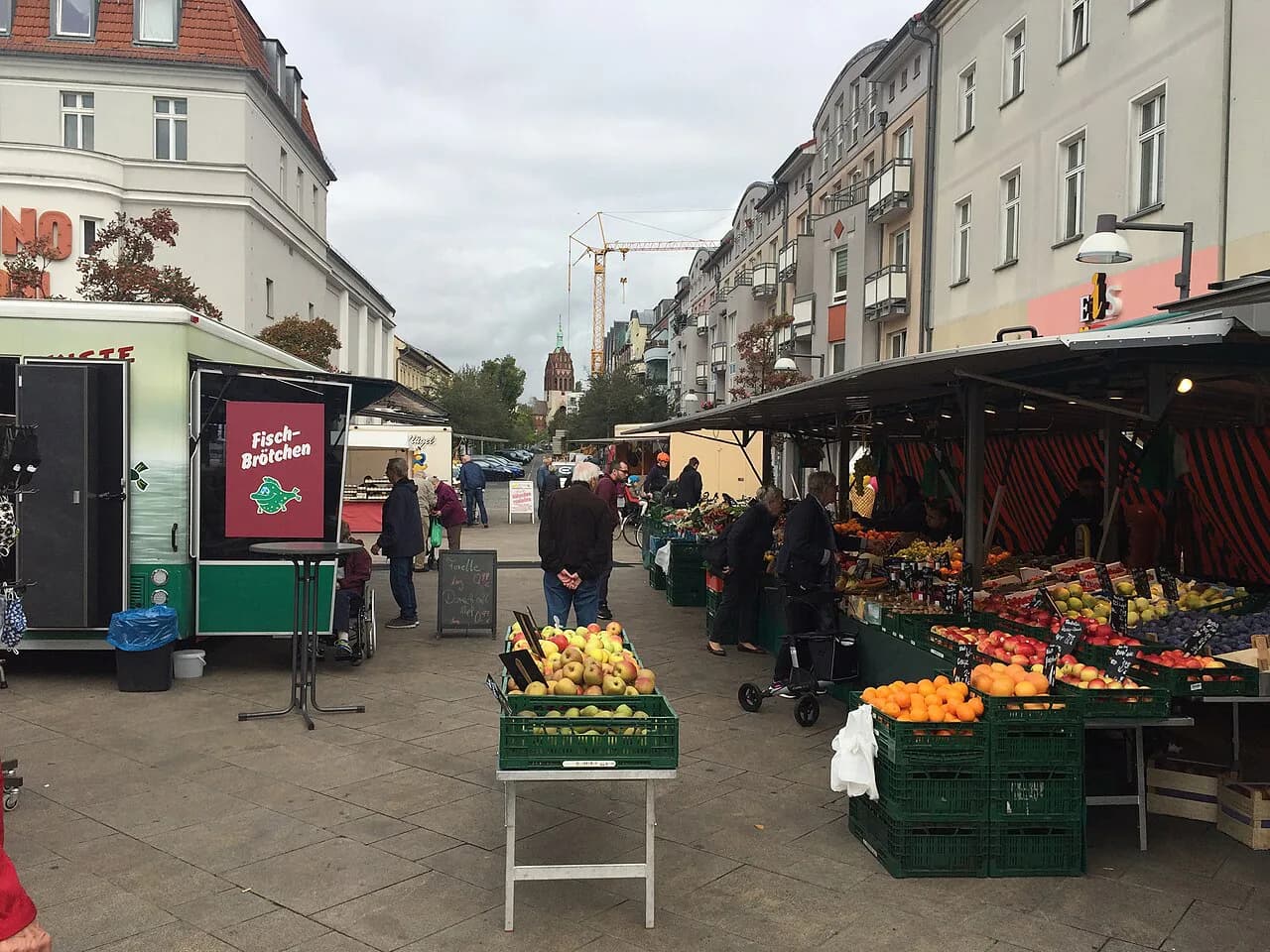
Food Prices in Germany: What Meals, Beer and Coffee Cost
Food prices in Germany for travelers: what casual and mid-range meals, beer, coffee, breakfast and street food cost, and where the same money buys more.
On this page
A casual meal in Germany typically runs €10 to €20 per person, a mid-range restaurant €20 to €40, and street food or a fast-food combo about €3 to €10. Those tiers tell you more about your daily food budget than any single menu price, because the drink, the bread basket and the tip all shift the total. This guide puts restaurant, street-food and supermarket figures side by side so you can decide where your money goes on a given day.
Treat every number here as an approximate range rather than a current menu price at a particular place. Regional gaps are real but narrower than most visitors expect, and the town-versus-city gap is usually the bigger one.
What a meal in Germany costs: casual spots, mid-range restaurants and high-end dining
The price step from casual to mid-range to high-end buys you more than bigger portions: it buys table service, a longer menu and a slower pace. A casual café or small local restaurant is the everyday tier, a mid-range place adds courses and a wine list, and a high-end restaurant moves into tasting-menu territory. Knowing which tier you are walking into keeps the bill predictable.
At the top end, prices start around €50 per person and climb past €100, with tasting menus roughly €80 to €150. Appetizers there run about €15 to €25, mains €30 to €50 and desserts €10 to €15. That is a deliberate splurge tier, not an everyday dinner, so budget it as an event. In the middle, a three-course meal lands near €30: soup or salad at €5 to €8, a main such as grilled fish or meat at €15 to €25, dessert €5 to €8. Two people ordering at this level, with drinks, should plan on the upper half of the €20 to €40 per-person band rather than the lower.
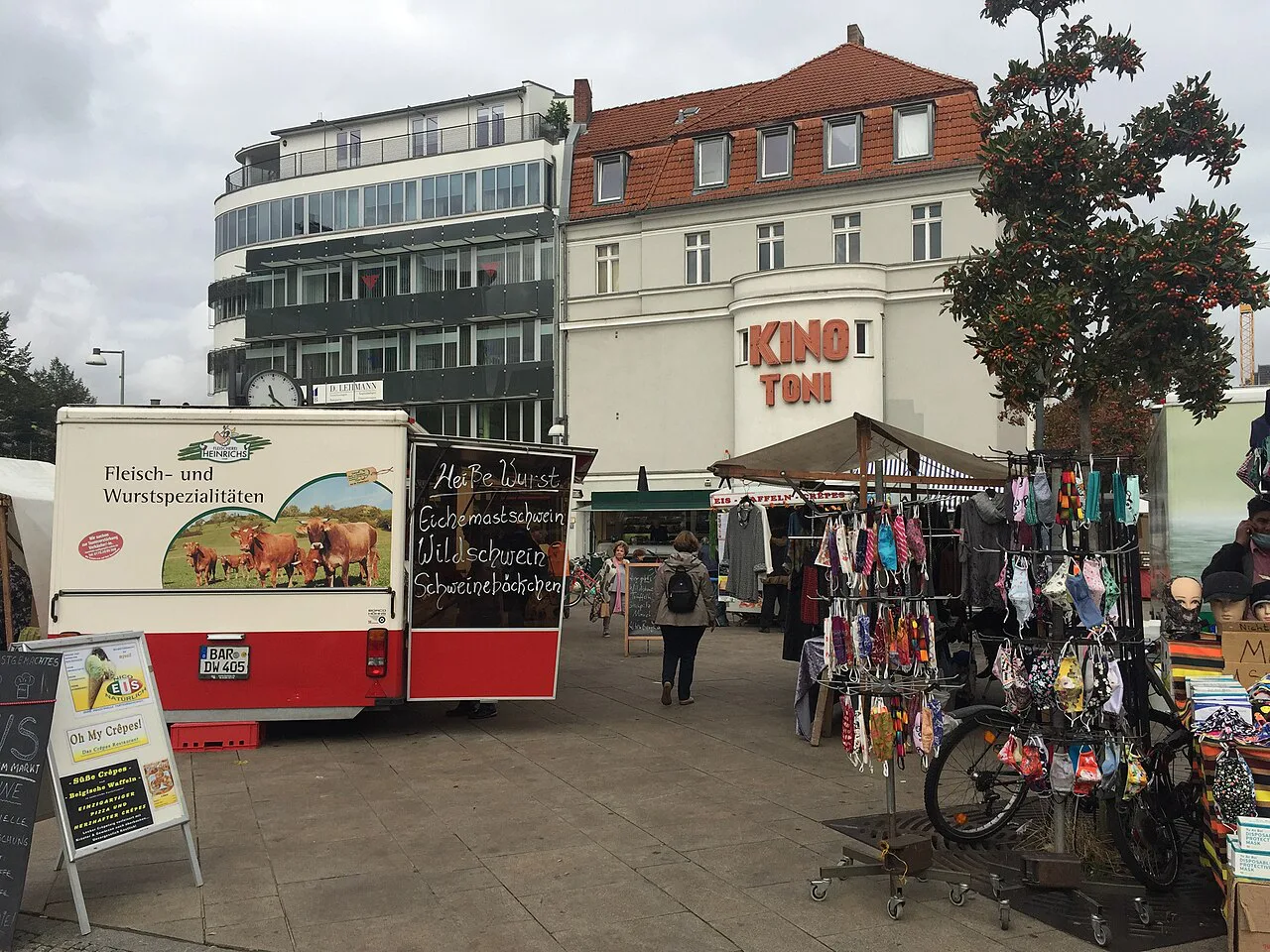
The dish to price first: schnitzel with potatoes or salad
Schnitzel with a side of potatoes or salad is the useful benchmark for a casual German meal, quoted at roughly €12 to €15 as a main. It is on enough menus that it works as a mental yardstick: if the schnitzel sits well above that, you are in a mid-range room or a tourist-heavy spot.
Is food cheaper in Germany than in the US? Grocery staples in Germany are generally inexpensive by Western European standards, with bread, cheese, eggs, potatoes and local beer among the cheapest items. Eating out varies hugely by tier: a casual meal is modest, while a high-end dinner is priced like fine dining anywhere.
Can a month of self-catering in Germany fit a modest budget? For one person cooking most meals at home and shopping at discount supermarkets, a careful weekly shop is modest and a monthly grocery budget can stay low. The figures to plan against are supermarket shelf prices: a loaf of bread, twelve eggs, cheese, potatoes and a bottle of local beer are all cheap staples.
What should an American avoid doing at a German restaurant? Don't wait to be seated at a casual place unless there is a sign or a host; pick a table and sit. Don't hand over the bill amount and expect the server to bring change for a tip, and don't assume card works at small places, so carry cash.
Portion sizes at the casual tier are usually generous, and a main like this often arrives with the starch and salad already on the plate. That makes a single main a reasonable lunch for many travelers, leaving room in the budget for coffee and cake later.
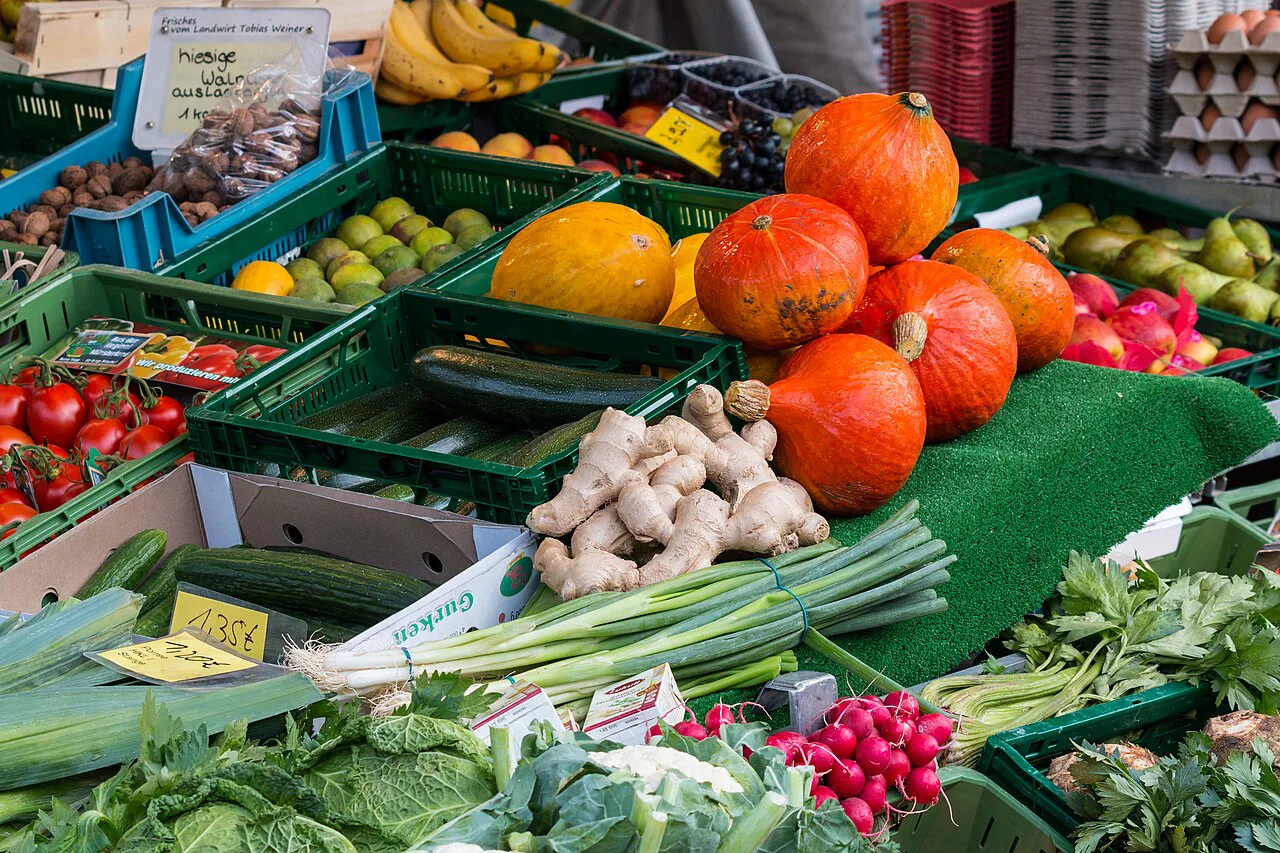
Beer and wine with a meal: what a glass costs
A glass of local beer or house wine in a casual restaurant is typically inexpensive, with mid-range places charging somewhat more. Fine wine by the glass at the high end starts at a higher price point. The drink is rarely the expensive part of a German dinner, but two rounds each still adds up.
If you want to keep the bill low without skipping a drink, a spritz-style soft drink is the usual move; an Apfelschorle, apple juice cut with sparkling water, is a standard order and usually priced with the soft drinks. If beer is the point of the stop, treat it as one or two glasses with food rather than a long session.
Coffee, soft drinks and bottled water with a meal
Coffee, tea and soft drinks with a meal are generally available at casual places and at mid-range ones. Drinks are where budgets quietly leak: three rounds across a long lunch is a schnitzel's worth of drinks.
Coffee in Germany is usually drunk as a separate pause rather than with the main course, and ordering a Kaffee mit Milch gets you coffee with milk rather than the milky latte you might expect at home. Sizing and strength vary by café, so the cheapest reliable way to judge a place is to order one and see.
Breakfast and bakery stops: coffee plus a pastry or sandwich
A café breakfast consists of coffee plus a pastry or sandwich, and individual bakery items include pretzels, croissants and bread rolls. A bakery stop is the cheapest sit-down-ish start to the day for most travelers.
Bakery counters work on a take-a-number or queue-and-point basis, and many have a handful of standing tables where a coffee costs little more than at the counter. The classic afternoon version is Kaffee und Kuchen, coffee with a slice of cake, and it doubles as a cheap break in the middle of a walking day.
Quick and cheap: bratwurst, döner kebab and fast-food chains
Street food such as bratwurst and döner kebab is usually the cheaper option, while a meal at a fast-food chain costs more. For a traveler who wants to spend money on dinner instead, a döner at lunch is the single easiest way to cut the day's food bill.
These are stand-and-eat or walk-away options, so there is no table service and no tip expectation beyond rounding up. Keep small change handy for the counter, since a note is sometimes more than you need.
Where the same meal costs more: big cities versus small towns
Restaurant prices run higher in Berlin, Munich and Frankfurt than in smaller towns and rural areas, and tourist-heavy locations can charge a premium, especially near major Attractions. On a multi-city trip, that means the same food budget stretches further in a small town than in a big-city center.
Grocery prices, by contrast, are fairly even from city to city: a liter of milk costs around €0.84 in Munich against €0.81 in Berlin, a gap too small to plan around. The real grocery difference is between a city-center shop and a discount supermarket, not between regions.
For a self-catered day, a discount supermarket is the obvious stop, and REWE is the common full-range option when you want more than the basics. Most shops close on Sundays, which changes how you stock up for a weekend.
Buying your own bread, cheese and beer: grocery prices
The staple basket is where Germany looks cheap: a loaf of bread around €1.30, twelve eggs about €1.82, 500 grams of local cheese about €4.45, a kilo of potatoes roughly €0.97 and a half-liter of local beer around €0.76. Beer is cheapest close to where it is brewed, so a regional bottle at a supermarket often beats the price of the same beer in a bar several times over. Discount chains such as Aldi and Lidl undercut general grocery stores on basics, fruit, vegetables and drinks, and shopping there is a normal habit rather than a compromise. Budget roughly under €50 a week for a careful self-caterer eating little meat, which works out to about €7 a day if you avoid eating out.
Shelf prices change week to week, so glance at the week's offers before you stock a picnic. Bottles carry a Pfand deposit, usually €0.08 to €0.25, added to the shelf price and refunded when you return the empties. Keep the bottles and bring them back to the retailer rather than throwing money away.
How to eat well on a set daily food budget in Germany
A workable traveler pattern is a bakery breakfast, a street-food or döner lunch, and a casual dinner with a beer. That fits most days per person without any special effort.
Swap one dinner for a supermarket picnic of bread, cheese and a bottle of beer and the day drops sharply, because the same items cost a fraction of restaurant prices. Use that saving to fund a single mid-range dinner.
If you are vegetarian or eating gluten free, cheaper tiers get thinner fast: a döner stand is less useful, and a proper sit-down meal becomes the reliable option. Build that into the budget; the street-food tier will not always cover you.
Paying in Germany: cash versus card and the tip to leave
Both cash and card are accepted in most restaurants in larger cities, but small places and market stalls still lean on cash more than visitors expect. Carry a note and some coins as a backup so a card-only wallet does not leave you stuck.
When you want the bill, catch the server's eye and ask for it, or say getrennt zahlen if you are splitting it. The card machine usually comes to the table.
Tipping works by telling the server the total you want to pay as you hand over the money; Stimmt so means keep the change. Rounding up or leaving around five to ten percent on a modest bill is the normal habit, and the rules are simple once you have done it once.
Restaurant dinner, street food or supermarket?
Pick your tier per day rather than per meal: a bakery breakfast and a döner lunch free up money for a casual schnitzel dinner with a beer. If two mid-range dinners are the plan, budget accordingly per person per day and skip the café stop.
The biggest lever is not which restaurant you choose but how often you eat out at all, since supermarket staples cost a fraction of a restaurant plate. The second lever is city size: your money goes further in a small town than in Berlin, Munich or Frankfurt.
Explore more Germany guides
Frequently Asked Questions
Is food cheaper in Germany than in the US?
Grocery staples in Germany are generally inexpensive by Western European standards, with bread, cheese, eggs, potatoes and local beer among the cheapest items. Eating out varies hugely by tier: a casual meal is modest, while a high-end dinner is priced like fine dining anywhere. Travelers usually find self-catering and casual meals cost less than at home, and restaurant dinners comparable.
Can a month of self-catering in Germany fit a modest budget?
For one person cooking most meals at home and shopping at discount supermarkets, a careful weekly shop is modest and a monthly grocery budget can stay low. The figures to plan against are supermarket shelf prices: a loaf of bread, twelve eggs, cheese, potatoes and a bottle of local beer are all cheap staples. Travelers eating out daily will spend far more, so treat any monthly figure as a self-catering benchmark, not a restaurant budget.
What should an American avoid doing at a German restaurant?
Don't wait to be seated at a casual place unless there is a sign or a host; pick a table and sit. Don't hand over the bill amount and expect the server to bring change for a tip, and don't assume card works at small places, so carry cash. Splitting bills and paying separately is normal when you ask for it, and asking for the bill or saying getrennt zahlen keeps it simple.
Sources
Notes for your next German food trip
Optional updates to our guides.
You might also like



Continue reading
More guides you'll find useful





