
German Coffee: How to Order It and What to Drink in Germany
Milchkaffee, Eiskaffee, Filterkaffee and Kaffee und Kuchen: a practical guide to ordering German coffee, from the afternoon ritual to the brands behind it.
On this page
Order a Milchkaffee if you want the safest, most common cup in a German café, and ask for a Kännchen if you would rather have a small pot than a single cup. German coffee runs on balanced, medium-roast filter brews built to be drunk slowly alongside cake, which is a different pleasure from a quick Italian espresso. This guide covers the drinks to order, the afternoon cake ritual, the roasters whose names appear on menus and supermarket shelves, and what to buy to take home.
German coffee is a filter culture, not an espresso culture
The defining German cup is a medium roast that balances body, acidity and sweetness, closer to a smooth all-day brew than to bitter Italian dark roasts or bright American light roasts. That profile exists to be drunk in quantity, often with something sweet on the side, which is why the classic order is a pot of filter coffee rather than a single concentrated shot. If you come expecting espresso-bar intensity, the first cup can feel mild, but the point is drinkability across an afternoon.
Coffee has deep roots here: the country's first café opened in 1679, and Germany has grown into one of the world's largest coffee importers with a roasting industry to match. That long history shows up less in ceremony than in habit, since coffee is a default part of the day at home, at work and in the afternoon. For a traveler, the practical takeaway is that cafés, bakeries and Konditoreien (confectioners' cafés) all treat coffee as a standard order, not a specialty request.
How to order coffee in a German café or bakery
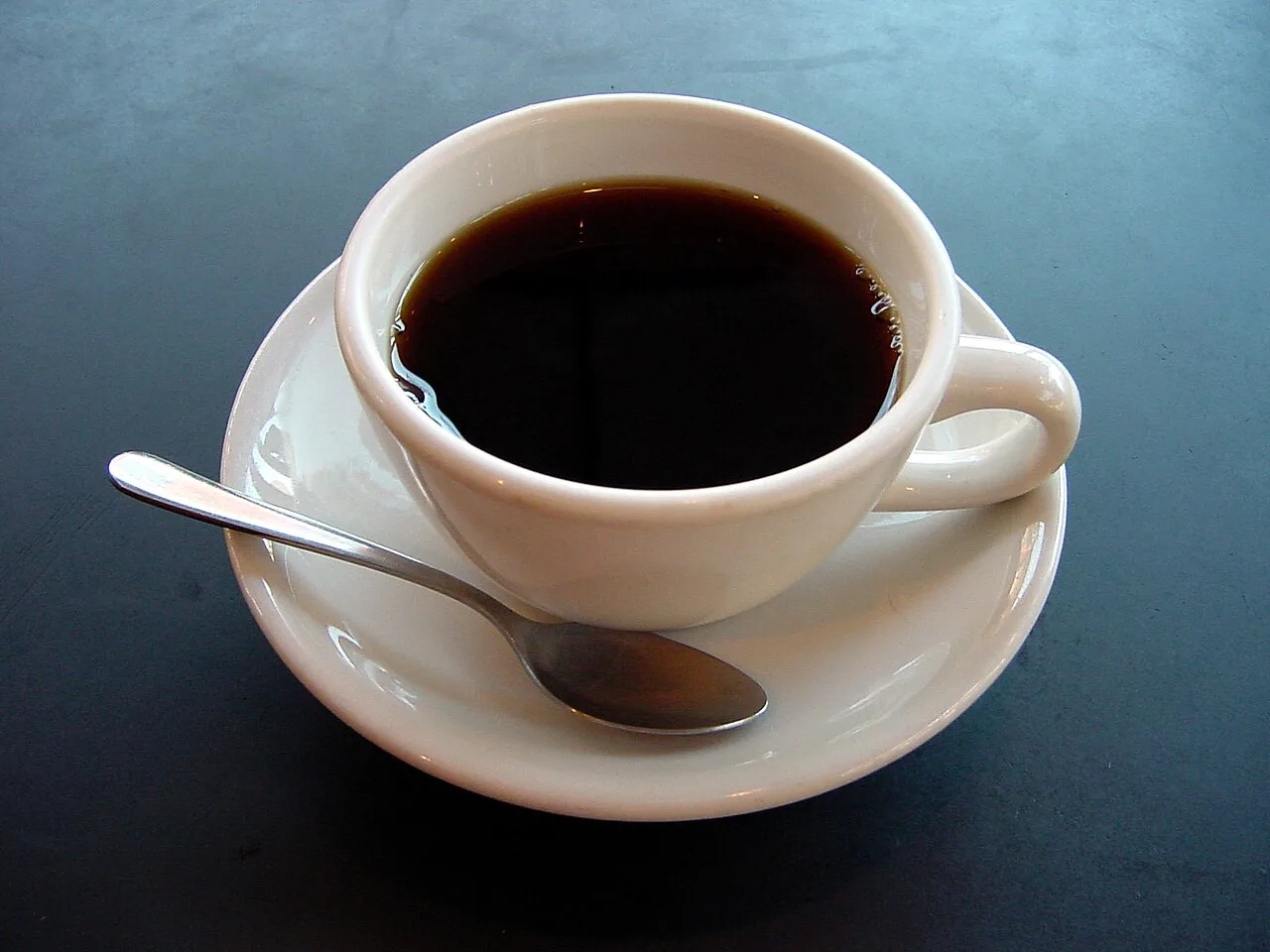
Menus usually list coffee by type rather than by size, so the decision is about what goes into the cup. Milchkaffee is the everyday milk coffee, Filterkaffee is the plain brewed cup, and Café Crème is the stronger coffee-bar pour. Pointing at the menu and naming the drink is perfectly normal, and staff in busy bakeries expect a quick, clear order rather than a long conversation about beans.
What is special about German coffee? German roasters generally favor a medium roast that balances body, acidity and sweetness, producing a smooth cup built for long afternoons rather than a concentrated shot. That is why filter coffee, often ordered as a small pot, is the everyday default rather than espresso.
Which coffee is famous in Germany? Dallmayr and Jacobs are the two brands most travelers recognize, with Prodomo and Krönung as their signature blends, while Melitta is famous for the paper filter invented by its founder in Dresden in 1908. Tchibo and Eduscho round out the names you will see on shelves.
What is a popular German coffee drink? Milchkaffee is everywhere, found on most café, bakery and restaurant menus as Germany's version of a café au lait. Eiskaffee, cold coffee with vanilla ice cream and whipped cream, is the warm-weather favorite.
The word Kännchen means a small pot, and it is the order that gets you a refillable cup rather than a single serving, so it suits a slow sit in a Konditorei. German café service tends to be unhurried, and you signal that you are finished rather than receiving the bill unprompted, the same rhythm covered in this guide to German restaurant etiquette. Payment works the same way as elsewhere in the country, with cash still common in smaller bakeries and tips rounded up at the table.
Milchkaffee: what it is and how it compares to a latte
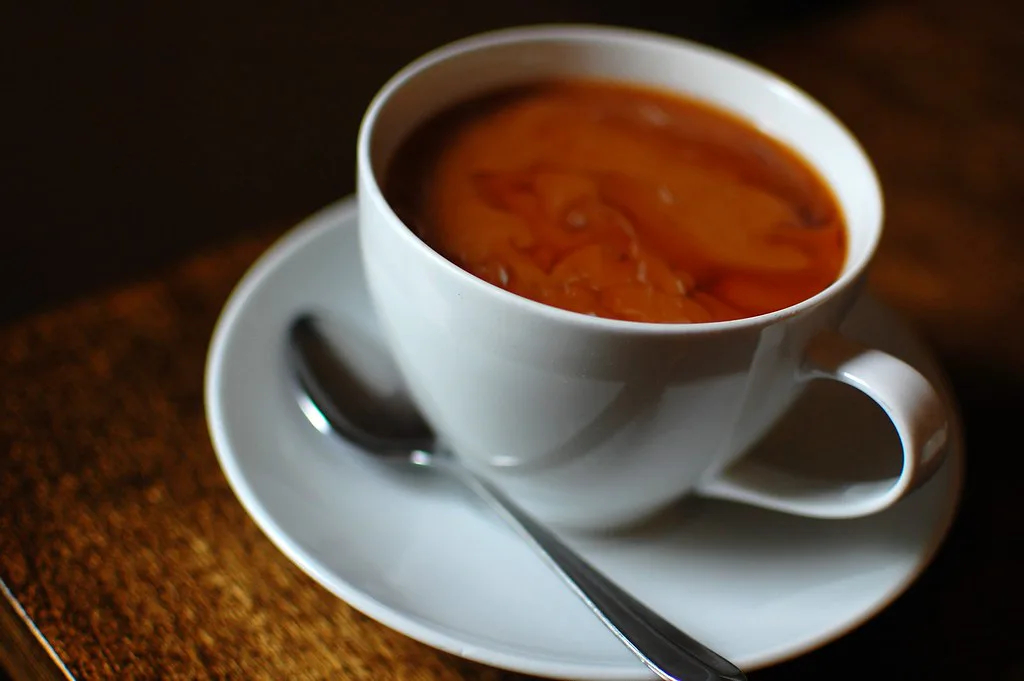
A Milchkaffee is equal parts coffee and heated milk, which makes it Germany's answer to a café au lait rather than a latte. The milk is warmed to just below boiling, usually on a stovetop, so it stays thin and pourable instead of building the dense microfoam that latte art needs. That is why you get a plain, smooth drink with no pattern on top.
The base varies by venue: some places brew a bold filter coffee or use a French press, while others pull espresso or use Café Crème for a stronger version. It is normally served unsweetened, and you add sugar or dust cocoa on top yourself if you want it. Order it when you want something dependable and milky that will not overwhelm a slice of cake.
Filterkaffee and Café Crème: the everyday cup and the stronger pour
Filterkaffee is the home and café standard: brewed coffee, usually medium roast, served black or with milk on the side. It is the cup to order if you want to taste what German roasting is actually about, since the balance of body and acidity shows up most clearly without much milk in the way. Bakeries often pour it as the default when you simply ask for Kaffee.
Café Crème is the stronger option, made with an espresso-like extraction but roughly four times the water, so it lands between a filter cup and an espresso in intensity. Order it when you want more punch without committing to a full espresso, and expect it to be served in a larger cup. Choosing between Filterkaffee and Café Crème is the main quality-of-life decision on a German coffee menu, and a pot of the former usually lasts longer at the table.
Eiskaffee: cold coffee with vanilla ice cream and whipped cream
Eiskaffee is chilled coffee poured over two scoops of vanilla ice cream and finished with whipped cream, closer to a caffeinated milkshake than to an affogato. All the components stay cold, the coffee is typically brewed in a filter or French press rather than pulled as espresso, and it can arrive in a regular cup or a tall glass. Toppings vary from place to place, which is part of the fun.
This is warm-weather drinking, ordered on a hot afternoon when a hot pot of Filterkaffee makes no sense; cafés and ice-cream parlors both serve it. Do not confuse it with Milchkaffee, since the two differ by what is in the glass rather than by name alone: one is milk coffee, the other is dessert with coffee in it. If you want the sweetest, most refreshment-forward order on a summer menu, this is it.
Kaffee und Kuchen: the afternoon coffee-and-cake ritual
Kaffee und Kuchen, literally coffee and cake, is the German afternoon ritual that pairs a hot coffee with a slice of cake, and it shapes how many cafés and Konditoreien present their menus. Joining in is simple: pick a cake from the display, order a coffee alongside it, and settle in rather than treating it as a quick stop. This is the moment a Kännchen of Filterkaffee makes most sense.
Bakeries run the same ritual in a cheaper, faster form, with coffee and pastries at counter seating, while a Konditorei leans toward plated cakes and table service. If you want the full spread of German cakes and pastries by name, the site's guide to German cakes is the place to look before you point at the display case. Weekend afternoons are the busiest slot, so arriving earlier in the afternoon gives you a better pick of cakes.
German coffee brands you will see on shelves and menus
Dallmayr traces its Munich roots to 1700, and its Prodomo blend, created in 1964, has stayed one of Germany's most popular coffees for more than six decades. Jacobs was founded in Bremen in 1895 and its Krönung blend is a widely sold coffee across Europe. Both names appear on café menus and supermarket shelves, so recognizing them helps when you are choosing a bag to take home.
Melitta is the filter-coffee specialist, based in Minden, while Tchibo operates out of Hamburg and pairs coffee with a rotating stock of non-food goods, a distinctly German retail idea. Eduscho now sits under the Tchibo umbrella but keeps its own roast profiles. Buying a supermarket bag is the cheapest, most authentic souvenir of German coffee, and REWE in Germany is one of the chains where you will find these brands side by side.
Melitta and the paper filter: a Dresden invention
Amalie Auguste Melitta Bentz of Dresden patented the paper coffee filter in 1908, reportedly working with blotting paper from her son's school notebook. That small domestic fix changed how households brewed coffee worldwide and turned Melitta into a name built on filters and brewing systems as much as on beans. When you drink a clean, sediment-free Filterkaffee in a German kitchen or café, this is the technology behind it.
Buying German coffee to take home
Whole bean is the better choice if you have a grinder, ground coffee is the practical option if you do not, and pods suit anyone with a compatible machine. German capsules from Dallmayr and Tchibo are made for Nespresso- and Tassimo-style systems, so check the product description for machine compatibility before you buy. The grounds are also worth seeking out: the German roast sold domestically is not always the same blend exported under the same brand name.
Bags take up little room in a suitcase, and a supermarket trip doubles as a look at everyday German shopping, alongside the condiments covered in this guide to German food souvenirs. If you are also stocking up on cake for the afternoon, keep coffee out of the same bag as anything strongly scented.
Which German coffee order should you start with?
Start with a Milchkaffee if you want one safe, familiar order, or ask for a Kännchen of Filterkaffee when you plan to sit with cake and want a second cup already poured. Order Eiskaffee on a hot day and skip it in the cold months, when the afternoon ritual calls for something hot. Pay at the table with a rounded-up tip, and the order stops being a puzzle after the first afternoon.
For the drink itself at home, Dallmayr Prodomo or Jacobs Krönung will reproduce the classic filter cup, and Melitta remains the reliable name for filter paper and brewing kit. Buy a bag in a supermarket rather than an airport shop if you want the same roast Germans pour at their own kitchen tables.
Explore more Germany guides
Frequently Asked Questions
What is special about German coffee?
German roasters generally favor a medium roast that balances body, acidity and sweetness, producing a smooth cup built for long afternoons rather than a concentrated shot. That is why filter coffee, often ordered as a small pot, is the everyday default rather than espresso.
Which coffee is famous in Germany?
Dallmayr and Jacobs are the two brands most travelers recognize, with Prodomo and Krönung as their signature blends, while Melitta is famous for the paper filter invented by its founder in Dresden in 1908. Tchibo and Eduscho round out the names you will see on shelves.
What is a popular German coffee drink?
Milchkaffee is everywhere, found on most café, bakery and restaurant menus as Germany's version of a café au lait. Eiskaffee, cold coffee with vanilla ice cream and whipped cream, is the warm-weather favorite.
How do Germans drink their coffee?
Most often as filter coffee, hot and sometimes with milk on the side, and frequently in the afternoon with cake during Kaffee und Kuchen. Coffee is a routine part of the day rather than a special-occasion drink.
Sources
Notes for your next German food trip
Optional updates to our guides.
You might also like



Continue reading
More guides you'll find useful




