
German Snacks to Try and Bring Home: A Practical Guide
A practical list of German snacks, from Butterbrezel and Kartoffelpuffer to Lebkuchen and Paprika chips, plus which ones survive the flight home in a suitcase.
On this page
The snack most worth trying first is the Butterbrezel, a soft pretzel split and stuffed with butter rather than dipped in mustard. After that, the list runs from paprika chips in any supermarket to Kartoffelpuffer fried at fests and Döner carved on street corners. This guide goes through each snack in turn, says how it is served, and flags which ones hold up in a suitcase and which ones you should finish on the day you buy them.
It also separates eating from shopping. Some snacks are a quick bakery-counter purchase eaten on a bench, while others are packaged goods you can carry for weeks. Knowing which is which keeps you from packing a soft pretzel that goes stale by the airport.
What counts as a German snack
A German snack is usually something bought standing up: from a bakery counter, a kiosk, a supermarket shelf, or a stall at a fest. That covers a stuffed pretzel at breakfast time, a bag of chips on a train, and a paper tray of fried potato pancakes eaten while walking. None of it requires a table, a reservation, or a full sit-down meal.
Many of these also appear as proper dishes on a menu, so the line between snack and meal is loose. A Döner can come in a bread pocket or on a plate with rice and salad, and Kartoffelpuffer can be a side or a full portion with apple sauce. If a sit-down meal is what you are after, the wider notes on food prices in Germany help you read what a portion will roughly cost before you order.
Butterbrezel: a soft pretzel split and stuffed with butter
The Brezel, or soft pretzel, is the entry point to German baking, and the version to order is the Butterbrezel. It is a baked pretzel cut open and filled with unsalted butter, the way a bagel gets cream cheese, so the first bite is buttery and the crust stays chewy. Order one at a bakery counter in the morning as a quick stand-up breakfast.
What is the German word for snack? The everyday word is Imbiss, which covers a quick bite as well as the small stand or shop selling one. A Zwischenmahlzeit is the more formal term for a between-meals snack, and it rarely appears on signs.
What is a German comfort food? Kartoffelpuffer, the fried potato pancake also sold as Reibekuchen, fits the description: cheap, warm, and served with apple sauce or as a savory side. A Döner in bread is the other reliable comfort order, and Lebkuchen covers the sweet side.
Does a Butterbrezel keep for the flight home? No. The butter filling and the fresh crust both deteriorate within hours, so eat it on the day you buy it.
If you want the plain pretzel with mustard instead, ask for it that way; bakeries sell both. The stuffed version is what to try first, because it is the one visitors tend to miss. Eat it the same day, ideally within a few hours of buying it, since the butter and the crust do not survive a long journey.
If you keep a gluten-free diet, bakery counters are the hardest part of a German morning. A stuffed pretzel is wheat through and through, so plan around it rather than hoping for a swap. The gluten free Germany guide covers what to ask for at a bakery and where wheat-free options turn up.
Paprika chips: the barbecue-style crisp that is everywhere
Paprika chips are the crisp flavor you will see on every supermarket shelf, and the name simply means bell pepper. The seasoning lands somewhere between a barbecue chip and a sweet red pepper, which makes it mild rather than hot. Buy a bag at any grocery store and you have the cheapest snack on this list.
They travel well, which makes them a low-risk souvenir or a train snack. They also turn up on the shelves of the big German supermarket chains, so a quick stop covers both chips and bottled drinks. If you are stocking up for a train ride, the REWE in Germany guide explains how the aisles and checkout work.
A bag of chips goes down well with something cold and non-alcoholic, and Apfelschorle, apple juice cut with sparkling water, is the usual choice. It is sold in the same aisle and comes in small bottles that fit in a day bag.
Kartoffelpuffer, also called Reibekuchen: fried potato pancakes
Kartoffelpuffer are potato pancakes, usually made with onion and egg, fried until crisp and served either as a savory side or with apple sauce. In some regions the same thing is sold as Reibekuchen, so do not assume a menu with both names is offering two different dishes. They are cheap, filling, and easy to eat standing up, which is why they show up at fests.
Order them with apple sauce if you want the classic sweet-savory combination, or plain if you would rather keep them savory. At a stall, expect a paper tray and a fork rather than a plate. The name shifts by region, so the same potato pancake can appear as Reibekuchen in one place and Kartoffelpuffer in another—do not assume two names mean two different dishes.
Menus in Germany often shorten or regionalize dish names, and a potato pancake can appear under either spelling without explanation. If a word on the board is unfamiliar, the German menu guide decodes the common terms so you can order without guessing.
Döner: how it is served in Germany and how to order it
Döner is the rotisserie meat you smell on almost every commercial street, and in Germany it comes four ways: in a pita-like bread pocket with vegetables and a creamy yogurt sauce, on a plate with rice and salad, in a Dönerbox piled over French fries, or wrapped. The bread pocket is the default order, and the box is the one to pick if you want fries with it.
Each shop seasons its meat and toppings a little differently, so the same order tastes different from counter to counter. Say whether you want the yogurt sauce and how much chili, since both are usually added by hand as you order. The Dönerbox is also the most portable option if you are eating on the move.
Döner shops are casual, pay-at-the-counter places, and many are cash-first, so keep a few coins on you. If you are unsure how to handle the bill at a counter or a table, the notes on German restaurant etiquette cover paying and splitting in plain terms.
Rounding up the bill is normal here, and at a Döner counter it means telling the server to keep the change. The phrase to know is Stimmt so, said as you hand over the money. The tipping in Germany guide explains how much is usual and when to say it.
Lebkuchen: Nuremberg's spiced gingerbread cookie
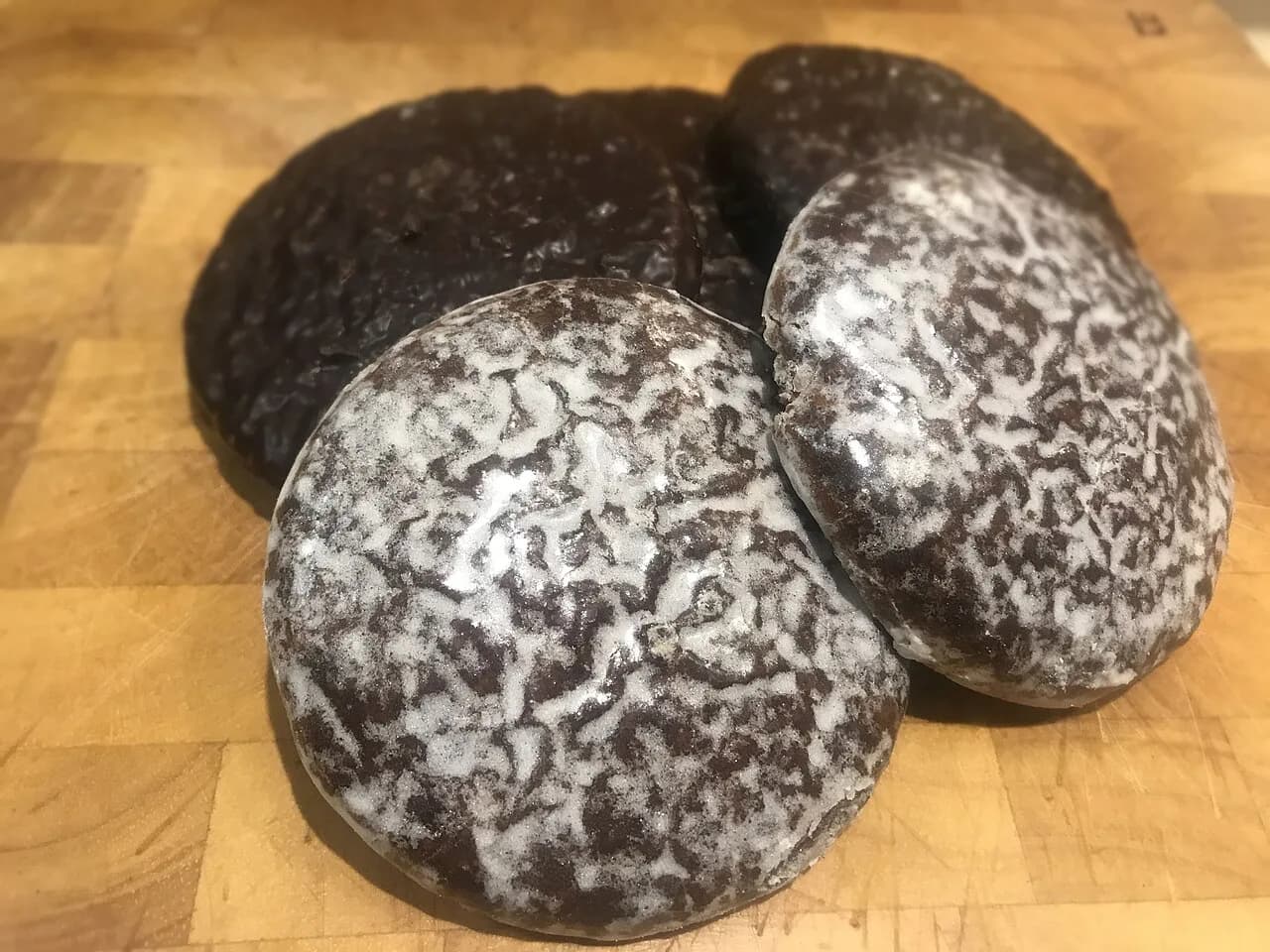
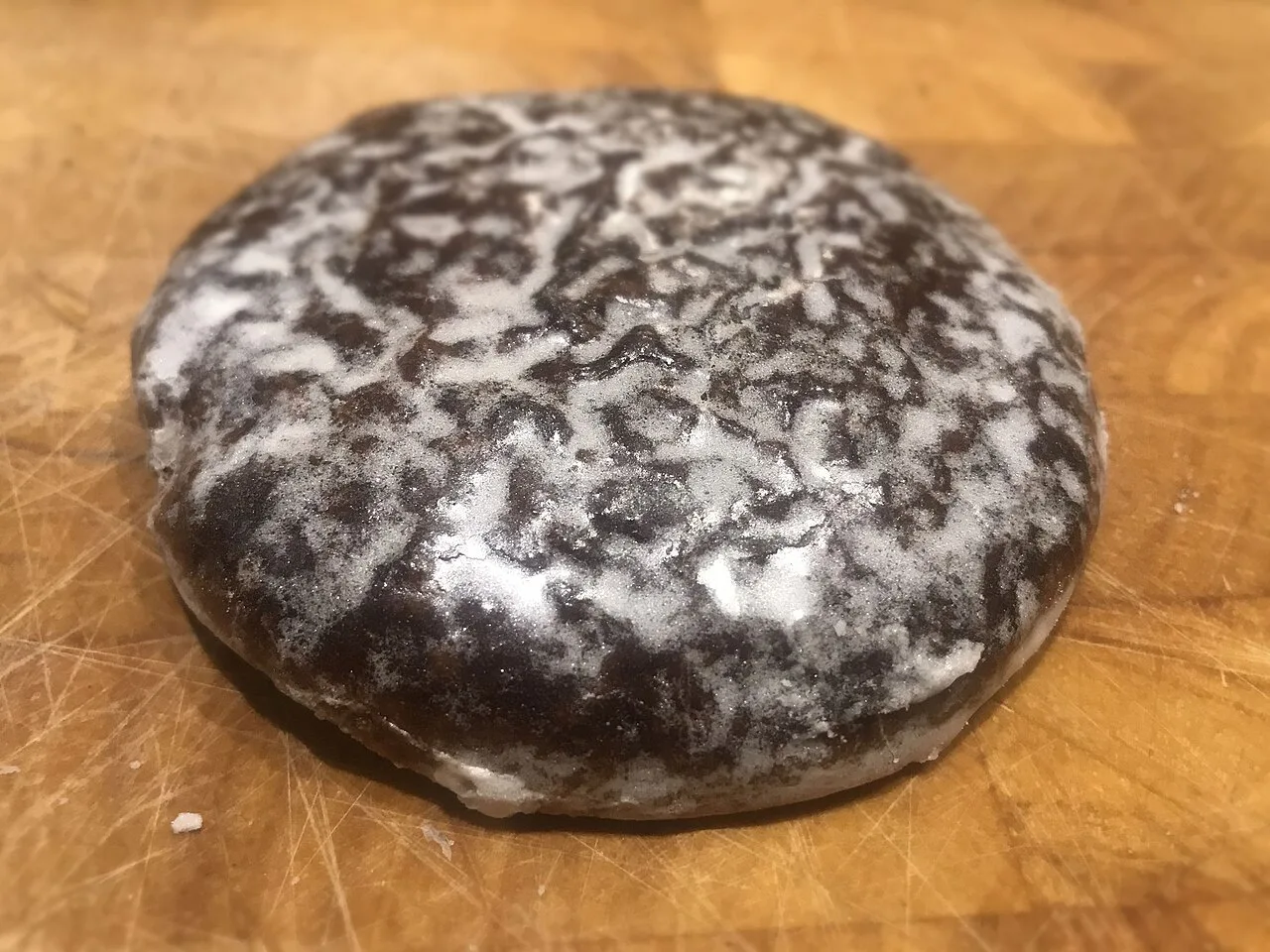
Lebkuchen is German gingerbread, a spiced cookie that friars were already baking in Nuremberg around the 13th century. The city still has a large Lebkuchen factory and plenty of small bakers working from their own recipes, so the range on offer is wider than a single supermarket brand. Buy a boxed assortment to take home and a single piece to eat on the spot.
The other form to recognize is the Lebkuchenherz, a heart-shaped cookie frosted with German sayings, sold at fests near stalls with roasted almonds and chocolate-covered fruit. They keep for a long time, which is why they end up as decorations rather than desserts. If you buy one, treat it as a keepsake first and a snack second.
Roasted almonds, Gebrannte Mandeln, come from the same fest stalls in a paper cone and are best eaten warm. They are a separate purchase from the gingerbread, so budget for both if the stall is busy and you only want to queue once.
Schokolade: why German chocolate tastes different
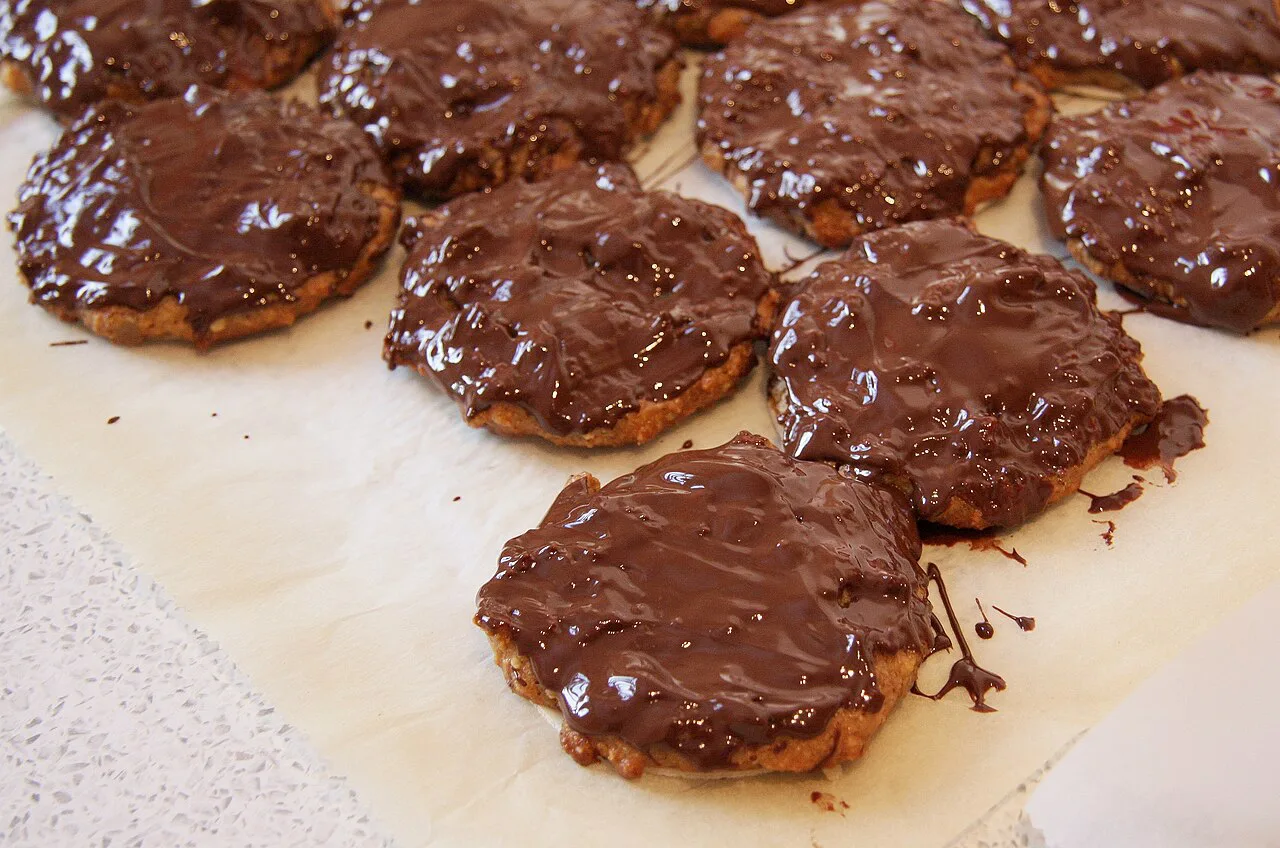
German chocolate, Schokolade, tends to taste different from what American travelers are used to because the cocoa content rules are stricter and the sugar content lower, with extra cocoa butter and cocoa giving a richer mouthfeel. You will notice it most in a plain bar rather than a filled one. Pick up a bar from a supermarket shelf and compare it with what you know.
Brands to look for include Ritter Sport, the colorful square bars, along with Milka and Kinder, all widely sold in supermarkets. None of them needs a specialist shop, so a normal grocery run covers the chocolate souvenir. Buy a couple of flavors rather than a bulk pack, since you can only carry so much.
Chocolate is also the easiest snack here to buy in quantity, and German online and export shops stock the same brands for shipping. That is worth knowing if a particular bar becomes a favorite and you want it again after the trip.
Snacks worth packing and snacks that do not travel
The rule of thumb is simple: dry, sealed, and shelf-stable goes in the suitcase, while anything with fresh butter, meat, or a crisp crust gets eaten before you leave. Lebkuchen, packaged chocolate, and sealed bags of paprika chips all survive a flight without special handling. A Butterbrezel or a Döner in bread does not.
If you want a pretzel-style crunch at home, the packaged pretzel snacks sold in German shops are the version that travels. They are a different thing from a fresh bakery Brezel, so do not expect the same texture. Treat them as a pantry snack rather than a substitute for the real one.
Before you fill a bag with food, check your airline and home country's rules on bringing food across a border, since meat and dairy products face restrictions that chocolate and baked goods usually do not. A Döner or a meat-filled snack is the one to leave behind.
How to buy snacks in Germany: bakeries, kiosks and supermarkets
Bakeries are the best place to start the day, and a counter order is as simple as pointing and naming the item. Kiosks and train-station shops cover the packaged side, while supermarkets carry chips, chocolate, and drinks in one stop. Fests and street stalls fill in the fried and roasted items.
Two habits make the buying easier. Many small bakeries and kiosks close one day a week, a Ruhetag, so a shop you counted on may be shut; the Ruhetag in Germany guide explains how the rest day works. And cash still matters at counters and stalls, so carry some even if you plan to pay by card elsewhere.
If you want a sit-down break rather than a snack on the move, the afternoon ritual is Kaffee und Kuchen, coffee with a slice of cake, taken at a café or Konditorei. It pairs naturally with a morning of bakery stops and is a good way to try a second round of German baking.
Coffee in Germany is usually served as a small cup with milk on the side, and ordering it by name is straightforward once you know the terms. If you plan to sit down for a while, the notes on German coffee explain the common orders and what arrives.
Which German snacks should you actually bring home?
Bring home Lebkuchen, packaged chocolate, and sealed paprika chips; eat the Butterbrezel, Kartoffelpuffer, and Döner while you are there. That split gives you the full range of German snacking without a suitcase full of food that spoils.
If a Döner or a fried snack is your main meal rather than a bite, the wider guide to eating out in Germany covers paying, splitting the bill, and reading a menu. Vegetarian Food in Germany is worth a look if you want meat-free versions of the same snacks.
Frequently Asked Questions
What is the German word for snack?
The everyday word is Imbiss, which covers a quick bite as well as the small stand or shop selling one. A Zwischenmahlzeit is the more formal term for a between-meals snack, and it rarely appears on signs. At a bakery or kiosk, naming the item you want is easier than asking for a snack in general.
What is a German comfort food?
Kartoffelpuffer, the fried potato pancake also sold as Reibekuchen, fits the description: cheap, warm, and served with apple sauce or as a savory side. A Döner in bread is the other reliable comfort order, and Lebkuchen covers the sweet side. All three are everyday food rather than special-occasion dishes.
Does a Butterbrezel keep for the flight home?
No. The butter filling and the fresh crust both deteriorate within hours, so eat it on the day you buy it. Packaged pretzel snacks are the version that survives travel, though they are a different texture from a bakery Brezel.
Sources
Notes for your next German food trip
Optional updates to our guides.
You might also like



Continue reading
More guides you'll find useful





