Obatzda: What It Is, How It Tastes and How to Order
Obatzda is a Bavarian cheese spread made with ripe Camembert, paprika and a splash of beer, served with Brezel and radishes in beer gardens and taverns.
On this page
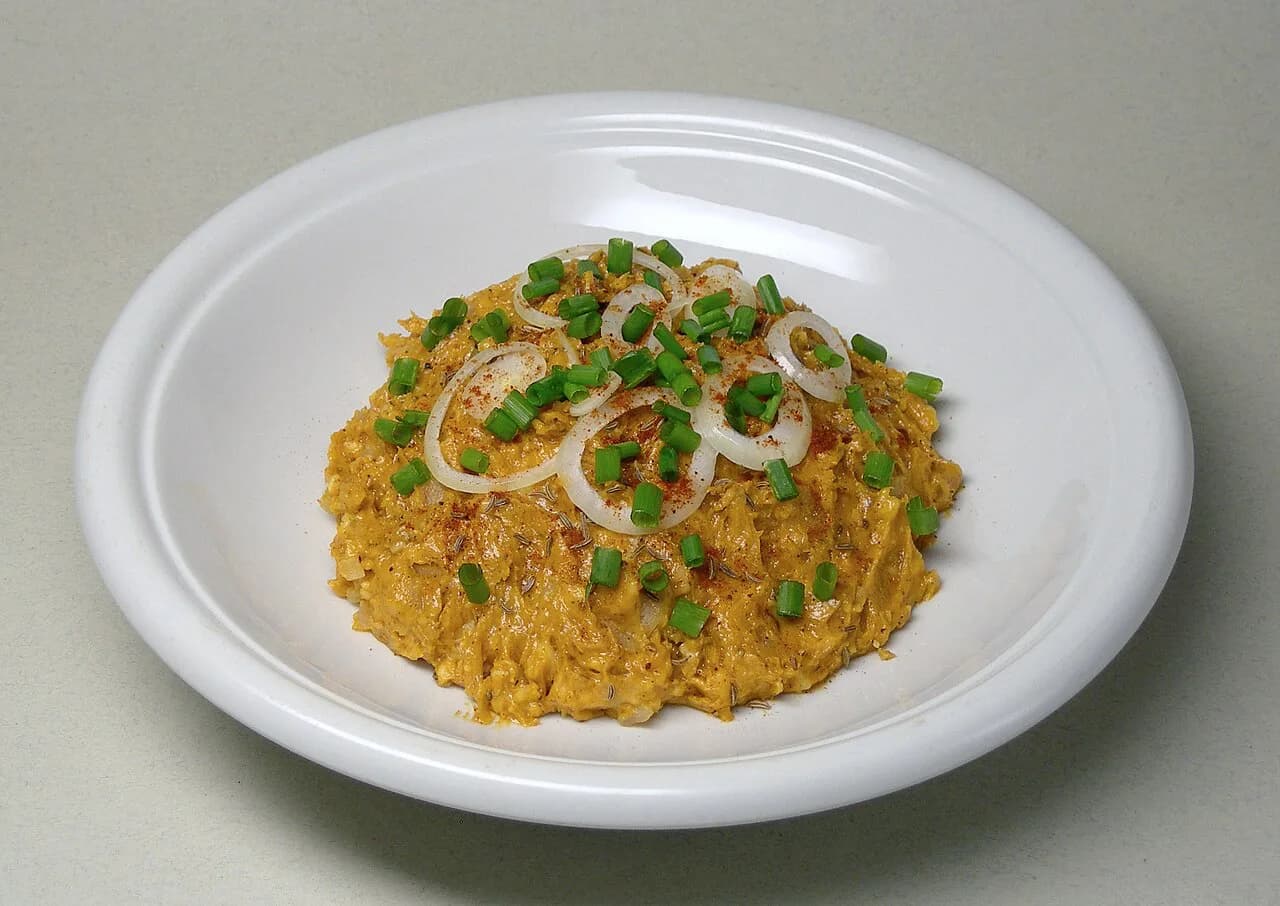
Obatzda is a soft, spreadable Bavarian cheese dish made from ripe, bloomy-rind cheese mashed with paprika, butter and a little beer. You eat it as a snack, scooped onto a Brezel (a chewy lye pretzel), raw radish slices or dark bread, usually with a beer alongside. This guide covers what it tastes like, how it fits into a Brotzeit board, where you meet it in Bavaria, and how to mix your own at home.
Think of it less as a main course and more as a shareable opener. In a beer garden or a tavern serving Brotzeit, obatzda typically arrives on a board with pretzels, cold cuts and pickles. Knowing that saves you from ordering it as a solo lunch.
What obatzda is
The base is a very ripe, soft cheese with a white bloomy rind, the Camembert family, which gives obatzda its creamy body and gently pungent edge. Paprika supplies the color and the warm, slightly sweet spice note, and butter or cream cheese smooths the texture. A splash of beer loosens the mix and adds a faint malt edge that a recipe from Edible Boston builds in an ounce at a time.
It is a homemade, farmhouse sort of dish rather than a factory product: recipes vary from kitchen to kitchen and from region to region. Some versions lean on Camembert alone, others bring in Quark, a fresh, mild German curd cheese, for tang, and a Virginia restaurant take from chef Brittanny Anderson adds white cheddar and malt vinegar. None of that is wrong; the constants are soft cheese, paprika and a spreadable consistency.
The paprika in obatzda is usually the sweet, ground red kind, not the hot smoked Spanish style, so expect color and gentle warmth rather than heat. That is why the spread reads as rich and a little tangy instead of spicy, and why it pairs so easily with a cool pilsner.
What obatzda tastes like
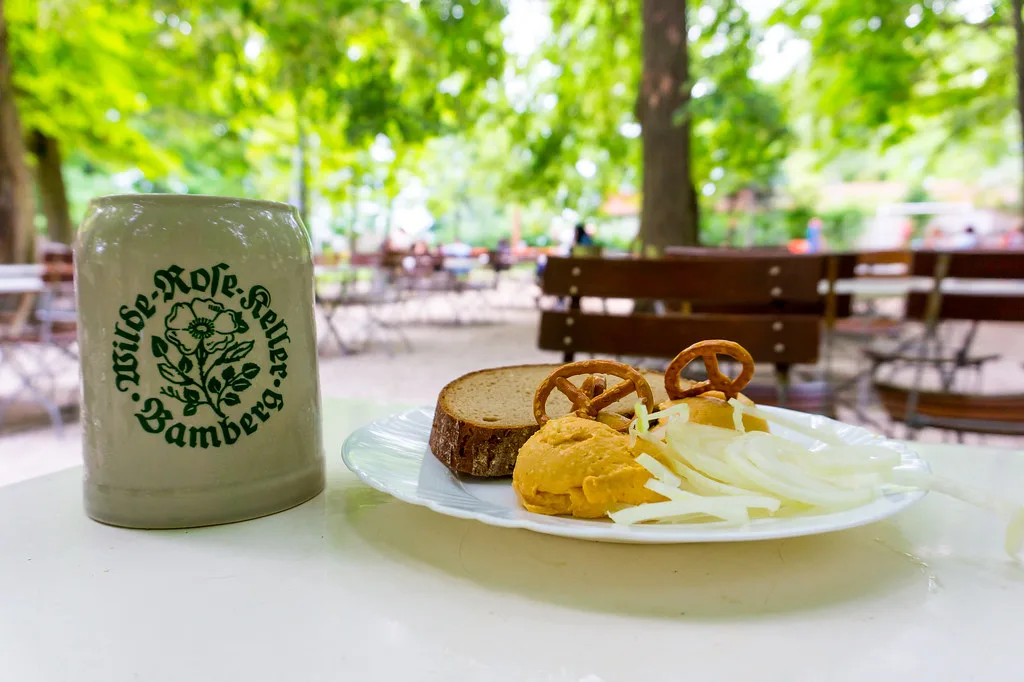
Expect a soft, slightly chunky paste that tastes of ripe cheese first, then butter, then a mild paprika sweetness, with a tang from the cheese rind and the beer. It is rich and a little salty, so a small portion goes a long way on a piece of bread. The German food tradition it belongs to is full of these savory, cheese-and-cold-cut snacks rather than delicate ones.
What is obatzda? Obatzda is a soft, spreadable Bavarian cheese dish made from ripe bloomy-rind cheese such as Camembert, mashed with sweet paprika, butter or cream cheese and a little beer. It is a snack, scooped onto a Brezel (a chewy lye pretzel), raw radish slices or dark bread.
What does obatzda taste like? It tastes of ripe soft cheese first, then butter, then a mild, slightly sweet paprika warmth, with a tang from the cheese and the beer. It is rich and a little salty rather than spicy or hot.
Is obatzda vegetarian? Usually it is, built on cheese, butter, paprika and beer, making it the vegetarian-friendly option on a Brotzeit plate that otherwise leans on sausage and ham. Some versions can include other ingredients, so ask the kitchen if you want to be sure.
If you have had a sharp American cheddar spread or a French fromage fort, obatzda sits somewhere in that family but is milder and more buttery, with the paprika doing the work. The texture recipe writers aim for is chunky and paste-like, mashed with a fork rather than whipped smooth.
How to eat it: Brezel, radishes and bread
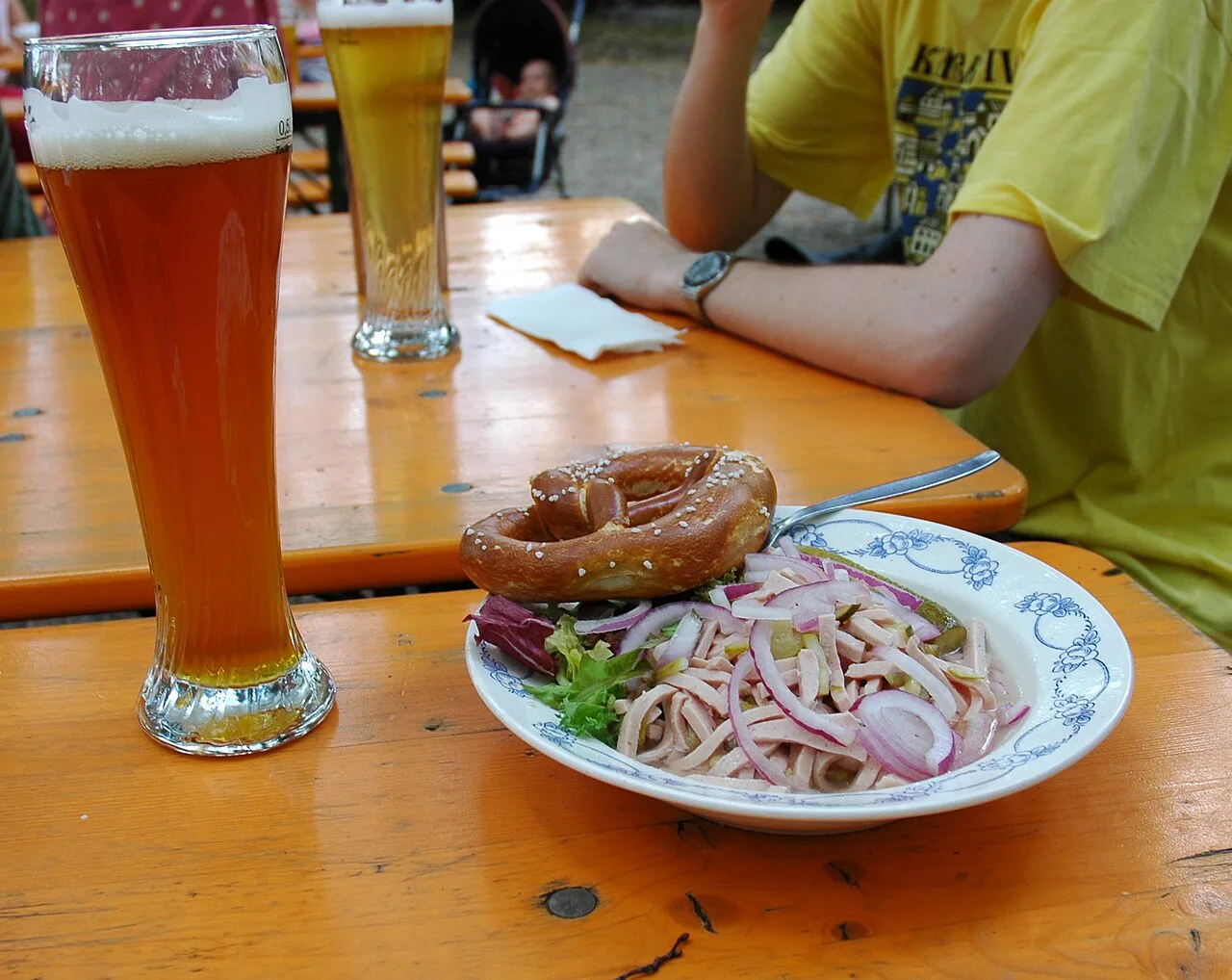
The classic move is to tear off a piece of Brezel, smear a spoonful of obatzda on it and eat it in one or two bites. Raw radishes, sliced thin, cut the richness and add crunch; dark rye or Bauernbrot (farmhouse bread) does the same job if pretzels are not on the table. The recipe accompanies the spread with pretzels and vegetables.
At home, the consistency decides how you serve it. A thicker mix spreads neatly on pretzels, bread and vegetables, while a looser, more dippable version works with crackers or hard pretzels, so add beer gradually and stop when it looks right to you. If you are cooking a full German-style spread, obatzda is the cheese anchor beside heartier plates such as a breaded schnitzel.
Radishes are not decoration: slice them thin, salt them lightly and eat them between bites of cheese and pretzel to reset your palate. That rhythm, cheese, radish, bread, sip of beer, is the whole point of a Brotzeit plate.
Where you see obatzda in Bavaria
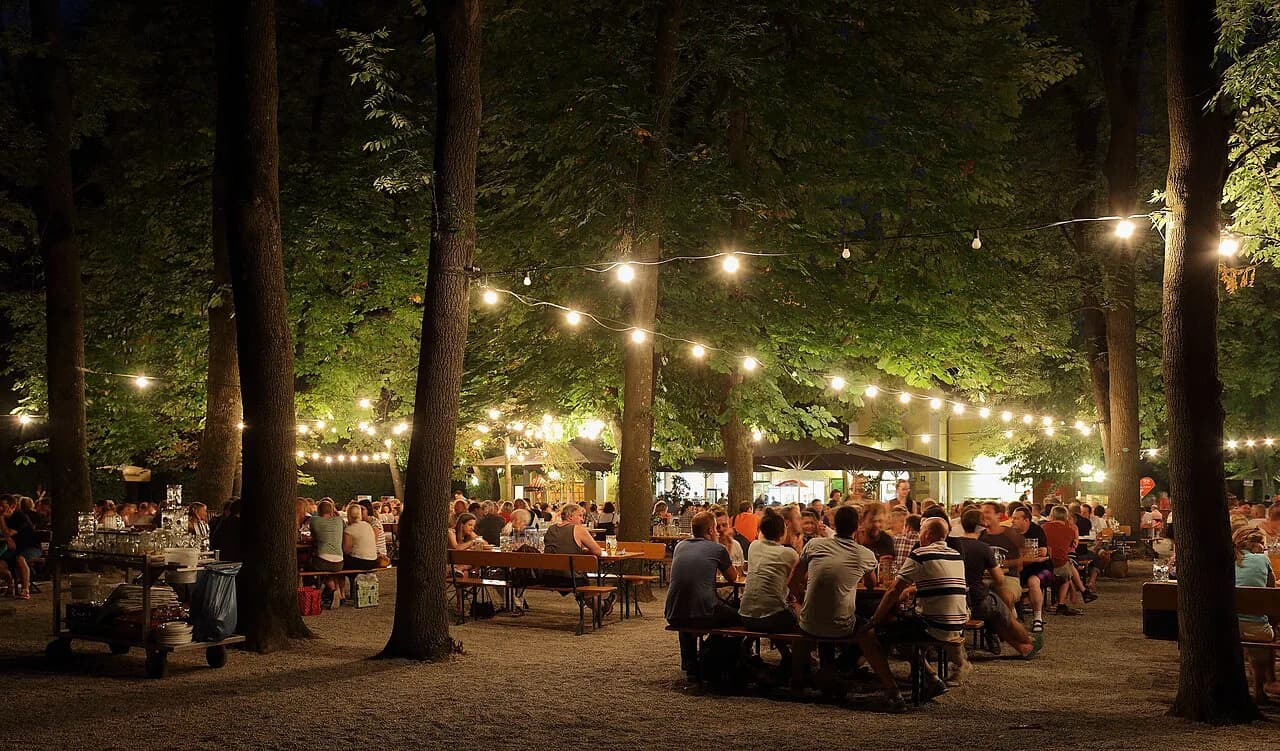
Obatzda is beer garden and tavern food, the kind of thing that appears on a Brotzeit board alongside cold cuts, pickles, radishes and a Brezel. It is a beloved Bavarian spread, classically scooped up with a warm Brezel. Look for it on the menu as obatzda with a pretzel or folded into a Brotzeit plate.
It is not a main course, so do not expect a plate of it to carry a whole meal. Order it to share while you decide on something bigger, or build a light lunch from obatzda, a Brezel and radishes. The rest of the board can carry heavier things, from a portion of Schweinshaxe (roast pork knuckle) if you are hungry.
Obatzda on a beer garden menu
In a beer garden, order obatzda with a Brezel and a pilsner or a Helles, the pale, malty Bavarian lager. The cheese is salty and rich, the pretzel is chewy and salted, and a clean, cold beer cuts through both without competing. Keep it to one round with the snack; this is a food pairing, not a session.
Portion sizes vary, so ask whether the obatzda comes with a Brezel or whether you order the pretzel separately. If the menu lists a Halbe (half-liter) and a Mass (one-liter) beer, a Halbe is plenty with a shared snack.
Obatzda in a Brotzeit spread
On a shared Brotzeit board, obatzda is the soft, spreadable counterpoint to sliced cold meats, cheese, pickles and radishes. It is also the vegetarian-friendly option on a plate that otherwise leans on sausage and ham, which is why it often gets added alongside the meat.
If you are planning a German-themed spread at home, balance obatzda with cold cuts, pickles and mustard for contrast. A slice of Schwarzwälder Kirschtorte (Black Forest cake) later covers the sweet end. The cheese spread should be the creamy thing on the table, not the only thing.
Making obatzda at home
Start with a ripe, bloomy-rind cheese at room temperature, mash it with butter or cream cheese and sweet paprika, then add beer a little at a time until the texture is right. The Edible Boston version uses 8 to 10 ounces of soft cheese, cream cheese, butter, green onion, paprika and pilsner, and the key instruction is to add the beer gradually. Chopping the rind cheese into chunks makes mashing easier.
The main trade-off is thickness: a stiffer mix spreads on pretzels and bread, a looser one dips. If you want it to hold its shape on a Brezel, stop short of the full beer quantity and taste as you go. A food-processor version gives a smoother, more uniform spread, while fork-mashing keeps the chunky farmhouse character.
Serve it the same day, cold but not refrigerator-cold, with sliced radishes, a Brezel or rye bread and a small beer. That is the whole dish: a few good ingredients, a little patience with the beer, and a table that shares it.
Order the obatzda with the first round
Obatzda is the easiest way into a Bavarian Brotzeit: a paprika-tinted cheese spread, a Brezel, a handful of radishes and a beer. Order it to share at the start of a beer garden afternoon, and use it to judge the kitchen before you commit to anything bigger. For the fuller picture of German eating, look at what [German food](/german-food) means beyond the obvious.
If you are traveling with someone who is unsure about strong cheese, tell them it is milder than it looks, and let them try a small smear on bread first. If they love it, you have found a reliable, inexpensive opener on the menu.
Explore more Germany guides
Frequently Asked Questions
What is obatzda?
Obatzda is a soft, spreadable Bavarian cheese dish made from ripe bloomy-rind cheese such as Camembert, mashed with sweet paprika, butter or cream cheese and a little beer. It is a snack, scooped onto a Brezel (a chewy lye pretzel), raw radish slices or dark bread.
What does obatzda taste like?
It tastes of ripe soft cheese first, then butter, then a mild, slightly sweet paprika warmth, with a tang from the cheese and the beer. It is rich and a little salty rather than spicy or hot.
Is obatzda vegetarian?
Usually it is, built on cheese, butter, paprika and beer, making it the vegetarian-friendly option on a Brotzeit plate that otherwise leans on sausage and ham. Some versions can include other ingredients, so ask the kitchen if you want to be sure.
Can I make obatzda at home?
Yes. Mash a ripe, room-temperature bloomy-rind cheese with cream cheese and butter, fold in green onion and sweet paprika, then stir in pilsner a little at a time until the consistency is right. A thicker mix spreads on pretzels and bread; a looser one dips.
What beer goes with obatzda?
A clean, cold pilsner or a pale, malty Helles works well: the cheese is salty and rich, and the crisp beer cuts through without competing. A Halbe (half-liter) is plenty with a shared snack.
Sources
Notes for your next German food trip
Optional updates to our guides.
You might also like

Continue reading
More guides you'll find useful