

Knockwurst vs Bratwurst: What This German Sausage Is and How to Eat
Knockwurst is a short, plump German sausage with garlic and smoke, named for the snap of its casing. Here is how it differs from bratwurst and what to order.
On this page
Knockwurst is a short, thick, heavily smoked German sausage with a strong garlic note and a natural casing that snaps when you bite it. It is pork or veal at heart, seasoned with marjoram, paprika and garlic, and it is a different sausage from bratwurst in shape, texture and spice. This guide covers what knockwurst is, why the spelling varies, how it compares with bratwurst, and how to cook and serve it.
What knockwurst is
Knockwurst is a stout German sausage packed with smoky spice and a heavy dose of garlic. Its defining features are the shorter, thicker shape, the strong smoke, and the audible snap of the casing rather than a long, mild link.
Pork and veal are the usual base meats, and the seasoning leans herbaceous: marjoram, paprika and garlic, all stuffed into a natural casing. That combination is what separates it from the wider family of German sausages, where casings, grinds and spice sets change from region to region.
Why it is also spelled knackwurst
The name comes from the German word knacken, which means to crackle or snap, and it can refer either to the sizzle in the pan or to the sound of a good bite through the casing. German menus usually print knackwurst, while American packages and deli counters often use knockwurst, so the two spellings point to the same sausage.
Why it is also spelled knackwurst. The name comes from the German word knacken, which means to crackle or snap, and it can refer either to the sizzle in the pan or to the sound of a good bite through the casing.
What knockwurst tastes like. Expect smoke first, then garlic, with a firm, hearty bite and a juicy interior.
Knockwurst vs bratwurst: shape, texture, and seasoning. Shape is the fastest tell: knockwurst is shorter and thicker, bratwurst is longer and of medium thickness.
If you are scanning a German menu or a butcher's case, treat knackwurst and knockwurst as one entry. A short, plump, smoke-colored link is the visual cue, whatever the label says.
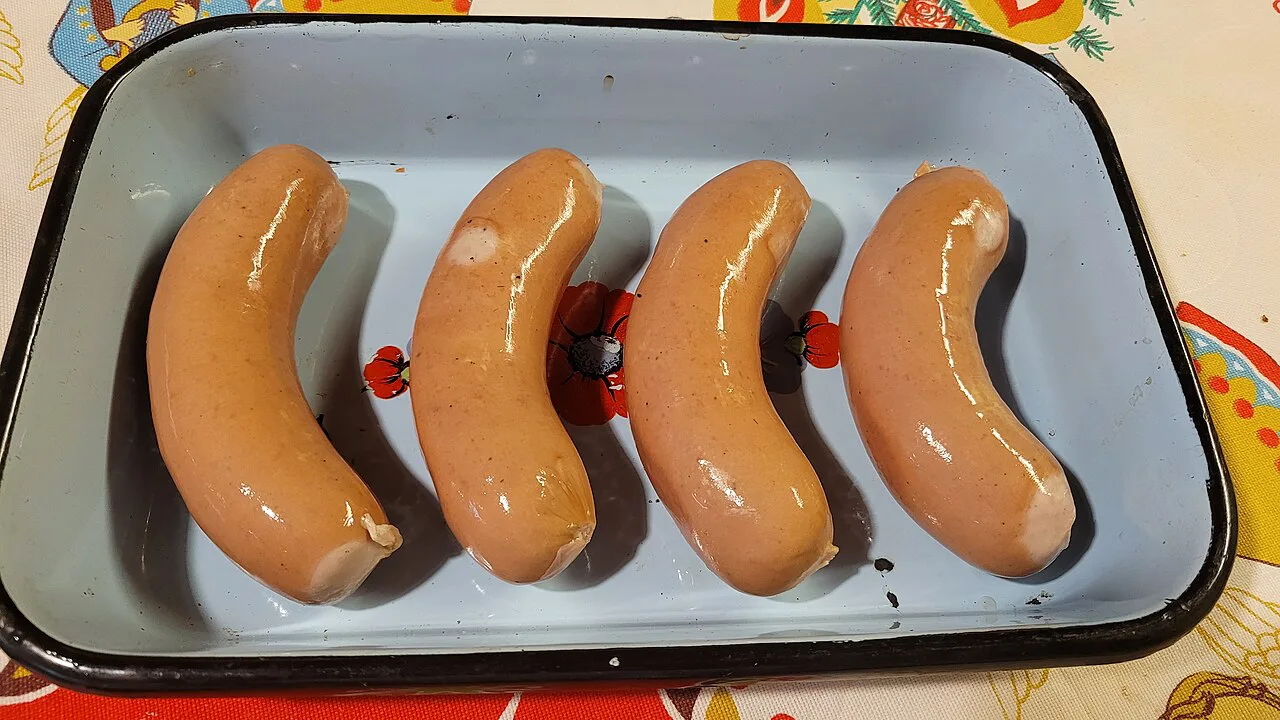
What knockwurst tastes like
Expect smoke first, then garlic, with a firm, hearty bite and a juicy interior. The spice blend stays savory rather than hot, so the garlic and smoke carry most of the flavor.
The mild garlic character and the snap in every bite are consistent across styles, even when the meat base changes from pork and veal to all beef. A beef knockwurst reads leaner and slightly firmer than a pork-and-veal link.
Knockwurst vs bratwurst: shape, texture, and seasoning
Shape is the fastest tell: knockwurst is shorter and thicker, bratwurst is longer and of medium thickness. Knockwurst also carries a finer, denser texture and a smoky, garlicky punch, while bratwurst is milder and coarser.
The spice sets diverge too. Knockwurst leans on marjoram, paprika and garlic, whereas bratwurst often uses warmer spices such as nutmeg, cardamom or ginger. Bratwurst is also a broad category with many regional recipes, while knockwurst is a single, recognizable style.
That regional spread means two bratwursts in Germany can taste nothing alike, from the coarse, marjoram-heavy links of Franconia to the long, thin grilled sausages of Thuringia. Ordering a Thüringer Rostbratwurst is a different experience from ordering a knockwurst, even when both arrive on the same plate of mustard and bread.
How knockwurst is made and what goes into it
The meat is ground and seasoned, then stuffed into a natural casing that gives the sausage its snap. Smoking over beechwood is the traditional route, which is where the deep, campfire-like flavor comes from.
Industrial versions follow the same logic with a shorter ingredient list. A beef knockwurst, for example, can be built from an old German family recipe with the casing left natural and the spice kept to a mild garlic level.
How to cook it at home: grilling, frying, or simmering
Knockwurst takes well to three methods: grilling, baking, or simmering in water. Grilling and pan-frying crisp the casing and push the smoke forward, while a gentle simmer keeps the link plump and juicy.
Whichever method you choose, keep the heat moderate and score nothing: the natural casing is the point, and a slow build of heat lets the inside warm through before the outside splits. If you buy a packaged brand, follow the cooking directions printed on that package rather than a generic rule.
Serve it hot off the heat, because the smoke and garlic soften as the sausage cools. A quick sear on the cut side of a split link also works well when you want the flavors to hit harder.
What to serve with knockwurst
Sauerkraut and German potato salad are the classic pairings, and both cut through the fat and smoke. Mustard is the standard condiment, and a grainy version adds texture and tang without burying the garlic.
Spätzle, the soft egg noodle dumpling, is another traditional side and soaks up the juices well. A plain Hard roll also does the job when you want the sausage itself to be the whole meal.
If you are feeding a group, plate knockwurst with a sharp mustard, a pile of sauerkraut and a bowl of potato salad, and keep the portions moderate. The sausage is rich enough that sides do most of the balancing.
Beer styles that work with a smoky, garlicky sausage
A clean, malty beer is the safest partner: a Helles or a Pilsner clears the smoke and garlic without competing with them. A dunkel or a bock brings out the darker, roasted notes in the sausage and suits a grilled link in cold weather.
Keep the glass small and the pace easy: one beer alongside a sausage plate is the German tavern habit, not an endurance test. If you want a stronger pairing, split one with a companion and order a second link instead.
Lighter wheat beers work with a milder knockwurst, while a smoky, garlic-heavy link can stand up to a stronger dark beer. The key is to match intensity rather than to chase the strongest option on the menu.
Ordering sausage in Germany: what to expect on the plate
A sausage order in Germany usually comes with mustard and bread rather than a bun, and sometimes with sauerkraut or potato salad on the side. Cut the sausage with a knife and fork, or eat it from the hand between slices of bread and a dab of mustard.
Spelling matters when you read the menu: knackwurst is the German form, and pronunciation shifts the vowel slightly. If you are unsure, point to the entry or ask for the sausage by name, and the kitchen will know what you mean.
Serve beer by the glass and keep the meal within the sausage-and-sides format. If the menu also offers weisswurst, it is a different order entirely, eaten with süßer Senf (sweet mustard) and warm pretzels rather than the smoky, garlicky profile of a knockwurst.
Why knockwurst deserves its own order
Knockwurst is not a bratwurst stand-in. It is a shorter, thicker, smokier, more garlic-forward sausage, and it earns its place on a German menu with its own set of sides. Order it when you want smoke and garlic rather than a mild, coarse link, and pair it with sauerkraut, mustard and a clean beer.
At home, grill or simmer a link and serve it with potato salad and a Hard roll for a simple, filling plate. If you are working through the German sausage list one by one, a smoky, garlicky knockwurst makes a good benchmark before you move on to the regional bratwurst styles.
Explore more Germany guides
Sources
Notes for your next German food trip
Optional updates to our guides.
You might also like



Continue reading
More guides you'll find useful




