
Apfelstrudel: What It Is and How to Order It in Germany
Apfelstrudel is a stretched-dough pastry filled with apples, raisins and cinnamon. Here is what makes it a strudel, not a pie, and how it is served.
On this page
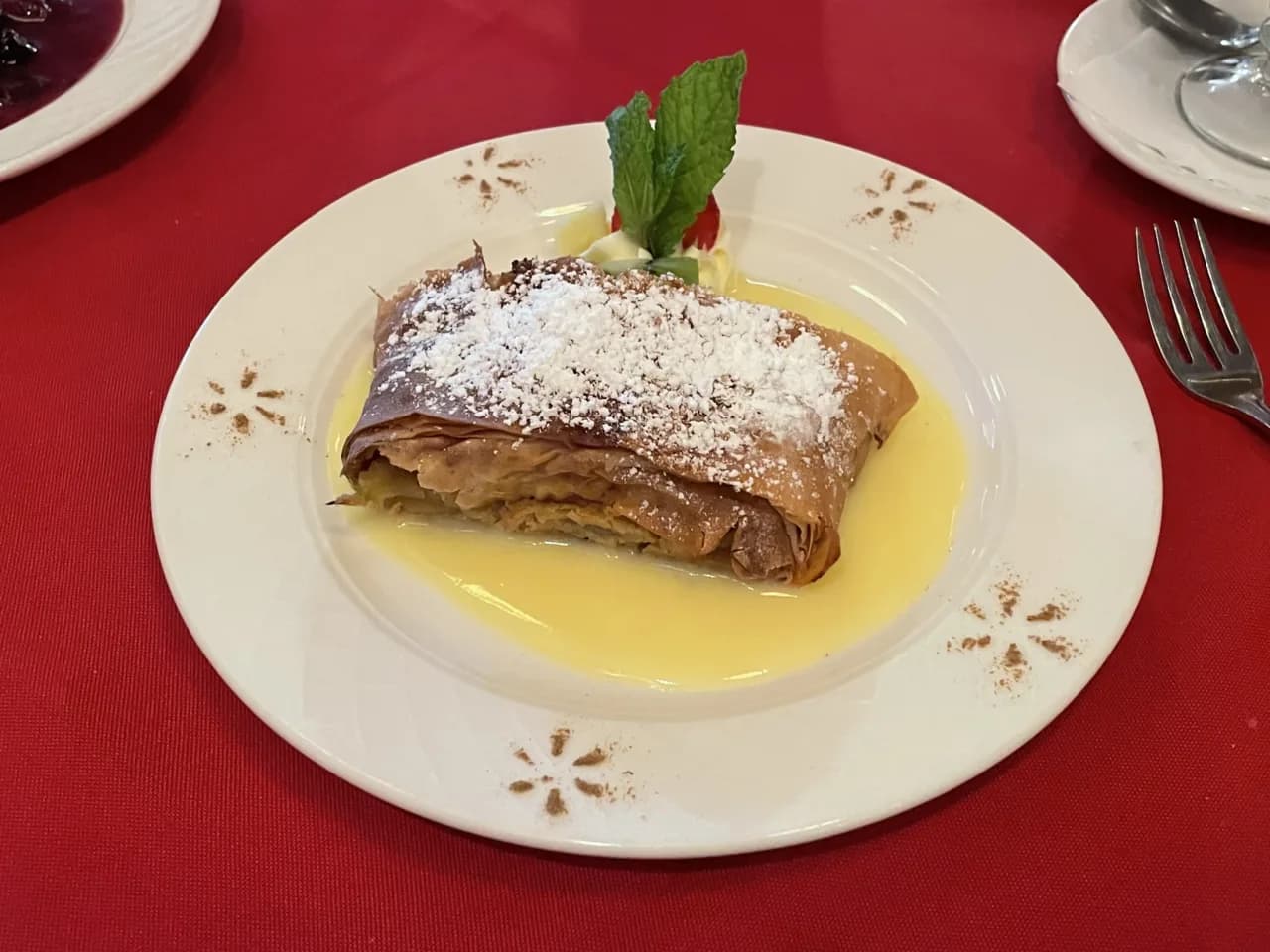
Apfelstrudel is a rolled pastry made from a paper-thin stretched dough around a filling of apples, raisins, toasted breadcrumbs and cinnamon, baked until the outside turns crisp and flaky. In Germany you will find it on café and Konditorei menus and at bakery counters, usually served warm with a dusting of powdered sugar. This guide explains what makes a strudel a strudel, how it is served, and what to look for when you order a slice.
The pastry is Austrian by origin and shows up across Germany because of the long culinary exchange between the two countries. It is a dessert built on contrast: fragile, layered dough outside and soft, spiced fruit inside. Knowing how it is made helps you judge a good slice from a soggy one.
What Apfelstrudel is
Apfelstrudel is a sheet of elastic dough stretched until it is thin enough to read through, spread with buttered breadcrumbs and sliced apples, rolled into a log, and baked until golden. The result is a pastry with many fine layers rather than one thick crust. Inside, the apples soften but keep some texture, and the raisins add pockets of sweetness.
The name comes from the German word Strudel, meaning whirlpool or eddy, which describes the rolled shape. A proper Apfelstrudel is not a deep pie or a cake; it is a filled, rolled pastry. That shape is the first clue to what you are ordering.
Where it comes from
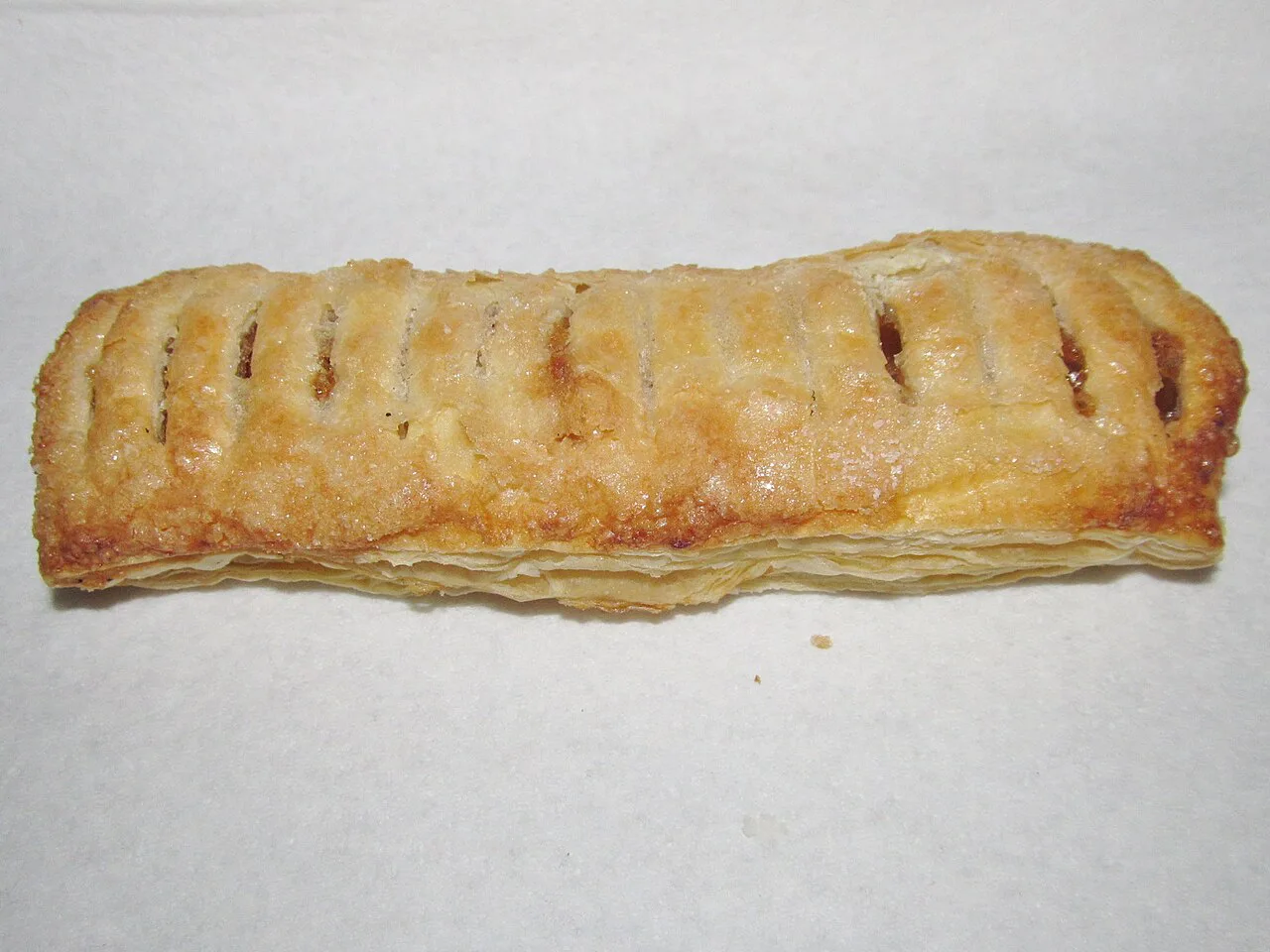
Apfelstrudel is Austrian in origin and is one of the country's best-known desserts, though versions appear across Central Europe. In Germany it is a standard item in cafés, Konditoreien and bakeries, especially in Bavaria and the south. Its presence on German menus reflects the influence of the old Austro-Hungarian Empire on the region's cooking.
Is Apfelstrudel served hot or cold? Apfelstrudel is usually served warm or at room temperature, often with a dusting of powdered sugar. Some cafés serve it slightly cooled with vanilla sauce or whipped cream.
What's the difference between strudel and pie? A strudel is a thin stretched dough rolled around a filling, while a pie has a deep dish with a bottom crust and often a top crust. Strudel layers are fine and fragile; pie crust is thicker and sturdier.
Where is an apple strudel from? Apple strudel is Austrian in origin and is also strongly associated with Trentino–Alto Adige in northern Italy and with German café culture. It reflects the influence of the old Austro-Hungarian Empire on Central European cooking.
The pastry also has a strong following in Trentino–Alto Adige in northern Italy, where it is known as Strudel di Mele and is made with a similar stretched dough. That version reflects the same Austro-Hungarian influence. For a traveler in Germany, the takeaway is simple: Apfelstrudel is a Central European classic, not a specifically German invention.
What goes into it
The filling is built on tart apples that hold their shape during baking, such as Granny Smith or Golden Delicious. Raisins or sultanas add sweetness and a slight chew, cinnamon brings warmth, and melted butter enriches both the filling and the crust. A mix of apple varieties gives a deeper flavor and better texture than a single type.
Toasted breadcrumbs are the quiet hero of the filling. They absorb the juice the apples release as they bake, which keeps the dough from turning soggy. Without that layer, the pastry would lose the crispness that defines a good strudel. When you cut into a slice, the bottom should be dry and flaky, not wet.
Stretched dough versus filo
Traditional strudel dough is made from flour, oil, water and a little vinegar or salt, kneaded until elastic and then stretched by hand until it is paper-thin. The stretching takes patience and a large work surface. The reward is a tender, layered pastry that shatters gently when you cut it.
Filo pastry is the common shortcut: several buttered sheets stacked and rolled around the filling. It is faster and more forgiving, but the result is flakier and less tender than hand-stretched dough. That trade-off is worth knowing when you compare a bakery strudel with a homemade one. Neither is wrong, but they eat differently.
How it is served
Apfelstrudel is usually served warm, dusted with powdered sugar. At a café or Konditorei it often comes with a spoonful of vanilla sauce or a dollop of whipped cream, though that is a common pairing rather than a rule. The warm pastry and cool cream are the point: the contrast makes the slice feel lighter than it is.
In many German cafés, Apfelstrudel is part of the afternoon Kaffee und Kuchen tradition, a coffee-and-cake pause that falls between lunch and dinner. Order a slice with a cup of coffee or tea and you are eating the way many Germans do at around four in the afternoon. A glass of cold milk is another traditional partner, especially for children.
How it differs from pie
A pie has a deep dish, a bottom crust and often a top crust, with a thick filling that sets as it cools. Apfelstrudel is a thin sheet of dough rolled around the filling, so the layers are many and fine rather than one solid wall. The filling is also lighter: sliced apples rather than a cooked-down compote.
The practical difference at the table is texture. Pie is sturdy and sliceable; strudel is fragile and best eaten with a fork. If you are used to American apple pie, expect less crust and more fruit per bite. That is what makes a good strudel feel elegant rather than heavy.
How it differs from streusel
Streusel is a crumb topping, usually made from flour, butter and sugar, scattered over cakes or muffins before baking. A streuselkuchen is a cake with that crumb layer on top. Apfelstrudel is a filled, rolled pastry with no crumb topping at all. The confusion comes from the word's similarity, not from the food.
If you want a cake with a crumbly top, look for a Streuselkuchen or a crumb-topped tray bake. If you want the rolled pastry, ask for Apfelstrudel. German bakery counters usually label both clearly, so a quick look at the shape tells you which is which.
What to order with it
Coffee is the classic companion: a Milchkaffee or a small espresso cuts through the sweetness. Tea works too, especially in the afternoon. If you prefer something cold, a glass of milk is a traditional choice that softens the cinnamon and butter.
At a café, Apfelstrudel is often listed among the desserts rather than the cakes, so scan the whole menu. In a Konditorei, it may sit in the display case next to slices of German cakes like Black Forest cake or a piece of Käsekuchen. Either way, a single slice is usually rich enough without a second dessert.
Ordering at a German bakery counter
At a bakery, you can usually buy Apfelstrudel by the slice to eat at a standing table or take away, or order a whole strudel to bring to a gathering. Point to the slice you want and say "ein Stück Apfelstrudel" (one piece of apple strudel). A whole strudel is best ordered in advance if you need it for a specific time.
Bakery strudel is often baked in a long log and cut to order, so the ends may be crisper than the middle. If you are eating it on the spot, ask for a middle slice if you want more filling, or an end piece if you prefer more crust. The staff will usually oblige if the strudel is not already portioned.
What a good slice looks and tastes like
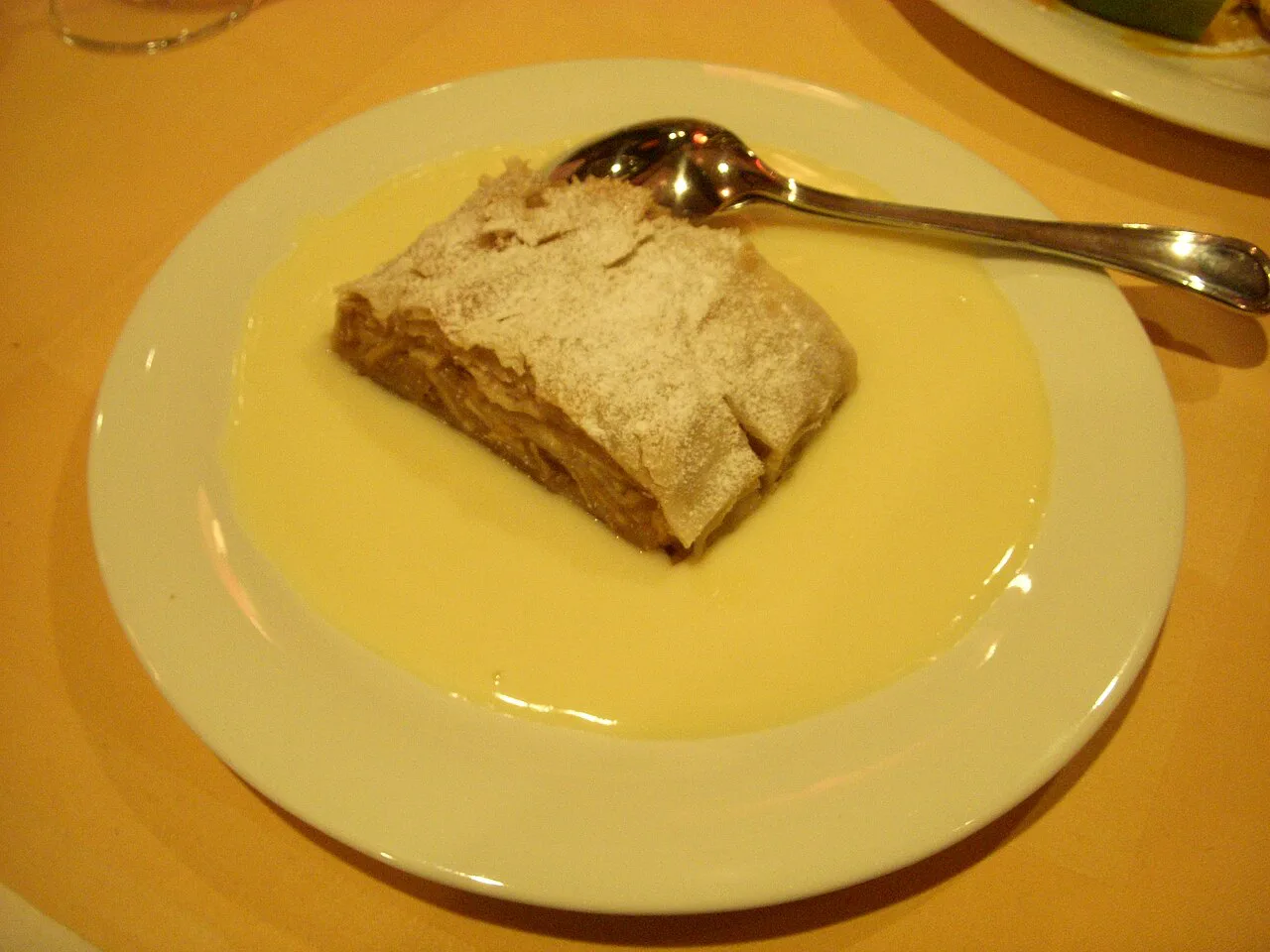
A good slice has a golden, slightly cracked surface and layers that separate when you pull at it with a fork. The apples should be soft but not collapsed, and the raisins plump. The bottom should be dry, not greasy or wet, which tells you the breadcrumbs did their job.
If the pastry tastes heavy or the filling leaks juice onto the plate, the strudel was likely rushed or underbaked. A warm slice with a crisp shell and a fragrant apple center is the standard to look for. Powdered sugar should be a light dusting, not a thick blanket.
Is Apfelstrudel worth ordering?
Yes, if you want a dessert that is more about fruit and fragile pastry than about heavy cream or thick crust. Apfelstrudel is at its best warm and simple, with coffee or a glass of milk alongside. Order a slice at a café or bakery counter and judge it by the crispness of the layers and the texture of the apples.
If you prefer a cake with a crumb topping, look for a Streuselkuchen instead. If you want the rolled, stretched-dough classic, Apfelstrudel is the one to ask for. Either way, it is a useful introduction to the Central European baking tradition that runs through Germany's café culture.
Explore more Germany guides
Frequently Asked Questions
Is Apfelstrudel served hot or cold?
Apfelstrudel is usually served warm or at room temperature, often with a dusting of powdered sugar. Some cafés serve it slightly cooled with vanilla sauce or whipped cream. It is rarely served ice-cold.
What's the difference between strudel and pie?
A strudel is a thin stretched dough rolled around a filling, while a pie has a deep dish with a bottom crust and often a top crust. Strudel layers are fine and fragile; pie crust is thicker and sturdier.
Where is an apple strudel from?
Apple strudel is Austrian in origin and is also strongly associated with Trentino–Alto Adige in northern Italy and with German café culture. It reflects the influence of the old Austro-Hungarian Empire on Central European cooking.
What's the difference between a strudel and a streusel?
A strudel is a filled, rolled pastry. Streusel is a crumb topping made from flour, butter and sugar, used on cakes and muffins. The names look similar but describe completely different things.
Sources
Notes for your next German food trip
Optional updates to our guides.
You might also like



Continue reading
More guides you'll find useful





