
Mass Beer in Germany: What a Maß Is and How to Order One
A Mass beer is a full liter of beer in a heavy glass mug, the standard order at Bavarian beer gardens and halls. Here is what to expect and how to order one.
On this page
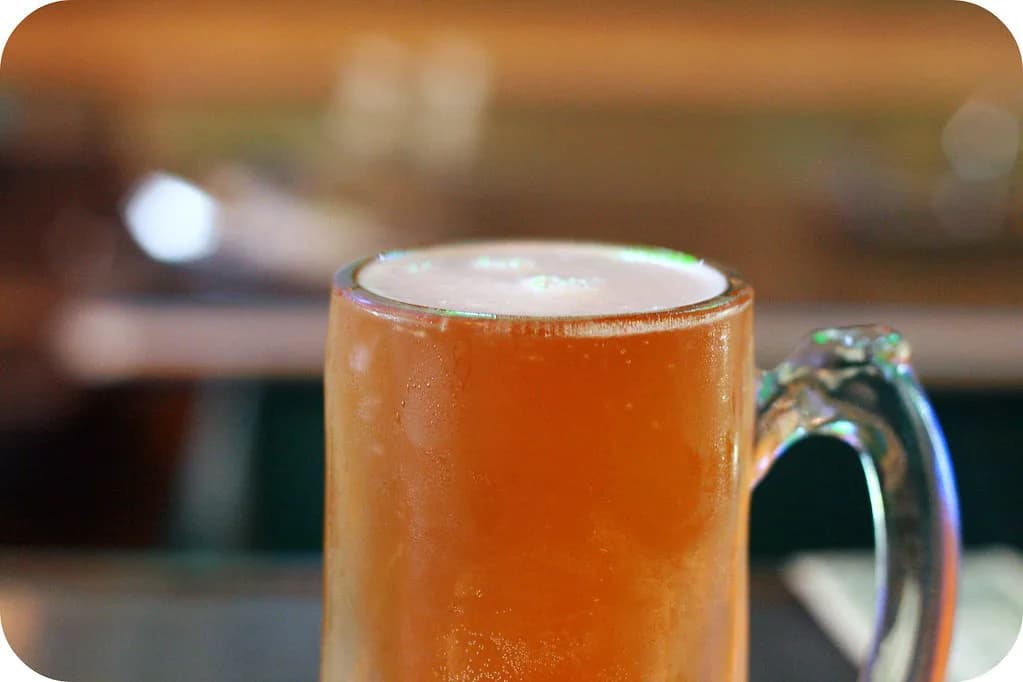
A mass beer in Germany means one thing: a full liter of beer served in a heavy regulation mug, the classic order at Bavarian beer gardens and halls. That is roughly three American pints in a single glass, so it rewards a slow afternoon rather than a quick round. This guide covers the liter mug and its smaller siblings, the spelling you will see on menus, the beer styles that turn up in a Maß, and the practical steps of ordering, running a tab and returning the glass.
The single most useful thing to know before you sit down is that the measure is fixed, not vague. German beer service runs on counted sizes, and knowing which one you ordered keeps the bill and the pace of the table honest. Get the size right and the rest of the garden afternoon falls into place.
What a Maß Actually Is
A Maß is the German word for the amount of beer in a regulation mug, and in modern use it means exactly one liter. The mug itself, the Maßkrug, is thick-walled glass with a handle, built to be carried across a crowded garden without sloshing. Order one and you get a liter, not a pint with a fancy name.
The weight is the part visitors underestimate. A liter of beer plus heavy glass is a serious object to hold one-handed for an hour, which is why experienced tables order food alongside and settle in. If you want a second round, you will usually want a fresh glass rather than a warm one.
Mass vs. Maß: The Spelling on Menus
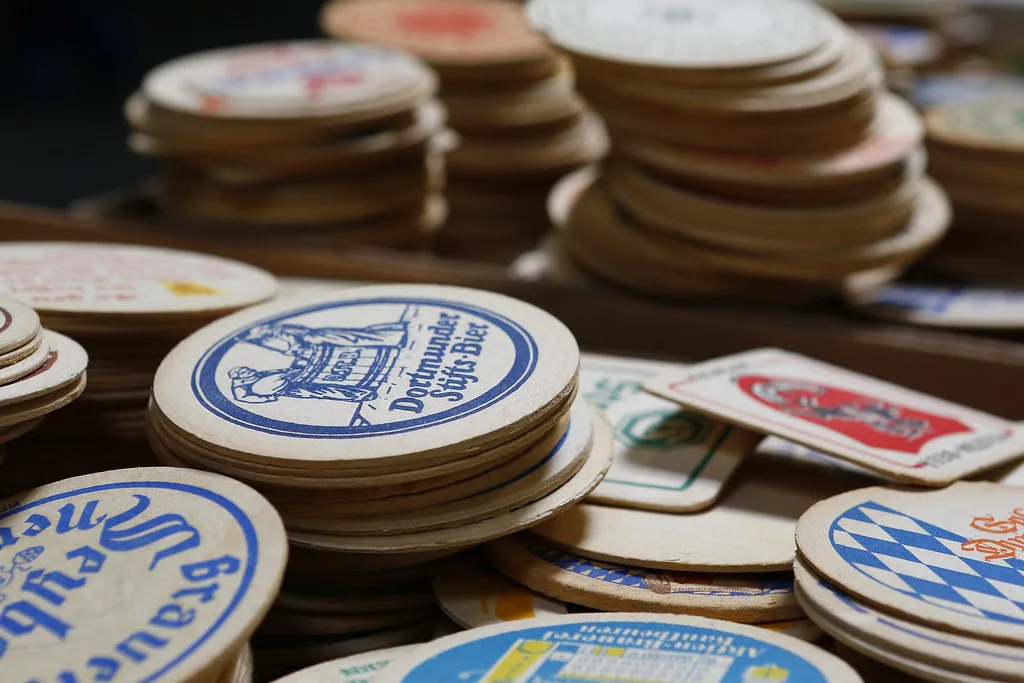
English keyboards and English search habits produce mass, but the German word carries an ß, the sharp s, and menus and signs print it as Maß. The two are the same order, so do not read Maß as a different drink or a house special. If a blackboard shows Mass without the ß, it is still a liter.
Mass vs. Maß: The Spelling on Menus. English keyboards and English search habits produce mass, but the German word carries an ß, the sharp s, and menus and signs print it as Maß.
Sizes Beyond the Liter: 0.3 and 0.5. Not every order is a liter, and you should not treat the Maß as compulsory.
What Beers Come in a Maß. The liter mug is most associated with pale lagers built for long drinking, the kind of clean, cold beer that stays enjoyable across an afternoon.
This is also why searching for mass beer turns up unrelated results, from American brewing guilds to a Massachusetts taproom list, none of which describe German service. Treat the ß as your filter: it points straight at the Bavarian liter.
Sizes Beyond the Liter: 0.3 and 0.5
Not every order is a liter, and you should not treat the Maß as compulsory. German beer service commonly runs in counted sizes, with 0.3 liter and 0.5 liter glasses doing most of the work at ordinary tables and lunch counters. A 0.5 liter glass is a sensible middle ground: enough to last through a plate of food without going flat or warm.
The liter mug suits a long stay in a garden on a warm day; a 0.3 liter glass suits a quick stop, a tasting round or a table where people are drinking at different speeds. Choosing the smaller glass is not a faux pas, and ordering a round of mixed sizes is normal. Decide by how long you plan to sit, not by what the next table is holding.
If you want the flavor of a full beer without the alcohol, non alcoholic beer is widely available in Germany and is served in the same counted sizes, so you can hold a 0.5 liter glass while your friends work through a Maß.
What Beers Come in a Maß
The liter mug is most associated with pale lagers built for long drinking, the kind of clean, cold beer that stays enjoyable across an afternoon. In Bavaria that usually means a Helles, the pale lager style that anchors most garden menus. Ask what is poured by the liter at the bar or check the menu's size column before you commit, since not every beer on tap is offered in a full Maß.
Weißbier, the cloudy wheat beer, is a different pour from the handled liter mug, so do not assume every style scales up. If a wheat beer is what you want, order it in the glass the house uses for it. And if the full liter feels like too much alcohol for the day, a radler, the German beer-and-lemon-soda mix, is the standard lighter option.
Ordering at a Beer Garden: Counter, Table Service and the Tab
Service can run either way in a beer garden. At self-service gardens you queue at the counter, pay for your drinks and food, and carry everything back to the table yourself. At served gardens a waiter takes the order at the table and adds it to a running tab, which you settle at the end rather than drink by drink.
Watch which model you are in before you sit, because it decides how the afternoon runs. Self-service suits a flexible table where people arrive at different times; table service suits a group that wants to stay put. Either way, order in a clear round rather than one glass at a time, and say the size out loud so nobody is surprised.
In a Bierhalle the rhythm is closer to full table service, with waiters carrying multiple Maß at once and a tab that builds through the evening. Keep the pace moderate: a liter is a long drink, not a challenge.
Deposit and Glass Return
Reusable glassware in Germany often carries a deposit, and in beer gardens that usually means returning empties to a collection point rather than leaving them on the table. At self-service gardens the return spot is typically near the counter where you ordered; watch what the tables around you do and follow suit. At served tables your waiter clears the glasses and the deposit is handled on the bill.
Do not walk off with the mug, however good it looks on the shelf at home. The Maßkrug belongs to the house and the deposit system assumes it comes back. If you want a souvenir, buy one properly rather than carrying off the glass you drank from.
Prost, Shared Tables and Beer Garden Manners
Prost is the toast, and it is done with eye contact and a clink of glass rims before the first sip. At long shared tables, ordering a Maß and sitting down next to strangers is normal and expected in a Biergarten; you do not need to keep to yourselves. A simple greeting when you join a bench goes a long way.
Drinking is social and unhurried rather than competitive. The culture favors a steady liter over several fast rounds, and the food is part of the same pause, not an afterthought. If the afternoon stretches, switch to a smaller glass or a non-alcoholic round rather than pushing through another Maß.
Where the Maß Fits: Bavaria and Beyond
The liter mug is a Bavarian habit first, tied to Munich and the garden culture around it, and it is not the nationwide default. Head north or west and the standard pour is more likely a 0.3 or 0.5 liter glass, with the size printed plainly on the menu. Ordering a Maß in a small Rhineland or Franconian pub may simply not be an option.
Where the garden culture is strongest, the Maß and the chestnut-shaded bench belong together, and warm weather decides how busy it gets during the Biergarten season. If a liter mug and a shared table are the point of your afternoon, plan around a garden rather than a city-center bar. If you want the decorative side of German beer service instead, a beer stein with a pewter lid is a different object entirely, often sold rather than poured.
Order the Liter or the Half?
Order the Maß when you plan to sit for an hour or more in a Bavarian garden, and order a 0.5 liter glass at an ordinary table, at lunch or on a day when you want to keep moving. Let the length of your stay decide the size, and say the number out loud when you order so the tab matches the glass.
Learn to read the ß, keep the mugs on the tray, meet the table when you toast, and the liter stops being a novelty and becomes what it is for locals: a slow afternoon with food.
Sources
Notes for your next German food trip
Optional updates to our guides.
You might also like



Continue reading
More guides you'll find useful


