Pumpernickel: What It Is, Why It's Dark, and How It's Made
Pumpernickel is a dense German whole-rye bread with a deep brown color, earthy sweetness, and no crust. Here is what it is, how it is made, and how to eat it.
On this page
Pumpernickel is a 100% whole-rye German bread, baked in a covered tin for so long at low heat that it comes out almost black, moist, and crustless, with a sweetness that no sugar alone explains. It is one of the heaviest loaves in the German bread repertoire, and it is eaten in thin slices rather than thick ones. This guide covers what goes into it, why it turns so dark, how the sealed bake works, and how to eat it once you have a loaf.
What pumpernickel is: a whole-rye German bread with no crust
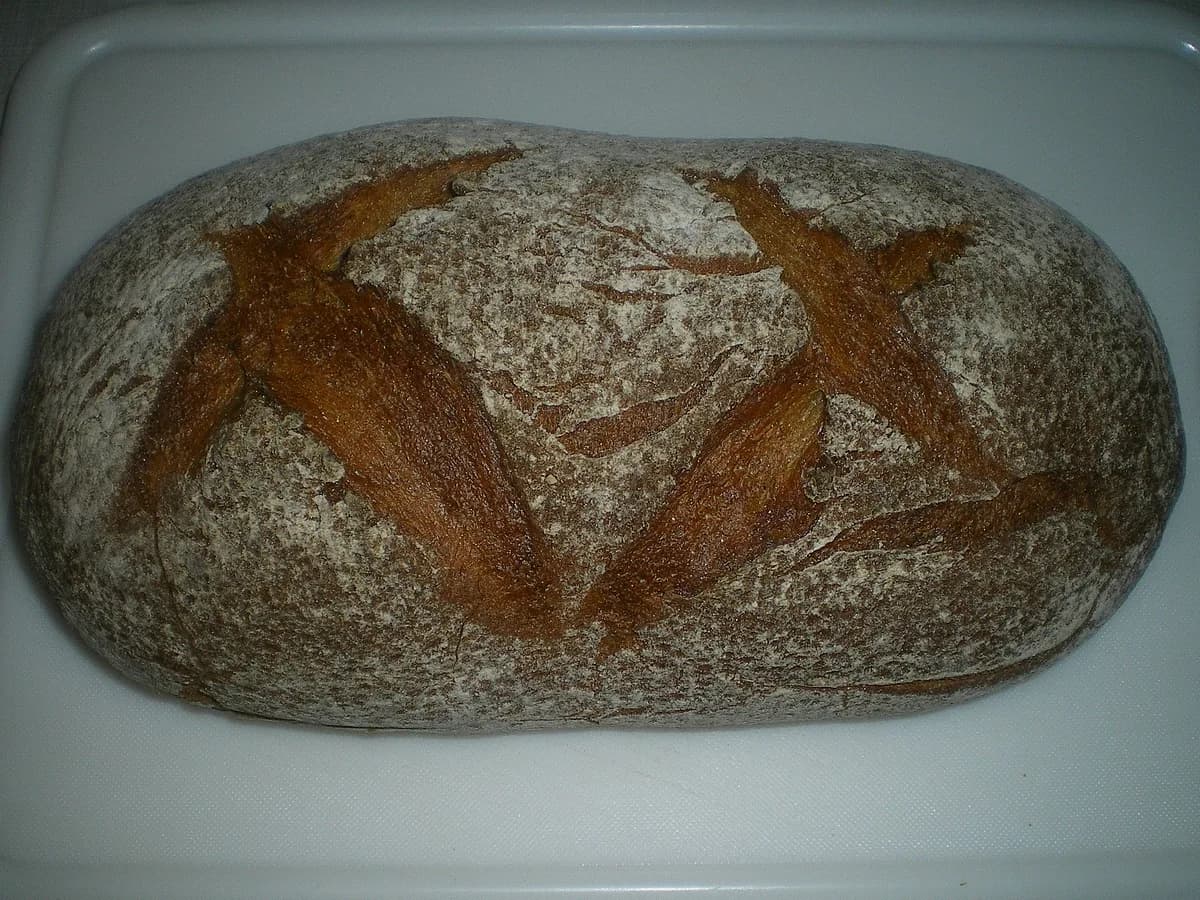
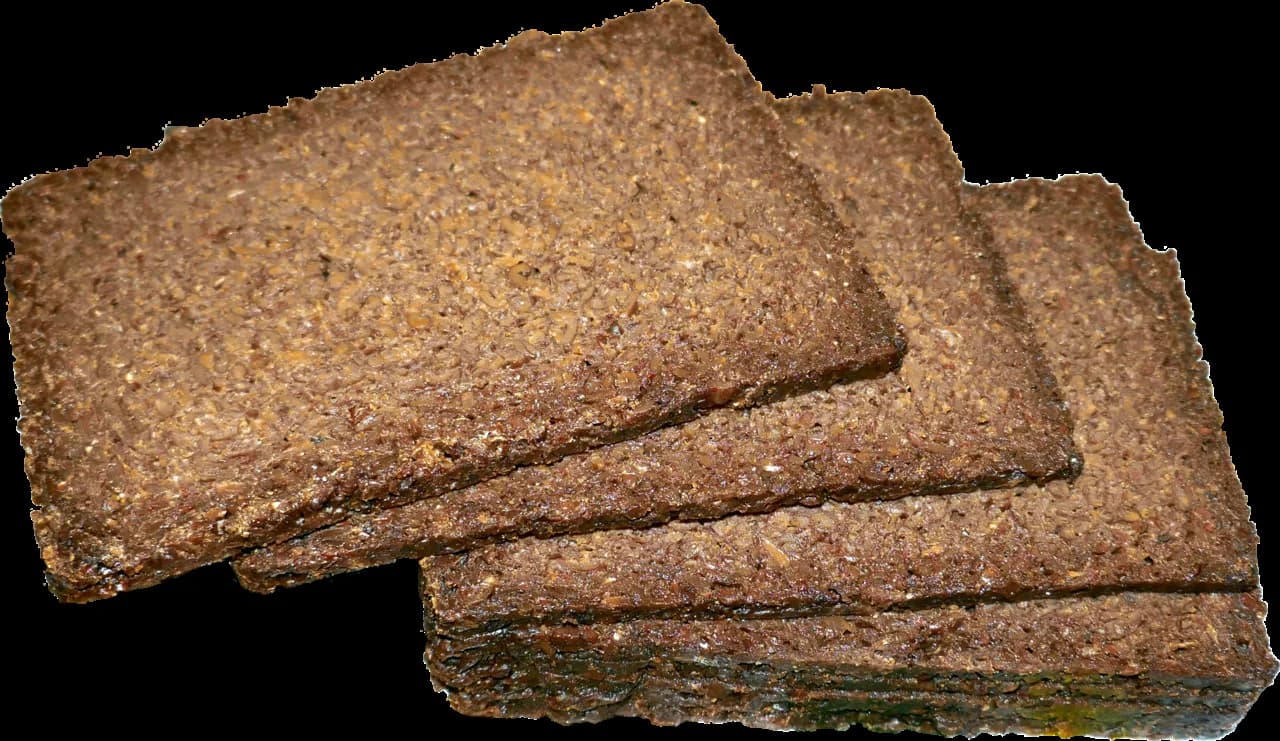
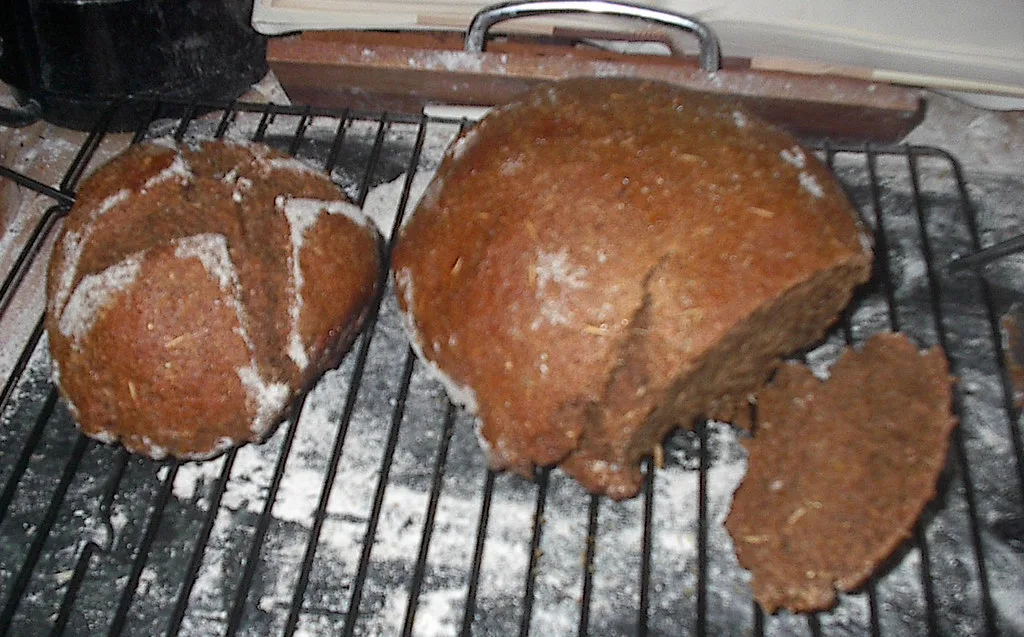
Real pumpernickel is made from whole rye grain and cracked rye, with no milled flour in the dough, which is what separates it from the soft dark sandwich loaves sold under similar names. Because the dough is baked in fully covered tins, the loaf develops no crust at all: the surface stays dark brown and slightly glossy rather than firm. The bread has long been simple, everyday fare made from whole and broken rye by households that had no access to a proper mill.
That whole-grain base connects pumpernickel to the wider family of German rye loaves, from the mixed wheat-and-rye sandwich breads to the sour, seeded loaves of the north. If you want the vocabulary for the rest of the shelf before you buy, the German bread guide explains how the categories differ.
Why the loaf is so dark: a long bake, not caramel coloring
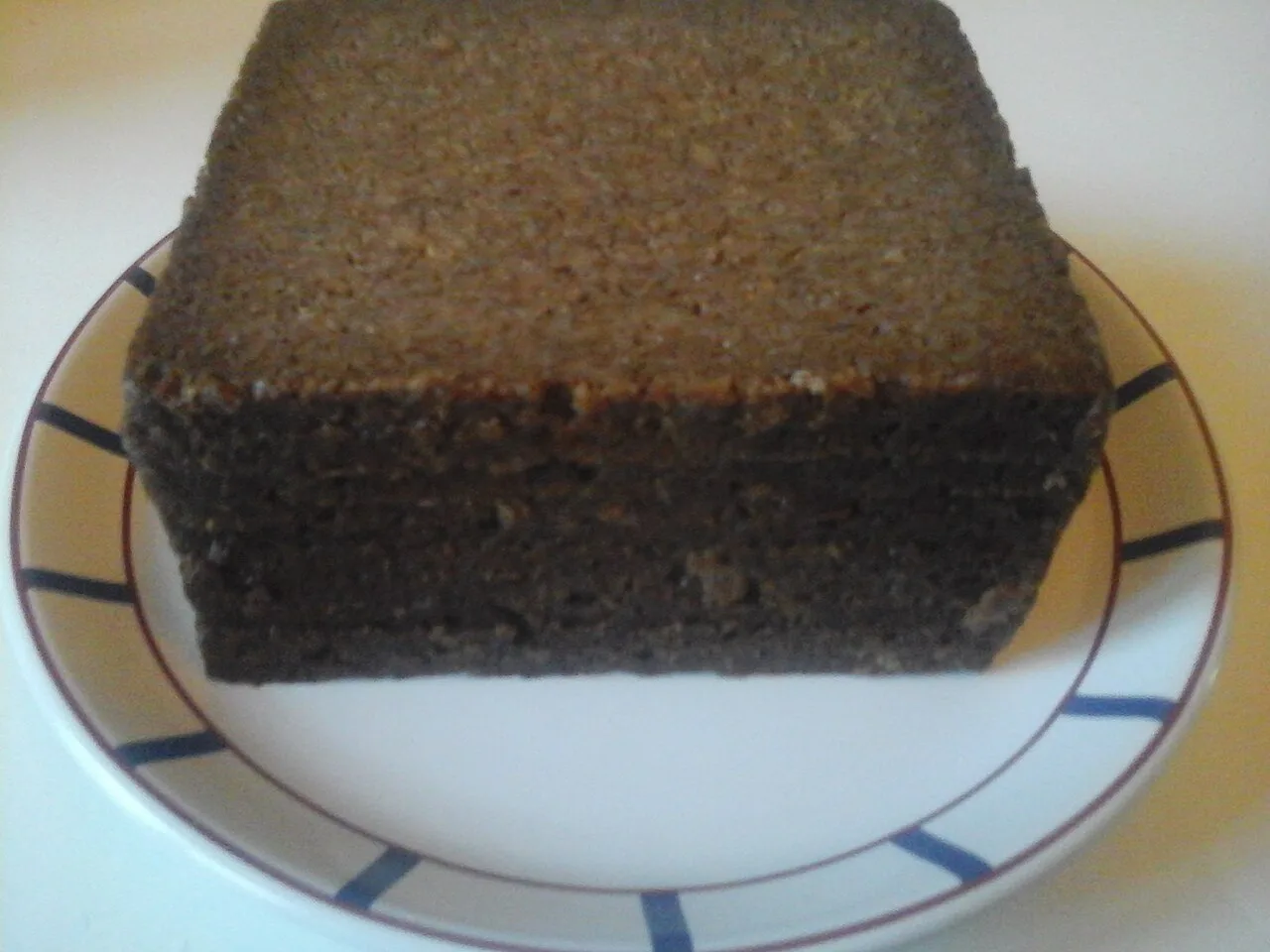
The color has nothing to do with added caramel coloring, which a traditional recipe leaves out entirely. Rye carries roughly seven percent natural fruit sugar, against about four percent in wheat, and during a bake of many hours those sugars caramelize and push the crumb toward deep brown. The result is a dark tone that goes all the way through the loaf instead of sitting on the surface like a glaze.
What does pumpernickel mean in English? Pumpernickel is the German name for this bread, borrowed into English unchanged. In a German bakery you can order it by that name.
Are pumpernickel and brown bread the same? No. Brown bread is a loose term for any dark loaf, usually a wheat-and-rye blend with a crust.
How long does pumpernickel bread last? Its density and moisture help it keep longer than a light wheat loaf, and packaged pumpernickel is often vacuum-sealed. The reliable guide is the best-before date on the package, and once cut, wrap the loaf tightly so the exposed end does not dry out.
Because the darkness is a product of time and heat rather than an ingredient, a pale pumpernickel is a contradiction: a loaf that looks light brown either had a short bake or is not the all-rye bread it claims to be. That makes color a useful first check when you are standing at a bakery counter.
How the bread is baked: sealed tins and trapped steam
The dough goes into a lidded loaf tin, sometimes called a Pullman pan, and the tin is often wrapped in foil as well so that almost no steam escapes. Trapping that moisture matters because the bake is long and gentle, and an open tin would dry the loaf into something closer to a brick than a bread. One home baker's method bakes at around 120°C for roughly 14 hours, using a rye sourdough starter, cracked rye, salt, water, and syrup, with no coloring agent added.
That is a description of one recipe rather than a fixed rule for every German bakery, so treat the temperature and timing as an illustration of the technique. The essential point is the same everywhere: a sealed, slow, humid bake is what gives the loaf its texture.
The rye itself needs help before it goes anywhere near the oven, which is why pumpernickel starts with a sourdough culture. A rye sourdough starter is what builds the acidity that rye depends on, and the same culture underpins most northern German rye loaves.
What pumpernickel tastes and feels like
The first thing you notice is weight. A pumpernickel loaf is dense and heavy in the hand, and a single slice feels substantial compared with a slice of wheat sandwich bread. The crumb is moist and close-grained rather than airy, and it holds together well enough to be cut very thin without falling apart.
The flavor is earthy and gently sweet, closer to molasses and toasted grain than to the sour tang of a rustic rye loaf. That sweetness comes from the caramelized rye sugars rather than from a heavy hand with syrup, and it makes pumpernickel unusually good with both salty and creamy toppings.
Slice it thin: how pumpernickel is eaten in Germany
Thin slicing is not an affectation; a thick slice of pumpernickel is simply too much bread and too much sweetness in one bite. Cut it as thinly as you can and build from there: butter with a little salt, cream cheese, smoked fish, ham, or a sharp cheese all work well. In a German Abendbrot spread, pumpernickel often appears alongside lighter loaves so that guests can mix textures on the plate.
Pumpernickel also belongs on a Brotzeit board, the cold bread-and-cheese meal served in Bavaria and beyond, though it usually plays a supporting role to lighter rye and wheat breads there. If you are putting a plate together, a Bavarian Pretzel covers the chewy, salty end of the spectrum while pumpernickel covers the dense and dark one.
Sliced thin, pumpernickel works well as an open-faced base for cream cheese, cucumber, or smoked fish, a combination that travels better than a soft roll because the dense bread does not go soggy quickly. If you want the everyday filled rolls and small sandwiches sold in German bakeries and train stations, look for belegte Brötchen made from rolls rather than from a dark rye slice.
Pumpernickel versus common brown breads
Most bread sold as brown or dark bread is a wheat-and-rye blend, often colored with syrup or malt and baked in an ordinary open tin until it forms a crust. Pumpernickel is different in kind: all rye, no milled flour, sealed tin, no crust, and a bake measured in many hours rather than one. That is why the two breads behave differently on the plate and why one is sliced thin and the other thick.
In a German bakery, ask for Pumpernickel by name rather than for a dark bread, because the dark bread in the basket is often something else entirely. Knowing the label and the look — all-rye, crustless, deep brown — lets you spot the real thing on the shelf.
Reading a label for real pumpernickel
The ingredient list should lead with whole rye grain or rye meal and cracked rye, water, salt, and a sourdough culture, with no wheat flour and no caramel coloring listed for the color. Some producers add a little sugar syrup, which is traditional, but the label should not need coloring to reach its dark tone. If wheat flour appears near the top of the list, you are looking at a dark mixed loaf rather than pumpernickel.
Packaged pumpernickel keeps far better than a fresh soft loaf, and it is often sold vacuum-sealed. Follow the best-before date on the pack and keep the loaf wrapped tightly once you open it, since the dense crumb can dry at the cut end even when it feels solid.
Is pumpernickel worth buying?
Yes, if you want a bread that behaves like nothing else on the German shelf: buy a fresh loaf from a bakery if you can, take it home, and slice it as thinly as your knife allows. Pair the first slice with butter and salt to taste the rye properly before you start adding toppings.
If you are working through the wider German bread counter, treat pumpernickel as the dark end of the range and the Brötchen as the everyday middle, then work outward from there.
Frequently Asked Questions
What does pumpernickel mean in English?
Pumpernickel is the German name for this bread, borrowed into English unchanged. In a German bakery you can order it by that name.
Are pumpernickel and brown bread the same?
No. Brown bread is a loose term for any dark loaf, usually a wheat-and-rye blend with a crust. Pumpernickel is made only from whole rye grain and cracked rye, baked in a sealed tin, and comes out crustless and much denser, so the two are different breads rather than two names for one.
How long does pumpernickel bread last?
Its density and moisture help it keep longer than a light wheat loaf, and packaged pumpernickel is often vacuum-sealed. The reliable guide is the best-before date on the package, and once cut, wrap the loaf tightly so the exposed end does not dry out.
Why is pumpernickel bread healthy?
Whole-grain rye is high in fiber, at nearly 15 percent, and the long bake transforms the starches so the bread is relatively easy to digest, with a low glycemic index. Those are qualities of the bread itself, not a reason to treat it as a health food, and portion size still matters.
Sources
Notes for your next German food trip
Optional updates to our guides.
You might also like

Continue reading
More guides you'll find useful