German Rye Bread: What It Is and How It's Baked
German rye bread is usually a rye-and-wheat mix called Roggenmischbrot, tangy from sourdough. Learn the flours, the crumb, and what to order in a bakery.
On this page
German rye bread is, in most cases, a mixed rye-and-wheat loaf called Roggenmischbrot, and its tang comes from a rye sourdough rather than from the grain alone. The rye brings a deep, slightly sour flavor while the wheat gives the dough enough structure to hold a shape. This guide covers what goes into that loaf, how the flours differ, and how to bake one at home, and it fills in the wider picture of German bread along the way.
What German rye bread is: Roggenmischbrot, a rye-and-wheat loaf
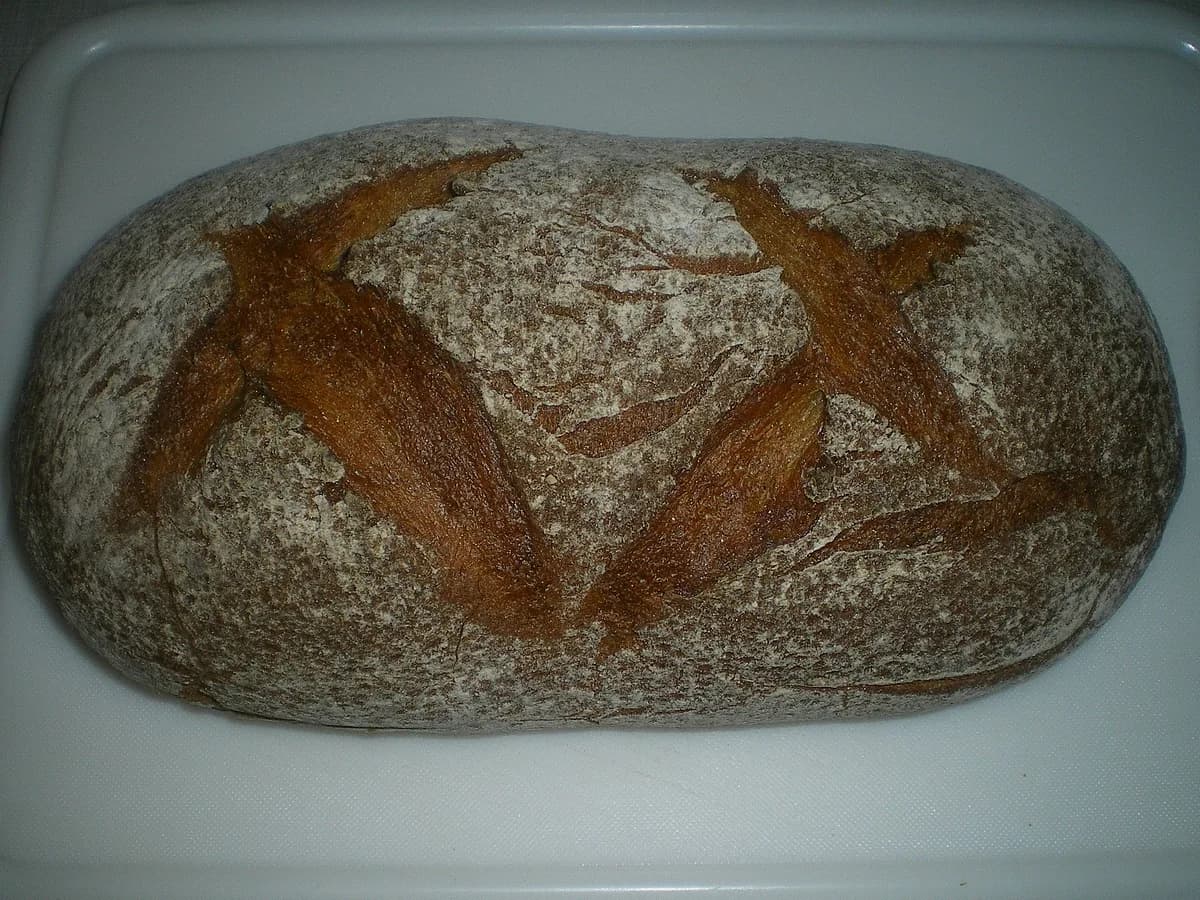
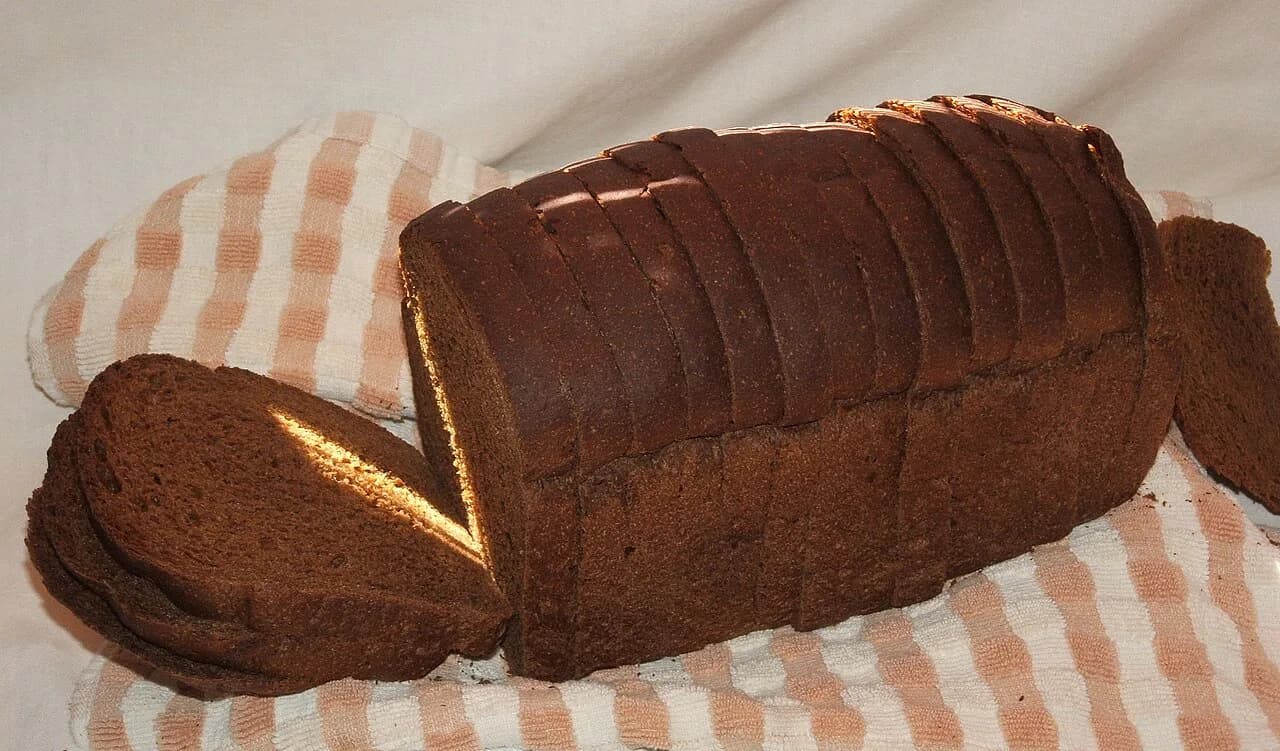
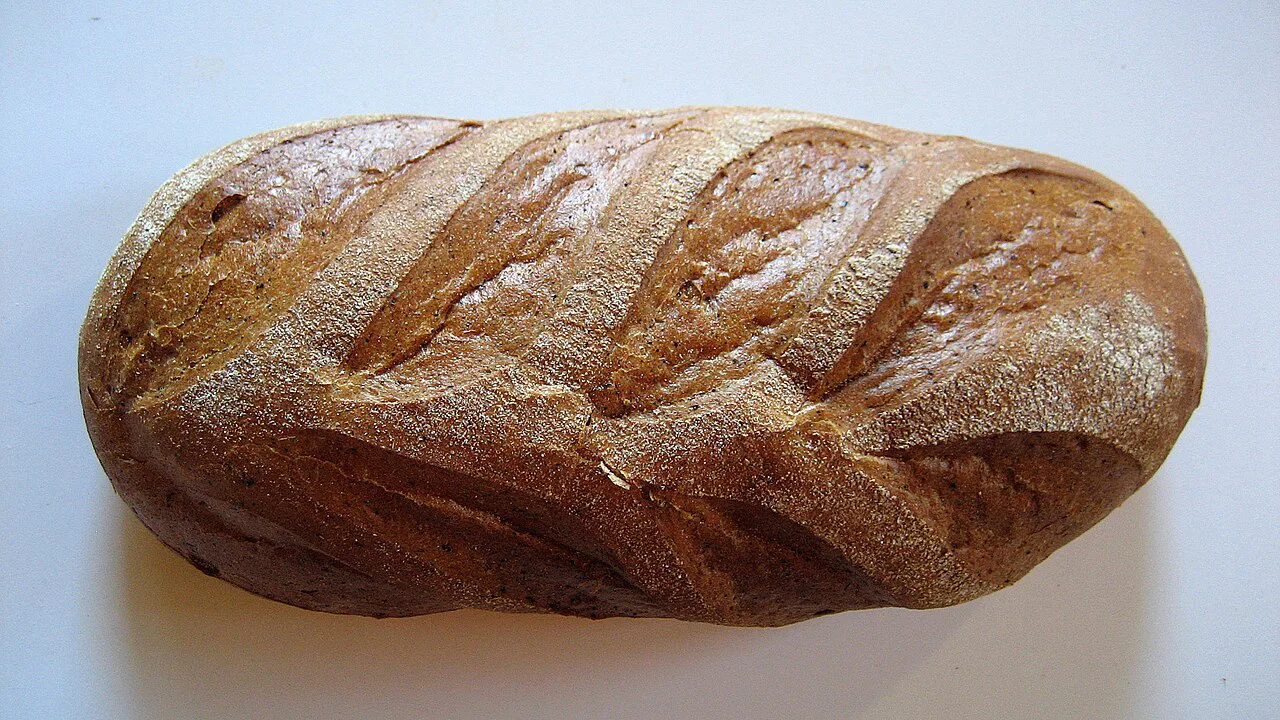
Roggenmischbrot is the German name for a bread made from a mix of rye and wheat flours, and it is the rye bread most Germans eat day to day. A 100% rye loaf exists, but the everyday bread is deliberately blended so that wheat contributes elasticity and lift. Expect a compact, moist crumb rather than the airy open texture of a wheat-only country loaf.
This is why a first-time baker who expects a dark, rock-hard brick is often surprised: a good Roggenmischbrot slices cleanly and stays soft for days. The blend also makes the bread flexible, so the proportion of rye to wheat can be adjusted to make the loaf denser or lighter.
Why German rye bread is sour: the rye sourdough starter
Rye flour behaves differently from wheat, and a rye sourdough starter is the tool that tames it. Building a starter takes several days: mix rye flour and water, then feed it daily until it bubbles and doubles, usually by about day six. That starter, not just yeast, is what gives the bread its tang.
How is rye bread different from sourdough? Rye bread refers to the flour, while sourdough refers to the leavening. A rye bread can be leavened with sourdough, yeast, or both.
What is rye flour called in German? Rye flour is Roggenmehl in German, and it is sold by extraction number, such as 1150. Whole rye flour is called Roggenvollkornmehl.
Does rye flour spike your blood sugar? This guide does not make health claims. Whole rye contains more fiber than refined rye, but how any bread affects blood sugar depends on the individual and the whole meal.
A rye starter can be kept in the refrigerator and refreshed before baking. Take it out about an hour ahead, feed it with equal parts rye flour and water, and use it once it is active and bubbly. If you want a stronger starter, feed a small portion once or twice at a warm temperature before mixing the dough.
Rye flour grades: rye 1150 versus whole rye
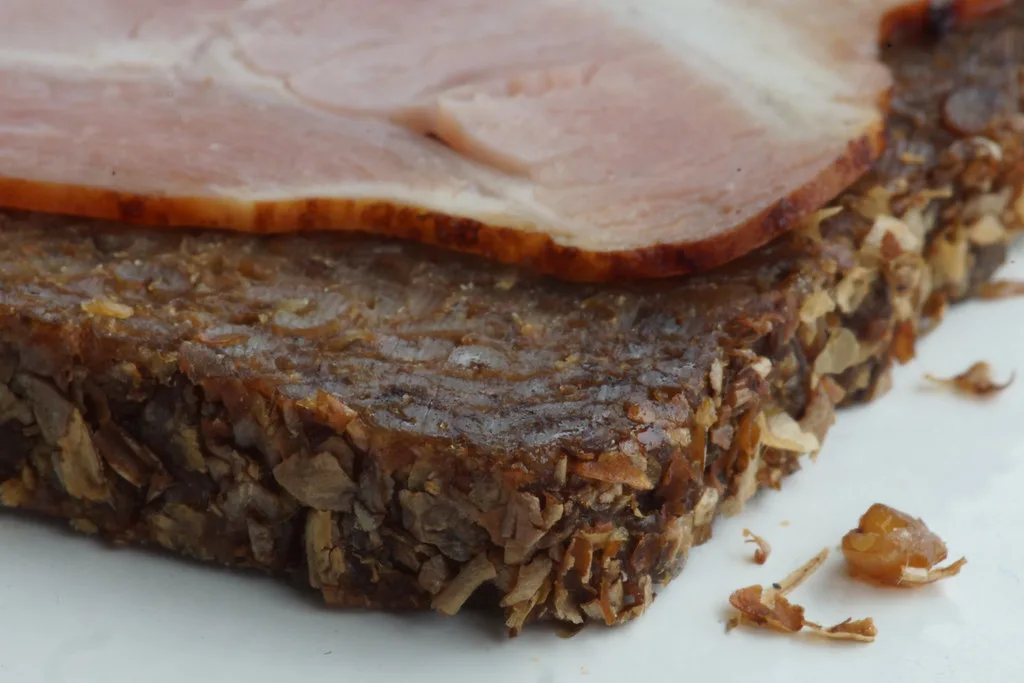
German rye flour is labeled by extraction rate, and the number tells you how much of the grain remains. Rye flour 1150 is a medium-extraction flour that gives a smoother dough and a lighter crumb. Roggenvollkorn, or whole rye, includes the bran and germ, so it absorbs more water, carries more fiber, and bakes into a denser, more flavorful loaf.
For a first loaf, rye 1150 is the easier choice because it is more forgiving on hydration. Whole rye rewards you with a heartier bread but demands more water and a slightly different feel to the dough. Either way, the wheat flour in the mix is what keeps the loaf from collapsing into a brick.
The three-stage build: pre-dough, sourdough, and final dough
A proper German rye loaf is built in three stages: a pre-dough, a sourdough, and the final dough. Each stage hydrates and ferments part of the flour, which builds flavor and makes the rye more digestible. The whole process runs about 24 hours from start to baked loaf, which is why shortcut recipes produce a different bread.
In practice this means starting the day before you intend to bake. You refresh the starter in the morning, mix the pre-dough and sourdough later, and assemble the final dough the next day. The reward is a loaf with a deeper tang and a longer shelf life than a same-day bake.
Rye versus wheat dough: less gluten, a stickier dough, a lower loaf
Rye flour contains less gluten than wheat, so a rye dough feels wetter and stickier than a wheat dough and will not rise as high. That lower, denser shape is by design, not a failure. As you stretch and fold the dough, it becomes easier to handle and develops enough structure to hold its form.
The dough benefits from a rest after mixing so the flours can fully hydrate. A low-hydration rye dough is often the easiest starting point because it is soft and workable rather than soupy. Do not judge the loaf against a tall wheat sourdough; judge it against a moist, sliceable rye crumb.
Seeds and add-ins: caraway and sunflower seeds
Caraway seeds are the classic rye pairing, and sunflower seeds add crunch and a nutty note. Both can be folded into the dough or scattered on top before baking. Caraway is assertive, so start modestly if you are unsure; sunflower seeds are milder and more forgiving.
Seeds also change the crumb, because they absorb water and add weight. If you add a generous handful, expect a slightly denser loaf. That is one reason a seeded rye works well as a sandwich bread rather than a light toast.
What German rye bread tastes like and how to eat it
A good rye loaf tastes earthy and slightly sour, with a moist, chewy crumb. It is excellent sliced thin with butter, topped with cheese or cold cuts, or toasted for breakfast. Because it stays moist for several days, it is also a practical bread for sandwiches.
In a German bakery, look for Roggenmischbrot or a labeled rye sourdough loaf rather than assuming every dark bread is the same. Ask for a slice if the bakery offers samples, and note whether the crust is soft or crisp, since that tells you something about the bake. Rye is one of many loaves worth knowing before you travel, and a solid grasp of German bread styles makes the bakery counter far less confusing.
Rye also makes a sturdy base for Brotzeit, the cold snack plate served in beer gardens and taverns, where a slice of dark bread sits next to cheese, cold cuts, and a pickled cucumber. A chewy rye and a soft, salty Bavarian Pretzel (Laugenbrezel) show the two ends of the German bread-and-beer habit.
Baking it at home: Dutch oven or baking stone with steam
A Dutch oven and a baking stone with steam both work, but they give different results. A preheated Dutch oven with a lid traps steam and heat, encouraging oven spring and a crisp crust; use a cast-iron pot rather than an enameled one. A baking stone paired with a separate high-temperature baking dish of boiling water — never glass — gives you steam without enclosing the loaf, which suits a larger or flatter shape.
Whichever you choose, preheat the pot or stone thoroughly. Rye dough does not need a dramatic rise, so do not chase a tall loaf. A steady, hot bake with steam gives the crust and color you want.
German and American rye flour: why the results differ
German rye flour is labeled by extraction number, while American rye flour is usually sold as light, medium, or dark. That means a recipe written with German rye 1150 will behave differently with an American medium rye. Bakers who have tested both report that the results are not identical, even with a good brand such as King Arthur Medium Rye.
If you are baking outside Germany, expect to adjust water and rise times. Start with the recipe's liquid, then add more if the dough feels stiff. The loaf may be slightly less sour or less dense, but it will still be recognizably a rye bread.
Which rye loaf should you bake first?
Start with a Roggenmischbrot using rye 1150 and a modest amount of wheat flour, because it is the most forgiving introduction to rye baking. Build the sourdough starter over several days, plan for the roughly 24-hour three-stage process, and bake in a preheated Dutch oven for steam and crust. Once that loaf works, move to whole rye or add caraway and sunflower seeds for a heartier bread, and serve it the way a German table would with a Brotzeit plate.
Explore more Germany guides
Frequently Asked Questions
How is rye bread different from sourdough?
Rye bread refers to the flour, while sourdough refers to the leavening. A rye bread can be leavened with sourdough, yeast, or both. German rye breads often use a rye sourdough starter, which contributes the tang.
What is rye flour called in German?
Rye flour is Roggenmehl in German, and it is sold by extraction number, such as 1150. Whole rye flour is called Roggenvollkornmehl. The number tells you how much of the grain has been sifted out.
Does rye flour spike your blood sugar?
This guide does not make health claims. Whole rye contains more fiber than refined rye, but how any bread affects blood sugar depends on the individual and the whole meal. Ask a health professional for personal advice.
Sources
Notes for your next German food trip
Optional updates to our guides.
You might also like


Continue reading
More guides you'll find useful