
The Oldest Brewery in the World: Weihenstephan in Freising
Weihenstephan in Freising has brewed on its hill since 1040 and is widely called the world's oldest brewery. Here is what that means and what to drink there.
On this page
The short answer is Weihenstephan: the Bavarian State Brewery on the hill above Freising, north of Munich, where beer has been brewed since at least 1040. That makes it the world's oldest continuously operating brewery by the standard version of the claim, not the site of the first beer ever brewed. This guide covers what the 1040 date actually records, which Weihenstephaner beers to look for, and how the visit works.
If you are building a beer itinerary around Germany's long-running breweries, Weihenstephan is the natural first stop and the benchmark against which the others get measured.
The Short Answer: Weihenstephan, Above Freising in Bavaria
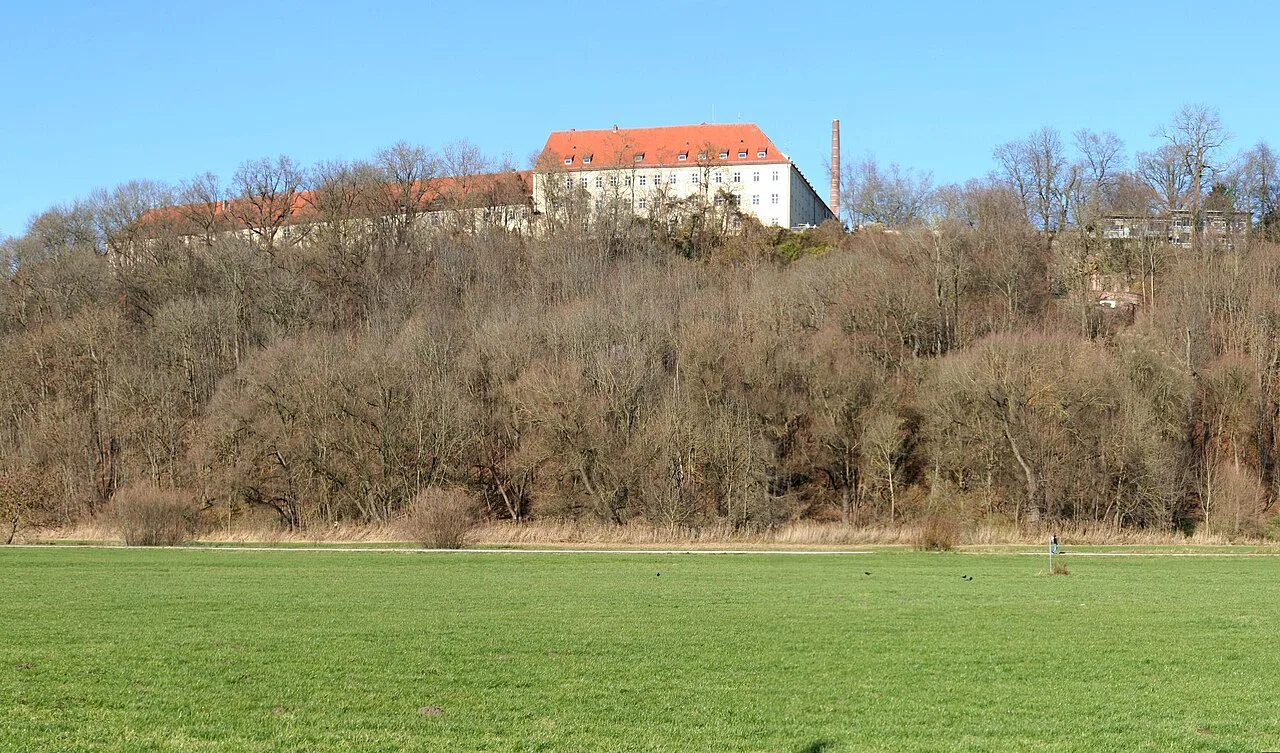
Weihenstephan sits on a wooded hill just outside the old town of Freising, in Bavaria, north of Munich. The brewery describes itself as the world's oldest brewery and dates its brewing to 1040, when the monastery site was already producing beer.
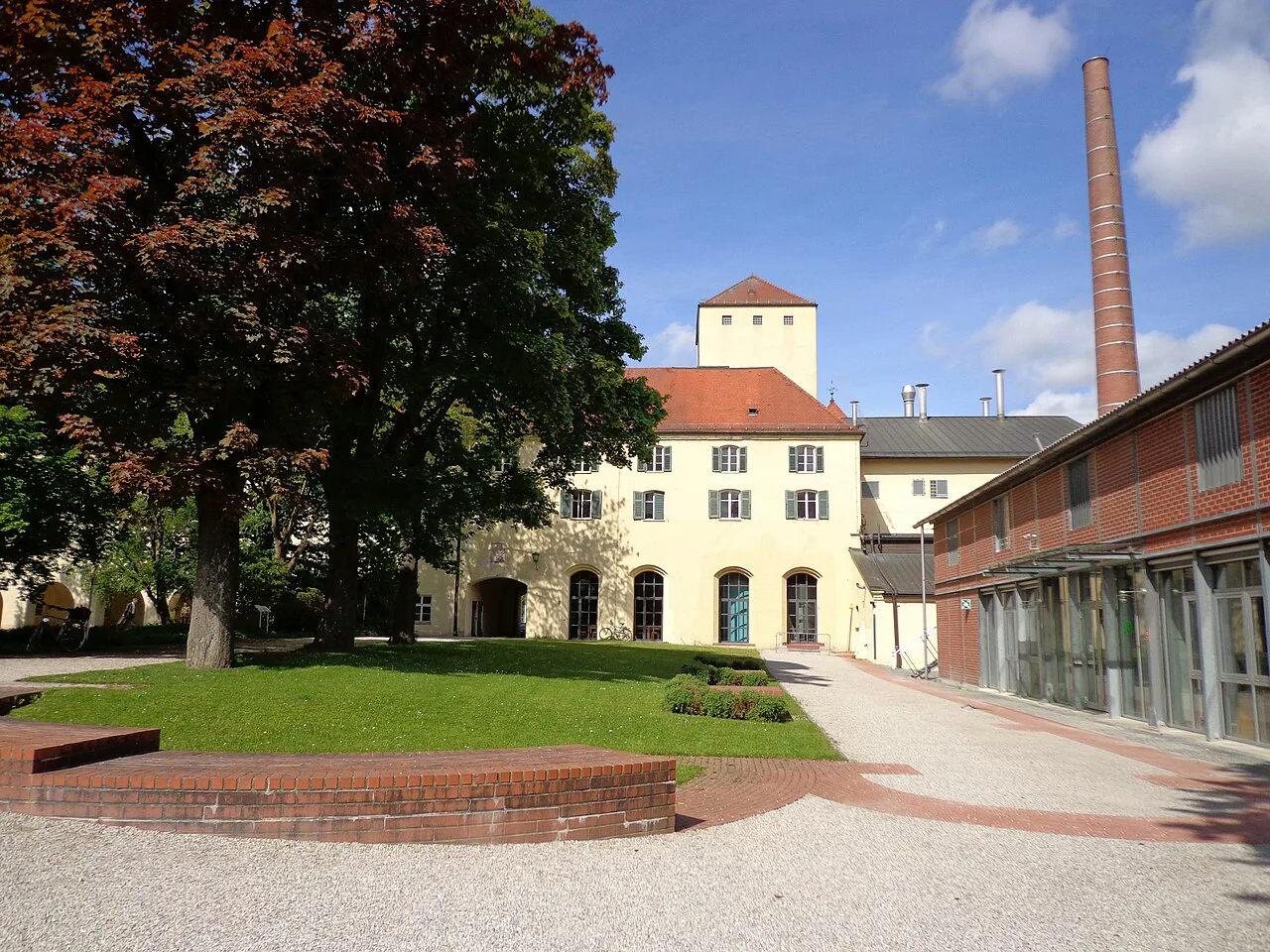
The site began as Weihenstephan Abbey, a Benedictine monastery, and the brewery grew out of the abbey's operations rather than as a standalone business. That monastic origin is why the name reads as both a place and a brand today.
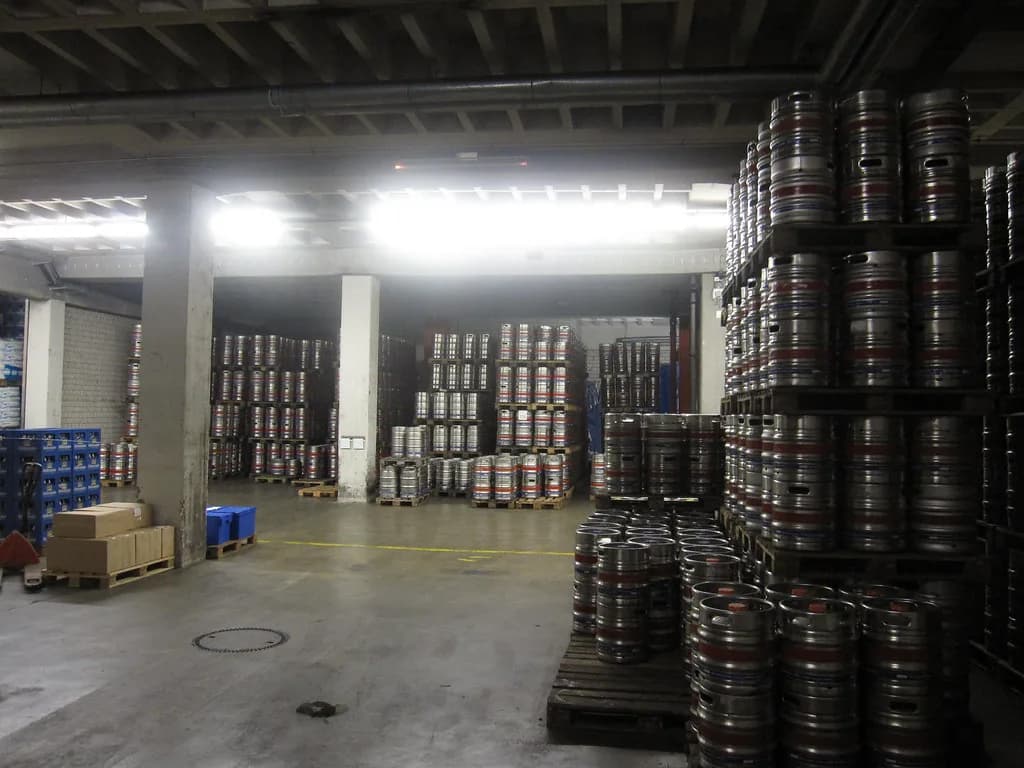
For a traveler, the practical point is that this is not a museum piece: it is a working state-owned brewery that still makes a full range of beers on the same hill.
Why 1040 Counts: The Abbey Brewery and Its Long Run
The founding date of 1040 comes from the abbey's brewing history, and the brewery leans on it directly: beer has been brewed on the Weihenstephan hill since at least 1040, which is the basis for its claim to almost a thousand years of brewing.
Is Weihenstephaner really 1000 years old? The brewery dates its brewing to 1040 on the Weihenstephan hill, which is almost but not quite a full millennium. The claim is brewing at the site since that date, not that the current buildings or company structure are that old.
What other old abbey breweries get compared with Weihenstephan? Weltenburg, the abbey brewery on the Danube gorge west of Regensburg, is the name most often raised alongside Weihenstephan because both grew out of monasteries and both claim deep roots. Several European monastic breweries are also centuries old, and how they rank depends on whether you count founding date or uninterrupted operation.
That continuity survived more than good harvests. The brewery's own account notes that it was destroyed and rebuilt during its long history, so the modern buildings are not medieval fabric even though the operation traces back to the abbey.
The abbey background matters for the visit too: Weihenstephan is a hilltop site with a brewery, a university and brewing-science institutions around it, which is why the location feels like a campus rather than a village brewhouse.
What 'Oldest' Actually Means Here
The claim is precise: Weihenstephan is widely described as the world's oldest continuously operating brewery, meaning beer has been made at the site since at least 1040. It is not a claim about the oldest beer ever brewed, since brewing is far older than any surviving business.
Read the same way, the abbey site has hosted brewing since at least 1040, so the monastery story and the commercial brewery story are the same story told at different points.
This distinction matters when you hear other breweries called old. A brewery founded in the 1600s or 1700s can be genuinely historic and still trail Weihenstephan by six centuries on the continuity measure.
The Beers to Order: Weißbier First
Order a Weißbier, the cloudy Bavarian wheat beer, as your first Weihenstephaner. The brewery's range is built around wheat beer styles, and the wheat is the reason most drinkers know the name outside Germany.
Beyond the standard wheat, the brewery lists a wider lineup including a dark wheat beer and a lighter filtered wheat, so a group can order a few and compare without repeating a style.
If you want the broader context of what Bavarian brewing looks like across the region, from Munich's big houses to smaller brewery taps, that is the frame for placing Weihenstephan in a trip.
Weißbier is served in a tall vase-shaped glass, and the pour matters: a good one keeps a thick head and a hazy body rather than arriving flat and clear. It is a moderate-strength beer by local standards, so it suits a daytime stop rather than a long evening.
Visiting the Brewery
The brewery offers a tour of the Weihenstephan site, which is the way to see the working side of the operation rather than just the label. The brewery's own site is where the tour is booked, so arrange it through them rather than counting on a walk-in slot.
There is also a fan shop for glassware and brewery merchandise, useful if you want to take the wheat-beer glasses home. The brewery's own site is where tour availability and shop details are set out.
The brewery has announced plans for a presence in central Munich at the Platzl, in the old town. If you are based in Munich and do not want the trip north, that is a development to watch, but the brewery itself remains in Freising.
Freising Relative to Munich
Freising sits north of Munich and close to Munich Airport, which makes the brewery a sensible stop on arrival or departure day. The brewery hill is a short ride or walk from Freising's center.
Because it is so close to the airport, Weihenstephan works well as the first or last beer stop of a trip rather than a separate excursion. Allow time for the hill walk up from town, which is the main effort involved.
If your route runs east into Franconia, the brewery landscape changes entirely, with a dense cluster of small breweries around Bamberg and the surrounding countryside.
Munich's larger breweries make a separate, easier stop, and the big names there are worth knowing by sight before you compare them with Weihenstephan's wheat beers.
Other Contenders People Bring Up
The most common alternative named in the same conversation is Weltenburg, the abbey brewery on the Danube gorge west of Regensburg, which also traces to a monastery and also claims deep roots. It is a genuinely historic brewery whose long story runs alongside Weihenstephan's rather than replacing it.
Belgian and German monastic breweries often appear in the same lists, and many are centuries old without approaching Weihenstephan's run. The useful move is to ask which measure is being used: founding date, continuous operation, or simply the oldest beer style still made.
In the US, the breweries that survive today were founded far more recently than Weihenstephan, so American readers comparing home-grown history with the Freising hill are looking at a much shorter span.
A Practical Route for a Beer-Focused Day
Start in Munich, take the train north to Freising, walk up to Weihenstephan and do the brewery tour in the late morning, then have a wheat beer before heading back. That shape keeps the day short and leaves the afternoon free.
If you are traveling across Germany with beer as the theme, plan the big brewery stops first and then fill in the smaller ones, because the well-known houses book up around tours and weekends.
Outside Bavaria, the Franconian countryside rewards a slower day of small brewery taps and village pubs, which is a different experience from a single large state brewery.
Should Weihenstephan Be Your First Beer Stop in Bavaria?
Yes, if the appeal is history plus a recognizable beer: Weihenstephan gives you the abbey origin, the 1040 date and a wheat beer you can find in Munich, all on one hill outside Freising. It is the cleanest answer to the oldest-brewery question and an easy half-day from the city or the airport.
If you want a cluster of small breweries instead of one landmark, head for Franconia; if you want the big Munich names in the city itself, stay put and compare there.
Explore more Germany guides
Frequently Asked Questions
Is Weihenstephaner really 1000 years old?
The brewery dates its brewing to 1040 on the Weihenstephan hill, which is almost but not quite a full millennium. The claim is brewing at the site since that date, not that the current buildings or company structure are that old.
What other old abbey breweries get compared with Weihenstephan?
Weltenburg, the abbey brewery on the Danube gorge west of Regensburg, is the name most often raised alongside Weihenstephan because both grew out of monasteries and both claim deep roots. Several European monastic breweries are also centuries old, and how they rank depends on whether you count founding date or uninterrupted operation.
Sources
Notes for your next German food trip
Optional updates to our guides.
You might also like



Continue reading
More guides you'll find useful




