
Paulaner Beer: What It Is, What to Order, and How It Tastes
Paulaner is a Munich brewery with monk roots going back to 1634. Here is what to order, how the beers taste, and where the brewery came from.
On this page
Paulaner is a Munich brewery whose history reaches back to 1634, when monks at the Neudeck ob der Au monastery brewed a strong beer that became Salvator. Today the brand is known worldwide for weissbier, a cloudy wheat beer, alongside the dark Salvator and a run of non-alcoholic options. This guide covers what each beer is, how it tastes, what to order if you usually reach for lager, and where the brewery came from.
What Paulaner is
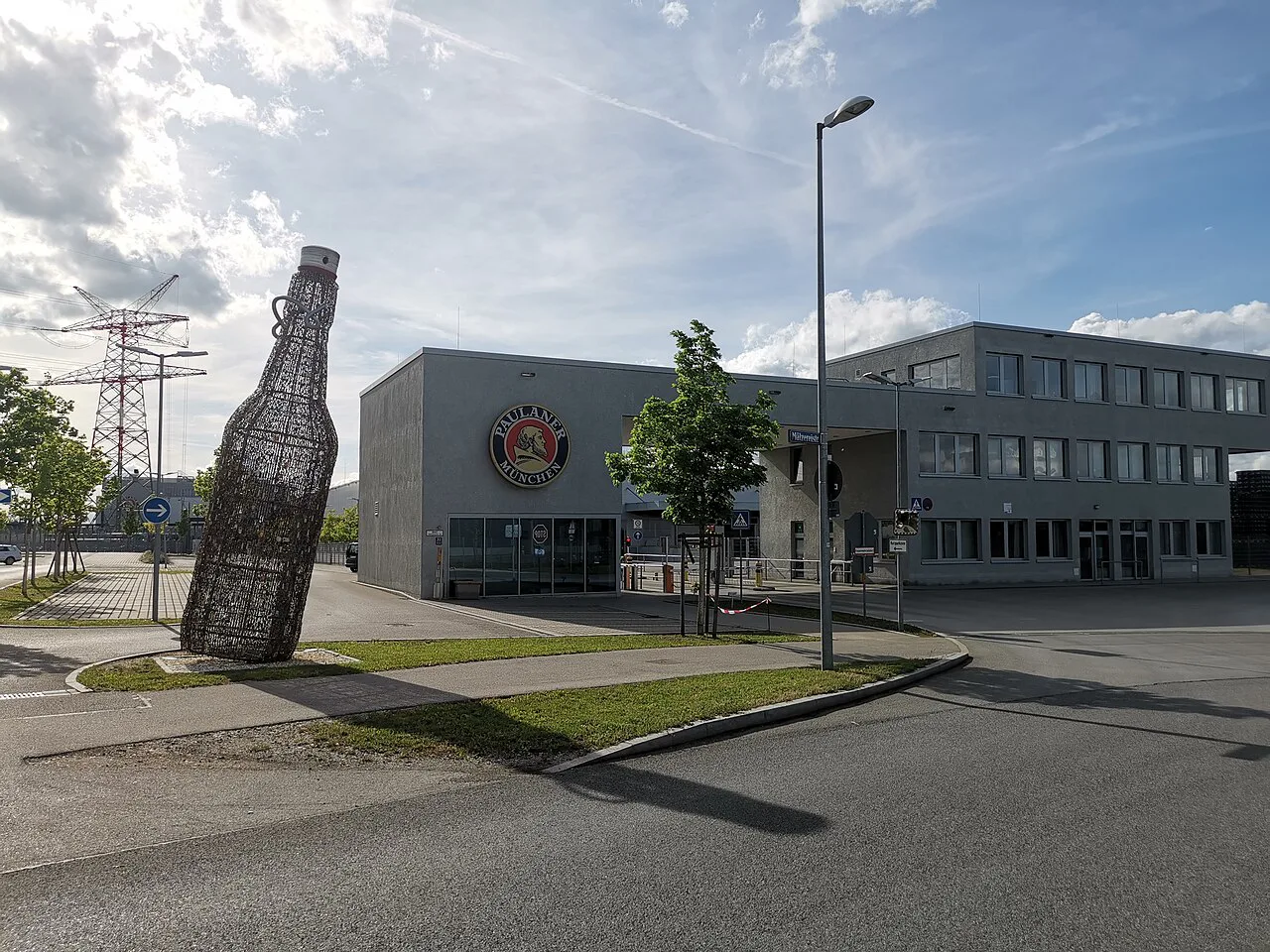
Paulaner is a Munich brewery, and its own account of its history starts with the monks of the Neudeck ob der Au Monastery brewing a strong beer there in 1634. That beer grew into Salvator, the brewery's oldest and most distinctive label, and the brewery traces the recipe still used today to a monk known as Brother Barnabas, who arrived at the monastery in 1773. It is one of the names that shaped Munich's beer landscape, and you can place it among the wider field of German breweries when you plan a trip.
The beers to know: Salvator, weissbier, and the non-alcoholic options
Salvator is the brewery's strong dark beer, rooted in the monastery's brewing and the day the Paulaner monks were allowed to serve it to celebrate the father of their order in 1751. The wheat side is where most drinkers meet Paulaner first: Hefe-Weißbier, a naturally cloudy wheat beer, is the standard order, and the brewery's line of Bavarian wheat beers fits into the broader story of Bavarian beer. The brewery also publishes a non-alcoholic weissbier, which it describes as the first non-alcoholic weissbier in the world under its earlier Waitzinger label, plus a non-alcoholic version of its Munich lager. The brewery's Munich identity, the Oktoberfest connection and the annual Salvator tasting of local politicians all point to a brand rooted in Munich tradition.
Who owns Paulaner? Paulaner's own history says the Schörghuber family took a majority stake in the brewery in 1979 and still holds it today. That makes the brewery part of a Munich-based family group.
What kind of beer is Paulaner? Paulaner is best known for weissbier, a cloudy German wheat beer, sold as Hefe-Weißbier. The brewery also makes a Munich lager, the strong dark Salvator, and non-alcoholic versions of both the wheat beer and the lager.
Is Paulaner a good beer? That is a matter of taste, but the brewery's reputation rests on its wheat beers and on Salvator, which has been brewed in Munich in some form since the monastery years. Drinkers who like soft, yeasty wheat beer tend to rate Paulaner highly; those who prefer crisp pilsner styles may prefer the Munich lager.
What Paulaner beer tastes like and what to order if you usually drink lagers
If you normally drink pale lager, start with Paulaner's Munich lager rather than the wheat beer, then try the Hefe-Weißbier as a second glass so you can taste the difference between a clean, crisp bottom-fermented beer and a yeast-forward wheat beer. The wheat beers are the brewery's flagship style, so a half-liter of Hefe-Weißbier is the easiest way to understand what the brand is about. Salvator is a different drink altogether, dark, strong and served in smaller glasses, so treat it as an end-of-the-evening order rather than something to work through in pints. If you are avoiding alcohol entirely, the non-alcoholic weissbier and the non-alcoholic Munich lager let you stay with the brand without switching to water.
Salvator and the strong-beer tradition behind it
Salvator began as a monastic strong beer brewed for the monastery's own use, and whatever the monks did not drink was given to the poor or sold from the cloister pub. In 1751 the Paulaner monks received official permission to serve their beer on the feast day of the father of their order, and they marked it by inviting the Bavarian Electors for the first sip of what became Salvator. Brother Barnabas arrived in 1773 and his brewing methods set new standards for taste and quality, and the brewery says his recipe still underpins today's Salvator. The beer is also tied to Munich's strong-beer season, when the brewery holds an annual Salvator tasting that includes the roasting of local politicians. Its alcohol content is high enough that the small glass is the sensible order.
Where Paulaner comes from and how the brewery grew
Paulaner presents itself as part of the Bavarian Biergarten way of life, and a Biergarten is the natural setting to drink it: long shared tables, outdoor seating under trees, and hearty Bavarian food rather than a quick bar stop. The link to Oktoberfest is historical, running back to the beer huts on the Wiesn in 1818. If you want to pair the beer with the local menu, the guide to Bavarian food covers the dishes to look for, and German breweries covers the wider field city by city and brand by brand, so you can compare Paulaner with the rest.
Drinking Paulaner and the Bavarian Biergarten way of life
Paulaner exports widely, and Paulaner USA imports the brand along with Hacker-Pschorr, the Munich brewery whose name dates to the marriage of Joseph Pschorr and Theresia Hacker, and the Chinese lager Tsingtao. In the US, imported bottles and kegs are the way to drink Paulaner outside Germany, and Paulaner USA's beer finder tracks down a retailer or bar. The Munich lager and the wheat beers are the core of the brand. Bars and beer shops rotate stock, so ask what is on the shelf locally rather than expecting a specific bottle. If your travel plans run to Franconia rather than Munich, the beer culture there makes a worthwhile contrast to the big Munich brands.
Paulaner outside Germany: what you'll find in the US
Paulaner exports widely, and Paulaner USA imports the brand along with Hacker-Pschorr, the Munich brewery whose name dates to the marriage of Joseph Pschorr and Theresia Hacker, and the Chinese lager Tsingtao. In the US that means the imported bottles and kegs are the practical way to drink Paulaner outside Germany, and Paulaner USA's beer finder is where to look for a retailer or bar near you. Expect the Munich lager and the wheat beers to dominate that range. Bars and beer shops rotate stock, so it is worth checking current listings before you travel. If your travel plans run to Franconia rather than Munich, the beer culture there is a different and worth a look if you want a contrast to the big Munich brands.
Which Paulaner should you order first?
Start with a Hefe-Weißbier if you want the beer Paulaner is known for, or the Munich lager if you want something closer to what you already drink at home. Order Salvator last, in its small glass, and treat it as the strong, dark end of the evening rather than the opening round. Both non-alcoholic options let a non-drinker stay in the same round without ordering something different from everyone else. Wherever you order, check the label so you know which of the brewery's beers you are actually getting.
Explore more Germany guides
Frequently Asked Questions
Who owns Paulaner?
Paulaner's own history says the Schörghuber family took a majority stake in the brewery in 1979 and still holds it today. That makes the brewery part of a Munich-based family group.
What kind of beer is Paulaner?
Paulaner is best known for weissbier, a cloudy German wheat beer, sold as Hefe-Weißbier. The brewery also makes a Munich lager, the strong dark Salvator, and non-alcoholic versions of both the wheat beer and the lager.
Is Paulaner a good beer?
That is a matter of taste, but the brewery's reputation rests on its wheat beers and on Salvator, which has been brewed in Munich in some form since the monastery years. Drinkers who like soft, yeasty wheat beer tend to rate Paulaner highly; those who prefer crisp pilsner styles may prefer the Munich lager.
Sources
Notes for your next German food trip
Optional updates to our guides.
You might also like



Continue reading
More guides you'll find useful





