Best Restaurants in Wiesbaden: Where to Eat by Style
Wiesbaden restaurant picks by style: beer-hall cooking at the Ratskeller, modern German plates at martino.kitchen, fine dining and Hessian country inns.
On this page
The best restaurant in Wiesbaden depends on whether you want a foaming beer and a plate of hearty German food or a long, quiet tasting menu. For most first-time visitors the answer is the Ratskeller by the Rathaus for a traditional beer-hall evening, martino.kitchen for modern cooking, and Ente when the meal is the occasion; read on for what each one is for and where it sits.
The picks below are organized by style and budget rather than a numbered ranking, because a Gasthaus dinner and a fine-dining evening solve different problems. Addresses cluster in three zones: the compact downtown around the Rathaus and the pedestrian lanes, the Kurhaus area near the casino, and quieter residential districts such as Klarenthal to the northwest.
What Wiesbaden's restaurant scene looks like and how to pick a table
Wiesbaden is a spa town turned state capital, and its restaurant map follows the money and the waters: grand buildings around the Kurhaus, a dense downtown of small international kitchens, and country inns out toward the Rheingau vineyards. That spread means the most important decision is not which single place is best but which zone matches your evening.
Match the room to the mood. A beer hall rewards a group that wants volume, beer and no ceremony; a modern German kitchen suits a couple who want a quieter room and a wine list; fine dining is for the night you build the trip around. If you are traveling with vegetarians, filter the list before you reserve a table rather than hoping for a meat-free main on arrival, and our guide to vegan Wiesbaden narrows those options. Either way, check current opening days and prices before you go.
Reservations matter most on Friday and Saturday evenings and during the Rhine-region warm months, when terraces fill early. A phone call in German or English is normal; small places appreciate a same-day call if plans change. The Michelin selection for Wiesbaden and surroundings gives a useful cross-check of which kitchens the inspectors list, without implying that every name on it holds a star.

Traditional German and beer-hall cooking: Ratskeller by the Rathaus
For the classic German evening, head to the Ratskeller, a traditional beer-hall-style restaurant right by the Rathaus. It is the filling, unfussy choice: a good selection of beers, hearty plates, and service built for people who want dinner rather than a tasting menu. Choose it when your group is mixed in taste and hungry after a day on your feet.
The trade-off is atmosphere over adventure. You go for the vaulted civic-room feel and the beer list, not for novelty, and the menu is the kind of German cooking most visitors picture before they arrive. If you want the wider landscape of similar kitchens, from humble Wirtshaus rooms to more polished German dining, start with our German restaurant Wiesbaden guide and use this page for the specific table.
Pair a beer-hall dinner with a daytime look at how the city drinks: Wiesbaden beer culture leans on the wider Rhine-Main region rather than a single famous local brand. If a sunny afternoon is on the schedule, a Biergarten Wiesbaden session fits naturally before an early dinner.
Modern German and international cooking at martino.kitchen
martino.kitchen is the pick for a modern, carefully composed dinner in Wiesbaden, and it appears in the Michelin selection for the city and its surroundings. The room suits a date or a table of friends who like watching a kitchen work; expect a more contemporary register than the beer hall, with plates built for courses rather than a single platter.
Treat it as the middle tier between a Gasthaus and a splurge: smarter cooking and a quieter room without the full ceremony of a tasting-menu evening. Book ahead for weekend slots, and ask about the menu structure when you call so you know whether to plan for two courses or a longer sitting.
If you want the in-between option spelled out more fully, modern German cooking across the city is where this kitchen sits, and our fine-dining Wiesbaden guide maps the higher end of the range. Otherwise use martino.kitchen as the safe modern choice when one person wants German food and the other wants something lighter.
Fine dining in Wiesbaden: Ente and what a splurge evening costs you in effort
Ente appears in the Michelin selection for Wiesbaden and its surroundings, listed under its full name "Ente Wiesbaden - Pfortenhaus Kloster Eberbach," and it is the table to book when the dinner itself is the reason for the trip. Expect a long evening, a serious kitchen and a bill to match; the value lies in the pacing and the service, not in stretching a budget you would rather spend on a week of ordinary meals.
The real cost is time and planning. A fine-dining dinner in Wiesbaden runs late, so do not book it before an early train, and reserve well in advance rather than walking in. Check the current menu and booking terms directly with the restaurant before you commit, since tasting formats and seatings change through the year.
One clear trade-off: a beer-hall meal and a fine-dining menu cost very different amounts for the same evening, and the traditional option leaves more money for the rest of the trip. If you are weighing that choice across a longer itinerary, the same logic applies in other German cities, as in our picks for the best restaurants in Aachen, where a cathedral visit and a hearty dinner pair easily.
A traditional country inn table at Zur Schlupp
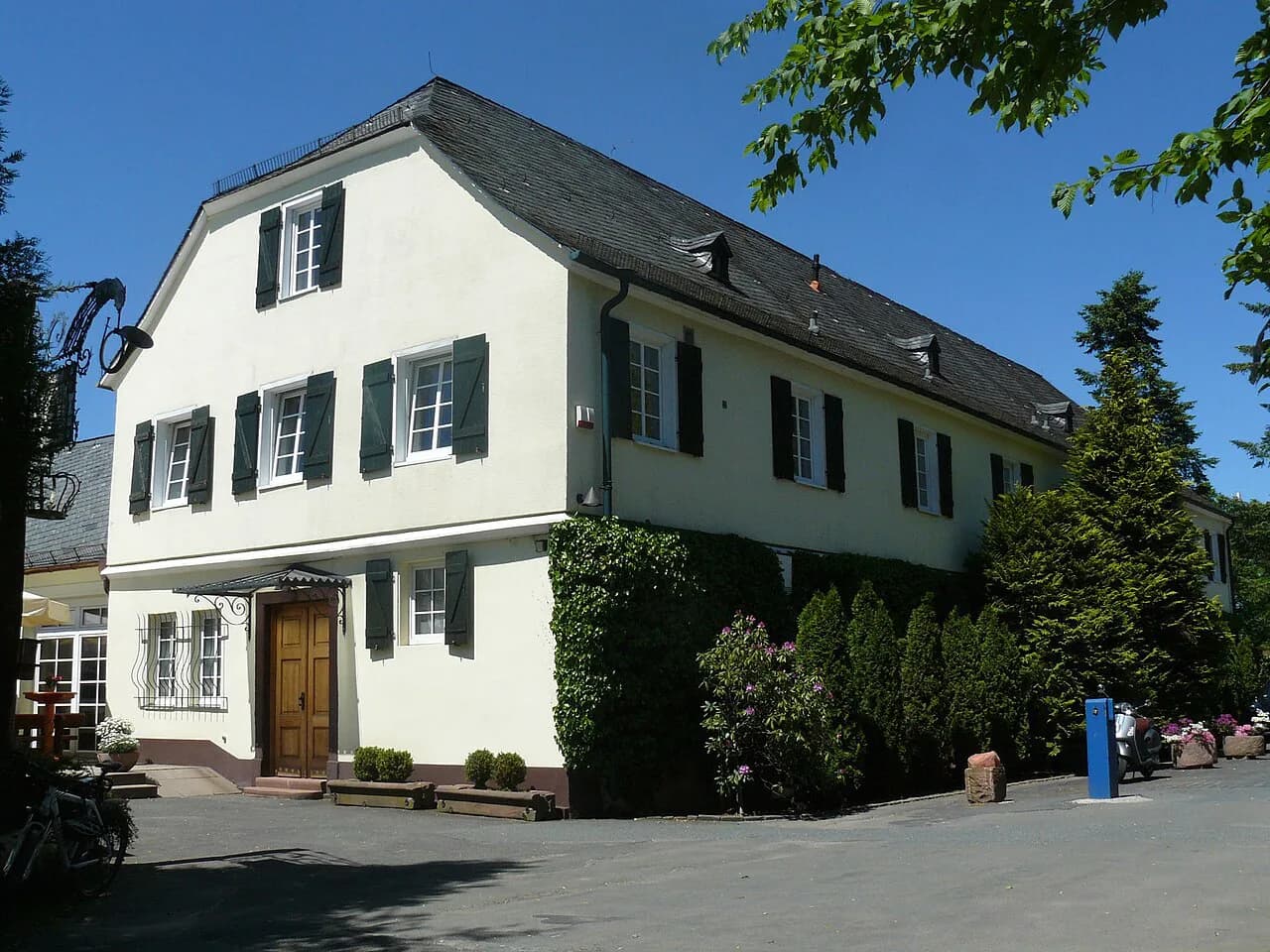
Zur Schlupp is the traditional counterweight to the downtown rooms: a country-inn-style table that appears in the Michelin selection for Wiesbaden and its surroundings. It suits a slower evening built around German cooking and a proper sit-down meal rather than a quick bite between sights.
Because the listing ties it to the Kloster Eberbach area outside the tight downtown grid, plan the trip as part of the evening: a taxi or a short drive is the usual approach when you are staying near the Kurhaus. Pick it when you want one substantial, unhurried meal and are happy to trade a central address for a quieter room.
The inn style is the point here, so order the kind of German cooking a country kitchen does well and skip the urge to treat it as a modern small-plates spot. If you would rather keep to the city center, our German restaurant roundup covers the downtown equivalents.
Modern Hessian and Rheingau cooking at Das Goldstein by Gollner's
Das Goldstein by Gollner's is the modern regional option, listed in the Michelin selection for Wiesbaden and its surroundings. It is the table for a traveler who wants the local larder treated with contemporary technique: a wine-friendly menu and a room built for a proper dinner.
Choose it over Ente when you want regional character rather than a formal occasion, and over the beer hall when you want a quieter, more contemporary evening. Because the Rheingau wine country begins at the city's edge, a glass of local Riesling fits naturally nearby; keep the focus on the food and let the wine be a supporting act.
The setting outside the core downtown means the same planning caveat as Zur Schlupp: sort out the ride back before you sit down. If your trip leans toward regional cooking, pair this dinner with daytime eating that follows the same thread, and our Wiesbaden food guide covers dishes and market habits across the city.
International picks for when you want something other than German food
Wiesbaden's downtown is where the international kitchens concentrate, within a few blocks of the pedestrian streets, and a Wiesbaden gastro guide tracks openings and newer spots across the city and the nearby Rheingau. Use that kind of local coverage to confirm a place is still trading before you build an evening around it, since small restaurants change hands and names often.
A sensible rule: within the center, pick by cuisine first and neighborhood second, because the distances are short. If you want Japanese or Southeast Asian cooking, modern fusion kitchens cluster in the same central blocks as the Italian and Mediterranean rooms, so you can decide at the last minute without a long walk.
For a vegetarian in the group, look for the dedicated plant-based kitchens rather than asking a steakhouse to improvise, and check the vegan Wiesbaden list before you commit to a table. It is a faster route to a good meal than scanning menus at the door.
Where to sit: downtown Wiesbaden versus the Kurhaus and Klarenthal areas
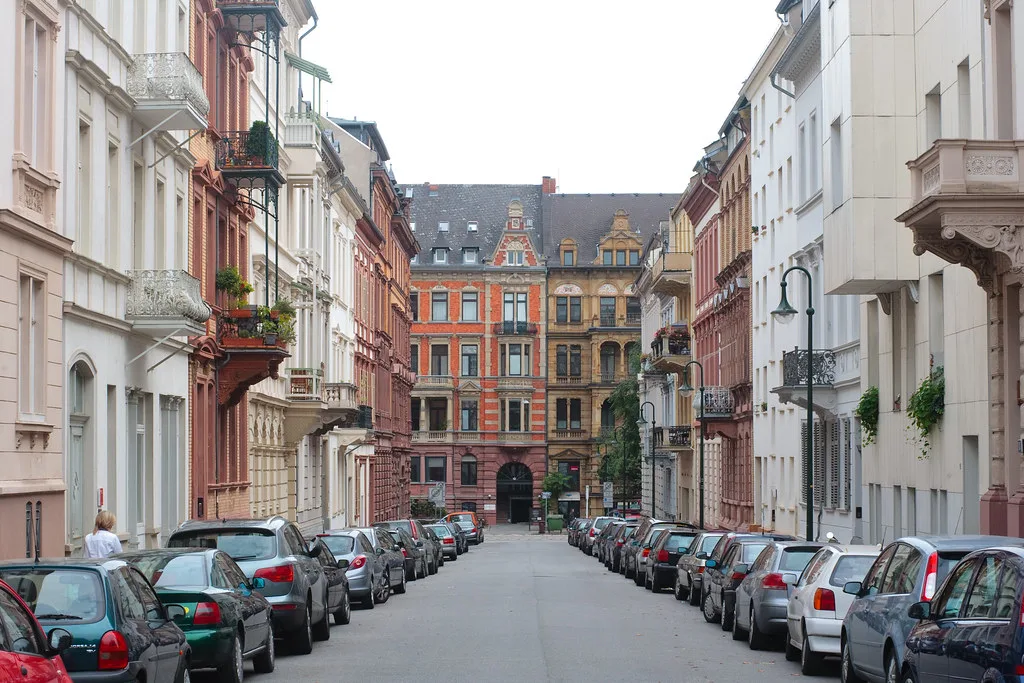
Downtown is the practical base: the Rathaus, the restaurant row and the pedestrian lanes sit within walking distance of each other, so you can eat well without a car. The Kurhaus area near the casino is the grander setting, good for a special dinner followed by a walk past the spa colonnades.
Outlying districts such as Klarenthal trade centrality for space and quieter rooms, which is where a family dinner with a play area and easy parking makes more sense than a cramped central table. Treat the neighborhood choice as the first filter and the cuisine as the second; it saves a lot of cross-town taxi rides.
If you are structuring a day around food, start with breakfast Wiesbaden options near your base, then let lunch and dinner pull you toward one zone rather than three. A guided Wiesbaden food tour can also do the neighborhood sorting for you on a first visit.
How to order, pay and book a table in Wiesbaden
Booking is straightforward: call or use the restaurant's own website, give a time and a party size, and confirm the day before for a weekend table. Many Wiesbaden restaurants still run on German habits, so a reservation is normal rather than fussy, and walk-ins work best early in the evening on weekdays.
At the table, expect to order drinks first and food after; asking for the English menu is routine in the center and less so in country inns. When you want the bill, catch the server's eye and say you would like to pay, rather than waiting for it to arrive.
Card acceptance varies, so carry some cash as a backup even if you plan to pay by card. Tipping is done by rounding up or adding a few euros and telling the server the total you want to pay; leave the gratuity on the card or in cash as you prefer.
What to order: the Wiesbaden dishes and drinks worth choosing first
In a German beer hall, order a local or regional beer on tap and a plate of the hearty classics rather than chasing novelty, then finish with something from the dessert list if you still have room. In the modern and regional kitchens, follow the kitchen's lead on seasonal plates and ask what the region is sending that week.
Hessian cooking is the thread to follow if you want something place-specific, and the Rheingau wine country next door supplies the bottles. Handwerk, the local cider-like drink, is worth trying once if you see it, though beer remains the safer order in a beer hall.
If you want a structured eating day, plan a light café stop in the afternoon, a proper dinner in the evening, and leave room for a bakery breakfast. Our cafes in Wiesbaden guide and the breakfast list make the daytime half of that plan easy to fill in.
Which Wiesbaden table should you book?
Book the Ratskeller for a beer-hall evening by the Rathaus, martino.kitchen for modern cooking, Ente or Das Goldstein by Gollner's when the dinner is the event, and Zur Schlupp when you want a country-inn table outside the center. Match the room to the evening first, then the cuisine.
Whichever you choose, reserve ahead for weekends, carry some cash, and keep the neighborhood in mind so the trip home does not undo a good meal. If you are comparing cities across Germany, our best restaurants in Augsburg follows the same style-and-budget approach. Across the Rhine, our Mainz restaurant guide and the guide to Mainz food specialties cover the neighboring city.
Explore more Wiesbaden guides
- Cafés in Wiesbaden
- Wiesbaden Beer
- Beer Gardens in Wiesbaden
- Brauhaus Wiesbaden
- German Restaurants in Wiesbaden
- Ice Cream in Wiesbaden
- Konditorei in Wiesbaden
- Michelin Restaurants in Wiesbaden
- Where to Eat Breakfast and Brunch in Wiesbaden
- Wiesbaden Food Tours
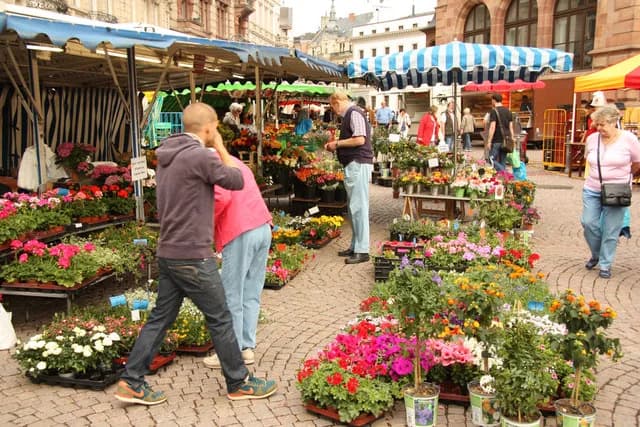
- Wiesbaden's Weekly Market on Dern'sches Gelände
Frequently Asked Questions
Is there a Michelin-starred restaurant in Wiesbaden?
The Michelin Guide lists a selection of restaurants in Wiesbaden and its surroundings, including Ente, martino.kitchen, Zur Schlupp and Das Goldstein by Gollner's. A place appearing in that selection is not the same as holding a star, so check the current Michelin listing for the specific distinction you care about.
Where can I eat traditional German food in Wiesbaden?
The Ratskeller by the Rathaus is the classic choice for beer-hall cooking, and Zur Schlupp offers a country-inn-style German meal outside the center. For a wider spread of similar kitchens, from simple Wirtshaus rooms to more polished German dining, look beyond one street.
Do I need a reservation for dinner in Wiesbaden?
Reservations are normal in Germany, and weekend evenings at popular rooms fill early, so calling ahead is the safer habit. For a fine-dining menu, book well in advance and confirm the details directly with the restaurant.
How do I pay at Wiesbaden restaurants?
Card acceptance varies by venue, so carry some cash as a backup. When you are ready to leave, ask for the bill and tell the server the total you want to pay, including a small tip.
Sources
Notes for your next German food trip
Optional updates to our guides.
You might also like
Continue reading
More guides you'll find useful