Wiesbaden Beer: Brewpubs, Beer Halls and What to Order
Wiesbaden beer means brewpubs and Bavarian-style beer halls more than hometown brands. Here are the places to sit down and the beers worth ordering.
On this page
Wiesbaden is a beer-hall city rather than a brewery town: the memorable drinking happens in a brewpub, a Bavarian-style Ratskeller and a couple of well-placed bars, not at a famous hometown brand. Much of what gets poured comes from Bavaria, Cologne, Düsseldorf and the Frankfurt area. This guide covers the venues worth planning an evening around, the beers to order at each and the glass-size and payment habits that make ordering easy.
Read it as a short list of addresses rather than a tour. Two stops sit in the center within walking distance of each other, one is a proper sit-down brewpub meal, and one needs a funicular ride up a hill. Treat the stronger pours as sipping beers and the session beers as the ones you linger over.
Why Wiesbaden is a beer-hall city, not a brewery town
Wiesbaden is the capital of Hesse, sits on the northern bank of the Rhine about 30 km west of Frankfurt International Airport and has a population above 300,000. Beer is not the city's signature the way wine is in the surrounding Rheingau, so the smart move is to pick two or three venues with a real identity instead of hunting for a local brand.
What you get instead is range: König Ludwig and Kaltenberg beers from Bavaria in a cellar under the city hall, Cologne Kölsch and Düsseldorf Alt in an old-town bar, and Frankfurt-area brands such as Binding at a hilltop café. That spread makes Wiesbaden a good place to compare German beer styles side by side in one evening.
If your evening is built around food first, our guide to the best restaurants in Wiesbaden covers the sit-down options across the city, and the German Restaurants in Wiesbaden page goes deeper on the traditional kitchens where a beer fits naturally.
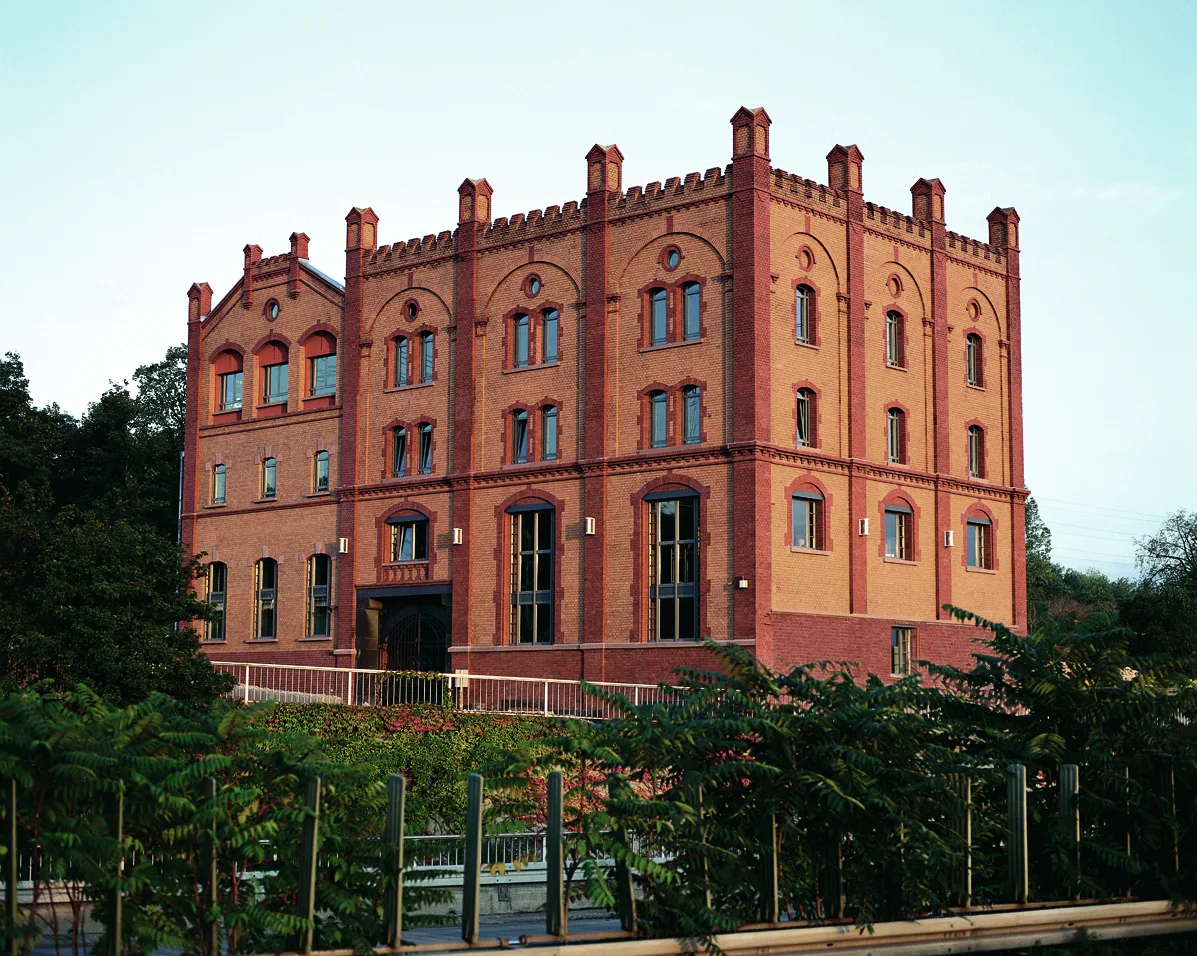
Wiesbadener Braumanufaktur: the city's own brewhouse
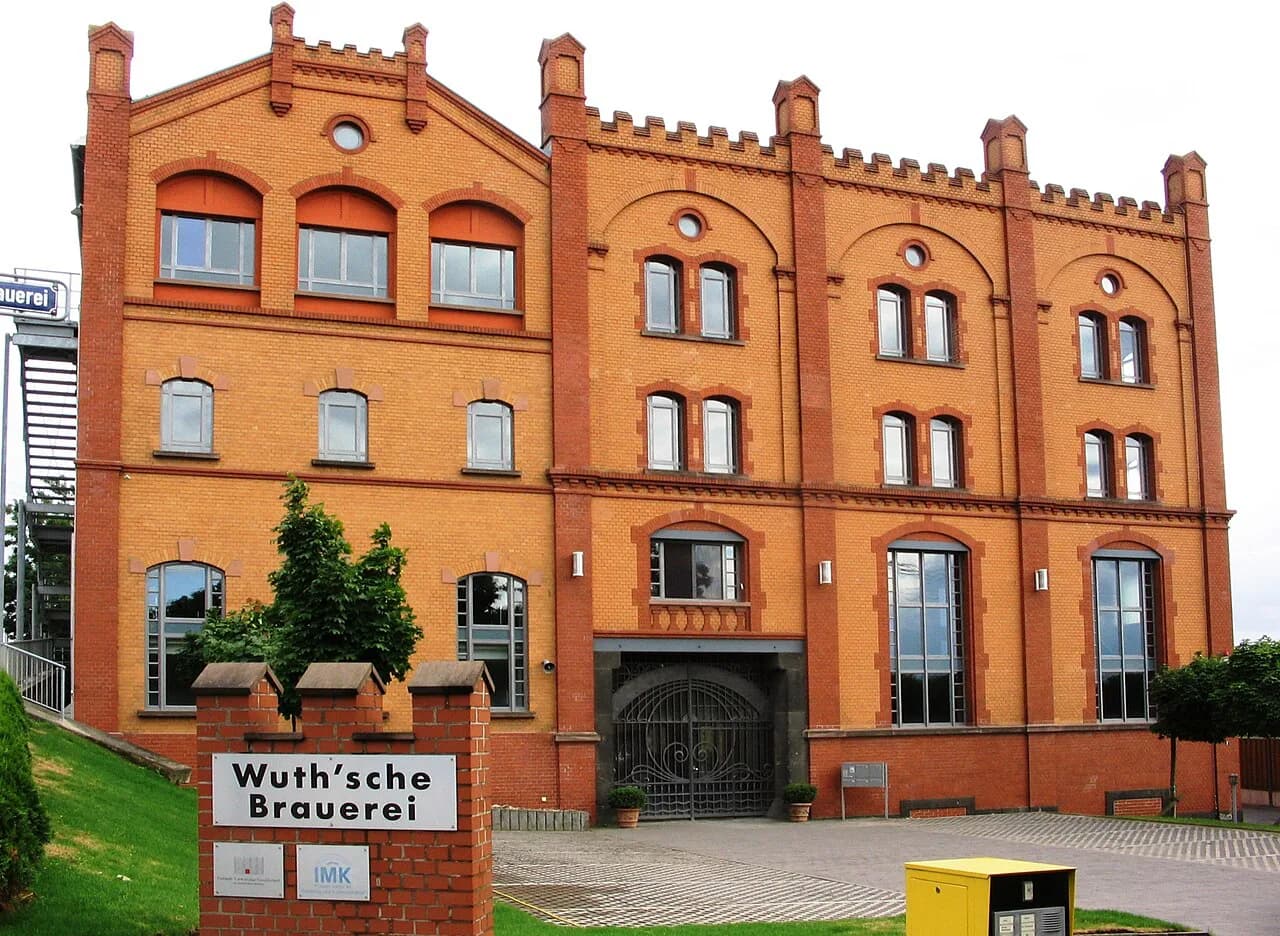
Wiesbadener Braumanufaktur is the address to know if you want beer brewed inside the city rather than trucked in, and a small brewhouse is the right way to set expectations: a compact lineup served close to where it was made. It belongs on the list precisely because Wiesbaden has little brewing of its own, so a visit here is the closest you get to a local pint.
Two loose community listings name it among Wiesbaden's breweries, but neither publishes a stable beer list, kitchen details or opening days. Check the brewhouse's own website or phone ahead before you build an evening around it, especially early in the week.
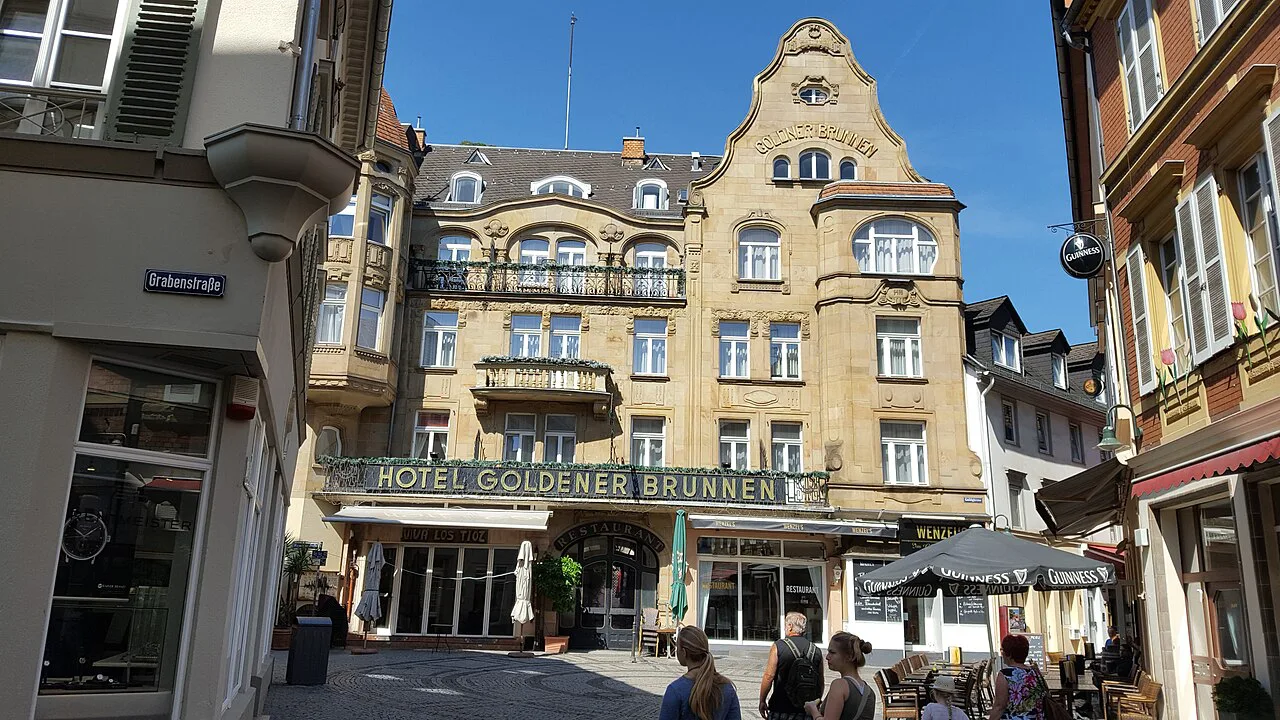
Eisgrub-Bräu: house beers with big German plates
Eisgrub-Bräu is a brewpub, meaning the beer is brewed on site and the menu runs to large, hearty German plates rather than small plates. A beer-and-food forum describes it as carrying a couple of its own beers that change with the season, alongside big German food such as Schweinshaxe (roast pork knuckle), Weißwurst (Bavarian veal sausage) and meter-long sausage platters.
Order accordingly: take the house beer with the biggest plate you can finish, because the portions here are the point as much as the brewing. Because the house selection shifts by season, ask what is currently on instead of assuming a fixed lineup, and treat it as a full meal rather than a quick stop.
König von Bayern Ratskeller: König Ludwig and Kaltenberg beers on Schloßplatz
The König von Bayern Ratskeller sits under the city hall on Schloßplatz in the center of Wiesbaden, reached by its own side entrance rather than through the main building, and in summer it sets tables and chairs out on the square. It is the most reliable single stop for a broad German beer selection: König Ludwig Dunkel (dark lager), König Ludwig Weissbier and Weissbier Dunkel (wheat beer, light and dark), plus Kaltenberg Ritterbock, Kaltenberg Helles and Kaltenberg Pils.
Start with the König Ludwig Dunkel if you want an easy-drinking dark beer that works over a long afternoon or evening, and order from the Bavarian side of the menu to match. The Kaltenberg Ritterbock is the other order worth making: a strong, dark bock with a rich roasted, almost treacle-like malt flavor, so it drinks like a sipping beer at the end of the meal rather than a session pint.
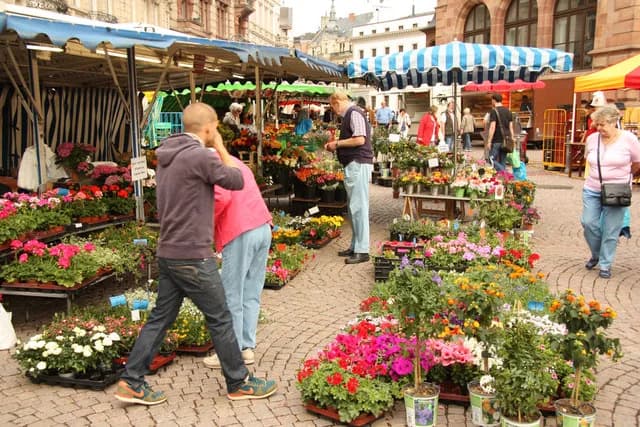
Schloßplatz also hosts a farmers' market that is busy and lively on a Saturday, which makes a good pairing with a late-morning stop. For the rest of the square's dining options, our Ratskeller Wiesbaden entry will help you decide whether to eat in the cellar or elsewhere on the square.
Beck's am Bäckerbrunnen: Gaffel Kölsch and Diebels Alt in the Altstadt
Beck's am Bäckerbrunnen is a small bar in the Altstadt, Wiesbaden's old town, on Grabenstrasse beside the bakers' fountain. The Altstadt is largely pedestrianized, with narrow cobbled streets full of shops, bars and restaurants, and the bar has outdoor tables around the fountain as well as a dark, cozy interior with typical German pub grub on the menu.
This is the stop for the Cologne-versus-Düsseldorf decision in one sitting. Gaffel Kölsch is a pale, crisp, lightly hopped beer from Cologne, while Diebels Alt is a light brown, malty beer with roasty caramel notes from Düsseldorf; order whichever suits your taste and compare if your table is game, but don't call either one the winner.
If the pub-grub menu leaves you wanting a full German restaurant meal instead, our German Restaurants in Wiesbaden guide lists traditional kitchens elsewhere in the city.
Neroberg: a hillside café with Schöfferhofer weizen and radler
About a twenty-minute walk from the town center, or a short ride on the funicular from the top of Nerotal park, the Neroberg is a hillside estate overlooking the whole city. The five-minute funicular climbs beside a small vineyard, making it a pleasant way to end a day of drinking rather than start it.
The café at the top, part of the tower at the edge of the woods, has a large outdoor seating area beside an open-air amphitheater. The beer list runs to mainstream brands: Henninger Radler, Binding Römer Pilsener, Schöfferhofer Hefe-Weizen, Schöfferhofer Kristall-Weizen, Schöfferhofer Grapefruit, Jever Lime and Clausthaler, all labels owned by the Radeberger Gruppe, with Binding itself based in Frankfurt.
Order the Schöfferhofer Hefe-Weizen if you want a full wheat beer, or a radler, a beer-and-lemonade mix, if you want something lighter at altitude; the grapefruit weizen is a low-alcohol shandy-style mix and is best treated as a soft option. This is the stop for the view and a single round, not a long session.
For dedicated beer gardens closer to street level, our Biergarten Wiesbaden guide covers where to sit outdoors in decent weather.
What to order: dunkel, weizen, bock, Kölsch and Alt explained
Dunkel means dark lager, malty and gentle rather than bitter, and the König Ludwig Dunkel at the Ratskeller is the easy introduction. Weizen or Weissbier is wheat beer, hazy and yeasty, with the Schöfferhofer versions on the Neroberg as the mainstream example in town.
Bock is a strong lager, and Ritterbock specifically is a dark, sweet-malted brew that sits at the heavy end of the scale; treat it as a final glass rather than a second round. Kölsch is a pale, crisp top-fermented beer from Cologne, and Alt is its brown, malty counterpart from Düsseldorf, which is why Beck's am Bäckerbrunnen is a useful place to taste the contrast.
To line the beer up with the region's cooking, our Wiesbaden food guide covers the dishes that go with these pours, from Handkäs mit Musik (marinated sour-milk cheese) to Frankfurter Grüne Soße (herb sauce).
Drinking like a local: glass sizes, ordering and paying at the table
At the Ratskeller and Beck's, order at the table rather than queueing at a bar, and expect the bill to be added up at the end and spoken aloud rather than presented on a card reader. Carry cash alongside a card; smaller German pubs can be cash-friendly even when larger places take cards.
Kölsch traditionally arrives in small, narrow glasses that are replaced until you cover the glass, while Alt comes in a similarly small glass and the bigger beers at the Ratskeller come as standard half-liter pours. Look at what the table next to you is drinking rather than assuming a fixed format, since sizes can vary by venue.
Which Wiesbaden beer stop fits your evening
Choose by appetite. For a full German dinner with house-brewed beer, go to Eisgrub-Bräu; for a central, wide-ranging German beer list and a square to sit in, the König von Bayern Ratskeller; for a short old-town stop with Kölsch and Alt, Beck's am Bäckerbrunnen.
Add the Neroberg café if you want a view and a light round at the end of a day, and use Wiesbadener Braumanufaktur as a first stop only if you are prepared to confirm its details before you go.
Explore more Wiesbaden guides
Frequently Asked Questions
What kind of beer is a weizen?
Weizen, also called Weissbier, is a German wheat beer: wheat makes up a large part of the grain, and the beer is cloudy, yeasty and gently spicy rather than sharply bitter. Schöfferhofer Hefe-Weizen at the Neroberg café is the straightforward example to order in Wiesbaden, while the Kristall version is filtered and clearer.
What is Wiesbaden famous for?
Wiesbaden is known as a spa city on the Rhine in Hesse, the state capital, with a population of more than 300,000 and a long history of thermal springs. That spa reputation is why its drinking culture leans toward beer halls, brewpubs and cafés rather than a landmark brewery, so plan around venues rather than a hometown brand.
Sources
Notes for your next German food trip
Optional updates to our guides.
You might also like
Continue reading
More guides you'll find useful