Wiesbaden Food Tour Guide: Routes and Formats to Choose
Compare Wiesbaden food tours by format and price, from split three-course walks to short fingerfood tastings in the Bergkirchenviertel and Westend.
On this page
A Wiesbaden food tour is a guided walk with tastings built into it, not a single long meal in one restaurant. The longest version sold here splits a three-course menu across three different Wiesbaden restaurants, with walking and city history between the courses.
This guide compares the formats by length and published starting price, sorts out which neighborhood each route covers, and explains the group minimums that decide whether you can simply book a seat. It closes with a do-it-yourself version: one starter, one main and one dessert in three separate places. For the restaurant side of that plan, start with our picks for the best restaurants in Wiesbaden.
What a Wiesbaden food tour actually is
Every tour described here is a walking route with stops, not a reserved table for the evening. The organizer leads you through the streets, tells you about the city's history and architecture, and hands over tastes at fixed points along the way. That structure matters for planning: you spend hours on your feet between bites, and the food arrives in small portions rather than as a full dinner.
The tasting frameworks differ in how much food you get. One format is effectively lunch or dinner spread over three venues, and the others are snack walks with four samples or a plate of finger food. Choose by appetite first and by sightseeing interest second, because a five-hour menu walk and a three-hour tasting walk suit very different days.
The multi-course format: three restaurants in about five hours
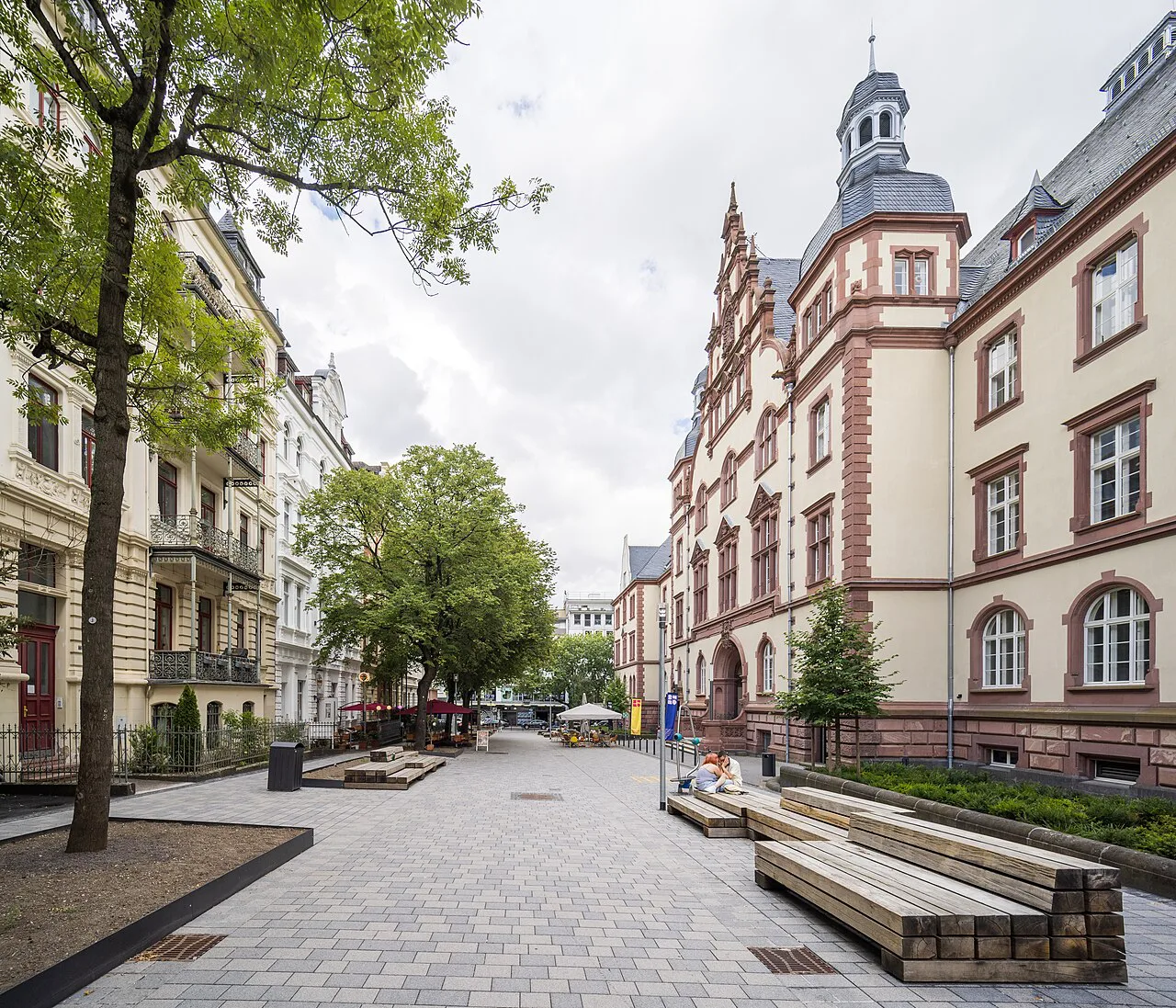
The full version runs roughly five hours and gives you a three-course menu, with each course eaten in a different Wiesbaden location. Between courses you walk the city and hear about its history and architecture, so the meal is broken up rather than served in one sitting. A glass of Sekt (sparkling wine) or orange juice is included, and further drinks are extra.
The published starting price is 105 euros per person, which buys the guided walk, the one glass and the three courses without additional drinks. That is the format to pick if you want the tour to replace a restaurant dinner rather than precede one. Because the venues rotate, the actual dishes depend on the route, so treat the course structure as the fixed part and the menu as something the organizer sets.
The shorter tasting formats: fingerfood walks
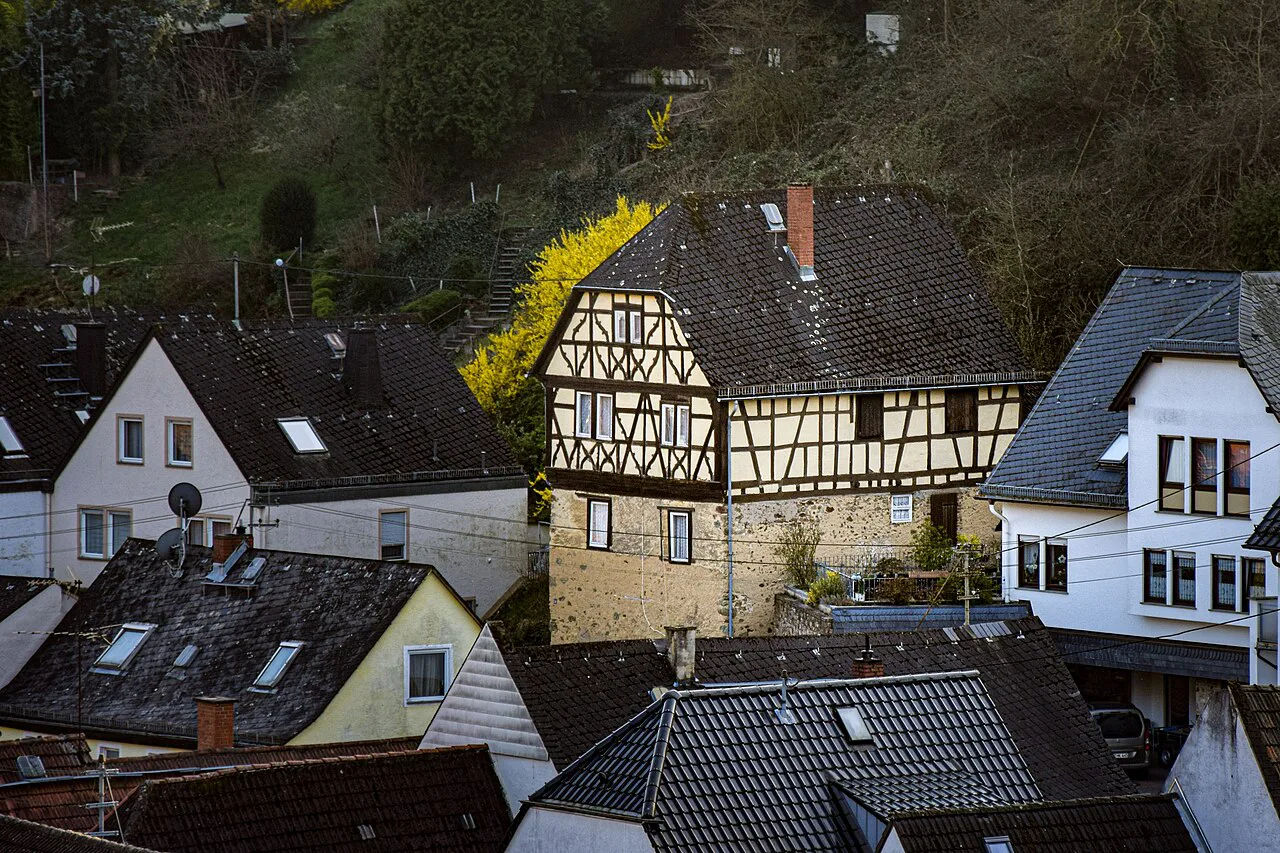
The "Eat and Go" fingerfood walk takes about 3.5 hours and includes four tastings along the route plus a glass of Sekt or Prosecco, from 51 euros per person. It is the middle option: more stops than a single snack, far less sitting than the menu tour. If you want the city history with a series of small bites, this is the format that matches.
The shortest version starts with fingerfood and a glass of Sekt in a traditional restaurant, then continues as a city walk covering how Wiesbaden grew from a small farming town around 1800 into a major spa resort. It runs about 2.5 to 3 hours from 45 euros per person. Pick it when you mainly want the walk and a light bite, and book a proper meal separately.
Neighborhood routes to weigh: Mitte, Westend and Taunusstraße
One operator runs separate tasting walks through Wiesbaden Mitte, the Westend and the Taunusstraße, each listed at around three hours and starting at 44 euros per person. The Mitte route follows the Rue and the spa-town era; the Westend route looks at the multicultural life behind the historic facades; the Taunusstraße route picks up the old "Katzeloch" nickname and the district's immigrant kitchens.
For a first visit, Mitte gives you the classic Wiesbaden backdrop of the old spa quarter. The Westend and Taunusstraße walks suit anyone who has seen the center and wants the food side of the city's everyday neighborhoods. All three are group walks, so the pace is set by the group rather than by you.
The Bergkirchenviertel: a workers' quarter turned tasting route
The Bergkirchenviertel is the neighborhood behind the official culinary city walk, and its history is the reason the route works. It was a workers' quarter whose small flats earned it the nickname "Katzenloch," and in the 1960s residents fought off plans for large-scale demolition, which led to careful renovation instead. Today the streets around Obere Webergasse hold cafés, independent shops, galleries and small stages.
The official tour runs two hours and covers Kranzplatz, Saalgasse, Nerostraße, Lehrstraße, Schulberg and Obere Webergasse, with tastings served outdoors and no interior visits to the buildings. It costs 30 euros per person for the public date and is capped at 15 people. Group bookings are priced at 45 euros per person in German and 46 euros per person in another language, also for up to 15 people.
The next public date is listed as October 23, 2026, starting at 17:00 at the Kochbrunnen. If that date does not fit, the same operator sells the walk as a private group booking, which is the more realistic route for a family or a small party of friends.
How to choose: time, appetite and walking
Start with the block of time you can give up. The three-course menu walk eats about five hours, the fingerfood walk about 3.5, and the fingerfood-plus-Sekt walk under three. Add the Bergkirchenviertel tour at two hours if you want history with small tastes and a lower per-person price.
Then think about appetite and shoes. Every format is a walking format, with tastings eaten standing or outdoors on the Bergkirchenviertel route, so a full menu tour is a poor fit on a day you have already walked a lot. If you want one proper sit-down meal instead, our guide to German restaurants in Wiesbaden covers the Gasthaus side of the city.
Booking and group realities
Most of the tasting walks are calculated for groups of 10 to 40 people, and smaller groups can be arranged by special agreement. The few public dates on that operator's program are booked through the Volkshochschule Bierstadt, so a solo traveler or a couple should look for a public date rather than assume a seat on any given day.
For the official Bergkirchenviertel walk, the public ticket is the simple purchase and the group rate is the fallback if the published date is gone. Either way, decide your date before you build the rest of the day around it, because a tasting walk fixes your afternoon or evening in place.
Eating the same way without a guide
You can copy the structure without booking anything: one starter, one main and one dessert in three different places, walking between them. That is exactly what the multi-course tour does, minus the commentary and the fixed timetable. The advantage is control over portion size and pace; the cost is that you arrange each table yourself.
Build the route around one neighborhood so the walking stays short. The Bergkirchenviertel's cafés and small shops make a natural first stop for a light plate before a main course elsewhere. If you would rather keep the day meat-free or start earlier, look at our vegan Wiesbaden picks or our guide to breakfast Wiesbaden options and shift the tasting to the afternoon.
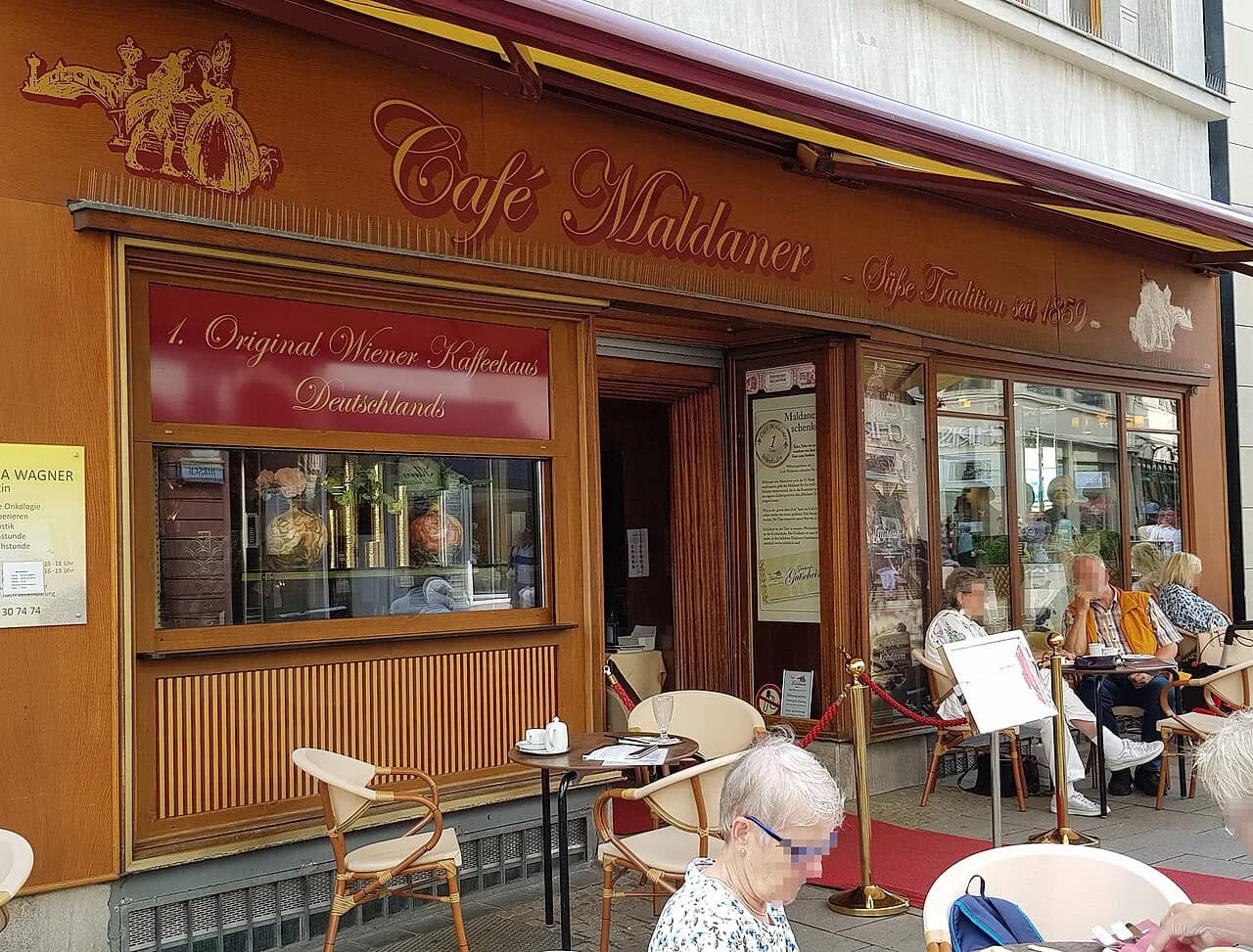
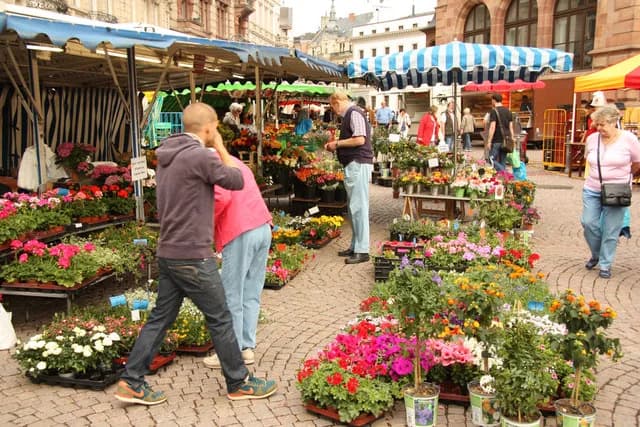
Fill the gaps the way locals do. A Konditorei Wiesbaden stop covers the sweet course, and a Wiesbaden farmers market visit gives you the cheese, ham and bread that show up on tasting plates. For a sit-down ending near the old center, our German Restaurants in Wiesbaden picks point you to the Gasthaus rooms where a hearty plate is the norm.
Where a tasting tour fits in a Wiesbaden day
An evening menu walk replaces dinner, so keep lunch light and leave the afternoon free for the Kurpark or the Neroberg. A morning or midday fingerfood walk fits before a normal dinner, and the two-hour Bergkirchenviertel tour slots into an afternoon without swallowing the whole day.
If you have only one day in the city, pick one tasting format and one proper meal rather than stacking two food events. A short tasting walk plus a relaxed dinner gives you both the neighborhood and a full plate, and leaves room for a coffee stop in between.
Drinking on the route
Sekt appears on these tours as a single small pour, often 0.1 liters, included in the price. Treat it as a taste rather than a session and plan the rest of the evening accordingly, especially if you are walking between stops.
Beer belongs with the meal, not the walk. If the tour leaves you wanting a glass of local beer afterward, our Wiesbaden beer guide and the Beer Gardens in Wiesbaden list give you places to sit down and order one properly.
Which Wiesbaden food tour should you book?
Book the five-hour, three-course walk if the tour is your dinner and you want the city's history folded in between courses. Choose the fingerfood formats if you want tastes and walking without a full menu, and take the Bergkirchenviertel tour if a two-hour route through a rescued workers' quarter appeals more than a restaurant circuit.
If you are traveling as a couple or alone, look for a public date first and fall back on the self-guided three-stop plan; if you are a group of ten or more, a private booking is the easier route. Decide your date before you build the rest of the day around it.
Explore more Wiesbaden guides
Frequently Asked Questions
Is Wiesbaden worth visiting for food?
Yes, if you use the city's tour formats as a structure. Wiesbaden has a spa-town center with a compact restaurant scene, and the tasting walks cover several neighborhoods, including the Bergkirchenviertel with its cafés and small shops. Pair one tour with a proper meal and a bakery or Konditorei stop and you have a full food day.
Are Wiesbaden food tours offered in English?
The official Bergkirchenviertel tour is listed in German for the public date, with a separate, slightly higher group rate for tours in another language. For the other operators, ask about the tour language when you book, because the language is not stated for every format.
How much walking is involved in a Wiesbaden food tour?
The tours are walking routes between tasting stops, and the multi-course version spreads a three-course menu over about five hours with walking in between. The Bergkirchenviertel route covers six streets and squares over two hours and serves tastings outdoors. Wear shoes you can walk in for a couple of hours at a stretch.
Can I join a Wiesbaden food tour on my own?
Some formats are priced for groups of 10 to 40, and the organizer's few public dates are booked through the Volkshochschule Bierstadt, so a solo traveler should look for a public date. The Bergkirchenviertel tour has a fixed per-person public price and a cap of 15 people, which makes it the easiest single-ticket option.
Sources
Notes for your next German food trip
Optional updates to our guides.
You might also like
Continue reading
More guides you'll find useful