Best Restaurants in Würzburg: Franconian Food and Beer Halls
Würzburg restaurants worth a table, from Franconian wine-stube cooking and brewery halls to the Auflauf baked-dish specialist, with what to order.
On this page
The best restaurants in Würzburg fall into three familiar shapes: Franconian wine stubes serving Braten and a Schoppen of local wine, brewery halls with beer-garden seating, and old-town Gasthäuser with courtyard tables. Pick by occasion rather than by a flat ranking, because a big group room and a two-person courtyard dinner solve different problems. This guide sorts the city that way, names the dish to order at each place and explains why so many menus here are built around wine.
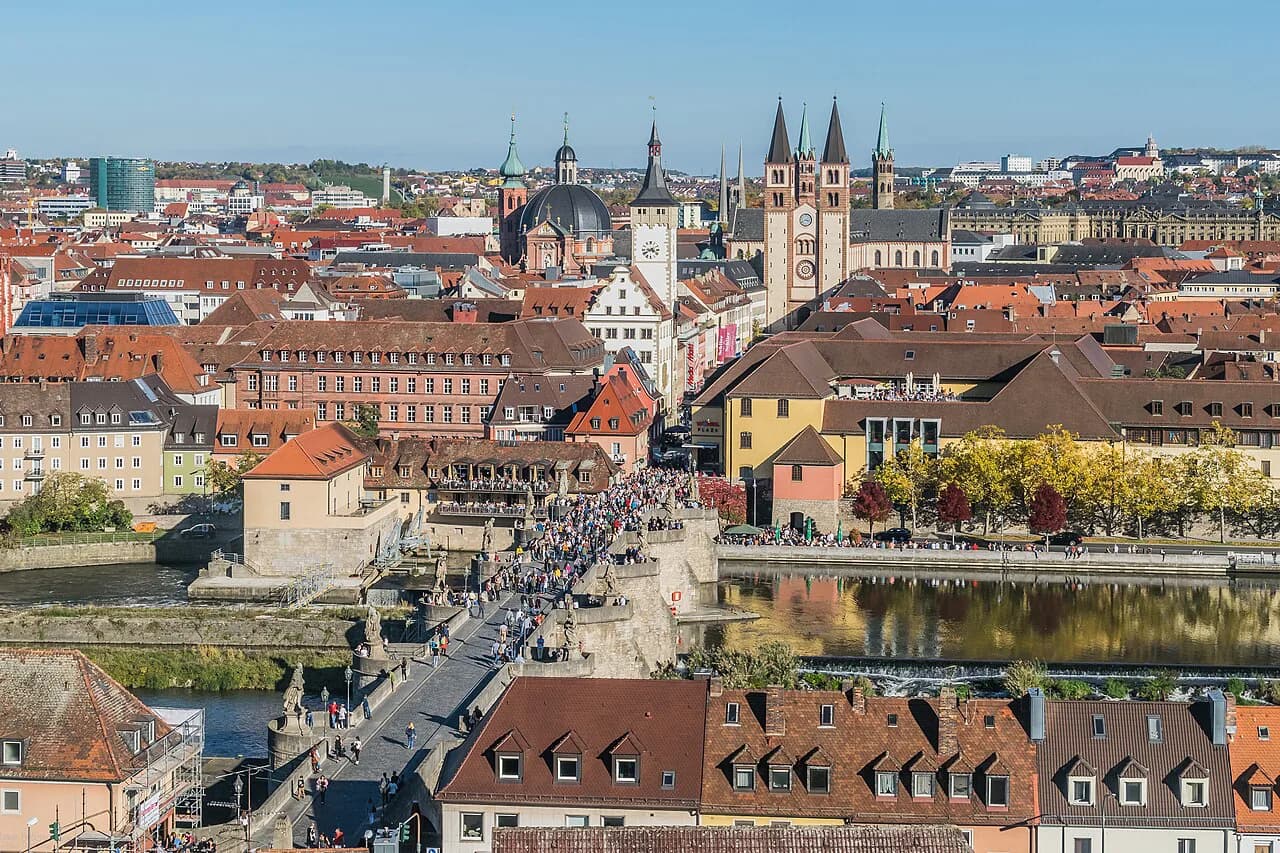
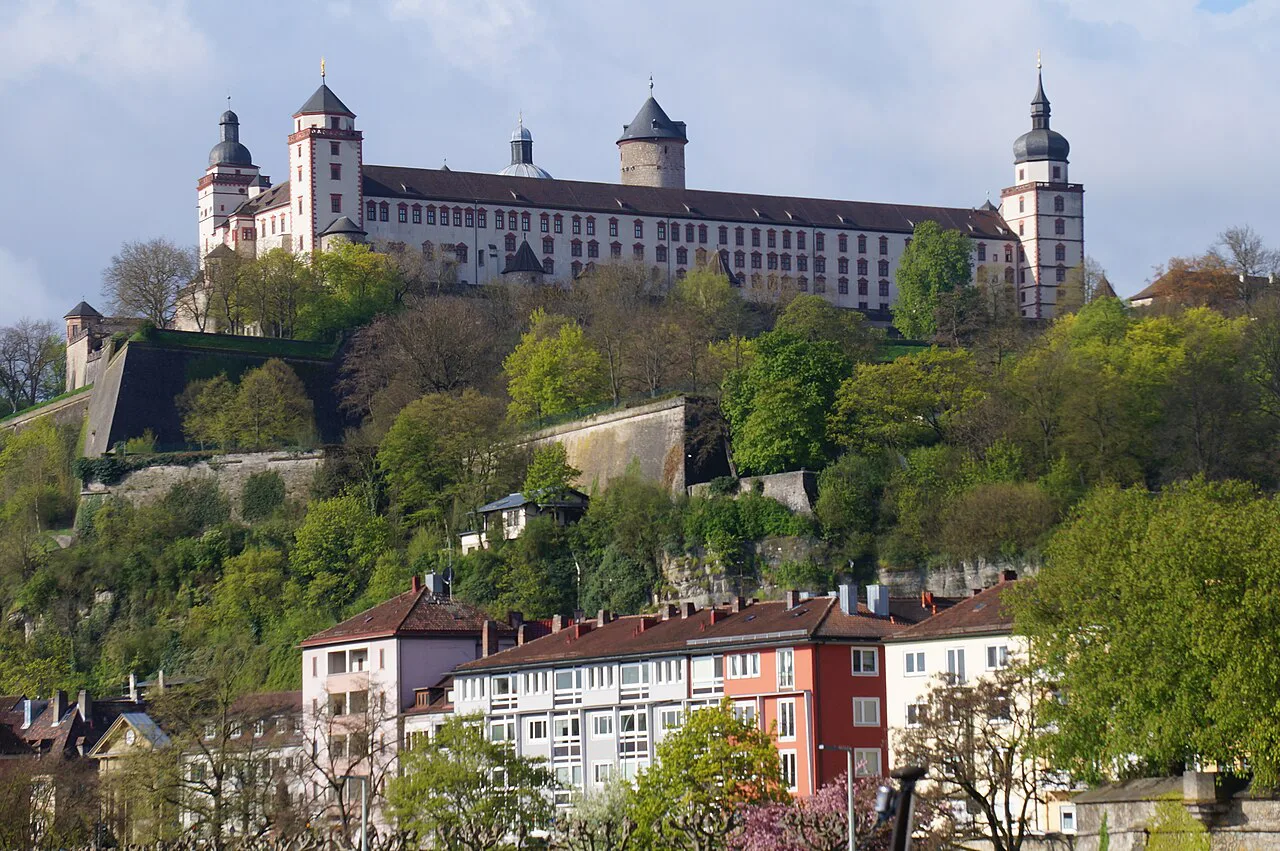
Würzburg sits in Franconia, on the Main river, below the Festung Marienberg fortress and the vineyards that feed its wine trade. That geography explains the food: hearty roasts, dumplings and sausages built for cold-month appetites, served alongside Frankenwein in the squat Bocksbeutel bottle. The Würzburg food guide covers what to eat in the city.
Why Würzburg tables revolve around Franconian cooking and Frankenwein
Franconian cooking is the default in Würzburg, and wine is its usual companion. The city's tourism office groups restaurants, wine stubes, Wirtshäuser and breweries together as places to eat Franconian specialties, which shows how blurred the line is between a wine stop and a dinner table here. Expect menus built around roast pork, braised meat, dumplings and sausages rather than delicate plates.
The Schoppen is the unit to know: a glass of Franconian wine, often poured from the Bocksbeutel, the flattened bottle that Franconia uses for its own wines. Ordering one with a Braten is the local rhythm, and a wine Stube will usually steer you toward the right bottle for the dish. If you want a deeper list of what to eat, the German restaurant Würzburg guide maps the traditional Gasthaus cooking in more detail.
Brauereigasthof Alter Kranen: brewery food and a beer garden facing the Main
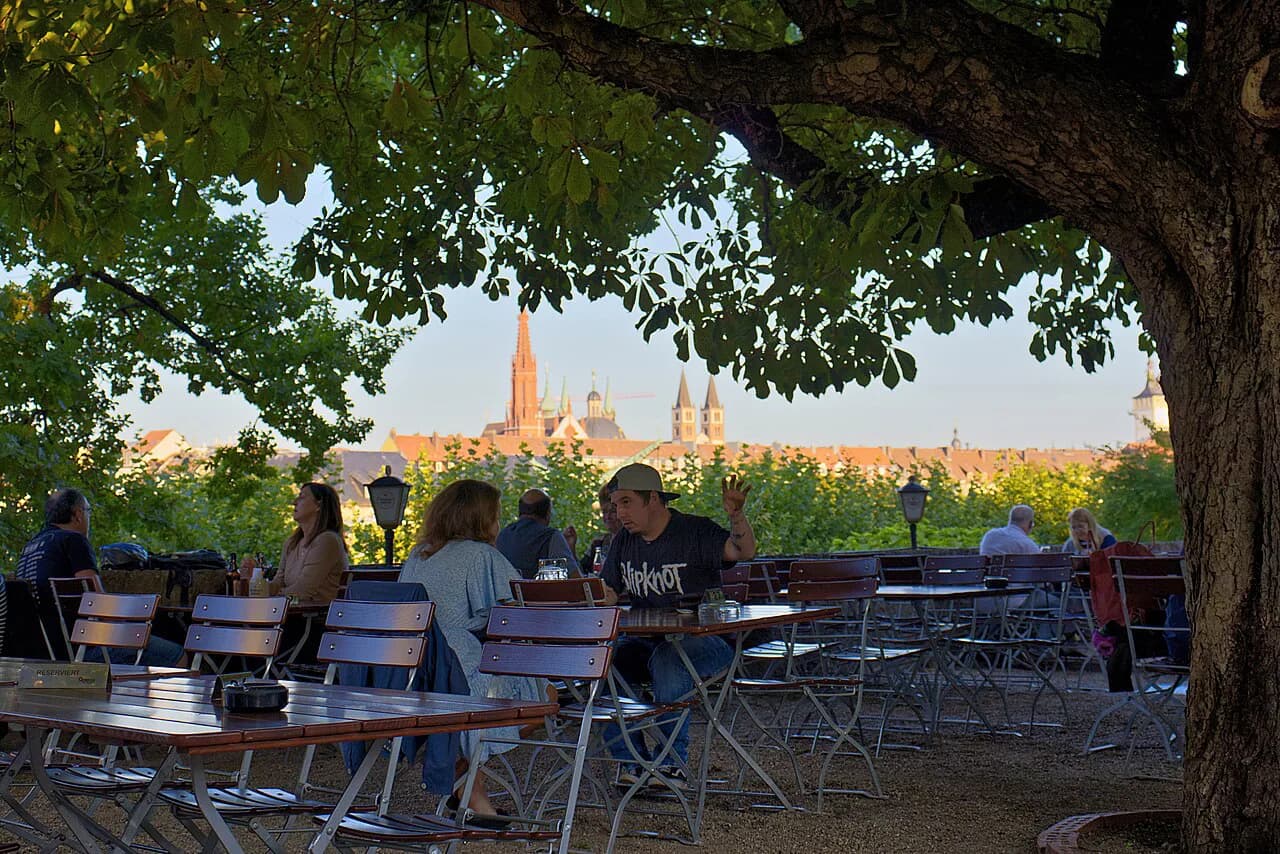
The Alter Kranen combines a brewery-run Gasthof with a beer garden looking over the Main toward the fortress, which makes it the obvious first stop if you want beer with a view rather than wine with a roast. It has been described as gutbürgerlich — solid home-style German cooking — with generous portions and servers in tracht, and the terrace view is the reason many people pick it. That combination suits a hungry table at the end of a walking day.
Student offers and lunch deals at the Alter Kranen shift from year to year, so treat any figure you read as history rather than gospel. In 2016 the house ran a weekday lunch menu with dishes from a low price and a free iced tea for students who showed an ID; that is a record of one season, not a standing policy. Ask at the door before you plan a budget lunch around it.
Look to the food menu for hearty plates alongside whatever is on tap. The city's brewery scene is small and local, and the Würzburg beer guide explains which houses pour what.
Backöfele: old-town Gasthaus cooking in the Ursulinergasse
Backöfele, on the Ursulinergasse, is the picture of a Franconian tradition Gasthaus: a cozy Gaststube, an inner courtyard and a menu of familiar regional plates. It has been described as urgemütlich and typical of the region, with the courtyard singled out as the reason to linger. Book ahead, because a compact old-town room fills quickly on weekends.
Order the Franconian standards here rather than experimenting. This is a Braten-and-dumpling kind of kitchen, the place to try a roast with dark sauce and a side of Klöße, the potato or bread dumplings that anchor most Franconian plates. Pair it with a Schoppen and you have the textbook Würzburg dinner. For other old-town alternatives in the same style, compare the German Restaurants in Würzburg list.
Alte Mainmühle: Franconian plates and the Brückenschoppen
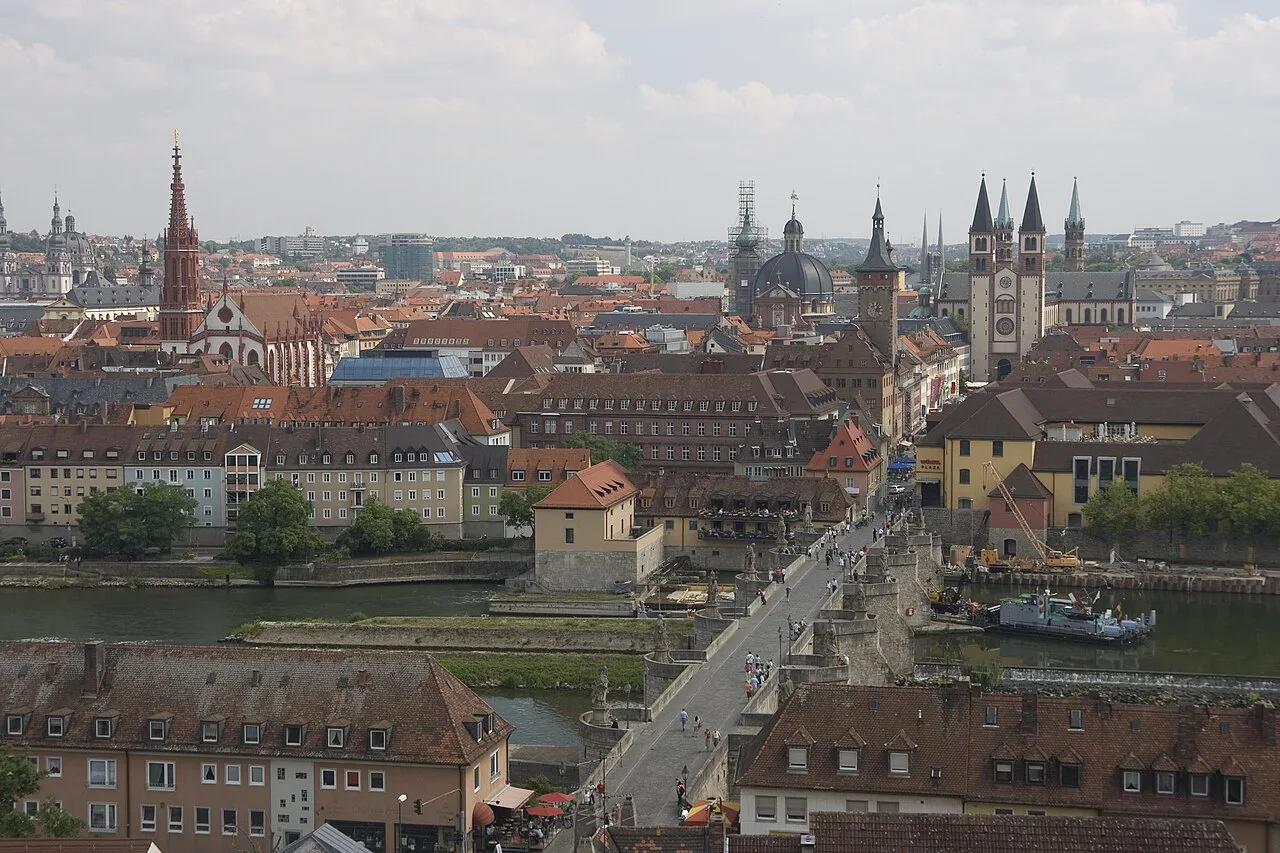
The Alte Mainmühle sits by the old Main bridge, and its balcony view takes in the river, the fortress and the Käppele pilgrimage church on the hill above. Diners single out that view as much as the food, which runs to Franconian dishes in a room that feels more occasion than everyday. It is a sensible choice when you want the setting to carry the evening.
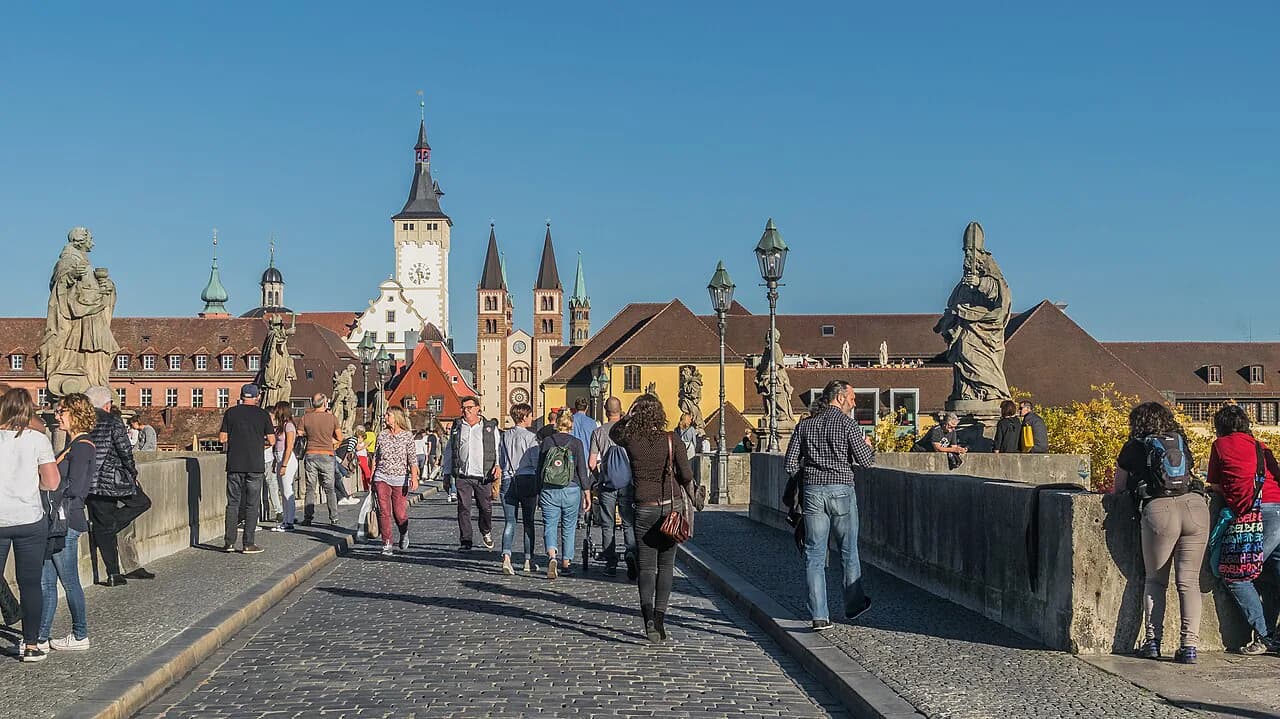
The house is associated with the Brückenschoppen, the glass of Franconian wine that people drink standing on the Alte Mainbrücke at sunset. If you would rather sit than balance a glass on a bridge, this is the table that reproduces the ritual with a chair and a plate. Reserve for balcony seats, since the view is the point.
Restaurant & Weinhaus Stachel: Franconian dishes with wine in a courtyard off the Gressengasse
Stachel, in the Gressengasse, pairs Franconian cooking with wine in a historic inner courtyard that visitors consistently single out as the reason to come. It functions as both restaurant and Weinhaus, so the wine list carries as much weight as the kitchen. That makes it a good pick for a slower dinner where the bottle matters as much as the plate.
Order Franconian dishes and let the house guide the wine; a Weinhaus is built to match bottles to the food rather than leave you guessing. The courtyard is the seat to ask for in warm weather, and the enclosed rooms suit a colder evening.
Würzburger Hofbräukeller, Ratskeller and Schützenhof: big rooms for a full table
When the party is large, the brewery-scale rooms solve the problem: the Würzburger Hofbräukeller, the Würzburger Ratskeller and the Schützenhof all appear on the city's own list of restaurants that take groups. These are halls rather than intimate stubes, built for long tables, shared plates and a beer in hand. They are the practical answer for a family reunion or a work dinner where nobody wants to split a small room.
The Ratskeller sits in the civic heart of the old town, which makes it easy to fold into a day of walking. The Hofbräukeller and the other big halls suit hearty plates and a beer in hand. For the wider picture of who brews what in the city, the brewery guide covers the local scene.
Bürgerspital Weinstuben and Weinstuben Juliusspital: wine-stube cooking
The Bürgerspital Weinstuben and the Weinstuben Juliusspital are the classic wine-stube tables of Würzburg, and both appear on the city's group-dining list. They work just as well for two people who want Franconian food with serious local wine rather than beer. Expect traditional plates and a wine list built around Franconian bottles.
Order a Schoppen and a Franconian main to match; this is where the wine-and-roast logic of the city makes most sense. These rooms are also popular with tour groups, so a table at prime dinner time is worth securing in advance. If you are comparing them with the brewery halls, the difference is simple: wine list versus beer tap.
Wirtshaus Lämmle: a Wirtshaus with its own beer garden
The Wirtshaus Lämmle is listed by the city among the restaurants that host groups, so it is built to handle a full table. That flexibility helps when your party does not want a small, tight dining room. It is a good compromise stop between a formal dinner and a casual beer.
Würzburg's beer gardens run in the warm half of the year, and the Biergarten Würzburg guide lays out the options across the city if you want to compare terraces.
Hotel Walfisch: a group-capable restaurant near the river
The Walfisch's restaurant appears on the city's list of group-capable addresses, which makes it a practical choice for a table that wants a full menu and a room set up for larger parties. It is a hotel restaurant in the traditional sense: comfortable, unfussy and set up for both travelers and locals. Ask for a table near the windows if the water view matters to you.
Use it as a base-adjacent dinner rather than a destination in itself, and pair it with a walk along the Main afterward. The old bridge and the riverside paths are a few minutes away, so the evening does not end when the plates are cleared.
Der Auflauf at Peterplatz: baked dishes in every variation, with takeaway and a lunch menu
Der Auflauf, at Peterplatz 5, has specialized since 1991 in Auflauf — baked casserole dishes — layered in a fireproof porcelain pot and finished with sauce and cheese in a very hot oven. The house describes its own recipes, yogurt-based sauces and house-made dressings, and offers vegan and vegetarian versions alongside the meat ones. It is the odd specialty in a city of Braten kitchens, and worth one meal if you want a break from roasts.
The kitchen also turns out Flammkuchen, the thin Alsatian-style flatbread, plus starters and desserts, and the house advertises that all its Aufläufe can be ordered to take away. At lunchtime the smaller Aufläufe from the regular menu run at a special price of 11,90 euros, with additional lunch-card Aufläufe at 9,90 euros and a small soft drink free for students who show an ID before ordering. Service runs at midday and again in the evening, every day of the week.
Reservations for the same day are handled by phone only, and the house asks you to call during its service hours. That is a small operational detail that saves a wasted walk across the old town.
Beyond Franconian: Ararat for Turkish cooking and Vinothek Tiepolo for a spelled-out menu
Not every good table in Würzburg is Franconian. Ararat, on the Huttenstraße, serves Turkish cooking beyond the döner stand, and visitors in 2016 described it as fresh and genuinely Turkish, with some complaints about value and service mixed in with the praise. Go for a change of flavor rather than a Franconian roast.
Vinothek Tiepolo, in the Innerer Graben, works differently: there is no paper menu, and the servers recite the dishes and wine suggestions at the table. That format suits anyone who would rather be guided than read, and it makes the wine a central part of the meal. Ask what is being poured before you commit, since the choice arrives as speech rather than print.
How to read a Würzburg menu: Schoppen, Braten, Fränkische Küche
Three words do most of the work on a Würzburg menu. Fränkische Küche means Franconian cooking, the regional canon of roasts, dumplings and sausages. Braten is a roast, usually pork or beef, served with a dark sauce and dumplings or potatoes. Schoppen is the glass of Franconian wine that turns a plate into a local meal.
Klöße are the dumplings, often potato-based in Franconia, and they appear under most roasts. When you see a dish described as hausgemacht, it means house-made, a fair signal in a region that prizes its own recipes. Order a Schoppen with a Braten and you have ordered correctly without asking anyone.
Lunch versus dinner, and where reservations matter
Midday is the value window in Würzburg. Der Auflauf runs a lunch menu at a lower price than its evening carte, and the Alter Kranen has historically run a weekday lunch menu aimed at students and workers. If your budget is tight, eat your main meal at lunch and keep dinner light or picnic-based.
Reservations matter most at the compact old-town houses and anywhere with a courtyard. Backöfele can fill quickly on weekends, and a courtyard table at Stachel or the balcony at the Alte Mainmühle is worth securing in advance. The big brewery halls and the wine-stube foundations handle walk-ins more easily, but a group should still call ahead, which is exactly why the city lists them as group-capable.
Which Würzburg restaurant fits your group: families, groups, a single evening
Families do well at Der Auflauf, which runs a children's menu and a treasure chest of treats for younger guests. Groups do well at the Ratskeller, Hofbräukeller, Schützenhof, Bürgerspital, Juliusspital and Wirtshaus Lämmle, all of which the city lists as suitable for larger parties. A couple with one evening in town should spend it in a courtyard at Stachel or a balcony at the Alte Mainmühle.
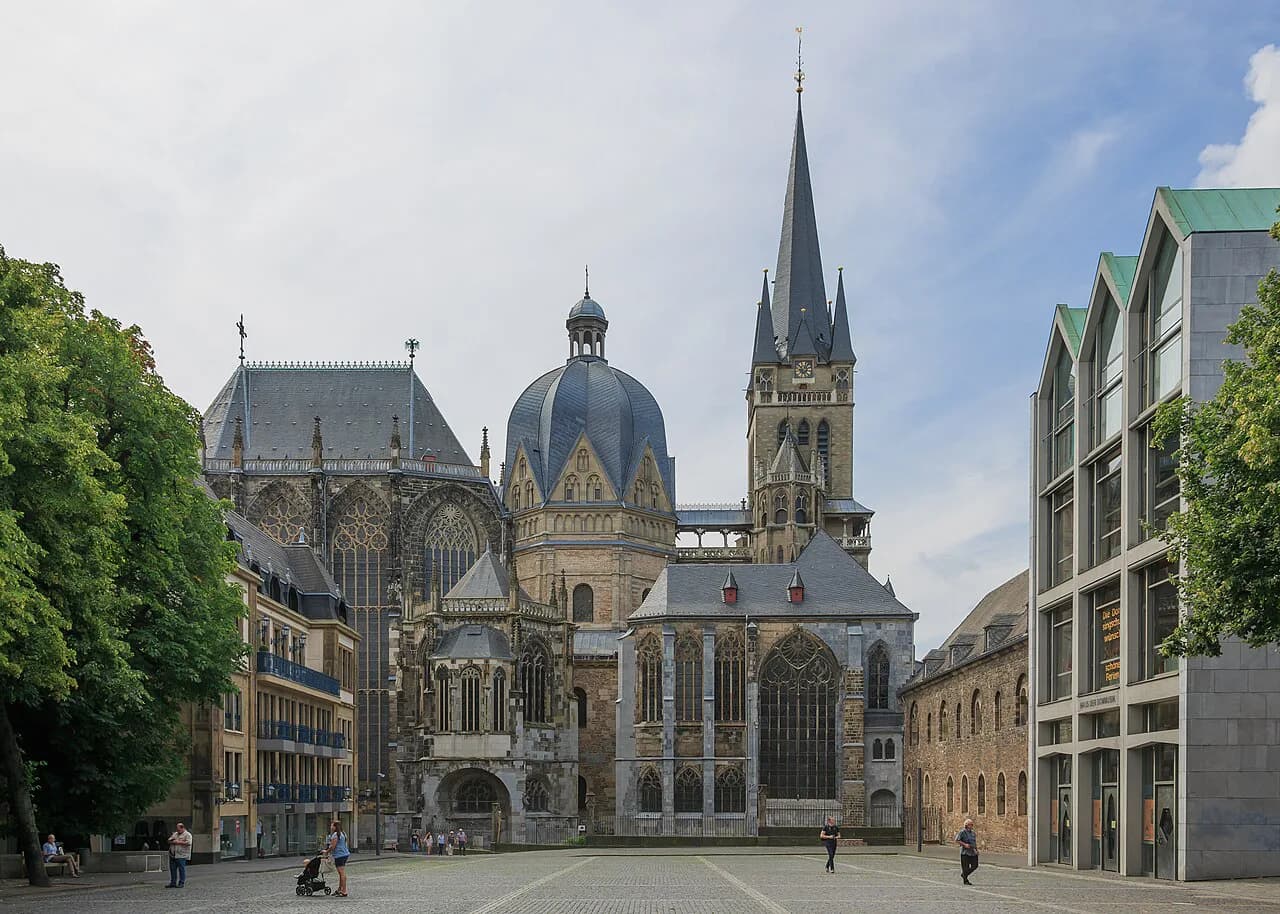
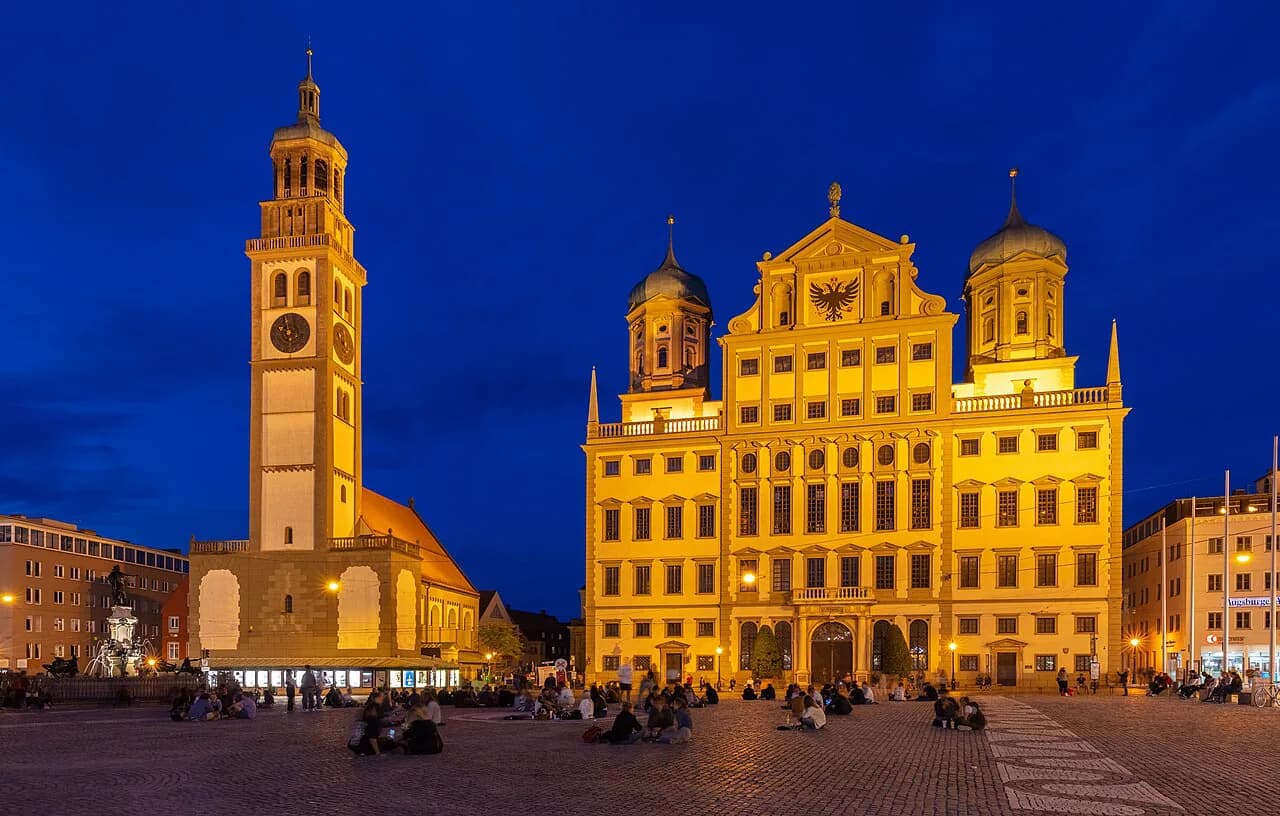
Anyone who wants beer with the view should head to the Alter Kranen garden, while a wine-first dinner belongs in a Weinstube. The point is to match the room to the occasion rather than chase a single "best" address. If you are comparing Würzburg with other German cities on the same trip, the best restaurants in Augsburg and the best restaurants in Aachen give the same treatment to those towns.
Where the restaurant addresses cluster: Gressengasse, Ursulinergasse, Innerer Graben, Peterplatz
Most of the addresses you will want sit inside the old town, within a walk of each other. Stachel is on the Gressengasse, Backöfele on the Ursulinergasse, Vinothek Tiepolo on the Innerer Graben and Der Auflauf on the Peterplatz. The riverbank houses — Walfisch and Alte Mainmühle — sit lower down toward the Main, so you can plan an evening that moves from the old town to the water.
That compactness means you rarely need transport between dinner and a nightcap view of the bridge. Pick a cluster, book one table and let the walk fill the rest of the evening.
Which Würzburg table should you book?
Book the courtyard at Stachel for a wine-led dinner, the Alte Mainmühle for a balcony view and a Brückenschoppen, or the Alter Kranen for beer and a river-facing garden. For a large group, pick a brewery hall or one of the wine-stube foundations; for something different, Der Auflauf's baked pots at Peterplatz earn their own evening.
Use the German restaurant guide for the traditional Gasthaus shortlist and the food guide for what to order once you are seated. One reservation per evening is enough in a city this walkable. Rothenburg ob der Tauber, south of Würzburg on the Romantic Road, has its own Rothenburg restaurant guide.
Explore more Würzburg guides
Frequently Asked Questions
What is Würzburg, Germany famous for?
Würzburg is known for Franconian wine, the Bocksbeutel bottle, the Festung Marienberg fortress above the Main, the Residenz palace and the old Main bridge where people gather with a glass of wine. Its food follows Franconian lines: roasts, dumplings and sausages, usually eaten with a Schoppen of local wine.
Does this guide cover Michelin-starred restaurants in Würzburg?
No. The addresses here are traditional Gasthäuser, wine stubes, brewery halls and the Auflauf specialty house, chosen for the kind of meal they do well rather than for awards. For star-rated dining, see the Michelin Guide's own listings.
Do Würzburg restaurants take credit cards?
Card acceptance varies by house, and small traditional rooms in Germany often prefer cash. Carry some euros as a backup and ask when you sit down or call ahead, especially for a group booking where the bill will be larger.
Sources
Notes for your next German food trip
Optional updates to our guides.
You might also like

Continue reading
More guides you'll find useful