Brauhaus Wiesbaden: Beer Halls and Brewery-Style Taverns
Wiesbaden has no homegrown brewpub, but its beer stops are taverns that pour German beer alongside Hessian plates, from a Schlossplatz cellar to a Klarenthal garden.
On this page
Wiesbaden has no homegrown brewpub in the classic sense, so a search for a Brauhaus leads you to brewery-style taverns instead: a cellar restaurant right on Schlossplatz and a summer beer garden out in Klarenthal. Neither brews on site, but both pour German beer and serve the kind of hearty plates that go with it. This guide covers what each place is like, what to drink and eat there, and which one fits the evening you have in mind.
What a Brauhaus Means in Wiesbaden
In much of Germany a Brauhaus is a brewpub: a house with its own brewhouse, its own house beer and a menu built around it. Wiesbaden's beer scene runs on a different model, closer to a tavern or a cellar restaurant that keeps a solid German beer list and a kitchen serving regional cooking. That makes the city easy for a visitor who wants a relaxed beer stop rather than a brewery tour.
Ratskeller Wiesbaden at Schlossplatz 6 is the central example, a German restaurant in the old center whose drink selection includes beer, wine, coffee and spirits. Out in Klarenthal, Treibhaus Restaurant Biergarten at Klarenthaler Str. 127 is a restaurant with a beer garden.
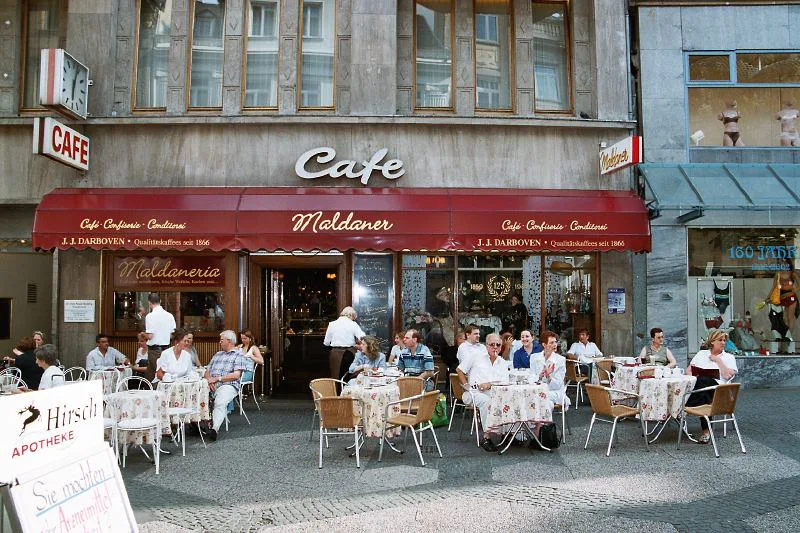
Ratskeller Wiesbaden on Schlossplatz
The setting is the draw here: a restaurant in the middle of town on Schlossplatz, handy before or after a walk through the old center. It is a German restaurant rather than a brewpub, so the beer comes from the drinks list rather than a house brewhouse.
Order the hearty German things: reviewers single out a Hessischer Bellschou, a Hacksteak, as a strong, juicy plate, and a Schnitzel as a filling standby. Both are the kind of food that sits well with a beer.
Be honest about the trade-off: this is a central, uncomplicated German meal with beer in a busy room, not a quiet, carefully cooked dinner. If you want a calm evening with a measured kitchen, look elsewhere.
Schlossplatz puts you in the old center, which makes the Ratskeller the obvious stop before or after a walk through the city. For a wider spread of options nearby, compare the best restaurants in Wiesbaden before you commit.

Treibhaus Restaurant Biergarten in Klarenthal
Treibhaus sits at Klarenthaler Str. 127 in Klarenthal, and its appeal is seasonal: a beer garden that regulars praise as the reason to come in summer. It works as a neighborhood restaurant with a beer garden, so in warm weather you are there for the outdoor seats.
The trade-off is location: Klarenthal is a separate neighborhood from the town center, so this is an evening you build around the beer garden rather than a stop you tack onto sightseeing. In cold or wet weather the garden is out of the picture and you are choosing a neighborhood restaurant instead.
Beer: What to Expect and How to Order
Across German taverns expect a standard lineup rather than house-brewed specialties: light lagers, wheat beer and often a dark beer, poured on tap or served in bottles. Ask for a Bier vom Fass, beer from the tap, when you want draft; if you would rather have wheat beer, say Weizen or Weißbier clearly, because it is poured differently and comes in a taller glass.
Sizes work the German way: a small glass is roughly a quarter liter and a standard pour is about half a liter. If you want to keep the pace moderate over a long meal, order the small size and a water alongside it.
What to Eat With Beer in Wiesbaden
The local classics fit a beer stop well. Handkäse mit Musik is a sour-milk cheese in a vinegar-and-onion marinade, usually with caraway and often served with bread; it is sharp, pungent and exactly what a cold beer wants. A pretzel with quark dip or a Schnitzel with fries covers the heartier end.
If you are eating vegetarian, ask for the cheese dishes, spätzle with cheese, or the salads; the beer garden has no separate plant-based menu. It helps to look at dedicated vegan Wiesbaden listings before you pick a place, and to check current prices or dates with the venue before you go.
How Wiesbaden Differs from Cologne and Düsseldorf
Drinkers who know the Rhineland expect a house culture: in Cologne, small glasses of Kölsch arrive on a tray and are replaced without asking, and in Düsseldorf, Altbier is served the same brisk way by a dedicated waiter. Wiesbaden has no equivalent beer style or serving ritual, so you order by the glass and drink at your own pace.
Paying and Seating
Expect table service in both places: you sit down, order from the server and settle up at the table when you are done. German taverns still lean toward cash more than American visitors expect, so carry euro notes and coins even if you plan to pay by card. Tipping works by rounding up or leaving a few euros and telling the server the total you want to pay.
Paying separately is normal, but mention it before the bill comes rather than after. If you are a group, ordering drinks and food together in one round keeps things simple.
Which Stop Fits Your Evening
Choose Ratskeller Wiesbaden if you want to stay central and eat German food with beer in a busy town-center room without traveling. Choose Treibhaus if the evening is warm, you want to sit outside in Klarenthal and you are happy to make the trip. For a full picture of the city's tables beyond the beer stops, from coffee and cake to finer cooking, the Wiesbaden food guide covering what to eat lays out the dishes and where they turn up.
Beer Hall or Beer Garden?
Pick the Ratskeller for a central German meal with beer on Schlossplatz, and the Treibhaus for a summer evening in a Klarenthal beer garden. Neither is a brewpub, so go for the setting and the food rather than house-brewed beer.
Explore more Wiesbaden guides
Frequently Asked Questions
Does Wiesbaden have a brewpub that brews its own beer?
Wiesbaden's beer stops are taverns and restaurants rather than brewpubs, so you are choosing a setting and a kitchen more than a house brewery. Look at the beer list when you sit down and ask what is on tap.
What is Handkäse mit Musik?
It is a sour-milk cheese marinated with onions, vinegar and often caraway, served with bread. The name means cheese with music, a reference to the marinade, and it is a classic Hessian order with beer.
Sources
Notes for your next German food trip
Optional updates to our guides.
You might also like

Continue reading
More guides you'll find useful