German Restaurants in Wiesbaden: What to Order and Where
Plan a meal of traditional Hessian cooking in Wiesbaden: the dishes to order, how a Gasthaus meal works, and where regional plates show up on menus.
On this page
German food in Wiesbaden means Hessian cooking first: herb sauce with boiled eggs and potatoes, slow roast beef, and apple wine from the region. The city sits in Hesse on the Rhine, so its traditional kitchens draw on that regional repertoire more than on Bavarian plates, even though schnitzel shows up everywhere.
This guide covers what to order, how a Gasthaus meal works from seating to paying, which local products are worth seeking out, and where an Anatolian kitchen on Wellritzstraße has been feeding the city since 1991. It ends with how to match the room to the occasion, whether that is a quick lunch or a table for a group.
What German food in Wiesbaden actually means
Hessian cooking is hearty and built on pork, potatoes, root vegetables and sour dairy, with fruit and wine running through it because the Rhine and Main valleys grow both. Wiesbaden's traditional tables lean on that repertoire: roasts, sauces thickened with herbs, and apple wine served in ribbed glasses.
The trap for visitors is assuming every German menu in the city is the same cuisine. A Wiesbaden kitchen may list a Hessian classic next to a Wiener Schnitzel or a Bavarian pork roast, and the regional dishes are the ones that tell you where you are. If you want a wider survey of the city's rooms before choosing, the best restaurants in Wiesbaden breaks them down by neighborhood and occasion.

The dishes to order first
Frankfurter Grüne Soße is the regional starter to know: a cold sauce of chopped herbs bound with sour cream and yogurt, served with boiled eggs and potatoes. It is mild, herbal and creamy rather than sharp, and it arrives as a full plate rather than a side. Order it as a light main at lunch or as a shared opener at dinner.
Rinderbraten, a braised beef roast, is the other benchmark plate, usually served with a dark sauce and potato dumplings or boiled potatoes. It rewards a slower meal rather than a rushed one, since the cut is cooked for tenderness. Pair it with apple wine if the kitchen or the table next to you suggests it, and keep the glass small.

Wiener Schnitzel and cutlets on a Wiesbaden menu
A Wiesbaden menu often carries Wiener Schnitzel, the breaded veal cutlet from Vienna, alongside pork versions called Schnitzel Wiener Art or Jägerschnitzel with mushroom sauce. Read the word after Schnitzel: it tells you the meat and the sauce, and the price usually follows the same order. If you want the Austrian original, look for Wiener Schnitzel and expect veal.
Portions of cutlets are generous, and one plate with a side salad is usually enough for a normal appetite. Cutlets are the safe order for a group where not everyone wants a roast or a pork-heavy plate, since they come with fries or potatoes and arrive quickly.
How a traditional Gasthaus meal works
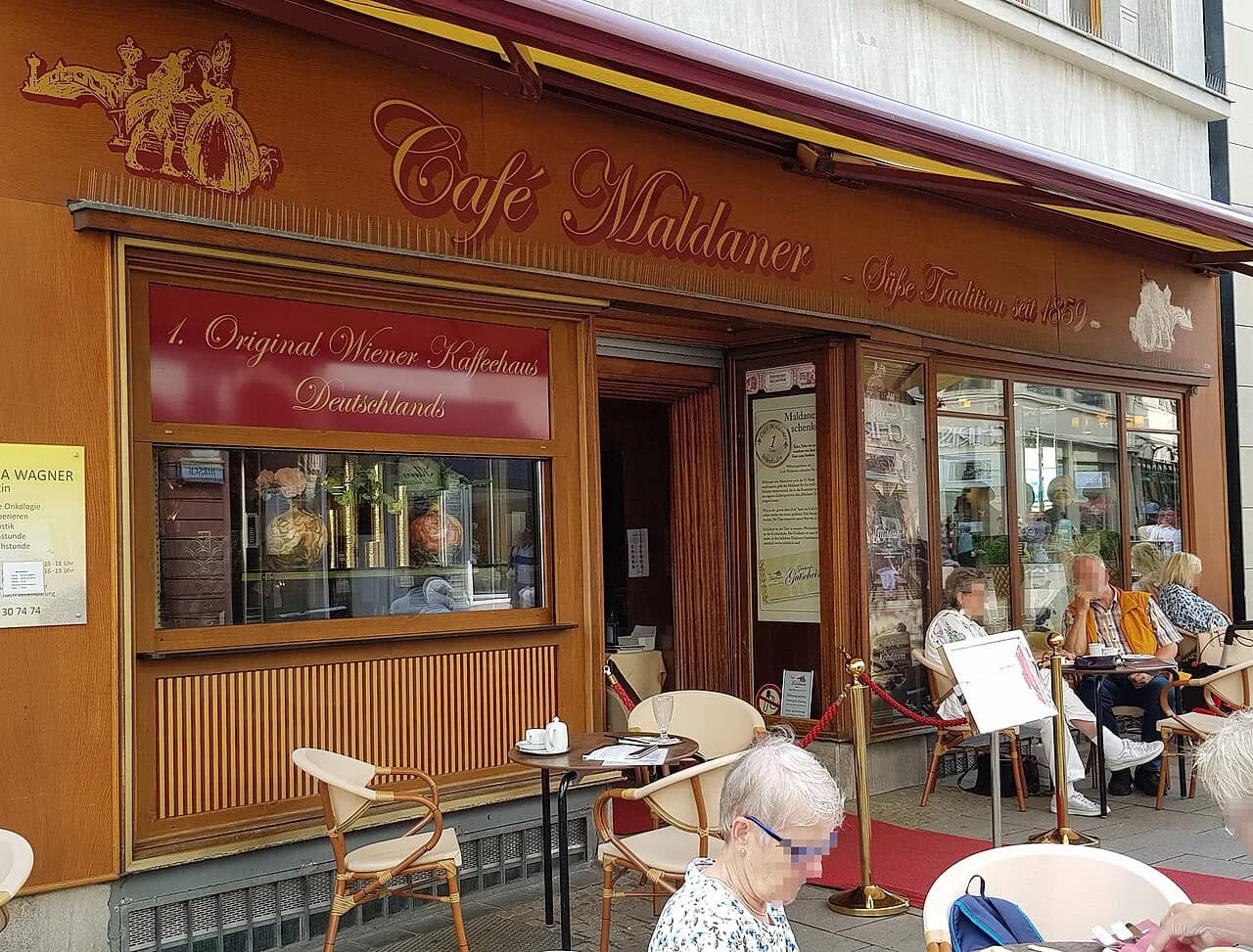
In a Gasthaus or Wirtshaus, you usually seat yourself or wait to be shown to a table, and the menu arrives in German with a few English translations. Order drinks first, because the kitchen and the drinks run on separate rhythms, and expect the food to come when it is ready rather than all at once.
Portions are built for hungry people, so a starter plus a main is a full dinner and a dessert is a separate decision. You pay at the table by catching the server's eye and asking to pay, and many traditional rooms in Germany still prefer cash, so carry euros. Tipping is done by rounding up or adding roughly five to ten percent and telling the server the total you want to pay.
Regional products worth seeking out
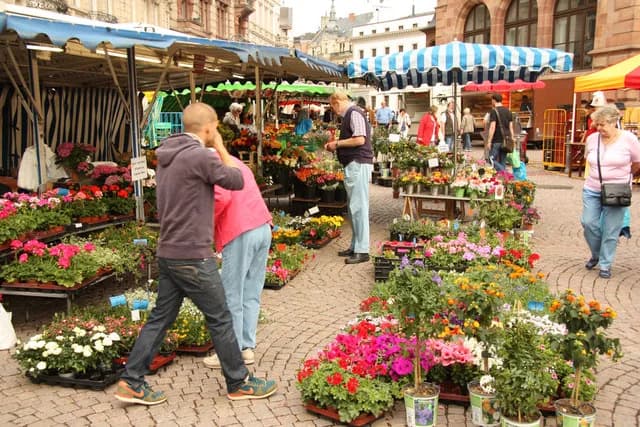
Wiesbaden's local food shops and market stalls sell Hessian cheese and bread, regional apples, and sausage from area butchers. These are the things to buy for a picnic or to take home, and they are often better value than a restaurant starter.
If you want a structured introduction to the regional larder before you sit down to a full meal, a Wiesbaden food tour covers the market and shop stops in a couple of hours. Otherwise, browse the stalls in the morning when the selection is fullest and the bread is still warm.
Anatolian cooking on Wellritzstraße at Harput
Harput, at Wellritzstraße 9 in the 65183 district, has served Anatolian cooking in Wiesbaden since 1991. The kitchen works through mezze, kebab from the grill, pide and lahmacun from the stone oven, and closes with Turkish desserts such as baklava and künefe. Mezze are the small cold and warm plates to share at the start; pide is a boat-shaped flatbread with topping, and lahmacun is a thin flatbread with minced meat and herbs.
The room is set up for both a relaxed dinner and a larger occasion, so it works when the table wants something other than pork-heavy German plates. Wellritzstraße is a short walk from the center, and the restaurant takes inquiries by phone. If you want vegetarian plates across the city instead, the Vegan Wiesbaden guide covers meat-free kitchens.
Matching the restaurant to the meal
For a quick weekday lunch, pick a Gasthaus with a printed midday menu, order one plate and skip the starter; you will be out within an hour. For a long dinner, choose a room with a printed drinks list and a dessert section, and book ahead for Friday or Saturday, when traditional kitchens fill up.
For a group, a brewery-style hall with long tables handles mixed appetites better than a small dining room, and a Brauhaus also solves the drinks question with its own beer. If the group includes non-drinkers, check the alcohol-free list before committing.
When the plan is a leisurely morning rather than dinner, breakfast Wiesbaden options run from bakery counters to café tables, and they are cheaper than a full restaurant meal. Pair a late breakfast with a walk and move dinner later.
What to drink with Hessian food
Apfelwein, the region's cloudy apple wine, is the traditional partner to a roast or a plate of Grüne Soße, served in a small ribbed glass and often mixed with sparkling water for a lighter drink. It is tart and low in alcohol compared with wine, so one glass with a main is the sensible order.
Local beer is the other default, and Wiesbaden has its own brewing scene in addition to the brewery-run halls. If the beer is the point of the evening rather than the food, start with the Wiesbaden beer guide and then pick a kitchen near your table.
In warm months, a Biergarten lets you eat outdoors with the same regional plates and a beer in hand, usually with simpler food than a full Gasthaus. The Beer Gardens in Wiesbaden guide covers where they sit and what they serve.
Which Wiesbaden table fits your evening?
Choose a traditional Gasthaus when you want Hessian cooking and apple wine at a relaxed pace, a brewery hall when the group is large and the beer matters, and Harput when the table wants grilled meat, mezze and flatbread instead. Book the long dinner, walk in for lunch, and carry cash for the traditional rooms.
If you want the full picture of the city's kitchens before deciding, start with the Best Restaurants in Wiesbaden guide and work backward from the neighborhood you are staying in. Confirm the table by phone the same day, since a full room is the one thing that derails a good plan.
Explore more Wiesbaden guides
Frequently Asked Questions
Do I need to book a table at a Wiesbaden Gasthaus?
Book ahead for Friday and Saturday dinner, when traditional rooms fill with local diners, and for any table of six or more. Weekday lunch is usually a walk-in affair, and calling on the day is enough for most midweek dinners.
Is German food in Wiesbaden the same as Bavarian food?
No. Wiesbaden sits in Hesse, so its traditional cooking runs on herb sauce, braised beef, potatoes and apple wine rather than Bavarian dumplings and wheat beer. Bavarian dishes appear on menus, but the Hessian plates are the ones specific to the region.
What is Grüne Soße and how is it served?
Grüne Soße is a cold herb sauce made with sour cream and yogurt, chopped green herbs, and often egg, served with boiled eggs and potatoes. It is mild and creamy, not spicy, and it comes as a full plate rather than a small side.
Sources
Notes for your next German food trip
Optional updates to our guides.
You might also like

Continue reading
More guides you'll find useful