Imbiss Münster: Where to Grab Quick Bites in the Old Town
An Imbiss in Münster is a quick sausage, a Döner or a bakery counter. Here is how snack counters work and which Westphalian dishes deserve a sit-down table.
On this page
An Imbiss in Münster is a counter, kiosk or small shop where you order at a hatch, eat standing or on a bench, and are back on the street in twenty minutes; it is not where you will find Töttchen or Pfefferpotthast, which belong to a Gasthaus table. This guide separates the two so you pick the right stop, then names the Westphalian dishes and beer spots worth building a meal around.
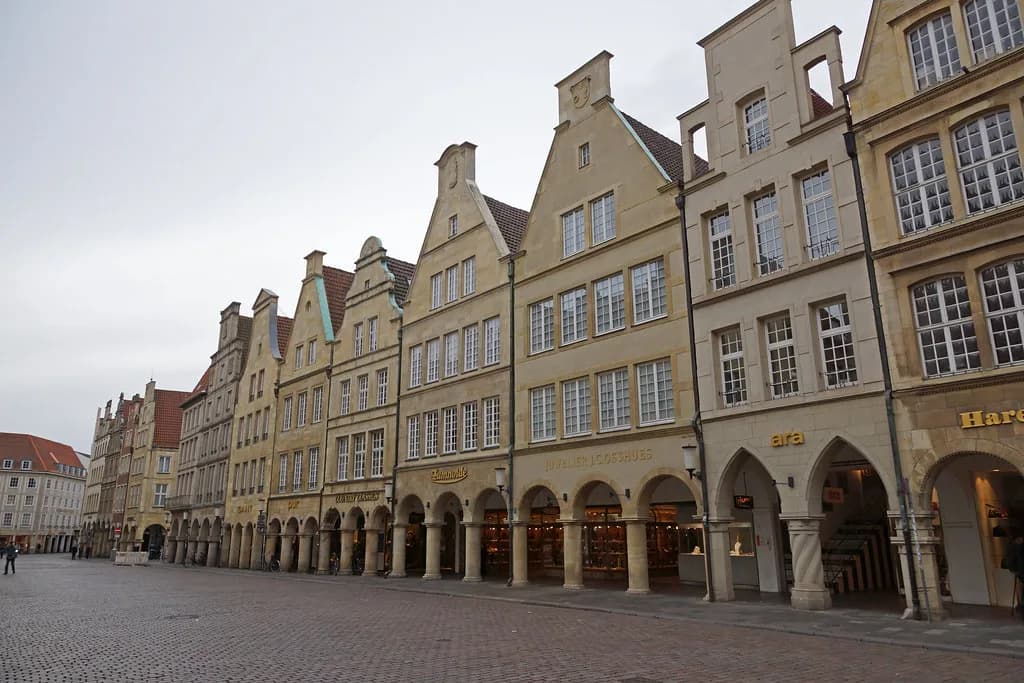
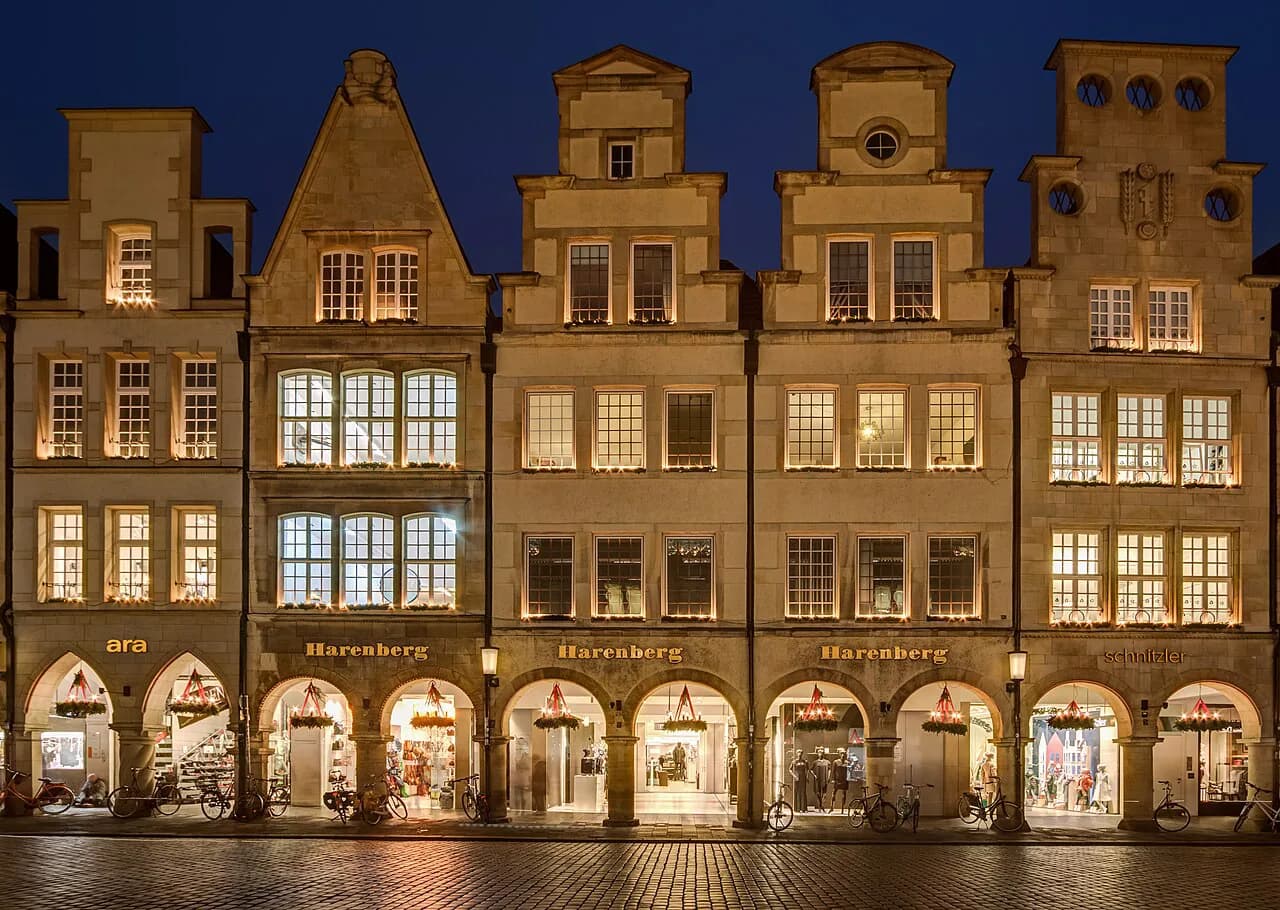
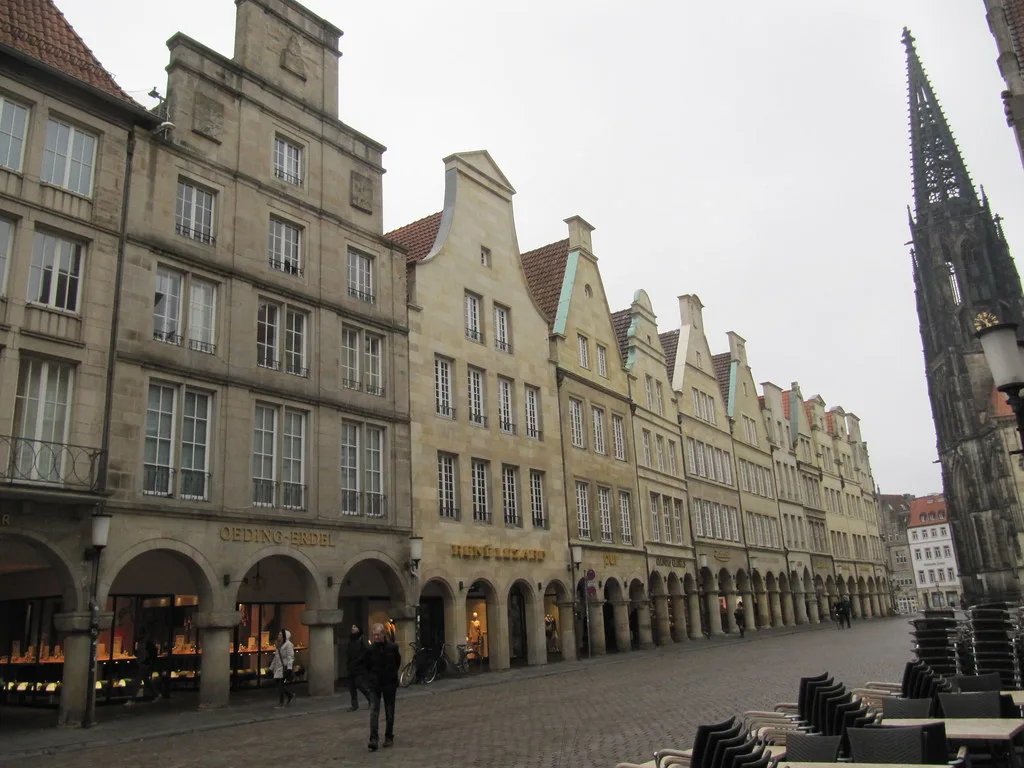
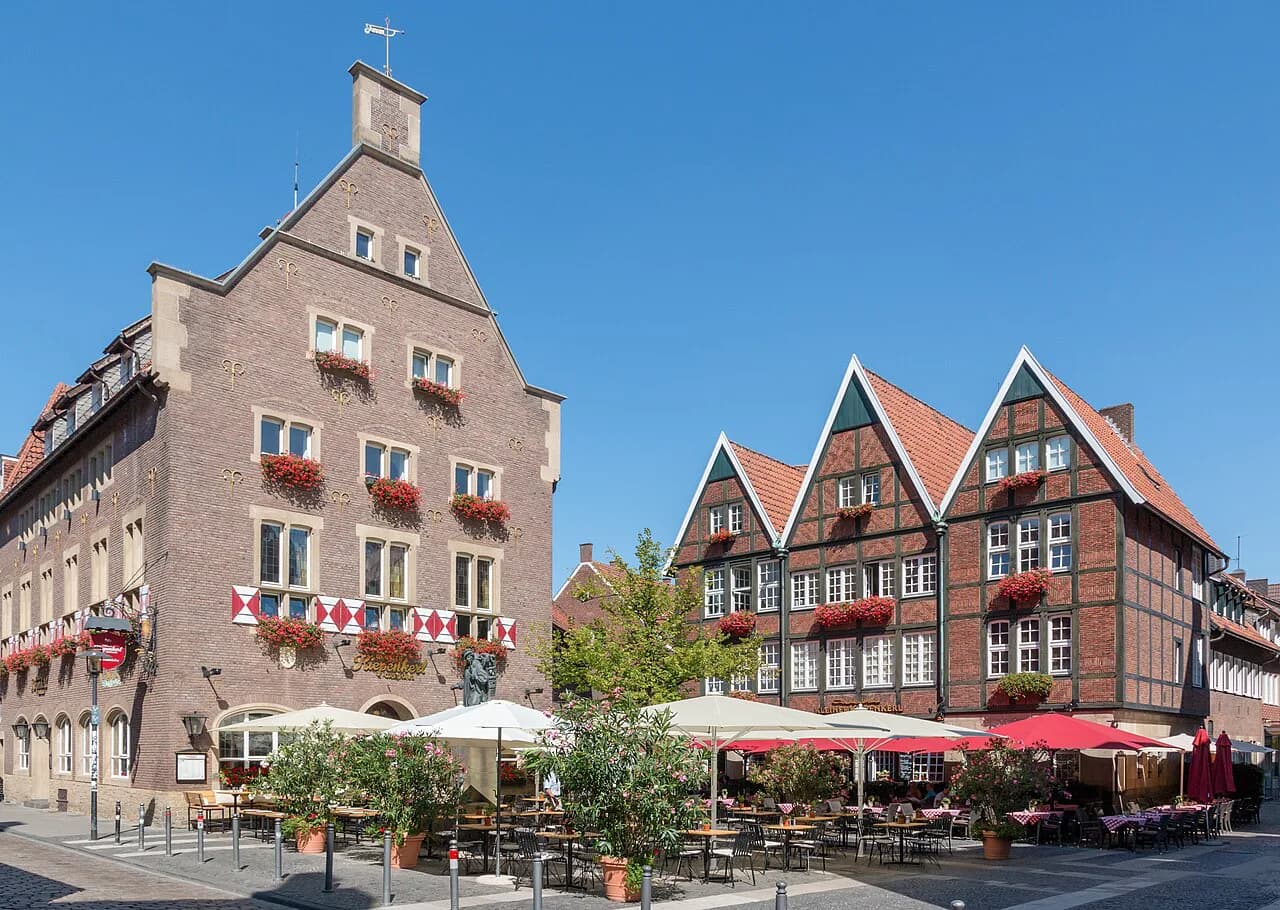
Münster's old town is compact, so most snack decisions come down to where you already are. Use the Prinzipalmarkt as your anchor and treat food as a pause between the cathedral square and the Lambertikirche rather than a separate outing.
What an Imbiss Is in Germany, and How Münster's Snack Counters Fit a Day
The German word Imbiss covers everything from a sausage stand to a Döner kebab shop to the hot counter inside a bakery, and the common thread is speed: you order, pay and eat without a reservation or a menu you have to study. Münster's old town is dense enough that you rarely walk far before passing one.
Because these are small owner-run operations, read the counter rather than a guide. A short handwritten list and a steady line of local office workers means the food turns over fast, which is the best quality signal at a snack counter.
Think of the Imbiss as the daytime counterpart to a long Gasthaus lunch, not a replacement for it. If your day includes a proper Westphalian meal, keep the snack light; if not, one counter stop plus a bakery coffee carries you comfortably until dinner.
The Westphalian Snack Plate: Pumpernickel, Mettwurst and a Beer
The region's own quick plate is a rustic one: Schwarzbrot, meaning dark rye bread, in the form of Pumpernickel, with Mettwurst, a smoked pork sausage, and a beer alongside. Münster's tourism office lists exactly this combination, plus Westphalian bone-cured ham, as a regional specialty worth tasting on a visit.
Pumpernickel is a dense, slow-baked rye loaf with a malty sweetness, and it keeps for days, which makes it the easiest edible souvenir to carry home. Westphalian Knochenschinken is the region's dry-cured ham, sliced thin and served cold rather than cooked.
You can assemble this plate yourself from a bakery and a drinks shop, or order the components where they are served. Either way it is the cheapest route to Westphalian flavors without a full restaurant meal, and it works as a late-afternoon stop.
Standing Counters and the Altstadt: Ordering and Paying
At most Münster counters you order at the till or the hatch, take a paper ticket or a number if there is a queue, and pay before or right after you receive the food. Watch what the person ahead of you does; it varies by shop and takes ten seconds to copy.
Card acceptance is genuinely mixed at small snack stands in Germany, so carry some euro coins and a ten-euro note as a backup rather than relying on your phone. Tipping is not expected at a counter: rounding up to the next convenient coin is the normal gesture.
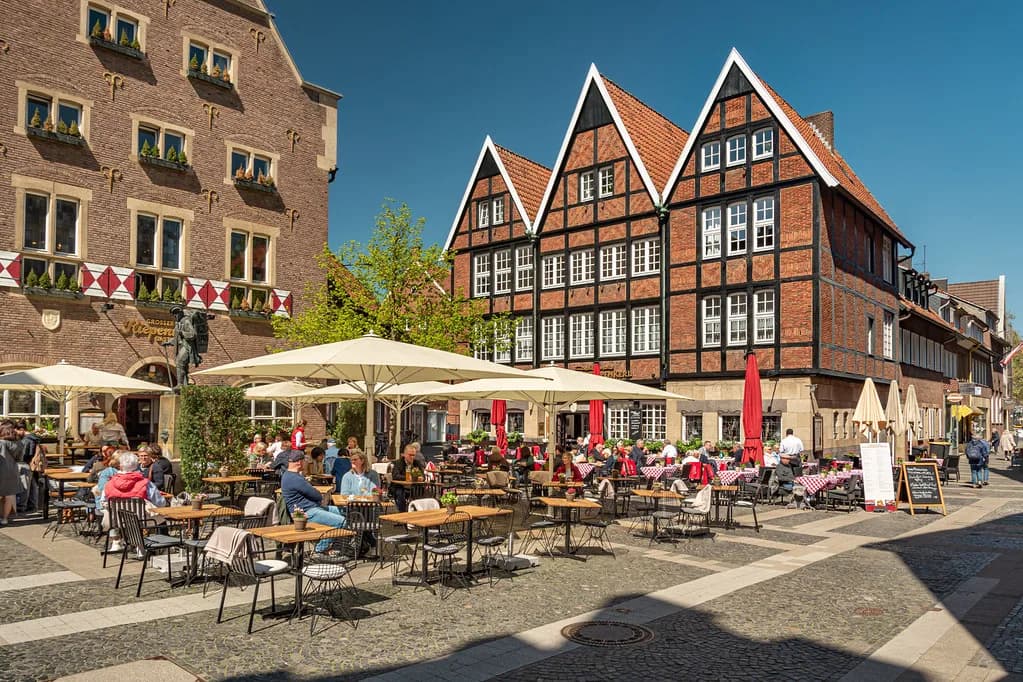
Standing tables, window ledges and a couple of benches outside are the usual seating, and the old town's squares give you plenty of places to perch. Eat where you buy unless there is clearly a seating area belonging to the stand, since nearby tables often belong to the restaurant next door.
Töttchen and Pfefferpotthast: Westphalian Classics Worth a Sit-Down Stop
Two dishes explain why you should trade the counter for a table at least once. Töttchen is a minced-meat ragout from the Münsterland, seasoned sharp and sweet-sour, once a poor family's dish that became a local staple and is often served with fresh farmhouse bread. Pfefferpotthast is beef braised with onions, bay leaf and cloves, then sharpened at the end with plenty of pepper and sometimes capers and lemon.
Pfefferpotthast was traditionally made in autumn at the start of the slaughtering season, which is why it reads as cold-weather food. Both dishes come as substantial plates, so they suit a late lunch rather than a snack between two museum stops.
Order one of each between two people with bread on the side and you have covered the region's essentials. For more of the repertoire, such as kale and broad beans, see what to eat in Münster and pick by season.
Pinkus Müller's Brauhaus: Münster's Last Altbier Brewery
Münster once had 150 Altbier breweries; Pinkus Müller is the only one still standing, and it brews and runs a Brauhaus, meaning a brewery tap with a kitchen, that serves traditional Westphalian food. Altbier is the dark, top-fermented, hop-forward beer of the Rhineland and Westphalia, poured in slim glasses rather than liters.
This is the right stop when you want a hot, sit-down plate with a beer made in the building rather than a rapid counter bite. It also makes a sensible introduction to Westphalian cooking if you only have one meal in town, because the kitchen and the brewery are the same operation.
For the wider picture of who brews in the city today, from the established houses to newer small producers, the Münster breweries overview maps out the options.
Bio Beer and Flammkuchen at Finne in the Kreuzviertel
Finne sits in the Kreuzviertel, a quiet residential neighborhood, and runs a brew pub where the beer is organic and the food is simple: Flammkuchen, the thin Alsatian-style flatbread with a cream base, plus chili and pretzels. The brewery makes a Helles, a Weizen, a Pale Ale and an IPA, brewing most of them at a partner brewery while working toward full production on site.
Flammkuchen is the practical choice because it arrives quickly, is easy to share and pairs with both the lighter Helles and the hoppier IPA. The setting is a sidewalk table rather than a historic hall, which makes it a good unwinding stop after the crowded Altstadt.
Finne is one of four breweries the city now has, alongside Pinkus, Dackel and Läuterwerk, which is worth knowing if beer is a priority of your trip.
A Bottle-Shop Snack Stop: Getränkefeinkost on Steinfurter Straße
If you want a beer and a bite without committing to a restaurant, Getränkefeinkost on Steinfurter Straße in the Neutor area is a craft beer store that also pours beer to drink on the spot, with a leather sofa inside and a bench facing the street. It belongs to a small chain with branches in other German cities and stocks a rotating international range, so it doubles as a shopping stop for bottles to take home.
The format rewards flexibility: stand at the counter for a single small glass or settle in longer, and buy sealed bottles to carry away. It is a retail shop rather than a pub, so expect shop hours rather than late-night service.
On the eastern edge of town, the Dackel brewery occupies the old Germania brewery site on the Germania Campus and brews a house beer served in the attached restaurant. It is a different kind of stop, more campus than old town, but it suits anyone tracing Münster's brewing history.
Where to Eat Well on a Münster Budget
The reliable budget move in Münster is to eat your main meal at lunch, when Gasthäuser serve the same Westphalian plates in a calmer room, and keep the evening to bread, cheese and a beer from a shop. Two traditional addresses are Altes Gasthaus Leve, which has operated since 1607 and serves Westphalian and seasonal dishes, and Gasthaus Großer Kiepenkerl, recommended in the Slow Food dining guide in 2016.
Portions at these houses are built for appetites rather than tasting, so ordering one main between two with an extra side of bread is a legitimate way to keep the bill down. Ask for the Tagesgericht, the dish of the day, if you want the kitchen's simplest plate.
For the full spread of sit-down options across price levels, including the Michelin-starred kitchens recognized in the 2023 guide, the guide to the best restaurants in Münster sorts them by occasion.
Vegetarian travelers have fewer traditional choices at the old Gasthäuser, since Westphalian cooking leans on pork, sausage and ham. The guide to vegan and vegetarian food in Münster points to the places that handle plant-based plates properly.
What to Drink With a Quick Bite
Altbier is the local answer, served in small glasses so it stays cold and fresh, and it works with the salty, smoked notes of ham and Mettwurst. Pinkus Müller brews its own, which makes the brewery tap the place to try it alongside the food it was designed for.
Münsterländer Korn is the regional clear grain spirit, served in small measures and often taken alongside a beer rather than instead of one. Sip it after the food, not before, and keep the measure small if you still have walking to do.
Non-drinkers can build the same plate around dark bread and ham, and the bakery counters of the Altstadt supply the bread half cheaply. If you would rather sit down for coffee and cake later, the cafés in Münster guide covers the afternoon slot.
Fitting an Imbiss Stop Into a Day Around the Prinzipalmarkt
A workable shape for the day: bakery breakfast near the Prinzipalmarkt, a counter snack at midday, an afternoon at the cathedral and the Lambertikirche, then an early Gasthaus dinner of Töttchen or Pfefferpotthast before the kitchens slow down. The old town is walkable end to end, so none of these stops requires transport.
If your visit falls on a market day, buying bread, ham and fruit at the stalls replaces both the bakery and the snack counter in one move. The Münster farmers market guide lists the days and locations so you can plan around them.
One note on getting around: Münster runs on bicycles and the police do watch for riders who have been drinking, so walk between your beer stop and the next one.
Counter Snack or Gasthaus Table?
Choose the counter when you want speed, a low bill and to keep moving, and choose the Gasthaus when Töttchen, Pfefferpotthast or a plate at Pinkus Müller is the point of the stop. Most visitors end up doing both in a single day, with a light snack at midday and the Westphalian plate in the early evening.
Either way, read the shop or the menu board in front of you before ordering, and carry some cash as a backup.
Explore more Münster guides
Frequently Asked Questions
What is a typical Imbiss in Münster?
It is a small counter or kiosk serving one or two things fast: a sausage in a roll, a Döner kebab or the hot counter of a bakery. You order at the hatch, pay, and eat standing or on a nearby bench. For a regional plate instead, look for Pumpernickel with Mettwurst and ham at a bakery or a beer stop.
Do snack stands in Münster take credit cards?
Acceptance varies by shop, and small owner-run counters in Germany often prefer cash. Carry a ten-euro note and some coins as a backup, and check for a card terminal on the counter before you order.
Where can I try Altbier in Münster?
Pinkus Müller is the city's remaining Altbier brewery and serves its own beer with traditional Westphalian food in its Brauhaus. Altbier is the dark, top-fermented beer of the Rhineland and Westphalia, poured in small glasses.
Sources
Notes for your next German food trip
Optional updates to our guides.
You might also like
Continue reading
More guides you'll find useful