German Restaurants in Dresden: Saxony on the Plate
Saxon cooking is hearty and regional. Here's how a German restaurant in Dresden works, what to order, and where cake and beer fit into the day.
On this page
A German restaurant in Dresden is a Saxon restaurant first, so expect dumplings, dark beer-based sauces, pork and game, and a cake counter that is treated as a serious part of the menu. Order Sächsischer Sauerbraten, the region's marinated pot roast, and finish with an Eierschecke, a layered quark cheesecake, and you have eaten the city rather than just a country. This guide explains the dishes by name, the three kinds of dining room you will walk into, and the eating rhythm that makes a day in Dresden work.
The practical core is simple: lunch is the main cooked sitting, cake belongs to the afternoon, and beer is served with the meal rather than as a separate occasion. Saxony's kitchen is not light, so one hearty German meal a day is realistic, especially if a bakery breakfast starts the morning. The sections below move from what's on the plate to how the room feels, then to cake, beer, budget and paying.
What a German restaurant in Dresden actually serves
Saxon cooking builds on pork, beef, game, potatoes, cabbage and a sauce that does much of the work. Sächsischer Sauerbraten is a pot roast marinated before cooking and served with a dark, slightly sweet-sour sauce, usually with red cabbage and dumplings or potatoes. Leipziger Allerlei is the region's vegetable dish, a mix of early vegetables often served with crayfish butter and dumplings, and it shows how much Saxon menus value vegetables alongside meat.
Dumplings and bread carry the plate. Look for Semmelknödel (bread dumplings) with roasts and Klöße (potato dumplings) with heavier sauces, and expect rye bread or rolls to arrive with soup or a cold plate. A Gasthaus menu usually groups dishes as Vorspeisen (starters), Hauptgerichte (mains) and Nachspeisen (desserts), so reading down the middle column keeps ordering simple.
Portions are generous, and the cheapest way to eat well is the lunch menu many kitchens serve at midday, often a smaller plate of the same cooking. If cabbage, dumplings and cream sauces sound heavy, a clear soup and a single main still make a full meal. For the wider list of places to sit down in the city, the guide to the Best Restaurants in Dresden picks up where the dish list ends.
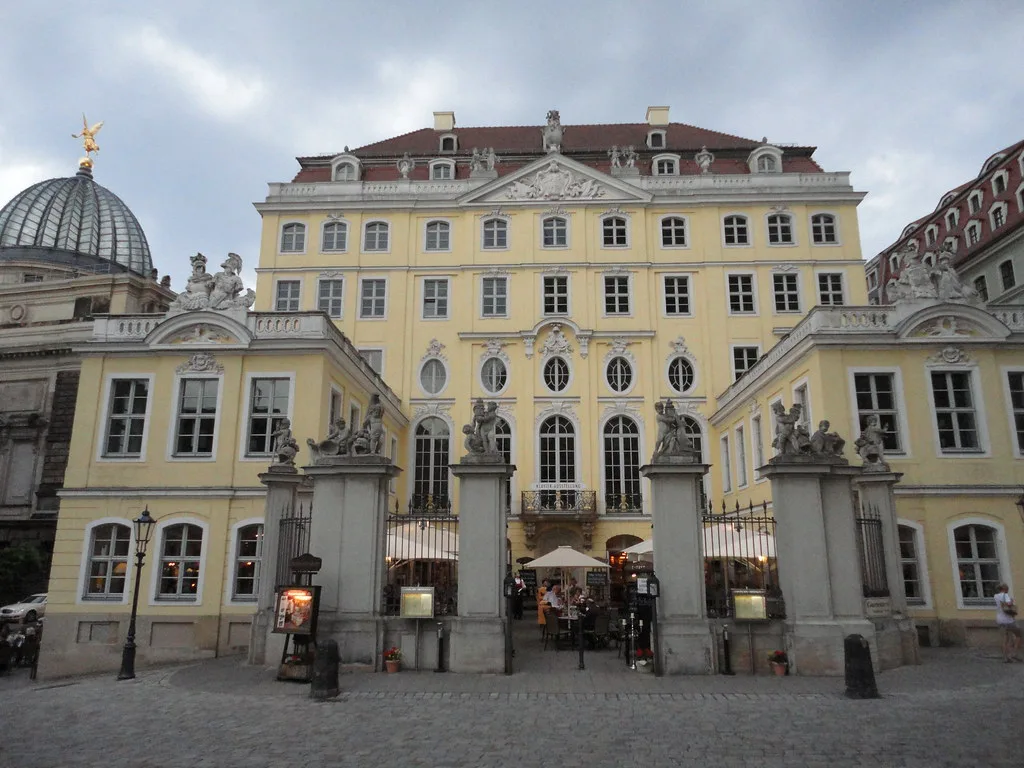
Gasthaus, Wirtshaus and Ratskeller: three rooms, three moods
A Gasthaus is the neighborhood version, often family-run, with wood paneling, a handful of tables and a menu of regional standards. A Wirtshaus works the same way with a slightly broader menu and a more tavern-like feel, sometimes with a beer tap at the center of the room. Neither is a performance for visitors; both reward walking a few streets away from the main squares.
A Ratskeller is the historic restaurant in a town hall cellar, and in Dresden that means vaulted brick, long tables and a menu pitched at a mixed crowd of locals and day visitors. The setting is the point, so expect a wider menu and a busier room than a Gasthaus, and book for weekend evenings when the cellar fills with groups.
A Bäckerei (bakery) and a Konditorei (cake and pastry shop) complete the picture: bakeries open early for breakfast and takeaway sandwiches, while Konditoreien trade through the afternoon and are where you sit down with a slice and a coffee.
Dresdner Christstollen: the city's protected Christmas cake
Dresdner Christstollen is a raisin stollen with a dense, buttery crumb, a coating of powdered sugar and a long history in the city. It was first recorded in a document in 1474 on an invoice from the Christian Bartolomai Hospital, when it was still a plain fasting bake of flour, yeast and water. Butter and milk came later, and the modern cake is defined by raisins or sultanas, butter and clarified butter, candied lemon and orange peel, sweet and bitter almonds, flour, milk, yeast, sugar, lemon zest and a spice mix each bakery keeps to itself.
The cake carries a protected designation of origin, marked by a golden stollen seal and an EU seal, and it may only be made in bakeries and pastry shops in and around Dresden. Members of the Schutzverband Dresdner Stollen, the protection association, submit to a mandatory annual test each October, judged by bakers and confectioners on appearance, smell and taste, with a minimum score required before the seal is allowed. That testing is why the seal tells you something a plain label does not.
The rules also say what cannot go in: no margarine, no artificial flavors and no directly added additives. Each bakery still gives its stollen a personal touch through its spice blend, extra raisins or a second buttering after baking, so two sealed loaves will not taste identical. Stollen appears in cafés, bakeries and restaurants from late November through December.
Eierschecke: the Dresden cake most visitors miss
Eierschecke is Dresden's other signature cake and the one to order if you only have time for one slice. In its classic form it is a quark cheesecake with a layer of pastry cream on top, built on a base of yeast dough or shortcrust, then dusted with powdered sugar. The structure matters: you get a crumb base, a dense tangy quark filling and a softer, smoother cream layer, three textures in one slice.
Quark is a fresh, soft curd cheese with a mild sourness, and it is the ingredient that makes the filling taste like cheesecake rather than custard. Bakers vary the base and the richness of the cream layer, so an Eierschecke in one Konditorei is not the same cake as the next; order a slice where you see it cut on the counter rather than boxed.
Pair it with coffee in the mid-afternoon, when Konditoreien are busiest and the cake is freshest. Both stollen and Eierschecke sit at the center of Dresden food culture, and a single sit-down cake stop costs far less than a second restaurant meal.
What to drink with Saxon food
Beer is the default drink with a German meal in Dresden, and the local pours come from Saxony's breweries rather than the big Bavarian names. A Helles or a Pilsner handles dumplings and dark sauces well, while a darker lager suits Sauerbraten and game in the cooler months. Beer gardens along the Elbe open in the warmer months, and a beer garden lunch of grilled sausage with a beer is one of the cheapest and most pleasant meals in the city.
Order by saying the beer style plus the size, for example ein Helles, bitte, and expect a small and a large format on most drinks lists. Wine is on offer in restaurants and cafés, and if you want a glass with cake rather than a full bottle, ask for it by the glass. Drink moderately if you are driving or cycling, and remember that a lunchtime beer is normal but a long session is not required.
Where a German meal fits your day
Build the day around a big lunch, because a Saxon main at midday is often better value than the same dish at dinner and leaves the evening free. Start with a bakery breakfast of bread, cheese and coffee, sit down for the main meal between noon and early afternoon, then take cake around four. That rhythm also keeps you out of the busiest dinner hours.
If you want one hearty German dinner instead, book a Gasthaus or Ratskeller for the evening and keep lunch light, since a second full plate of dumplings in one day is a lot of food. A beer garden afternoon can replace either meal in summer, with a sausage, a beer and a table by the river.
Budget: what the cheap end of a German menu looks like
The cheapest German meal in Dresden is usually soup, sausage with bread, or the daily lunch plate, and bakeries undercut restaurants for breakfast and lunch on the go. Prices vary by room and season, so read the menu posted at the door before you sit down, and compare the lunch and evening versions of the same kitchen.
Spending more buys you a proper sit-down dinner with table service, a full main and a dessert, and in Dresden the jump is more about the room and the service than about the ingredients. Cake and coffee in a Konditorei sits between the two, and a bakery slice eaten outside costs less than a café table. For a full run of low-cost addresses, use the cheap eats Dresden guide rather than guessing from the street.
Ordering and paying in a Dresden restaurant
To get the bill, catch your server's eye and say die Rechnung, bitte, or Zusammen oder getrennt if you want to pay together or separately. Tipping works by rounding up or leaving a few euros on a small bill, and you tell the server the total you want to pay as you hand over the money rather than leaving it on the table. Service is generally included, so the tip is a gesture rather than a calculation.
Cash still matters in smaller Gasthäuser, bakeries and beer gardens, so carry some euros even if you plan to use a card. Card acceptance is more common in larger restaurants and cafés, but the safe habit is to ask before ordering if you are relying on a card. Many kitchens also close one day a week as a Ruhetag, which is usually posted on the door.
Touristy and local rooms side by side
Restaurants around the Altmarkt and the Frauenkirche draw visitors because they sit next to the sights, and their menus tend to be broader and their prices higher. Walking fifteen minutes into the Äußere Neustadt or the streets behind the main station puts you in rooms where the lunch crowd is local and the menu is shorter. Neither is a mistake; choose by whether you want convenience or a neighborhood feel.
The most reliable sign of a serious kitchen is a menu that changes with the season and a cake counter that sells out by late afternoon. If a place offers a full Saxon spread plus pizza and sushi, expect competence rather than focus, and pick the narrower menu when the choice is close.
Which Dresden meal should you book first?
Book one hearty Saxon lunch in a Gasthaus or Ratskeller, plan a bakery breakfast, and leave an afternoon for Eierschecke and coffee; add a beer garden if the weather holds. That combination covers the cooking, the cake culture and the beer without turning the trip into a restaurant crawl.
For the shortlist of sit-down addresses, start with the best restaurants in Dresden, and use the cheap eats Dresden guide when the budget needs to stretch across more days.
Explore more Dresden guides
Frequently Asked Questions
Is Dresdner Christstollen only sold in Dresden?
It is made exclusively in bakeries and pastry shops in and around Dresden, and it carries a protected designation of origin shown by a golden stollen seal and an EU seal. Loaves sold further afield still come from those bakeries.
What is quark in an Eierschecke?
Quark is a fresh, soft curd cheese with a mild tang, and it forms the dense middle layer of the cake beneath the pastry cream. It is the reason the slice tastes like cheesecake rather than a sponge.
Can I eat a big German lunch and still have dinner?
A Saxon main at midday is substantial, so most visitors keep the evening light with soup, bread and cheese or cake and coffee. If you want a full dinner, make lunch the smaller meal of the day.
Sources
Notes for your next German food trip
Optional updates to our guides.
You might also like
Continue reading
More guides you'll find useful