Dresden Beer: Augustiner Beer Hall and What to Order
Dresden beer planning starts at Augustiner an der Frauenkirche: Helles, Edelstoff, Pilsner, Dunkel, Weißbier and strong seasonal beers, with what to eat alongside.
On this page
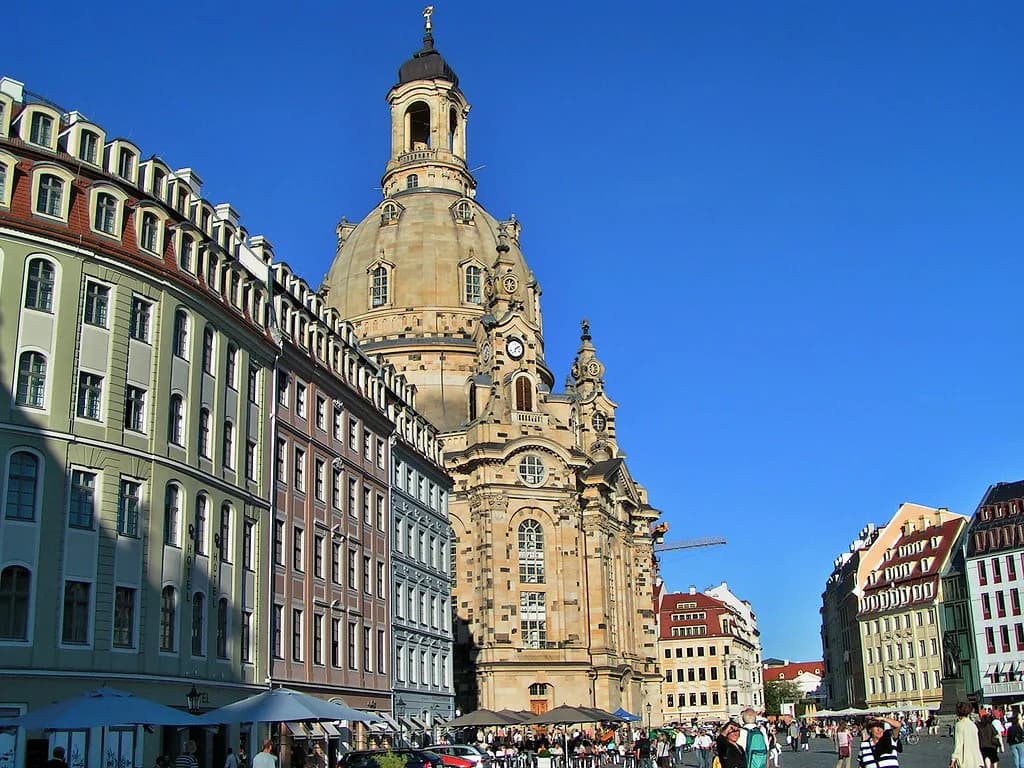
For Dresden beer, the surest single stop is Augustiner an der Frauenkirche in the Altstadt, a Munich-brewery beer hall with a full range of house pours. It sits at An der Frauenkirche 13, a short walk from the church itself, and serves daily from 11am to midnight.
This guide works through the Augustiner beer list the way you actually order: style first, then food, then the practical business of table service and paying. Strength matters more than most visitors expect, because the range runs from a soft 5.2% Helles to a 7.5% Doppelbock.
Augustiner an der Frauenkirche and its beer list
Augustiner an der Frauenkirche is a Munich-brewery beer hall in Dresden's Altstadt, so the beer list follows the Munich range rather than a local Saxon brewery. That split matters when you choose: the pale, softly malted lagers are the house strength, while the Pilsner is the bitter, hop-forward option on the same menu.
If you only have one evening for beer in Dresden, treat the style choice as the main decision and the venue as secondary. A Pilsner drinker who wants hop bite should order the Augustiner Pilsner; someone who wants the classic Munich beer-hall experience orders Helles or Edelstoff. The rest of the list is for mixing across a meal, not for racing through.
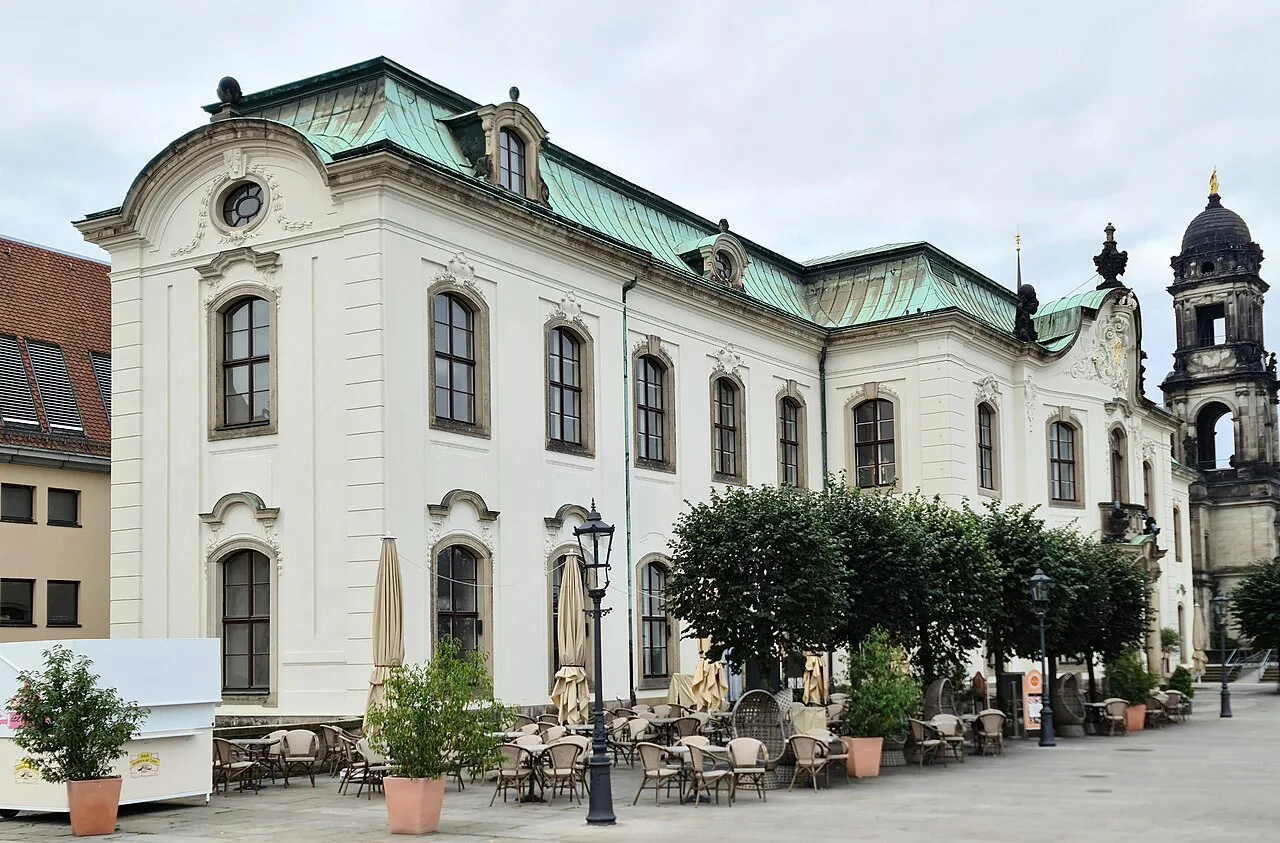
Augustiner an der Frauenkirche: the beer list, what to order, and what to eat with it
The beer hall is the Dresden outpost of Augustiner, Munich's oldest brewery, and the menu is built around that brewery's range. The core pours are Helles, Edelstoff, Pilsner, Dunkel and a bottle-fermented Weißbier, with the darker and stronger beers rotating in season. Address and contact details are on the brewery's Dresden page.
Order the Helles if you want the easiest glass of the evening: 5.2% alcohol, brewed with a long maturation in wooden barrels, and smooth enough to drink alongside most of the menu. The house pairs it with Leberkäse, a baked meatloaf served warm, or crisp roast pork. Edelstoff, at 5.6%, is the pale export beer and suits richer plates such as duck or Wiener Schnitzel.
The Pilsner is also 5.6% and built on aromatic hops, so it brings the bitterness that Saxon drinkers expect; the kitchen suggests Obatzda, the Bavarian cheese spread, or grilled chicken. Dunkel, a malty dark lager at 5.6%, is the better match for Sauerbraten, the sweet-sour braised beef, and for chocolate cake. The Weißbier comes only in bottles, amber and gently aromatic at 5.4%, and works with Bavarian veal sausage or a light plate of Camembert.
For a fuller meal in the same hall, pork knuckle and roast chicken both appear as recommended partners on the beer list. If you want to compare the Augustiner room against other kitchens in the city, the guide to the best restaurants in Dresden covers the wider spread.
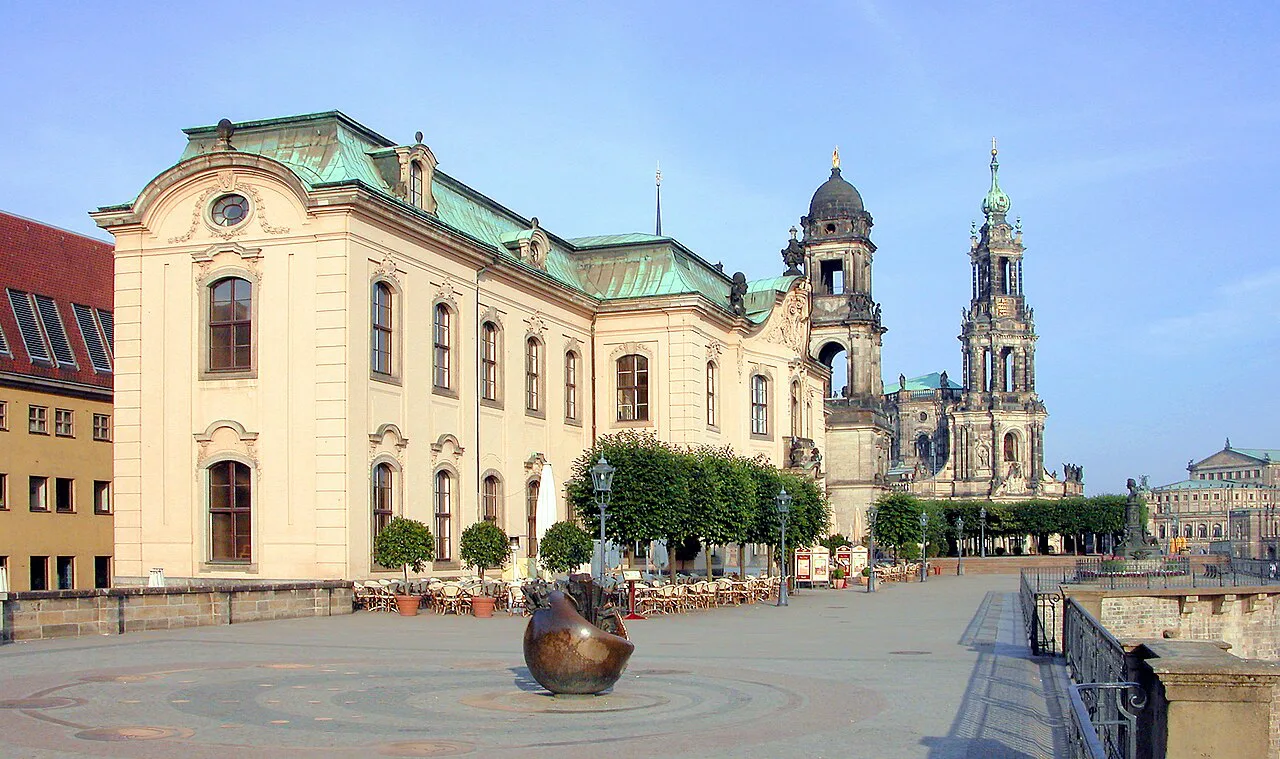
Helles, Edelstoff, Pilsner, Dunkel and Weißbier side by side: how to choose your glass
Think in three tiers rather than five separate beers. Helles is the softest and lightest at 5.2%, Edelstoff and Pilsner sit at 5.6% with more body or more hop bite respectively, and Dunkel and Weißbier are the flavor detour at 5.6% and 5.4%. A table that orders one of each gets a proper tasting without anyone finishing a strong beer by accident.
A practical sequence is Helles first, Pilsner with the main course, and Dunkel last if you want something sweet-adjacent with dessert. Drink water alongside, particularly if you plan to move on afterward, and keep the strong seasonal beers for a table that is staying put.
Strong and seasonal beers: Maximator, Heller Bock and Oktoberfest beer
Three Augustiner beers appear only at certain times of year, so a visit in the wrong month may not find them at all. The Oktoberfest beer, a long-cellared brew at 6.3%, arrives in barrels for the Munich festival season and is served with veal sausage, pretzel, roast chicken or Obatzda.
Maximator is a dark Doppelbock of monastic origin at 7.5%, brewed for the colder months, and the kitchen matches it with chocolate cake or Sauerbraten. The Heller Bock is the spring strong beer, pale and finely hopped at the same 7.5%, and the brewery announces the start of bock season on its website. Treat any 7.5% beer as a single slow glass with food, not a session beer.
Where Augustiner sits in the Altstadt and how an evening works
The hall sits at An der Frauenkirche 13 in the Altstadt, a short walk from the church itself. Arriving on foot is the sensible plan, since the address puts you close to the river and the main squares.
The venue runs as a full restaurant rather than a standing bar: it opens daily from 11am to midnight, the kitchen serves until 10:30pm and drinks until 11:30pm. That gives a comfortable window for a two-course meal with beer, but it is not a late-night stop. The brewery's page notes that the phone is not always answered during service, so use the contact form for planned visits.
If beer is one part of a broader eating plan, the German Restaurants in Dresden guide helps you place a beer-hall dinner alongside the city's other traditional kitchens.
Ordering and paying at Augustiner Dresden
Augustiner an der Frauenkirche is a full beer hall with a kitchen, not a standing bar, so plan your evening around a seated meal. Its published hours run daily from 11am to midnight, with the kitchen open until 10:30pm and drinks until 11:30pm.
Because the beer list runs up to 7.5%, decide early who is ordering the strong pours so the table's pace stays comfortable. Arrive before the kitchen closes at 10:30pm if you want food with the beer, and keep the drinks order inside the 11:30pm cut-off.
The Augustiner beers and what to eat with them
Augustiner's own beer definitions frame the choice: Helles is smooth and quaffable, Edelstoff is mellow yet tangy, Pilsner is effervescent and finely hoppy, and Dunkel is malty and spicy. Knowing this stops the disappointment of ordering a Helles expecting hop bite, or a Pilsner expecting softness. Order the Augustiner Pilsner when you want the most bitter beer on the list.
If you want food that stands up to a bitter beer, look beyond the beer list. The cheap eats Dresden guide is useful for a lighter lunch before an evening of lagers, and Vegan and Vegetarian Food in Dresden covers plant-based plates if your group is split.
Which beer should you order first?
Start with the Augustiner Helles if you want the gentlest introduction at 5.2%, or the Pilsner if you want the most hop-forward style on the list. Pair either with Leberkäse or roast pork, and leave Edelstoff, Dunkel and the Weißbier for a second round if the table is staying for dessert.
If your visit lands in the colder months or in spring, ask whether Maximator, Heller Bock or the Oktoberfest beer is on, and share one 7.5% glass rather than ordering a round. For broader eating options around the Altstadt, the best restaurants list is the natural next read, and Dresden Attractions: 9 Visitor Guides gives context for the square you will be sitting beside.
Explore more Dresden guides
Frequently Asked Questions
Do I need to book a table at Augustiner an der Frauenkirche?
The Dresden page notes that calls are not always answered during busy service and directs planned requests to its contact form. Use that form for planned visits, especially for weekend evenings and larger groups.
Is there a beer style in Dresden for people who don't like bitter beer?
Yes. The Augustiner Helles at 5.2% is described as smooth and quaffable, and the Dunkel is malty and spicy. Ask for one of those if a Pilsner tastes too bitter.
How strong are the seasonal beers?
The Oktoberfest beer is 6.3%, while Maximator and Heller Bock both reach 7.5%. They are best treated as one slow glass with food rather than a full evening's drink.
Sources
Notes for your next German food trip
Optional updates to our guides.
You might also like
Continue reading
More guides you'll find useful