Nuremberg Rotbier: What Red Beer Is and Where to Drink
Nuremberg Rotbier is the city's historic red beer, revived by Altstadthof. Learn why it is red, what to order, and where to taste it in the old town.
On this page
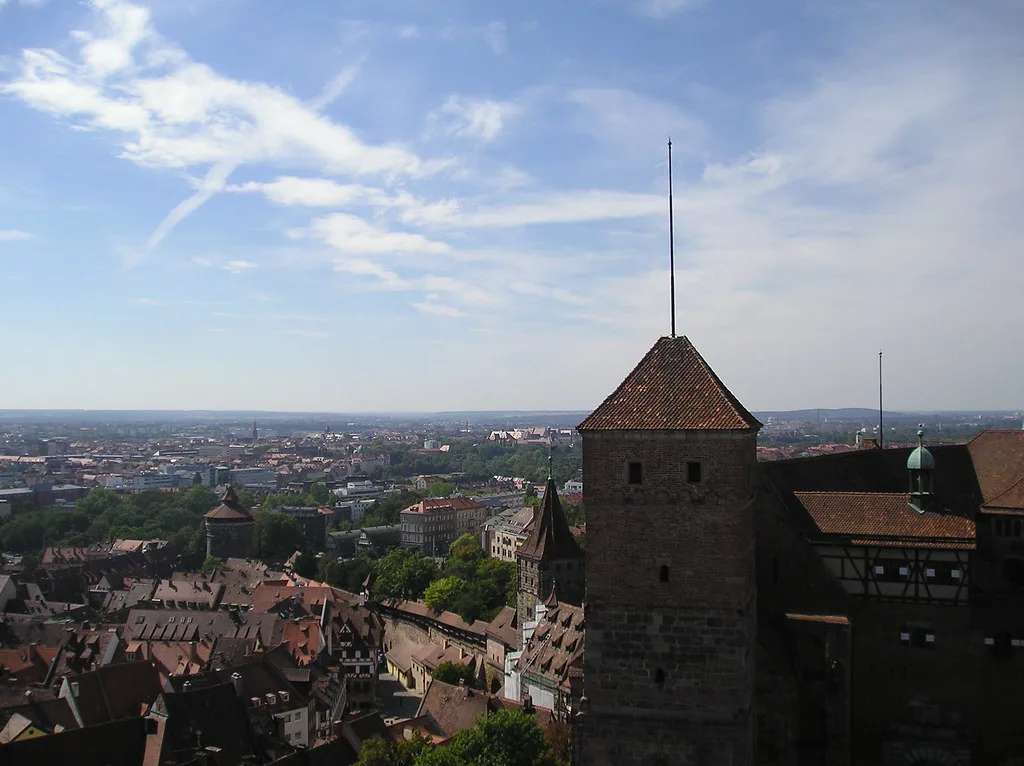
Nuremberg's red beer is called Rotbier, and the easiest place to taste the revived version is the Altstadthof brewery on Bergstraße, just below the castle. The style is a dark amber lager with caramel sweetness rather than hop bite, and it is the one local beer to order if you only have time for a single glass. This guide covers why the beer is red, how Nuremberg's brewing history shaped it, and which old-town addresses pour it.
What Nuremberg Rotbier Is: A Red Lager With a Medieval Pedigree
Rotbier is a bottom-fermented beer brewed from malt that has been dried hard enough to turn deep copper, which is where the color and the name come from. In the glass it reads as chestnut to ruby rather than the straw gold of a Helles, and the flavor tends toward caramel, toffee, and a little milk chocolate instead of citrusy hops. It is a malt-forward beer, so order it before a delicate pilsner rather than after one.
Nuremberg does not have the brewery density of Bamberg or Munich, but it has its own indigenous beer in Rotbier and a set of taverns and Hausbrauereien that serve it. That makes the beer a practical anchor for an eating day in the old town: you can drink the city's signature style and eat the city's signature sausage in the same afternoon. The beer and the food belong together more than either does alone.
Why Nuremberg's Beer Is Red: The Malt-Drying Story
The red color came out of the drying method. Nuremberg brewers dried their barley malt so intensively that the grain took on a deep roasted color, and the beer fermented from it came out red instead of pale. That is a technical difference rather than a cosmetic one: a hotter kiln pushes the malt toward toast and caramel flavors, which is exactly what a modern Rotbier tastes of.
Because the color sits in the malt and not in a flavoring, the beer's appearance tells you something real about how it was made. Order a Rotbier next to a pale Helles and a black Schwarzbier and you have the whole roasting range in three glasses. The middle glass, the red one, is the one that belongs to this city.
The 1303 Rule That Shaped Nuremberg Brewing Before the Purity Law
Nuremberg's city council ruled in 1303 that only barley malt could be used for brewing, roughly two centuries before the Bavarian Purity Law. Read that as a local quality rule for Nuremberg, not as the Reinheitsgebot itself; the point is that the city was regulating its beer unusually early. It helps explain why the local style was built on carefully dried barley rather than wheat or other grains.
The same rocky ground that gave the city its cellars shaped how the beer was stored. Brewers cut passages into the castle hill for maturing and keeping beer cool, and the first of these went in as early as 1380. Red beer and underground cellars grew up together in Nuremberg, which is why a cellar visit is a sensible companion to a glass of the stuff.
How Rotbier Disappeared and How Altstadthof Brought It Back
Rotbier dominated the local market for centuries before falling out of fashion and then out of production altogether, and for a long stretch the style existed only on paper. The Altstadthof, a small house brewery in the old town, was part of the first wave of German Hausbrauereien that pushed back against the big conglomerates, and it was at the forefront of reviving the medieval red beer. Today it is the standard reference point for tasting the style in the city.
That revival matters to a visitor because it turns a piece of brewing history into something you can actually order. You are not drinking a museum reconstruction from a bottle with a long label; you are drinking a beer brewed on site in a working old-town tavern. If you want the wider picture of who brews what in the city, the guide to breweries in Nuremberg covers the rest.
Drinking Rotbier at Altstadthof: What to Order and What to Expect
Start with the taster set if you want to understand the range in one sitting: it typically brings a Kellerbier, the Rotbier, and a Schwarzbier side by side. The Rotbier tends sweet and caramel-heavy, and the Schwarzbier brings coffee and dark chocolate, so the contrast is easy to taste without any explanation. If you want one full glass, make it the Rotbier, since that is the beer this city owns.
The room is a cross between a brewpub and a Central European tavern, with dark wood paneling and arched windows, and it gets cozier after dark when the lights go down. There is also a Rote Weiße, a wheat beer that borrows Nuremberg's red malt, which is the pick if you prefer something softer and fruitier than the lager. Portions and pours are standard Franconian sizes, so pace yourself if you plan to eat afterward.
The Rotbier Tour in the Historic Rock Cellars: What Happens and Who It's For
The Historische Felsengänge runs a guided walk called Red Beer in Deep Cellars that uses the original underground passages to tell the story of Nuremberg brewing. It ends at the Altstadthof next door with a small guided tasting of the revived red beer, plus a look at the whisky warehouse where red beer malt is also used. Book it as a history tour with a drink at the end, not as a bar crawl.
Practical shape: the tour runs about sixty minutes, meets at Bergstraße 19 in front of the brewery shop, caps at twenty people, and requires participants to be at least sixteen. Tap water is not the only option if someone in your group does not drink, because the tasting sample can be poured as a non-alcoholic drink for a small extra charge. Tickets, current start times, and reduced rates are on the Historische Felsengänge booking page.
Rotbier vs. Other Franconian Beer Styles: A Quick Taste Comparison
Put Rotbier next to a Franconian Kellerbier and the difference is mostly malt: the Kellerbier is paler, yeastier, and often a touch hoppier, while the Rotbier leans toasted and sweet. Against a Schwarzbier, the red beer is lighter in roast and more caramel-driven, so it suits a long table session better than a heavy dark lager does. And a wheat beer, including the Rote Weiße, will feel softer and fruitier than any of the lagers.
For a broader survey of German beer styles and where they come from, read the Germany-wide beer styles guide before you order, so a menu in Franconian dialect does not slow you down. The short version for Nuremberg: Rotbier is the local red lager, and it is the one to order when you want the city in a glass.
Where Else to Find Rotbier and Franconian Beer in Nuremberg
Along Bergstraße, climbing toward Tiergärtnertor and the castle, there is a cluster of drinking spots worth knowing. Café-Bar Wanderer, at the foot of the Kaiserburg, pours a strong selection of Franconian beers and spreads tables outside in good weather with a view toward the Albrecht Dürer Haus and the comings and goings on Tiergärtnertorplatz. Its sister Bieramt, in a former coachman's house, opens later in the day, and the entire operation shuts for January and February.
Wirtshaus Hütt'n, across from the Altstadthof, looks modest from outside but keeps a beer list heavy on regional breweries, including bottlings from Landwehr in Rothenburg and Brauerei Reh east of Bamberg. It is a talk-to-strangers kind of place, not a quiet pint, so choose it when you want conversation with your beer. The shorter version of this old-town eating map lives in the best restaurants in Nuremberg guide.
Farther from the center, Schanzenbräu Schankwirtschaft and the Landbierparadies taprooms widen the choice well beyond red beer. If you mainly want tables, plates, and a bit of atmosphere rather than a history lesson, browse the traditional German Restaurants in Nuremberg list and pick by neighborhood. Budget travelers can cross-check the cheap eats in Nuremberg shortlist before committing to a full sit-down dinner.
Pairing Rotbier With Nürnberger Bratwurst and Schäufele
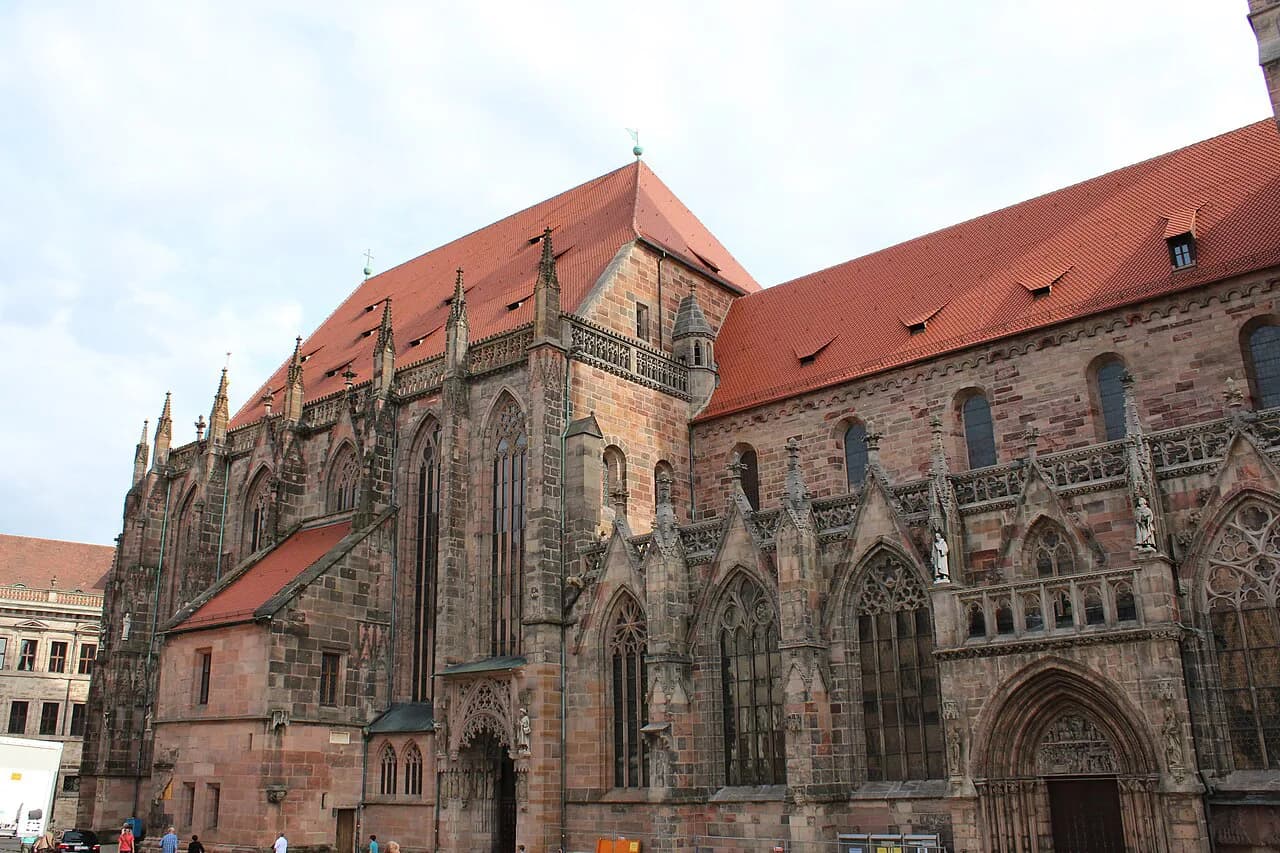
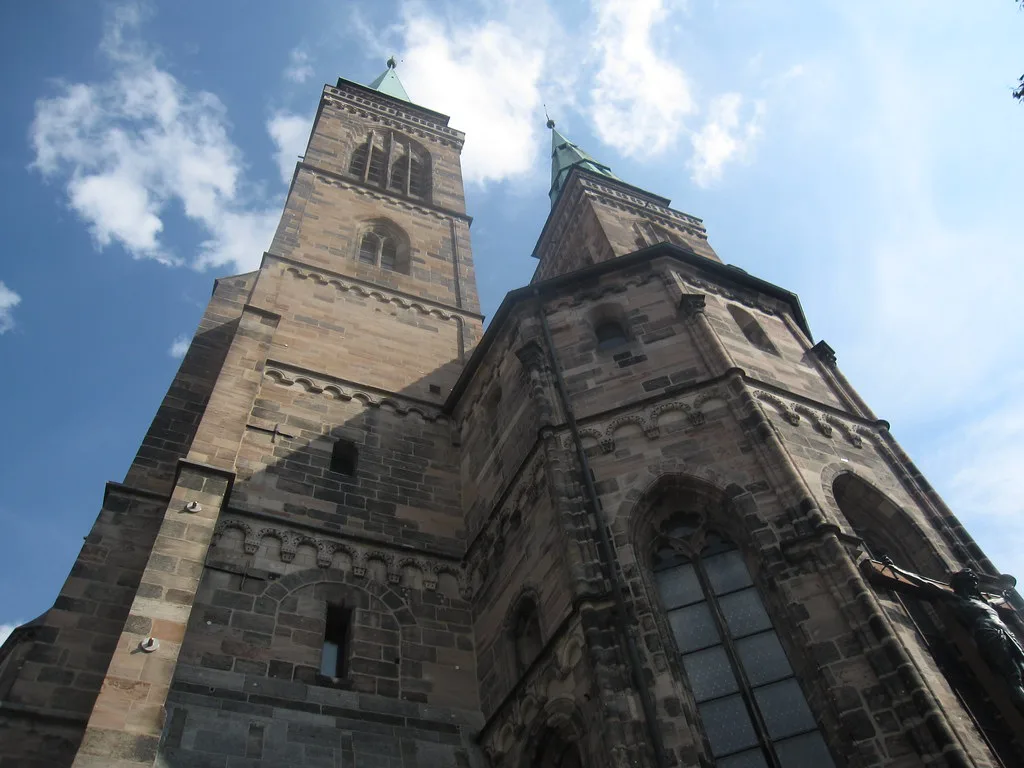
The classic match is Nürnberger Bratwurst, small grilled sausages served in portions of six, eight, or more, often on a pewter plate with sauerkraut or potato salad. Bratwursthäusle, a rustic tavern in the shadow of the Sebaldus Church, grills them over charcoal all day, and the smoke from the chimney is the signal. Its beer list leans on Tucher, so if a Doppelbock is on, that is the stronger partner for the sausage.
Schäufele, the hearty Franconian pork shoulder with a crisp crackling crust, is the other dish to know, and its richness holds up to the caramel malt of a Rotbier far better than a light pilsner would. Order it at a traditional tavern and keep the red beer as the pairing rather than an aperitif. For a meat-free table, the vegan Nuremberg guide covers the alternatives, and breakfast in Nuremberg is worth sorting before an early start.
Is Nuremberg Rotbier Worth Seeking Out? An Honest Take
Yes, if you want a beer that is genuinely local and comes with a story you can taste. It is not a hop-forward beer and it will not convert anyone who drinks only crisp pilsners, so treat it as a malt beer and order accordingly. The trade-off is that the style is scarce outside the city, so drink it here rather than saving it for later on your trip.
Skip the fuss if you are short on time and only want one stop: go straight to the Altstadthof, order the taster set, and eat bratwurst nearby. Add the cellar tour only if you like guided history with a tasting at the end. Either way, the red beer earns its place as the city's signature pour.
Rotbier or a Franconian Tavern Crawl?
Pick Rotbier first if you want the one beer that belongs to Nuremberg, and build the day around the Altstadthof and a plate of bratwurst on Bergstraße. Choose the cellar tour if you want the history underneath the glass, or a tavern crawl through Hütt'n and the Franconian taps if you would rather compare styles at the table.
Sources
Notes for your next German food trip
Optional updates to our guides.
You might also like
Continue reading
More guides you'll find useful