Breweries in Nuremberg: Where to Drink and Decide
Nuremberg's brewery scene runs on Rotbier, a copper-colored local specialty. Learn what it is, where to taste it, and how the beer cellars shaped the city.
On this page
The brewery to know in Nuremberg is Hausbrauerei Altstadthof, a house brewery on Bergstraße in the old town that keeps Nuremberg's copper-colored Rotbier in production and serves it on site. Rotbier is the local specialty to order: a reddish beer whose color comes from red specialty malt, drunk in this city since the early Middle Ages.
What follows covers the style itself, why Nuremberg ended up with a sandstone cellar labyrinth under its castle hill, and how to plan a stop at the brewery's taproom or its restaurant. If you want a fuller eating plan around the beer, the best restaurants in Nuremberg covers the wider table.
What Nuremberg Beer Is: Rotbier Explained
Rotbier is a Nuremberg specialty with a copper-red color, and that color comes from red specialty malt rather than from fruit or coloring. The style has been drunk here since the early Middle Ages, which makes it the historical anchor of the city's beer identity rather than a modern craft experiment.
Order it as your first glass in any Nuremberg brewery that brews one, because it is the beer that tells you where you are. The local description of the Altstadthof version is malty and soft in flavor, a rounded beer rather than a sharp, hop-forward one, so expect something drinkable rather than aggressive.
Why Nuremberg Brewed So Much Beer: The Sandstone Cellars Under the Burgberg
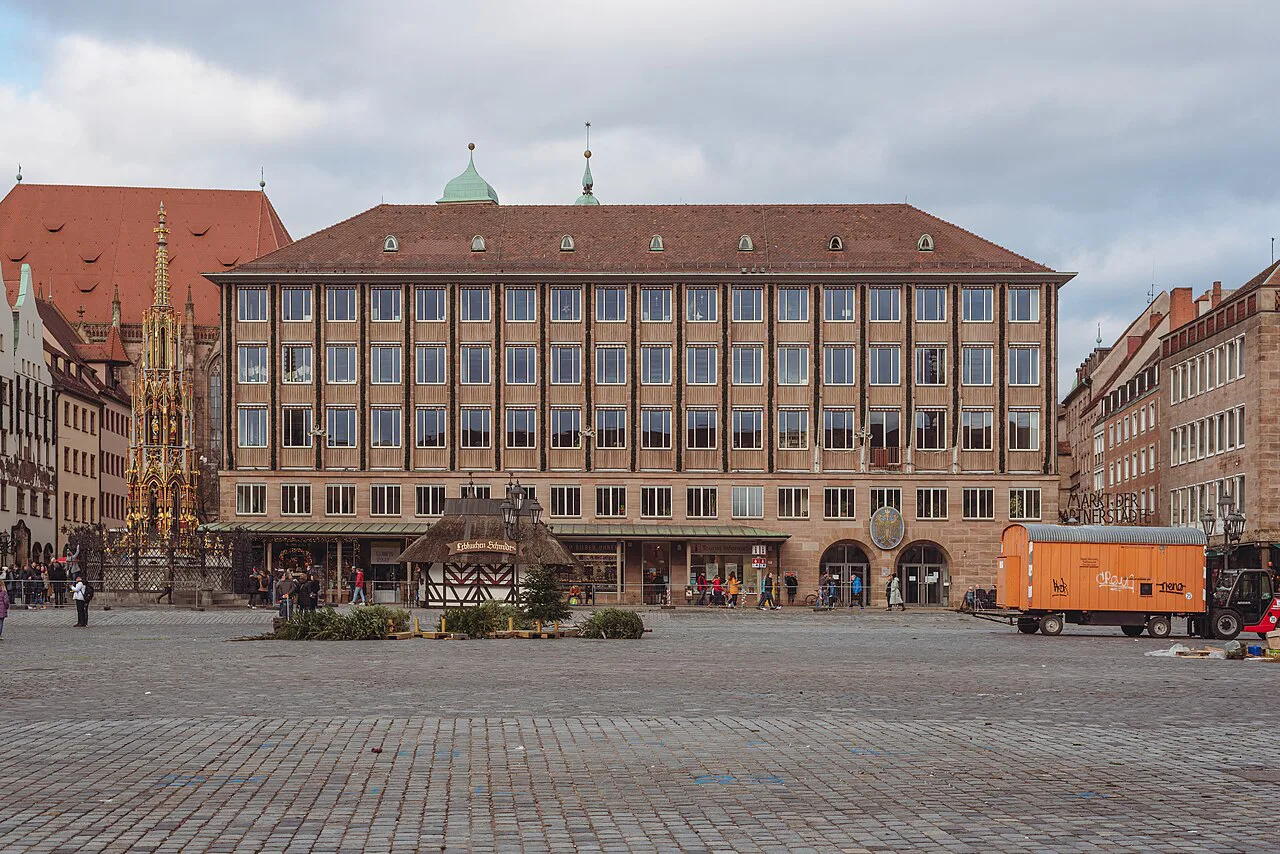
Nuremberg had more than 40 breweries at the end of the 14th century for a population of not quite 30,000, and a city-council rule required anyone who wanted to brew and sell beer to own a cellar for storing and fermenting it. That rule pushed the city underground: centuries of digging carved a labyrinth of beer cellars and water channels out of the sandstone beneath the Kaiserburg.
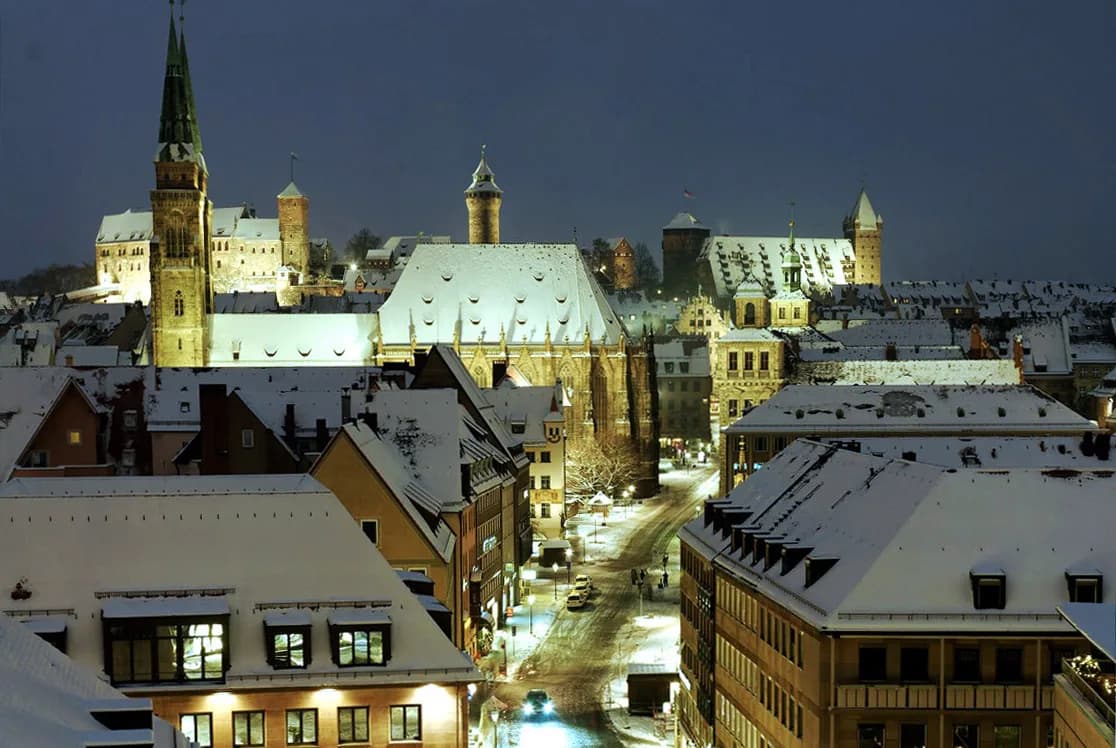
The stone that shapes the city above ground is the same sandstone the cellars were cut from, so the reddish buildings of the old town and the tunnels under the castle hill are two sides of one geology. Summer cooling was the original reason for the deep cellars, and the city's beer history is inseparable from that underground architecture.
If you only have time to look up at the castle, you miss half the story. Treat the cellars as the context for the glass in your hand, which is why a beer stop here works better when you understand what was stored below.
Hausbrauerei Altstadthof: The Rotbier Brewery on Bergstraße
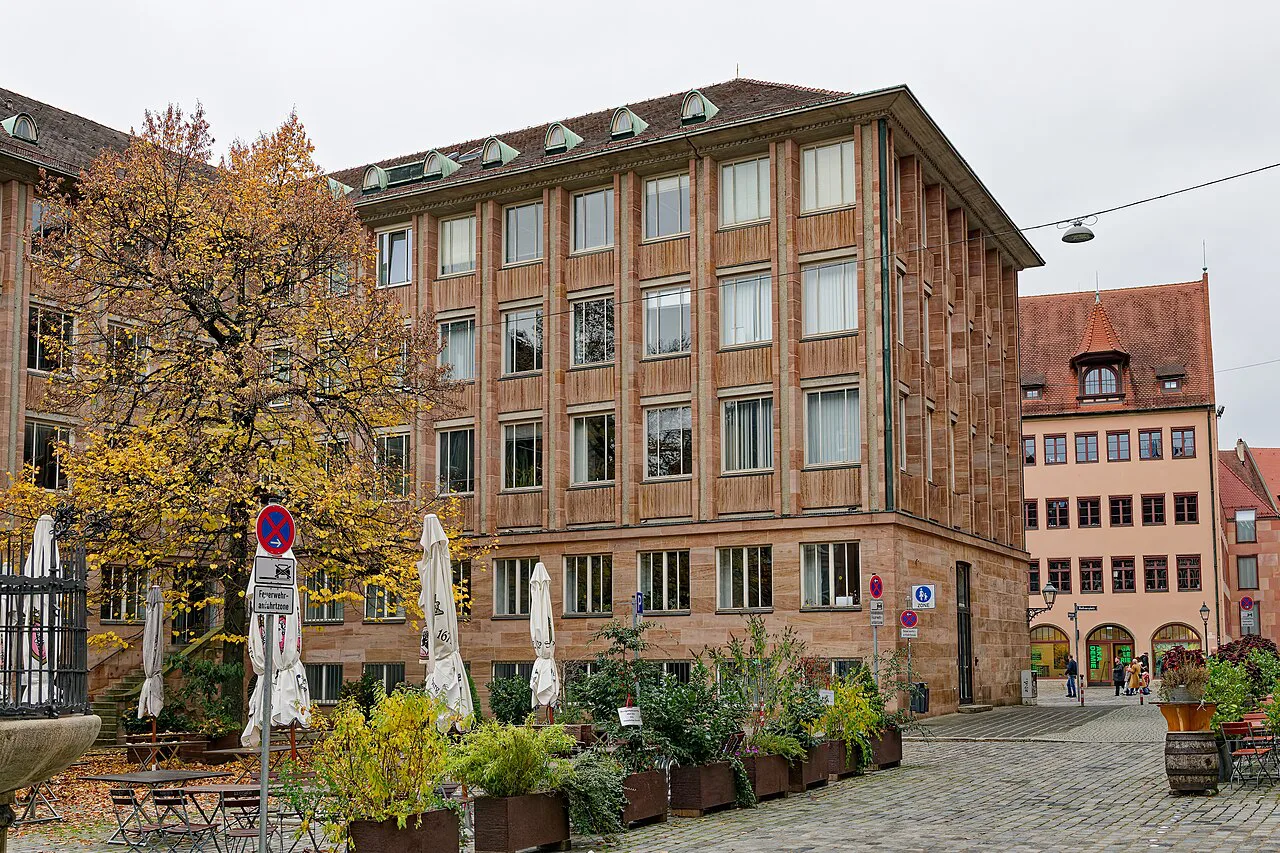
Hausbrauerei Altstadthof sits at Bergstraße 19, 90403 Nürnberg, in the old town below the castle, and describes itself as a Rotbier brewery and whisky distillery. It has been a house brewery since 1984 and still uses part of the historic cellar labyrinth for storing and maturing its specialties.
Alongside Rotbier the house produces specialty beers and an organic single malt whisky, which is where the venue's identity runs in two directions at once: beer in the taproom, spirits from the same address. A visit to the historic rock passages can be combined with a look at the brewery and a taste of the traditional Rotbier, so the brewery and the cellars work as one outing rather than two separate errands.
What to Order at Altstadthof: Rotbier First
Start with the Rotbier. It is the house's signature and the reason the address matters for a beer-focused trip, and drinking it on Bergstraße is the shortest route to understanding the local style.
After that, the specialty beers are the natural second round if you want to compare the house range, and the organic single malt whisky suits anyone who wants to finish on spirits instead of another beer. Keep the pace moderate: these are full-flavored drinks and the point is tasting, not volume.
Altstadthof's Taproom, Restaurant and Summer Garden
The brewery runs several drinking and eating spaces under one operation. The Bräustüberl is the taproom where the house beers and whisky are served, the Restaurant Bühne is a two-level event and dining space for groups of roughly 35 to 90 people, and a Sommergarten covers the outdoor warm-weather side.
Franconian cooking comes out of the house's own fresh kitchen, and the brewery's own material describes it as uncomplicated Franconian fare alongside the beer and spirits. Expect the taproom to be the natural place to pair a Rotbier with a plate from that kitchen.
If you want the brewery stop to sit inside a broader day of Franconian cooking, our guide to traditional German restaurants in Nuremberg pairs well with this one. The brewery is the beer anchor; those are the tables to build the rest of the evening around.
How to Book a Table at Altstadthof
The brewery takes table reservations and booking requests by phone and email through the contact details on its site, and the Bühne room is explicitly offered for reservations and events. For a group, that matters: the room is built for larger parties, so booking ahead is the sensible move rather than turning up with a crowd.
For a table for two in the taproom or the summer garden, book if your evening falls on a weekend or a peak season, and simply walk in at quieter times. Ask which room your booking is for, since the Bühne, the taproom and the garden give quite different evenings.
Beer Cellars and the Historische Felsengänge: The Underground Side
The Historische Felsengänge are the underground rock passages and beer cellars beneath the Burgberg, opened to visitors as a museum-style attraction that tells the story of Nuremberg brewing. The cellars were cut over centuries into the sandstone under the Kaiserburg, alongside channels built to capture and route water.
Go below if you want the physical context for the beer: the cold, carved cellars explain why a medieval city with a strict brewing rule could support dozens of breweries. Tours and entry to the Historische Felsengänge are run through Nuremberg's Congress- und Tourismus-Zentrale, so confirm times and tickets with the tourist office before you build a day around them.
Drinking Nuremberg Rotbier Beyond the Brewery
Rotbier turns up beyond the brewery that brews it, which is useful if you want to compare versions or simply find a glass without planning a full brewery visit. Order it by name, because a generic dark or red beer on a menu is not automatically the Nuremberg style.
If the budget is tight, keep the beer stop as the one splurge of the day and eat cheaply around it; our cheap eats Nuremberg guide covers the practical end. For anyone skipping meat-heavy Franconian plates, vegan Nuremberg options let you keep the brewery visit and still eat to your own rules.
A late morning in the taproom works well before a long walk, and if you would rather start with food, breakfast in Nuremberg covers the earlier slot. Either way, a Rotbier is best treated as a single well-chosen glass in a day of Franconian eating, not as a session.
How Nuremberg Fits Into Franconian Beer Culture
Nuremberg is one of the bigger cities in Franconian beer country, and its brewing history stands out: a medieval rule that tied brewing to cellar ownership, a sandstone cellar labyrinth under the castle hill, and a house brewery still making the local Rotbier style. That combination is unusual, because the city's beer story is visible both above ground and below it.
Plan a brewery visit as a beer-and-food stop rather than a tour of many breweries, then use the rest of your day on the old town around Bergstraße and the castle hill. The copper color of the beer and the red sandstone of the buildings come from the same palette, and drinking a Rotbier in sight of the Burgberg is the most direct way to feel the connection.
Is a Nuremberg Brewery Stop Worth It?
Yes, if you want one beer that is genuinely local. Hausbrauerei Altstadthof gives you the Rotbier, the taproom, and the cellar history in one address on Bergstraße, with a restaurant for groups and a summer garden for warm evenings.
Book for the Bühne or a weekend table, walk in for a quiet afternoon glass, and pair the visit with the Historische Felsengänge under the castle if the underground story appeals. For the rest of your eating plan, start with the best restaurants in Nuremberg and work outward from there.
Frequently Asked Questions
What beer is Nuremberg known for?
Rotbier, a copper-colored beer whose red tone comes from red specialty malt. It has been drunk in the city since the early Middle Ages, and Hausbrauerei Altstadthof on Bergstraße brews and serves it today.
Do I need to reserve a table at Hausbrauerei Altstadthof?
The brewery takes table reservations and offers its two-level Bühne room for larger groups, so booking ahead is wise for weekends or parties. For a spontaneous afternoon beer, walking in is often fine, and you can confirm availability by phone or email.
Can I visit the beer cellars under Nuremberg's castle?
The Historische Felsengänge are the historic rock passages and beer cellars beneath the Burgberg, and they can be visited as an attraction that explains the city's brewing past. Entry and tours are handled by Nuremberg's tourist office; check current details before you go.
Sources
Notes for your next German food trip
Optional updates to our guides.
You might also like
Continue reading
More guides you'll find useful