Düsseldorf Food Tours Compared: Which Route Fits Your Trip
Compare Düsseldorf food tour styles, from guided tasting walks in Flingern Nord to self-paced options, and see which route fits your day.
On this page
A Düsseldorf food tour is a guided walk through a single neighborhood with tastings at several stops, and the samples usually replace a full meal rather than topping one off. That matters when you plan the rest of your eating day: a tasting walk booked for late morning or early afternoon leaves room for a proper dinner but not for a second big lunch. This comparison splits the market by neighborhood and format, and if you want the dish-by-dish background first, start with our guide to Düsseldorf Food.
Two operators dominate what is bookable online. Auf ins Viertel runs neighborhood walks including a Flingern Nord tour with several tastings, and Eat the World sells food walks across Düsseldorf's central districts alongside self-guided day formats. The choice that shapes your afternoon is less about the company than about which quarter you walk through.
What a Düsseldorf food tour actually is
Guided tasting walks here follow the same basic pattern: a small group, a local guide, and a route of roughly two to three hours through one district with four to five stops. The tastings are portioned as samples, and on Eat the World's Düsseldorf routes they are sized to replace one meal overall. Book accordingly: a 3 p.m. walk can stand in for dinner, while a midday one still leaves you hungry by evening.
The route is the real content. A tour belongs to a neighborhood, not to the city as a whole, so you spend the time on a handful of streets and a couple of owner-run shops rather than hopping between landmarks. That is also why two tours in the same city can feel completely different.
Expect walking between stops with food at each one, so comfortable shoes matter more than a big appetite. Groups are typically booked in advance, and private formats exist for teams and celebrations.
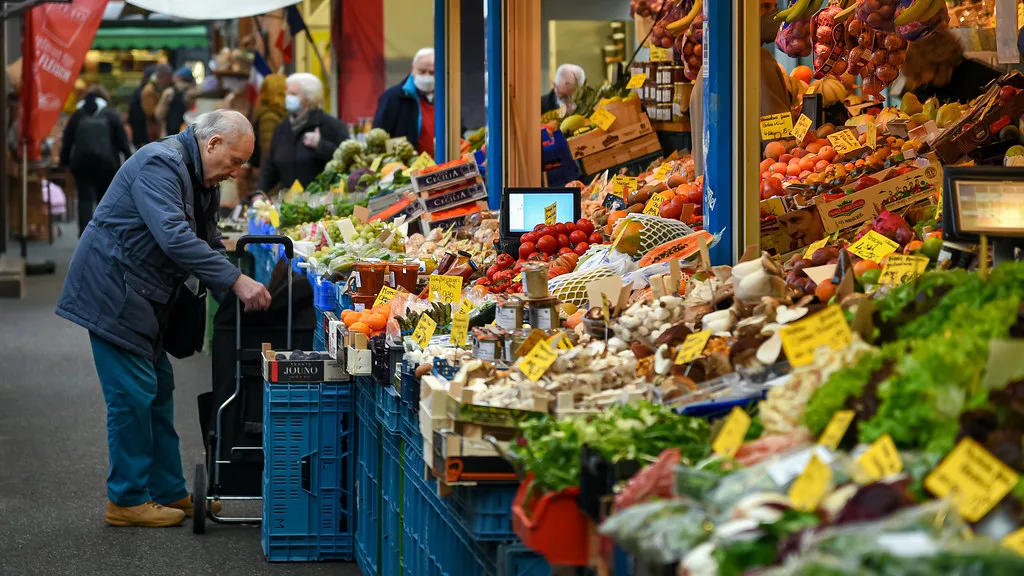
Guided tasting walk in Flingern Nord: what the route covers and who it suits
Flingern Nord is the converted-worker-quarter route: former industrial streets that now hold studios, creative businesses and small food shops. Auf ins Viertel's walk frames the district through that shift from working neighborhood to creative hotspot, with selected tastings and background on how the quarter changed. If you want the Düsseldorf that locals argue about rather than the postcard one, this is the route to take.
Eat the World's team format through Flingern describes stops such as a French bistro and a Vietnamese delicatessen stall, which gives you a sense of the mix rather than a single regional menu. The walking is urban and flat, and the district sits east of the center, a short tram ride from the Altstadt. Come curious about contemporary food rather than expecting an Altbier-and-roast-lunch circuit.
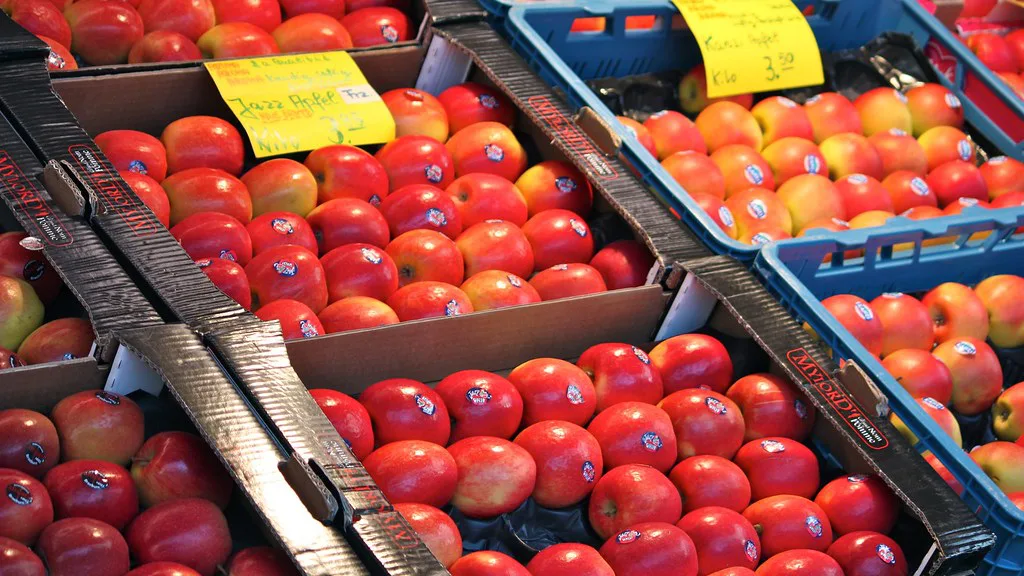
Bilk and Pempelfort: the neighborhood character and tasting stops
Bilk, south of the center, is the student-and-family quarter, and Eat the World's description of its route includes a vegetarian snack counter and a juice bar among the stops. It suits mixed groups and anyone who wants a lighter, more everyday tasting line-up than a sequence of heavy dishes. The neighborhood feel is residential, so you are eating where people actually live.
Pempelfort, north of the Altstadt, is described as the hipper of the central quarters and appears in the same portfolio of Düsseldorf routes. Its advantage is distance: you can walk from the Rhine promenade into the quarter and back without a tram. Choose it if you want a tasting walk that stays close to the classic center.
Routes that head into the Altstadt and Carlsplatz
The Altstadt is the densest eating district in the city, and a tasting walk there is less about discovery and more about navigation: which of the many brewery taps and counters to prioritize. Auf ins Viertel lists a Carlsplatz route as well, which makes sense because the market hall and its surrounding stalls are the city's single best grazing ground.
Benrath, in the south, is the outlier: Eat the World's Düsseldorf team routes mention an ice-cream café and a traditional pub there, a slower, more local register than the center. It works if you are already staying in the south or want a route with fewer visitors around you. For most first-timers, though, the center and Flingern deliver more variety per hour.
Flingern Nord versus Bilk versus Altstadt: which to pick first
Pick Flingern Nord if you have already seen the Altstadt and want the contemporary food scene with design and studio streets around it. Pick Bilk or Pempelfort if you want a central, walkable route with a mixed group and lighter tastings. Pick the Altstadt and Carlsplatz if this is your only food-focused afternoon and you want the classic Düsseldorf table within walking distance of the Rhine.
A second visit is the moment for Benrath or a longer day format, when you no longer need the greatest hits. If your group includes vegetarians, Bilk's described stops are the friendliest of the routes above. Anyone who dislikes fixed schedules should skip all of these and build the route themselves.
Private tours and group formats: when a company outing makes sense
Eat the World positions its Düsseldorf walks as bookable team events, with private coordination and a program built around the group. For a company outing, that removes the logistics of choosing restaurants and splitting bills across a large table. For two travelers, a public scheduled walk is simpler and usually cheaper per head than a private booking.
Auf ins Viertel also takes requests for private rounds, which lets you pick the quarter and the time to fit a celebration. Ask about group size, dietary needs and how tastings are split before you commit, because those three points shape the price and the route more than the neighborhood does.
Doing the route yourself
You can copy the shape of a guided walk without the guide: choose one quarter, plan four or five short stops, and treat the portions as samples rather than full dishes. Flingern Nord rewards this approach because its food shops sit close together and you can walk between them in minutes. Start with something savory, keep one stop for something sweet, and finish with a drink rather than opening with one.
Carlsplatz and the Altstadt are the easiest self-guided version for a first visit, since the market stalls and brewery taps are within a few blocks of each other. Order small at each place, share where portions are large, and leave the last stop flexible in case a counter is full. A self-built route costs whatever you eat, with no booking fee.
How to order and pay at tasting stops
German table service works on a running tab: you order, eat, and signal for the bill when you are done rather than paying at each round. In a guided group, the tastings are usually arranged in advance, so your job is mainly to say yes or no and keep moving. If you order extra drinks, settle those with the guide or directly with the stop.
Carry cash even if you plan to pay by card, because small counters and market stalls are the likeliest places to be card-shy. When ordering Altbier, the traditional small glass is refilled without asking until you place your coaster on top, so keep that gesture in mind if you want to slow down. Tipping is rounded up, typically a euro or two on a small bill.
What to eat and drink along the way
Altbier is the city's signature: a dark, top-fermented beer served in small glasses, and the natural drink with a tasting route's savory stops. Food-wise, look for Halve Hahn, which is not half a chicken but a rye roll with a thick slice of Gouda, mustard and onions. Rheinischer Sauerbraten, pot roast marinated in vinegar and spices, and Himmel un Ähd, mashed potato with apple and fried black pudding, are the hearty classics.
Mustard is a local obsession and turns up alongside sausages and cold cuts, so a tasting stop that puts out a mustard board is showing you something genuinely regional. For shops, styles and how Düsseldorf mustard is eaten, our Düsseldorf mustard guide is a worthwhile five-minute read before you go, and Düsseldorfer Senfrostbraten, roast pork with a mustard crust, is the dish to order if you see it on a menu later.
The city's Japanese community has made Japanese food a real part of the eating landscape, particularly around the main station, which is useful if you want a second meal after a light tasting walk. A bowl of ramen or a plate of sushi is a sensible evening plan when the tour's samples did not add up to much. For stalls and quick counters between tastings, our Street Food in Düsseldorf guide covers the market and kiosk options.
Meeting points and how to reach the route
Meeting points depend on the tour company and the quarter, and the booking confirmation is the only reliable source for yours. Flingern Nord and Bilk are a short tram ride east or south of the center, while Altstadt and Carlsplatz routes begin within walking distance of the Rhine. Build in ten minutes for finding the exact corner, since German street numbering can be deceptive.
If you are coming from the main station, the U-Bahn gets you into the center in a few stops, and day tickets usually beat single fares once you make more than a couple of journeys. Keep the ticket until you have exited the last station; inspectors check on the platforms as well as the trains.
Matching the tour to your schedule
Most guided tasting walks run about three hours, so they fit neatly into a morning or an early afternoon without eating the whole day. Flingern Nord and Bilk tours of that length leave you time for a museum or a walk along the river afterward. The self-guided day format stretches to around seven hours because you set the pace, and that only makes sense if food is the main event of your day.
If you have just one day, book the walk for the middle of it and eat lightly before and after. If you have two, put the neighborhood route on the first day and graze the Altstadt and Carlsplatz on the second.
Common mistakes on a first tour
The biggest error is booking a tasting walk right after a big lunch, because the samples are portioned as a meal replacement and you will spend the tour declining food. The second is choosing a route without checking which quarter it covers, then discovering you are nowhere near the sights you wanted to see that day.
Finally, don't use the tasting route as a full restaurant recommendation list. Use it to learn which streets and counters you like, then return to one of them on your own later in the trip. That is where the real eating happens.
Which route should you book?
For a first visit, book the Altstadt and Carlsplatz route if you want the classic Düsseldorf table in a compact area, or Flingern Nord if you would rather see the creative quarter and its newer food shops. Bilk and Pempelfort fit mixed groups and lighter appetites, and they keep you within walking distance of the center.
If fixed schedules annoy you, skip the guided tour and build the same afternoon yourself in one quarter, with four or five short stops and cash in your pocket. Whichever you choose, treat the tastings as a meal and plan the rest of your eating day around them.
Explore more Düsseldorf guides
Sources
Notes for your next German food trip
Optional updates to our guides.
You might also like
Continue reading
More guides you'll find useful