Japanese Food in Düsseldorf: Little Tokyo and What to Order
Plan a meal in Düsseldorf's Little Tokyo: the streets that make up the neighborhood, the ramen and sushi spots worth your table, and how to order.
On this page
For Japanese food in Düsseldorf, head straight for Little Tokyo, the cluster of Japanese restaurants and shops that runs along the Immermannstraße and spills onto the Klosterstraße, Oststraße and Bismarckstraße. It sits in the city center between the Hauptbahnhof and the Königsallee, so it is a five-minute walk from the station and easy to fold into any eating day. This guide sorts the neighborhood by what you actually want to eat, explains the Japanese terms once, and flags the practical details that decide whether a plan works.
The eating splits cleanly into four jobs: ramen when you want speed and a bowl, sushi and sashimi when you want a proper sit-down meal, izakaya-style small plates when you want to graze, and a Japanese bakery when you want something between meals. Each has a named address below, with the dish to order and how the place tends to work. If your day is built around the Rhineland classics instead, the same city guide covers those in parallel.
What Little Tokyo is and where it sits
Little Tokyo is a working city quarter rather than a themed attraction: Japanese companies, banks, bookshops, supermarkets and restaurants occupy the blocks just east of the Hauptbahnhof. German travel coverage describes it as the largest Japanese quarter in Germany, and the Japanese community's roots here trace to the 1960s, when Japanese firms began opening German offices in Düsseldorf. The practical upshot for a visitor is density: you can walk from a ramen counter to a sushi restaurant to a Japanese grocery in a few minutes.
Arriving is simple. From the Hauptbahnhof, leave the station toward the city center and follow the Immermannstraße; the U-Bahn lines U74, U75, U76, U77 and U79 stop at Hauptbahnhof, about five minutes on foot from the neighborhood. Driving is possible with nearby garages at the station and at Carlsplatz, but parking is limited and paid, so the train is the easier call when you plan more than one stop.
Treat the streets as a food map rather than a single destination. Immermannstraße is the spine and carries most of the restaurants and shops; Klosterstraße, Oststraße and Bismarckstraße each hold their own addresses, including several of the places below. One meal can easily become three if you plan a bakery stop, a bowl and a sushi dinner across the same afternoon and evening.
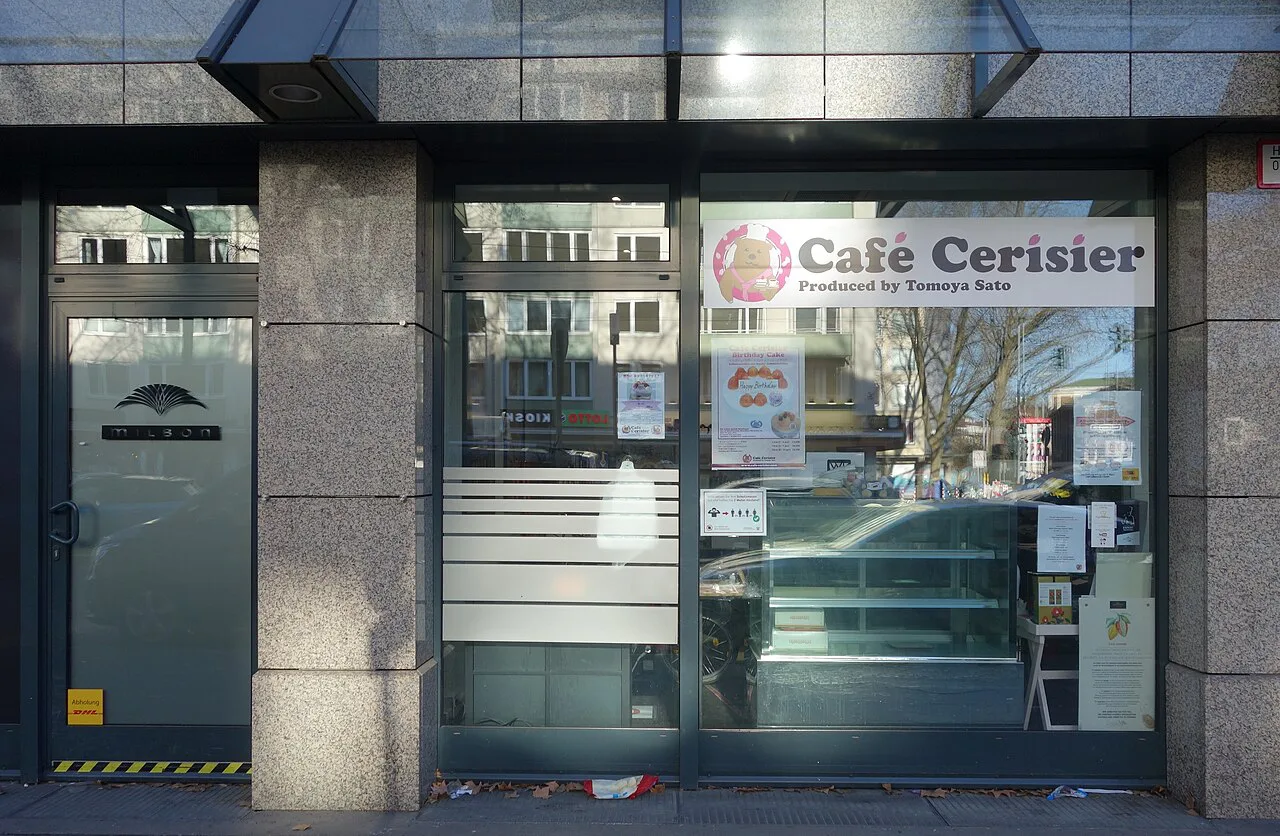
Why Düsseldorf has Germany's biggest Japanese food scene
Japanese firms began opening German offices in Düsseldorf in the 1960s, drawn by a strong German economy and a central European location, and employees and their families followed. Shops and restaurants grew up to serve that community, starting with sushi bars, ramen shops and Japanese supermarkets stocked with miso, fresh fish and sweets. Over the decades the area became a genuine Japanese neighborhood rather than a single street of restaurants.
The result is a food district with a resident base, which is why the ramen, sushi and groceries here are not a novelty. Japanese bakeries, bookshops and stationery stores sit alongside the restaurants, and the German-Japanese Center at Immermannstraße and Charlottenstraße anchors the business side. For a visitor, that means the neighborhood rewards browsing between meals as much as it rewards a single reservation.
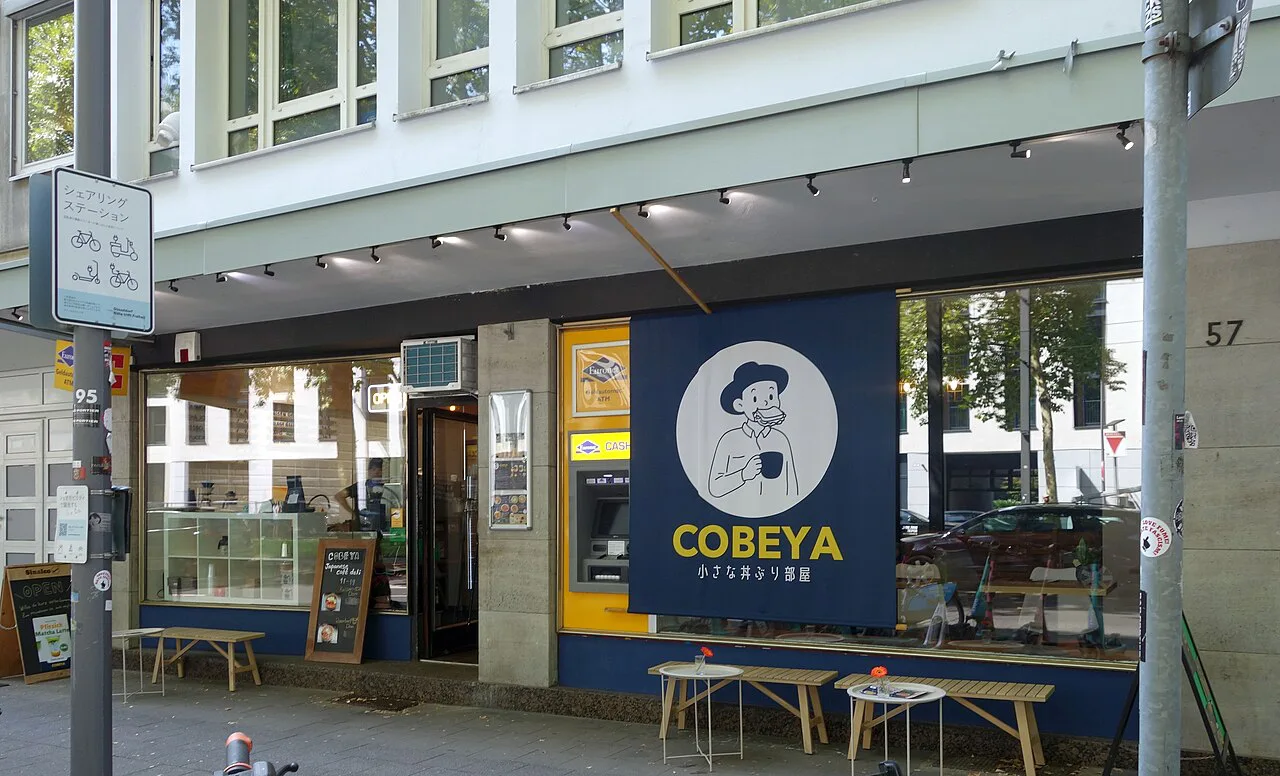
Ramen: Takumi and Tokyo Ramen Takeichi
For ramen, Takumi on Immermannstraße is the benchmark name in the neighborhood, and sitting at the front bar lets you watch the kitchen work. Tokyo Ramen Takeichi is the other ramen address worth knowing. Both are counter-style, single-bowl places built for a fast meal rather than a long dinner, so they fit a lunch break or a first stop before an evening of grazing.
A bowl of ramen here means wheat noodles in a hot broth, ordered as a complete meal and eaten quickly while it is hot. In Japan ramen counts as everyday fast food, which is why the good shops turn tables fast and queues move. If you want a slower sit-down meal with several courses, save the ramen for lunch and put sushi or small plates in the evening.
Sushi and sashimi: Yabase and Nagomi
Sushi and sashimi are the other core of Little Tokyo, and the classic order is a mix of nigiri (a slice of fish over pressed rice) and maki (rolled sushi), with sashimi as slices of fish served without rice. Travel coverage of the neighborhood lists Yabase among the restaurant picks, and Nagomi on Bismarckstraße is a Japanese restaurant with its own published site. Order a small selection first, then add what you liked rather than committing to a large platter.
Nagomi publishes its address as Bismarckstraße 53 in Düsseldorf and gives its weekly rest day as Sunday, so a planned Sunday sushi dinner needs a different address. Its published evening service starts at 18:00 on weekdays and 17:00 on Saturday, which makes it an early-dinner option rather than a late-night one.
Sushi meals here work like most Japanese restaurants: you order per piece or per set, the fish is the point, and the pace is yours. If you are eating with someone who does not want raw fish, check the menu for cooked options before you commit to a sushi-only dinner. For a fully different register, the city's Rhineland plates such as Rheinischer Sauerbraten or Himmel un Ähd make a good contrast on another night.
Izakaya-style eating at Naniwa on Oststraße
An izakaya is a Japanese pub where you order several small dishes over drinks rather than a single main, and Naniwa on Oststraße is the neighborhood address for that style. Coverage of the restaurant names kimchi, sushi, soups and ramen among what it serves, and notes long midday queues outside the small room. Go slightly before or after the lunch peak, or accept the wait as part of the deal for a busy, inexpensive-feeling meal.
The trade-off is space and pace: Naniwa is a small restaurant, and a group of four will wait longer than a solo diner or a pair. Order a couple of dishes at a time and add as you go, which is how small-plate eating works and keeps the table from being overwhelmed. If you want a quiet sit-down dinner instead, this is not the room for it.
Japanese bakery and sweets: Bakery Taka
Bakery Taka on Immermannstraße is the sweet stop, and the things to look for are anko, a sweet red bean paste used in Japanese pastries, and yakisobapan, a soft roll filled with fried noodles. Japanese bakery shelves reward trying two or three small items rather than one large pastry. It is a between-meals stop, not a sit-down breakfast, so plan it as a pause on a walk down the street.
The bakery sits a few doors along from the restaurant strip, which makes it an easy first stop before a ramen lunch or a snack after sushi. Buy what looks good, eat it while it is fresh, and keep the receipt if you are comparing flavors across several shops. If you are mapping the whole neighborhood, the bakery is the natural midpoint between the station end and the Klosterstraße.
Groceries and shops between meals
Japan Plaza, formerly Shochiku, is the Japanese grocery and shopping stop in the neighborhood, useful for seeing the pantry behind the restaurant food: miso, rice, snacks and ingredients you will not find in a standard German supermarket. Takagi Books covers the other side, with Japanese books and stationery. Both are worth twenty minutes even if you buy nothing.
The shopping is part of why the food here holds up: a resident Japanese community supports shops that stock what the kitchens actually use. Browse the shelves for sweets and pantry items to take home, and check labels if you are traveling with hand luggage only. The wider street-food picture in Düsseldorf, including markets and quick stands, is a separate walk.
How to order, and lunch versus dinner
Ordering is straightforward: name the dish, say how many, and expect the bill to come when you ask for it rather than automatically. Ramen counters and small izakaya-style rooms turn tables quickly at lunch, while sushi restaurants and Nagomi in the evening run at a calmer pace. Nagomi keeps Sunday as its rest day and opens at 17:00 on Saturday and 18:00 on weekdays, so build the day around that rather than the other way around.
German restaurants still lean on cash more than American ones, so carry euros even where cards are accepted. Tipping works by rounding up or leaving a few euros and saying the total you want to pay when you hand over the money. For a meal that is more about grazing than a single dish, an izakaya-style order of several small plates is the better format than a large main.
Matching a meal to your day
For a fast meal, choose ramen at Takumi or Tokyo Ramen Takeichi: one bowl, counter seating, out in under an hour. For a proper dinner, book the sushi side, with Nagomi on Bismarckstraße or Yabase, and leave time for several courses. For a graze, take Naniwa's small plates at lunch or early evening, and slot Bakery Taka in between.
If you want someone else to handle the ordering and the walking, Düsseldorf Food Tours Compared sets out the guided options. Otherwise, the neighborhood is compact enough to plan yourself in an afternoon.
Where Little Tokyo fits in a Düsseldorf eating day
Little Tokyo works best as one anchor meal rather than the whole day: a ramen lunch or a sushi dinner, with a bakery stop and a grocery browse on either side. The rest of the city's eating is Rhineland cooking, from mustard-heavy plates to the braised beef of Rheinischer Sauerbraten, and the two make a natural contrast across two days. Pick one Japanese meal and one local meal rather than trying to do both at once.
For the wider picture of what to eat in the city, Düsseldorf Food covers the Rhineland dishes that pair with this neighborhood. Otherwise, keep the plan simple: one neighborhood, two or three stops, and cash in your pocket.
Ramen lunch or sushi dinner?
Decide by the meal you want, not by the list: ramen at Takumi or Tokyo Ramen Takeichi for speed, sushi at Nagomi or Yabase for a sit-down dinner, and Naniwa for small plates. Bakery Taka and the groceries fill the gaps between meals, and the whole neighborhood is walkable from the Hauptbahnhof.
The one fixed constraint to plan around is Nagomi's Sunday rest day, which rules out a Sunday sushi dinner at Bismarckstraße 53. For everything else, choose the format first and the address second, and the neighborhood will hold up whether you have one meal or three.
Explore more Düsseldorf guides
Frequently Asked Questions
Where is Little Tokyo in Düsseldorf?
It sits in the city center between the Hauptbahnhof and the Königsallee, centered on the Immermannstraße and spilling onto the Klosterstraße, Oststraße and Bismarckstraße. From the Hauptbahnhof it is about a five-minute walk, and several U-Bahn lines stop at the station.
Do I need to book a table for Japanese food in Düsseldorf?
For ramen counters and small rooms like Naniwa, walk in and expect a queue at peak lunch. For a sit-down sushi dinner, reserving is the safer choice, especially on weekends, and Nagomi's own site is the place to confirm its opening days before you go.
What should I order at a Japanese bakery in Little Tokyo?
Look for anko, a sweet red bean paste used in Japanese pastries, and yakisobapan, a soft roll filled with fried noodles. Buy two or three small items rather than one large pastry so you can compare.
Is Little Tokyo worth a stop on a Düsseldorf food day?
Yes, if you want a concentrated Japanese food quarter you can walk in an hour. Pair one meal there with a Rhineland dish elsewhere in the city rather than spending the whole day in the neighborhood.
Sources
Notes for your next German food trip
Optional updates to our guides.
You might also like
Continue reading
More guides you'll find useful