German Restaurants in Heidelberg: Where to Eat Well
Traditional German restaurants in Heidelberg, from a brewery with its own beers to old student taverns and Badisch cooking in the Altstadt, with what to order.
On this page
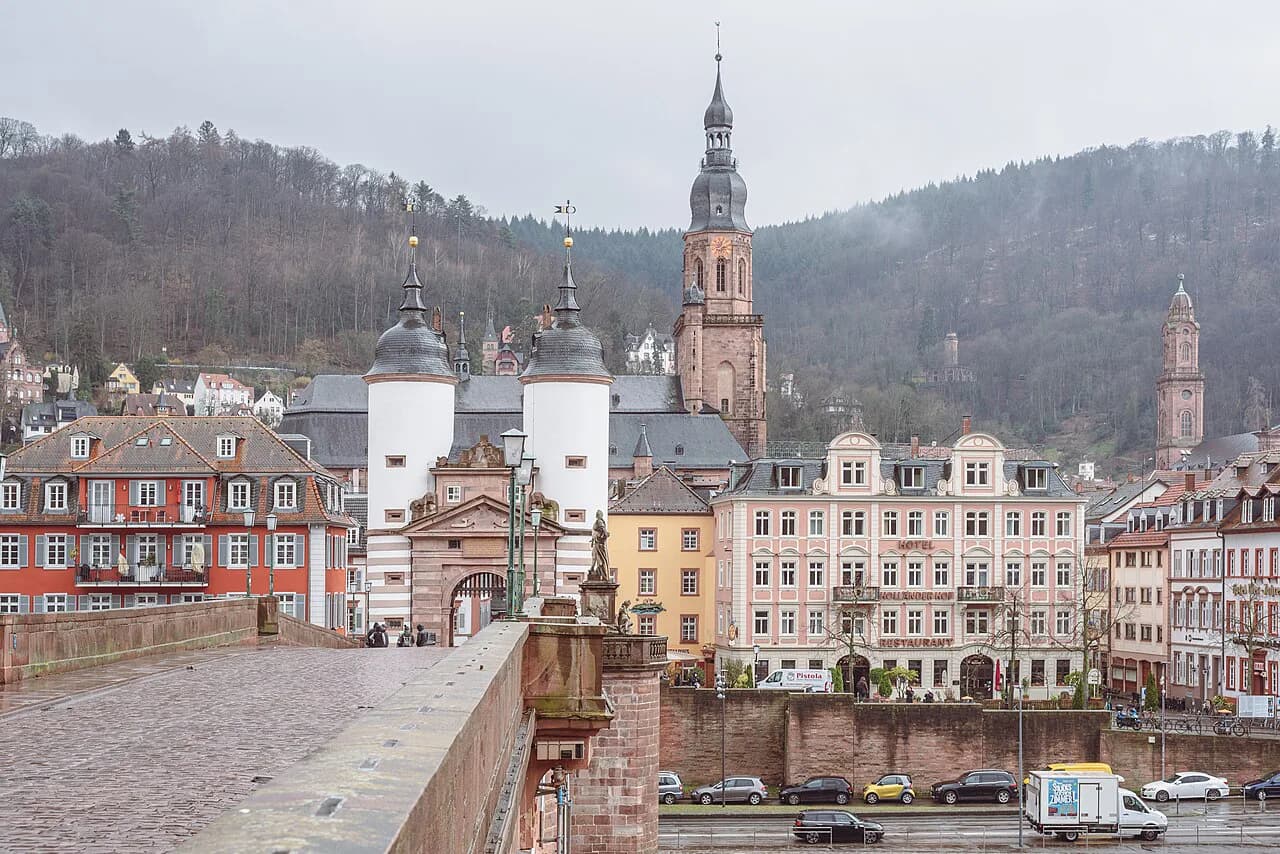
Heidelberg's traditional German restaurants split into three useful types: brewery restaurants pouring their own beer, Altstadt Gasthäuser cooking Badisch and Pfälzer food, and old student taverns where the room is as much the point as the plate. For a first sit-down dinner, Vetter's Alt Heidelberger Brauhaus in the Steingasse is the safest single pick because it brews on site, serves Bavarian classics and sits between the Heiliggeistkirche and the Alte Brücke. This guide pairs each place with the dish or beer worth ordering there.
What Heidelberg's traditional German restaurants are like
This is Badisch country with a strong Pfälzer accent: the cooking of Baden and the Palatinate, which shows up as Sauerbraten (beef marinated in vinegar and spices, then braised), onion roast beef and river fish. Alongside that you get brewery food in the Bavarian register and a handful of historic taverns whose kitchens stay deliberately plain. Portions are generous and a sit-down dinner runs longer than an American lunch break.
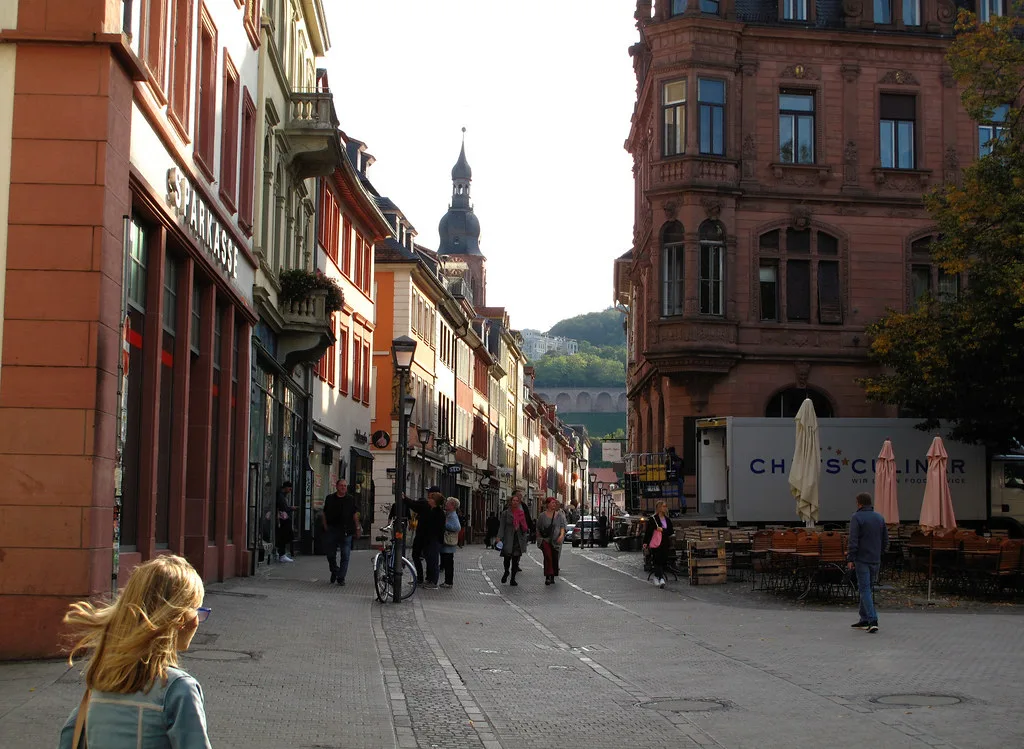
The geography matters for choosing. Most of these rooms sit in the Altstadt, within a tight grid of lanes between the Heiliggeistkirche and the river, while a few sit across the Neckar in Neuenheim or out toward Schlierbach. Staying on foot in the Altstadt means you can compare two or three places on the same evening; heading across the river is a deliberate trip rather than a stroll.
For the wider restaurant landscape, including places that fall outside the traditional brief, see the best restaurants in Heidelberg guide. If your priority is spending little rather than eating long, the Cheap Eats in Heidelberg file covers lighter lunches and snacks.
Vetter's Alt Heidelberger Brauhaus: house-brewed beers and Bavarian classics
Vetter's is a gasthaus-brauerei, a restaurant that brews its own beer in the building, tucked into the Steingasse in the Altstadt near the Alte Brücke. The house beers include a Brauhaus Helles, a pale Vollbier brewed in the Pilsner style at roughly 4.5%, and a Dunkles Hefeweizen (dark wheat beer) at roughly 4.8%, both available as a Radler if you want a lighter mix. The kitchen leans Bavarian with regional specials, plus roasted pans from the grill.
Order the tasting board if you want to understand the brewery in one sitting: it pours the house's four main beers side by side. VETTER 33 is the one to ask about separately. The brewery describes it as the strongest beer in the world by original wort at 33 degrees Plato, a record it credits to the Guinness Book in 1994, and at roughly 10.5% it is a sipping beer rather than a pint to finish with dinner.
This is the liveliest option, and the trade-off is that it is popular with visitors as well as locals, so a table at peak dinner time is worth securing in advance. The brewery takes reservations and lists card payment including Visa, Mastercard and American Express, which makes it an easy first stop if you have not yet withdrawn cash.

Wirtshaus zum Nepomuk: onion roast beef and open Pfälzer wines
Wirtshaus zum Nepomuk sits by the city gate toward the Neckar and cooks in the traditional register, with Weinbergschnecken (vineyard snails), Kalbsfrikadellen (veal meatballs) and Zwiebelrostbraten (roast beef topped with fried onions) on the menu. It pours open Pfälzer wines by the glass, which suits the beef and onion cooking better than a heavy beer.
The room is rustic and the kitchen goes for familiar flavors rather than invention, so this is the place to pick if you want a Pfälzer-leaning dinner in the Altstadt without a brewery crowd around you. Ask for the Zwiebelrostbraten if you eat beef, and take a glass of the open Pfälzer wine alongside it.
Gasthaus Backmulde: Sauerbraten in a 17th-century house
Gasthaus Backmulde occupies a well-preserved 17th-century building in a side lane of the Altstadt, which gives it a quieter feel than the main thoroughfares. The kitchen mixes Badisch and Mediterranean cooking, and the signature order is Badischer Sauerbraten, the marinated braised beef that defines the region's home cooking, alongside beef fillet tips.
Choose this one for a calmer, more contained dinner where the building and the Sauerbraten carry the evening. The trade-off against Vetter's is atmosphere: no brewing kettles and no tasting board, but fewer tour groups passing the window.
Gasthof zum Roten Ochsen: the old student tavern
The Gasthof zum Roten Ochsen was built in 1703 as a student tavern and has stayed in the same family ever since. The dining room is packed with nostalgic objects, beer steins and tables carved with names, and the kitchen is plain, filling Bürgerlich cooking rather than fine dining.
Come here for the room and the student history as much as the food, and order straightforwardly: a roast, a Schnitzel or a plate of Maultaschen (stuffed pasta parcels, Swabian in origin and common across Baden). It is the strongest choice for anyone who wants one meal that feels specific to Heidelberg rather than generically German.
Ritterstube and Weisser Bock: two Altstadt classics
Ritterstube is a gabled house more than 400 years old with a Renaissance facade, a vaulted ceiling and decorated windows in the dining room. The kitchen serves traditional and classic dishes in the German and Austrian register, so expect roasts and dumplings rather than experiments. It is the pick for a dinner where the architecture is half the reason you booked.
Weisser Bock is a traditional hotel restaurant in the middle of the Altstadt, with a menu built around goose liver, trout and duck breast. That makes it the better fit for a lighter or more polished dinner, and for anyone in the group who would rather eat fish than a heavy roast. Both rooms reward booking ahead for weekend evenings.
How to choose: brewery dinner, Gasthaus or quick lunch
Match the venue to the appetite you actually have. A brewery meal at Vetter's is the most sociable and the best introduction to Heidelberg beer, a Badisch Gasthaus dinner at Backmulde or Nepomuk suits a slower evening built around Sauerbraten or Zwiebelrostbraten, and the Roten Ochsen gives you history with a plain plate. For something between meals, the cheap eats guide covers lunch spending without the sit-down format.
If the evening should be outdoors, the brewery has outside seating that fills as soon as the sun appears, and Wolfsbrunnen, an old hunting and guest house set in green space out toward Schlierbach, has a beer garden. Use the Heidelberg beer garden guide to weigh those against a walk along the Neckar.
For a bigger night of beer in brewery-style rooms, the Heidelberg Beer Halls and Brauhaus-Style Taverns guide sets out the options. Diners who want a more formal evening should look at the Michelin restaurants file instead, and anyone after a spring or summer breakfast should plan separately.
What to order: Sauerbraten, Zwiebelrostbraten, Maultaschen and Brezeln
Sauerbraten is beef marinated for days in vinegar, wine and spices, then braised and served with a dark sauce, usually with dumplings or potatoes; in Heidelberg it is the Badisch version you want. Zwiebelrostbraten is roast beef under a pile of fried onions, and it pairs naturally with the open Pfälzer wines at Nepomuk. Both are substantial plates, so one main and a shared starter is usually enough.
Maultaschen are stuffed pasta parcels, often pan-fried with egg and onion, and Flammkuchen is a thin flatbread with a cream base, bacon and onion, Alsatian in origin. Brezeln are the lye-brushed pretzels you will see on every table and at the brewery with a Maß, the liter glass of beer.
For a fuller picture of the regional dishes and how they are served, including Badisch cuisine and where to find it, the Heidelberg food guide goes deeper than this venue list. Vegetarian travelers should check the vegan Heidelberg file before booking, since the traditional kitchens here build their menus around meat and river fish.
Beer at the table: Helles, Dunkles Hefeweizen and seasonal pours
At Vetter's the standard pours are the Brauhaus Helles, a clean pale lager, and a Dunkles Hefeweizen, a dark wheat beer, both available as a Radler. The brewery also releases seasonals through the year: a Doppelbock in February and March, a Märzen, a Maibock in April and May, a summer beer, and a Weihnachtsbock in November and December.
Serving sizes follow German habit: order a small glass if you want to pace yourself, and remember that a Maß is a full liter. VETTER 33 at roughly 10.5% is best shared or treated as a final small glass. Elsewhere, the Heidelberg beer guide covers the wider brewing scene.
Paying and reserving at Heidelberg restaurants
Book ahead for Friday and Saturday dinner, and mention if you want outside seating in summer. Vetter's takes reservations and accepts Visa, Mastercard, American Express, Diners and EC cards with PIN, which puts it among the easier places to pay by card. Many smaller Gasthäuser in Germany still prefer cash, so carry euros for the quieter rooms rather than expecting plastic to work everywhere.
Service is at the table and tipping is done by rounding up or adding a few euros as you pay. A word of thanks as you hand over the card or cash is the normal form.
Which Heidelberg restaurant should you book first?
Book Vetter's Alt Heidelberger Brauhaus for your first evening: it gives you house-brewed beer, a tasting board and Bavarian cooking in one Altstadt room, with card payment and reservations taken. Then choose by mood for the second meal: Backmulde for Sauerbraten in a 17th-century house, Nepomuk for Zwiebelrostbraten and Pfälzer wine, or the Roten Ochsen for student history and a plain, filling plate.
If the plan stretches across several days, the Heidelberg Attractions: 5 Visitor Guides hub keeps the food stops alongside the rest of the city. For a guided eating route instead of a single table, the Heidelberg food tour file covers organized walks.
Explore more Heidelberg guides
Frequently Asked Questions
Do I need a reservation at Heidelberg's traditional restaurants?
For Friday and Saturday dinner, yes, and it is worth mentioning if you want to sit outside in summer. Vetter's Alt Heidelberger Brauhaus takes reservations, and the smaller Altstadt Gasthäuser have limited rooms, so a same-day call in the afternoon is sensible.
Can I pay by card at Heidelberg's German restaurants?
Vetter's Alt Heidelberger Brauhaus accepts Visa, Mastercard, American Express, Diners and EC cards with PIN. Smaller Gasthäuser often prefer cash, so carry euros as a backup rather than relying on plastic everywhere.
What is a Ruhetag and how does it affect planning?
A Ruhetag is a restaurant's weekly rest day, when it closes entirely. German kitchens commonly take one, so check the venue's own website for the day it closes before building an evening around it.
Are there vegetarian options at Heidelberg's German restaurants?
Traditional Badisch and Bavarian kitchens here build their menus around meat, sausage and river fish, so vegetarian choice can be narrow. Vetter's lists vegetarian, vegan and gluten-free dishes, and the Vegan and Vegetarian Food in Heidelberg guide covers the broader options.
Sources
Notes for your next German food trip
Optional updates to our guides.
You might also like
Continue reading
More guides you'll find useful