Michelin Restaurants Heidelberg: Where to Book Fine Dining
Heidelberg keeps its fine-dining scene small: two named addresses with their own MICHELIN Guide entries, Die Kurfürstenstube and Weisser Bock.
On this page
Heidelberg's MICHELIN Guide presence comes down to two named addresses, Die Kurfürstenstube and Weisser Bock, so the shortlist is genuinely short. Planning around them takes an evening rather than a week. This guide covers what each one is, how their cooking and mood differ, how ordering works, and when a listed table makes more sense than a Gasthaus dinner.
The city's everyday eating leans heavily on traditional cooking, and the full spread of places to eat is mapped in our guide to the best restaurants in Heidelberg. For a broader picture of the city itself, start with the Heidelberg Attractions: 5 Visitor Guides hub.
What Michelin dining in Heidelberg looks like
Two Heidelberg addresses have their own entries in the MICHELIN Guide: Die Kurfürstenstube and Weisser Bock. That is a short list, so there is no dense cluster of starred rooms to sort through or a queue of reservations to chase. Treat the choice as a single decision about which of the two rooms suits your evening.
A MICHELIN Guide listing and a MICHELIN star are different things, and the guide's Heidelberg pages are where the distinction gets settled for each address. Read the entry for the restaurant you are considering before you build an evening around it, and check what the inspectors wrote about the cooking, the price level and the style of the place. The Heidelberg restaurant pages are the fastest way to confirm what is currently listed.
None of this replaces the city's everyday eating. Heidelberg runs on traditional cooking, from hearty platefuls to coffee and cake, which is why the fine-dining layer reads as an occasional upgrade rather than the main event. If you want one long dinner that carries the evening, book here; if you want to eat well every night, the Gasthaus side of the city does most of the work.
Die Kurfürstenstube: classical cooking, à la carte or set menu
Die Kurfürstenstube builds its menu on the classics and leans on high-quality ingredients for ambitious dishes. You can order à la carte or take the set menu, which is the central decision at this table. The set menu hands the pacing and sequence to the kitchen; à la carte lets you pick a narrower, lighter meal.
Classical cooking means sauces, reductions and composed plates rather than a quick plate of something fried, so budget time as well as money. A set menu usually runs longer than two courses chosen freely, which matters if you have a train to catch or a castle visit booked earlier in the day. The guide's own entry is the place to confirm which format is offered and what the cooking currently looks like.
If your group splits between adventurous and cautious eaters, this is the easier of the two rooms for a mixed table. The classics give cautious eaters familiar ground, while the à la carte route lets the more curious order widely without committing everyone to the same sequence. Decide the format before you sit down, because switching mid-meal usually is not possible.
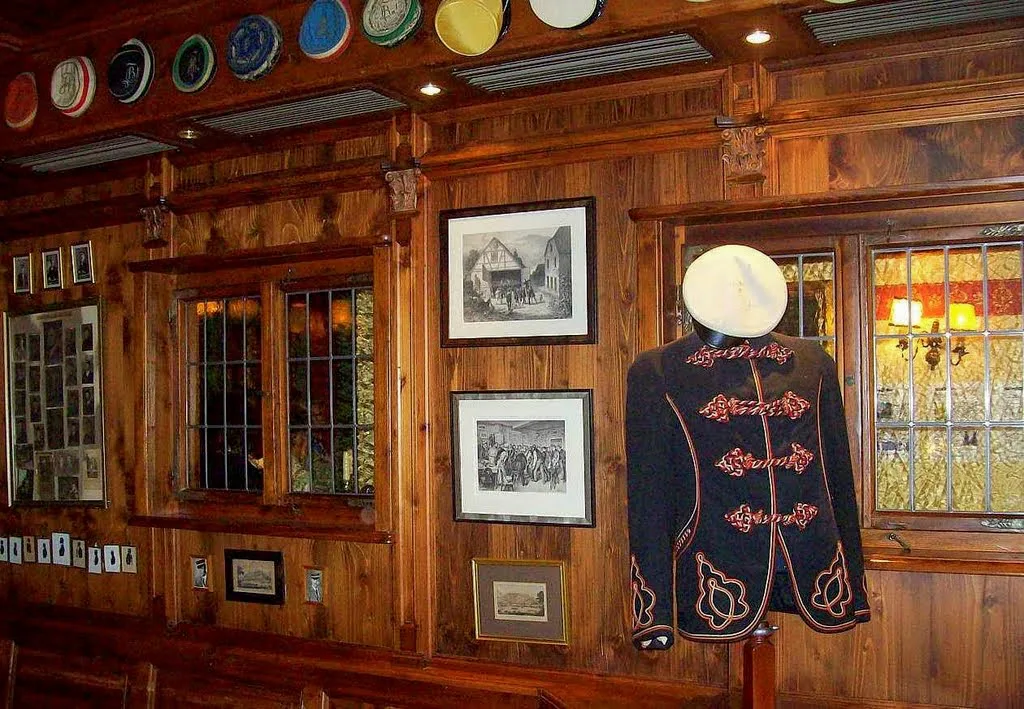
Weisser Bock: what the MICHELIN Guide listing covers
Weisser Bock appears in the 2026 MICHELIN Guide Germany, and the inspectors' entry covers the cooking, prices and type of cuisine. That entry is the first thing to read, because it frames what kind of meal you are booking rather than leaving you to guess from the name.
Because the guide publishes its own view of the food and the price band, it is the most reliable starting point for judging whether the room matches your budget and appetite on a given night. Read it against the guide's Heidelberg restaurant listing, which shows how small the selection is and reminds you that a table here is one of only a handful of listed options in town.
How the two compare: cooking style, mood and how you order
Die Kurfürstenstube reads as the more formal of the pair, with classical dishes and a choice between à la carte and a set menu. Weisser Bock has its own identity in the guide rather than mirroring the first, so compare the inspectors' descriptions of the cuisine and price level side by side before choosing. The practical difference for a visitor is how much control you want over the order: a fixed sequence at one table, a freer choice at the other.
Mood matters as much as food. A set menu suits an occasion evening when you want the kitchen to lead, while à la carte or a shorter order suits a meal fitted around a day of walking the Altstadt. If you are traveling with people who would rather graze, look at cheap eats Heidelberg options for another night and keep the listed table for the dinner you actually want to be long.
Vegetarians and vegans should read the current menu description closely rather than assume a classical kitchen will adapt freely. Our notes on vegan Heidelberg dining explain how plant-based ordering works in the city more generally, and the guide entry for each restaurant is the place to see whether the cooking suits you.
When to pick a MICHELIN-listed table instead of a traditional Gasthaus
Choose a listed table when the meal is the point of the evening: an anniversary, a final night, or a dinner you want to remember for the cooking rather than the setting. Choose a Gasthaus when you want Heidelberg's everyday food, a quicker meal and a bill you do not have to plan around. Neither is the better night out in the abstract; they answer different questions.
Traditional rooms in Heidelberg serve the dishes visitors come for, and a full plate of those is often the more satisfying introduction to the city's cooking. The wider German Restaurants in Heidelberg guide covers that side in detail, so you can put one fine-dining evening alongside several honest Gasthaus dinners instead of choosing between them.
If you are in town mainly to eat your way through the regional repertoire, start with Heidelberg food and the dishes worth ordering before you spend a night on fine dining. That way the listed restaurant becomes a contrast to the local cooking rather than a replacement for it.
Drinking at a fine-dining table: what to expect with beer and wine
Heidelberg has a brewing history worth knowing before you sit down. Heidelberg Marketing notes that the city's brewing regulations of 1603 were stricter than the Bavarian Purity Law of 1516, which makes a local beer a reasonable thing to ask about alongside the wine list.
At a fine-dining table, the usual pattern is a wine-led list with beer available in a narrower range, so ask what local beer is poured rather than assuming a full flight. If beer is the reason you are in Heidelberg, our Heidelberg beer guide covers the breweries and the styles to look for on another evening.
Heidelberg Marketing also runs a guided beer tour through the Old Town with several stop-off points and a traditional snack, which suits a daytime or early-evening look at the city's brewing side. It is a separate booking from any restaurant table, and extra drinks are settled on site, so treat it as its own outing rather than an add-on to dinner.
Practical booking and payment notes
Book ahead for either listed restaurant. Two rooms cannot absorb a city's worth of special-occasion dinners, and the good dates go first. Ask about the format when you book, since the à la carte and set-menu decision at Die Kurfürstenstube is easier to settle in advance than at the table.
On payment, confirm the accepted methods when you reserve rather than at the end of the meal. If you plan a long evening, say so when booking; a set menu at a classical table can run well past two hours.
If a view matters to the evening, look at the city's restaurants-with-a-view options before you commit to a dining room. Our Restaurants with a View in Heidelberg guide covers places where the setting does part of the work.
Which Heidelberg table should you book?
Book Die Kurfürstenstube if you want classical cooking with the choice between à la carte and a set menu, and Weisser Bock if the guide's description of its cuisine and price level fits your evening better. With only two named guide entries in the city, the decision is quick once you have read both.
Build the rest of the trip around traditional rooms and local beer, then let one fine-dining night stand apart. That balance gives you Heidelberg's everyday cooking and its small fine-dining scene without turning either into the whole visit.
Explore more Heidelberg guides
Frequently Asked Questions
How many MICHELIN-starred restaurants are there in Heidelberg?
The MICHELIN Guide has its own entries for Die Kurfürstenstube and Weisser Bock in Heidelberg. Whether either carries a star is stated on its own guide entry, so check the entry for the restaurant you are considering rather than relying on a general count.
Do I need to reserve a table at Die Kurfürstenstube or Weisser Bock?
Reserve ahead. Two listed restaurants cannot absorb all of the city's special-occasion demand, and booking also lets you confirm which menu format is available and which payment methods are accepted.
Is a MICHELIN-listed dinner in Heidelberg worth it compared with a Gasthaus?
They serve different purposes. A listed table suits an occasion evening where the cooking is the focus; a Gasthaus delivers Heidelberg's traditional dishes at a quicker pace and a lower commitment. Many visitors do one of each.
Sources
Notes for your next German food trip
Optional updates to our guides.
You might also like
Continue reading
More guides you'll find useful