Heidelberg Food Tour: What a Tasting Walk Covers
A Heidelberg food tour pairs a three-hour Altstadt walk with six tastings at owner-run spots. Here is what the route covers and how to eat the same way alone.
On this page
A Heidelberg food tour is a guided walk through the Altstadt, the baroque old town on the south bank of the Neckar, with tasting stops at several food businesses along the way. The standard version runs about three hours and includes six tastings, which together usually replace a meal rather than merely decorate one. This guide covers what those tours include, how the private and shorter formats differ, and how to assemble a comparable eating walk on your own.
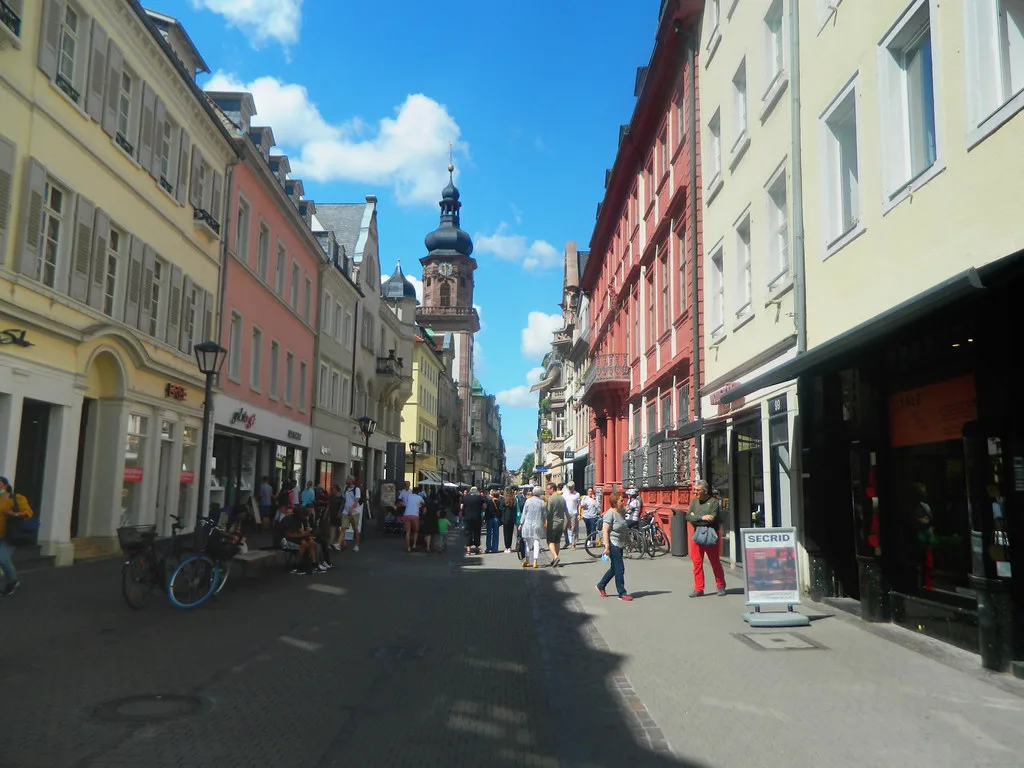
The city rewards eating on foot: the old town is compact, the streets between the university quarter and the river are short, and a walk that starts with a bakery stop and ends with a Gasthaus lunch covers a lot of ground without a single tram ride. Whether you pay for a hosted tasting route or pick your own stops, the shape of the day is the same.
What a Heidelberg food tour actually is
On a hosted tour, a local guide leads a small group through the old town and hands over tastings at partner businesses, talking about the city's history, its architecture and the people behind each shop as you go. Eat the World describes its Heidelberg culinary city walk as a three-hour route with six tastings, hosted by guides and culinary partners, aimed at visitors and locals alike.
The stops are chosen from owner-run businesses and places with long family histories, and Eat the World says the owners or the guide explain how each one came about. That framing matters: you are not just eating, you are getting a short introduction to each place. If you want the fuller picture of where to eat in the city beyond the tour stops, the guide to the best restaurants in Heidelberg covers the neighborhoods and price levels.
What the standard tour includes
The core format is a three-hour guided walk with six tastings, spread across restaurants and food shops rather than concentrated in one venue. Eat the World's description promises stories about Heidelberg's history, architecture and residents alongside the samples, and the tasting businesses are described as mostly owner-run or long-established family operations.
Another operator, k3 Stadtführungen, runs a culinary city tour that combines tastings at selected Altstadt venues with information on culture, history and food along the way. Its published schedule lists that culinary walk as a three-hour slot starting at midday, alongside separate classic old-town and castle-view walks.
How much food you actually get
Six tastings over three hours is a lunch, not a snack. Eat the World states plainly that the samples usually leave guests satisfied enough that another meal is not necessary, so plan the tour as your main eating event of the day rather than as a prelude to a big dinner.
Practically, that means booking a midday slot and keeping the evening light, or taking the tour on a day when you have not planned a heavy Gasthaus lunch. If you eat a full lunch first and then join an afternoon tasting walk, you will be turning down samples you paid for.
Group tour, private tour, or the short version
The public group format puts you with other travelers on a fixed schedule. The private version keeps the same three-hour, six-tasting structure but lets you pick the day and start time yourselves, which suits families, friend groups and work teams. Eat the World also sells the same culinary walk to companies, with the team led to six selected food businesses for a sample at each.
There is also a shortened two-hour option for people whose day is already full, which cuts the time but keeps the walking-and-tasting idea. If you are weighing a hosted walk against simply booking a table, compare it with the German Restaurants in Heidelberg that anchor the city's everyday eating; a hosted tour makes more sense when you want variety and commentary than when you already know what you want to order.
Where the walk goes
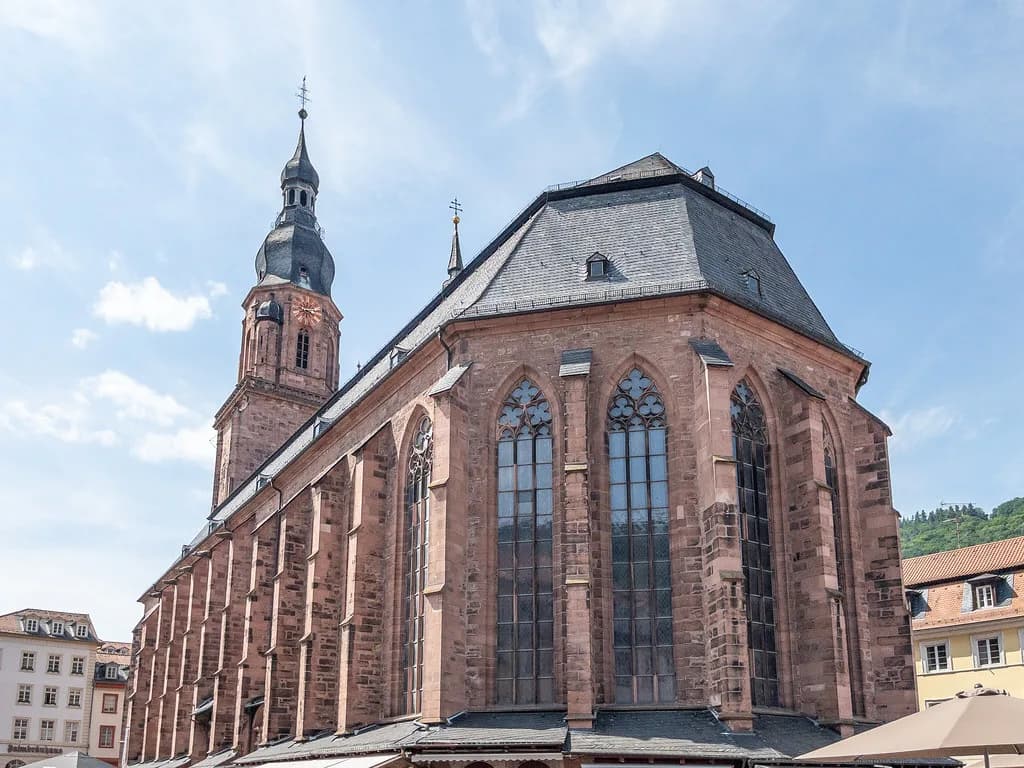
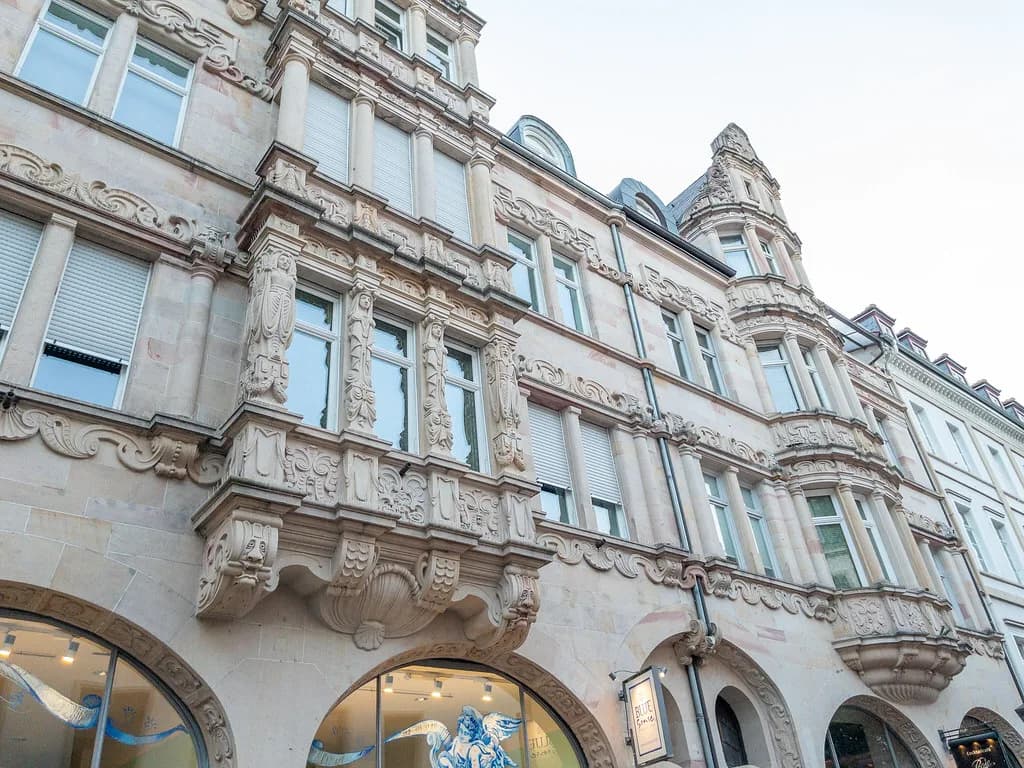
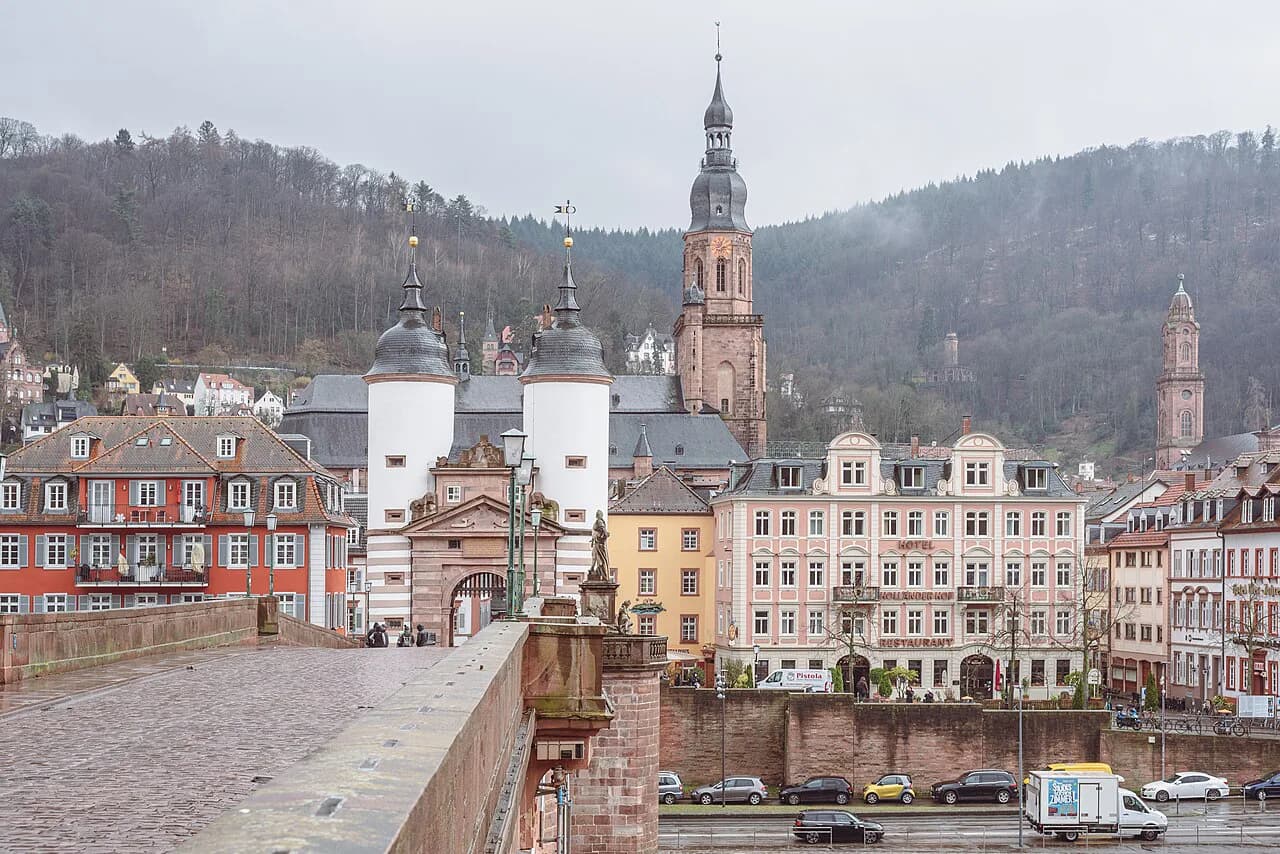
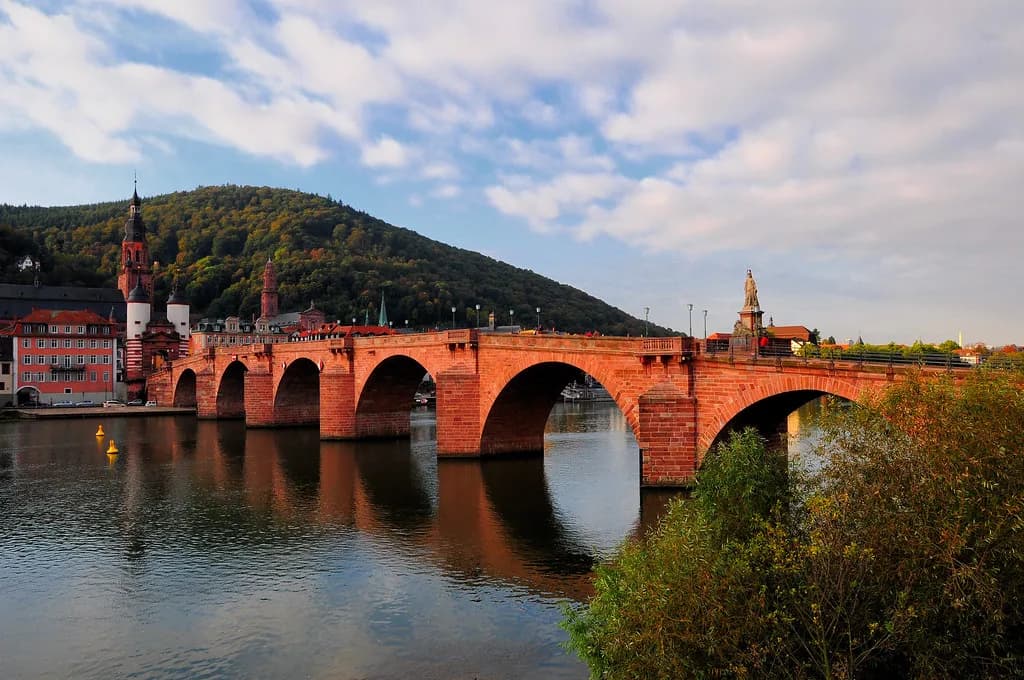
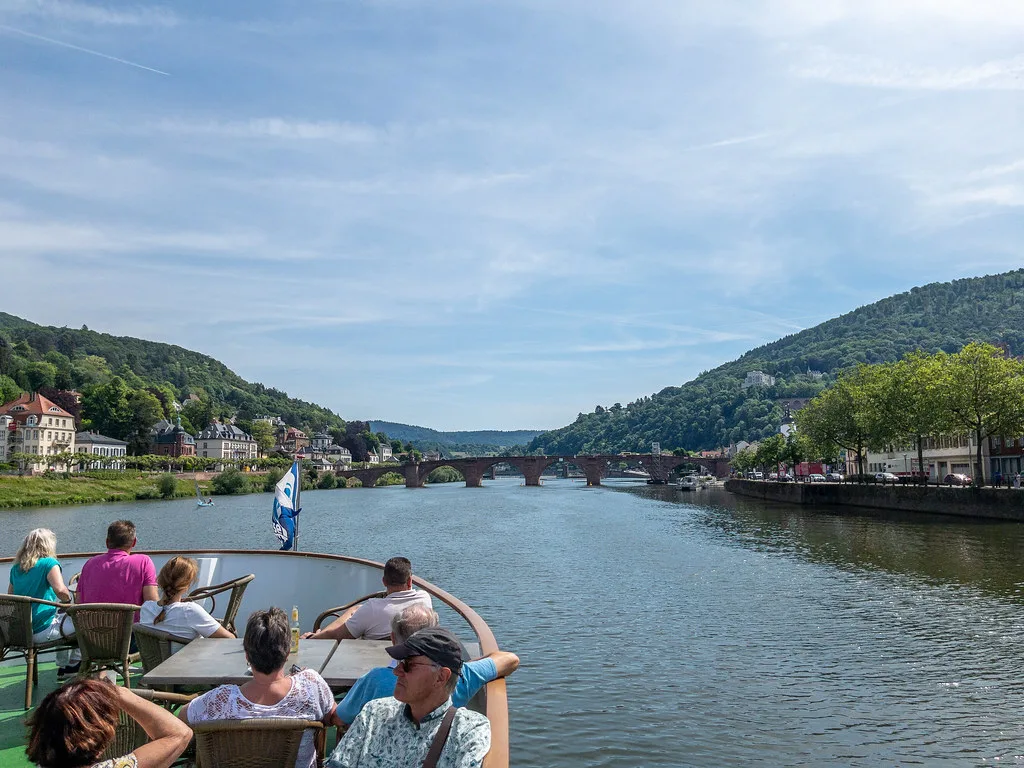
The routes stay in and around the Altstadt, the old town below the castle, where baroque facades, the university buildings and the riverfront sit within a few minutes of each other. k3's culinary tour is described as stopping at selected venues on the way into the old town, and its separate classic city walk finishes with a view of the castle ruin from the Alte Brücke, the old bridge over the Neckar.
That compact geography is the reason a tasting walk works here at all: you spend your time eating and listening, not riding between stops. Most of the ground covered is flat riverside and old-town paving, though the streets climbing toward the castle are steep.
How to eat the same way without a guide
You can reproduce the structure yourself: pick six stops in the Altstadt, order one small thing at each, and walk between them. Choose different kinds of places so the day stays interesting — a bakery for bread or a pastry, a café for coffee and cake, a butcher or deli counter for a sausage, a cheese or produce stall, a Gasthaus for a hot dish, and something sweet to finish. The cheap eats in Heidelberg guide is a useful starting point for the smaller, lower-cost stops that make this work.
Start in the morning with a bakery or market stop, when bread and pastries are freshest, then walk the old town and take a proper Gasthaus lunch rather than six separate snacks. Eating one sit-down dish plus two or three small bites is closer to how locals eat and costs less than a full tasting menu of stops. Vegetarians can build the same route around meat-free counters and dishes, and the vegan Heidelberg guide covers where to look.
Fitting a beer stop into the day
Heidelberg's brewery taverns make a natural final stop on a self-guided tasting walk: one glass of the house beer with a small plate, sitting down, rather than a crawl. The city's brewery scene includes long-established houses with their own taps, and the Heidelberg breweries guide maps out where those taps are and what each brewery pours.
If you join a hosted tasting tour, keep the beer separate: the samples are the point of the walk, and adding a brewery visit mid-route means carrying a full stomach through the remaining stops. Save it for after the tour ends, when the walking is done.
Practical decisions before you book
Decide first whether you want the tour to be your meal. If yes, take a midday slot and keep the rest of the day light; if you want a full restaurant dinner too, choose the shorter two-hour format or do the self-guided version so you control portion sizes. Second, choose group versus private: the private walk costs more flexibility upfront but lets you set the time, which matters if you are working around train arrivals or a castle visit.
Third, match the walk to your pace. Three hours on foot through the old town is easy going, but it is still three hours, so wear shoes for cobblestones and do not stack it directly against a steep climb to the castle. Check the operator's current schedule and booking terms when you reserve, since tour times and availability change by season.
Tour or self-guided walk?
Take the hosted tour if you want commentary, a fixed route and someone else choosing the stops — it is also the easier choice if you are traveling with a group and want one shared plan. Build your own walk if you prefer to control portions, timing and budget, or if you have already eaten your way through the old town and want specific places instead of a sampler.
Either way, treat the eating as the center of the day rather than an add-on: a bakery stop in the morning, a handful of small tastings through the Altstadt and one sit-down dish is a better Heidelberg day than squeezing a tasting walk between two full meals.
Explore more Heidelberg guides
Frequently Asked Questions
Do Heidelberg food tours run in English?
That depends on the operator and the guide, and it is not something to assume. Ask directly when you book whether the tour is conducted in English, and whether the tastings and introductions at each stop will be explained in English too.
What should you eat in Heidelberg?
Think in terms of the region rather than a single signature dish: bread and pastries from a bakery, a hot Gasthaus plate at lunch, and something sweet from a café or Konditorei in the afternoon. A tasting walk spreads those across several stops; on your own, one sit-down dish plus two or three small bites covers the same ground.
Is a Heidelberg food tour worth it?
It is worth it if you want a guided introduction to the old town combined with a meal's worth of samples and do not want to plan the stops yourself. If you already know the city or prefer choosing your own portions and timing, a self-guided route through the Altstadt does the same job for less.
Sources
Notes for your next German food trip
Optional updates to our guides.
You might also like
Continue reading
More guides you'll find useful