Heidelberg Beer Guide: Brewpubs and House Beers to Try
Heidelberg beer comes from two brewpubs pouring house Helles, Weizen and seasonal bocks, plus the city's own brewery. Here's where to drink it and what to order.
On this page
Heidelberg beer means two different things. The city has brewpubs that brew on site and serve their own Helles, Weizen and seasonal bocks by the glass, and it has Heidelberger Brauerei, a separate brewery whose Pils, Helles, Weizen and Naturradler turn up bottled around town. This guide covers the brewpubs worth building an evening around, the specific house beers to order at each, and the food and payment details that decide how the night goes.
The practical split is simple: go to Vetter's or the Kulturbrauerei to sit in a brewery and drink beer brewed in the building, and look for Heidelberger bottles when you want the city's everyday lager with a meal elsewhere. Both brewpubs sit in the Altstadt, the old town, so the choice usually comes down to atmosphere and beer list.
What Heidelberg beer is: brewpubs plus a city brewery
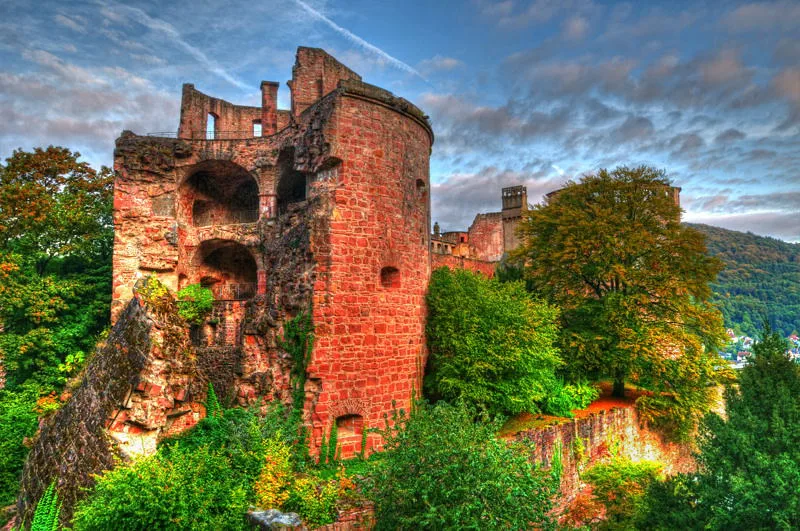
Vetter's Alt Heidelberger Brauhaus and Kulturbrauerei Heidelberg both brew their own beer and serve it on site, which is why their menus read like beer lists with a kitchen attached. Vetter's describes itself as a Gasthausbrauerei, a brewpub with an attached inn, in the heart of the old town toward the Alte Brücke, serving Bavarian cooking alongside house-brewed beers.
Heidelberger Brauerei is the other half of the picture: a Heidelberg brewery whose lineup runs Pils, Helles, Pils Alkoholfrei, Naturradler, Export and Weizen. Its own marketing leans hard on local identity, comparing the beer to the Alte Brücke, the castle, the university and the Neckar as things that belong to the city.
That distinction matters when you plan a night. A brewpub visit is a sit-down event with food service and a house beer list; a Heidelberger at another restaurant is simply the local lager choice. If you want a German restaurant with a broader menu and local bottles, the German Restaurants in Heidelberg guide covers that angle.
Vetter's Alt Heidelberger Brauhaus: house beers and what to order
Vetter's brews a Brauhaus Helles, a pale full beer in the Pilsner manner at roughly 11.5°P original wort and about 4.5% alcohol, and a Dunkles Hefeweizen, a dark wheat beer at roughly 12.7°P and about 4.8%. Order the Helles if you want something crisp and easy with a plate of Bavarian food, or the dark Weizen if you prefer the banana-and-clove side of wheat beer.
Vetter's also runs a calendar of seasonal beers rather than a fixed list. A Doppelbock appears in February and March at about 18.8°P and 7%, a Märzen in March at about 13.8°P and 5.5%, a Maibock in April and May at about 16.4°P and 6%, a summer Frisch at about 11.5°P and 4.5%, and a Weihnachtsbock in November and December at about 16.6°P and 6.2%. If a strong dark beer is the point of your trip, time it to the bock months.
The room is split into a Brauhaus seating up to 150 people and a Braustube for 45, with outdoor seats and a beer garden that the brewery says fills up as soon as the sun appears. For a first visit, the tasting board is the better decision tool than committing to a full glass of the strongest beer on the list.
The Vetter's tasting board and the strong VETTER 33
Vetter's serves a Probierbrett, a tasting board of its top four house beers from the tap, which lets you compare the Helles, the dark Weizen and the stronger options in one sitting without ordering four full glasses. It is the sensible way to start if you do not yet know whether you are a Helles person or a dark wheat beer person.
The headline beer is VETTER 33, brewed to roughly 33°P original wort and about 10.5% alcohol. Vetter's states that it was recorded in the Guinness Book in 1994 as the strongest beer in the world by original wort, so treat that as brewing history rather than a current claim. It is a sipping beer, not a session beer, and the tasting board is the smarter introduction than a full glass.
Because these are strong beers by ordinary standards, plan the stop around food rather than around volume. A Brotzeit, the cold Bavarian snack plate of cheese, cold cuts and bread, or a rustic pan from the grill gives you something to work through while the bock or the VETTER 33 goes down slowly.
Kulturbrauerei Heidelberg: beer garden, Ritterhalle and house pours
Kulturbrauerei Heidelberg is the larger of the two brewpubs, built around a light-filled Ritterhalle that seats 130 guests under high ceilings and chandeliers, with a Braustube for 60, a Scheffelstube for 50 and an Empore for 40. Outside, its beer garden holds around 200 people, which makes it the easier bet for a group that has not reserved.
The house beers follow the seasons in the same way Vetter's does, and the brewery's own welcome text points guests toward a full-bodied Maibock in spring. The kitchen describes its cooking as classically regional with a light Mediterranean touch, served at lunch and through the evening.
Kulturbrauerei asks guests to book ahead by phone, through Open Table or via a contact form, and says that reserving is how it guarantees a free table at the time you want. That is a real difference from Vetter's, where the tasting board and the smaller room make a spontaneous stop more plausible.
Heidelberger Brauerei: the city's bottled Pils, Helles, Weizen and Naturradler
Heidelberger Brauerei is the name to look for on bottles and taps around town. Its range covers Pils, Helles, an alcohol-free Pils, an Export, a Weizen and a Naturradler, the last a beer mixed with lemon soda that is the standard low-alcohol order in this part of Germany.
The brewery presents itself as a Heidelberg original, tied to the city the way the Alte Brücke and the castle are, and says it brews in Heidelberg with a recently revised recipe. Look for Heidelberger when you want a plain, cold local lager with a meal rather than a brewery visit.
Heidelberger does not publicize a taproom or brewery tour in its own materials, so do not plan a visit around one. It is a beer to order, not a place to sit. For a full evening in a brewery building, the two brewpubs above are the stops that deliver that.
Brewpub food to go with the beer: Brotzeit, Pfannen and Bavarian plates
Both brewpubs serve food built for beer. Vetter's lists Bavarian specialties, rustic pans from the grill, Schmankerl, the small savory Bavarian snacks, and hearty Brotzeit, with vegetarian, vegan and gluten-free dishes also on the menu. The kitchen also cooks a traditional Brauermahl for groups, opening with radish plates, Regensburger sausages and pretzels before big pans of roast potatoes topped with pork knuckle, sausages, schnitzel, cheese or chicken wings, and finishing with apple strudel.
Kulturbrauerei keeps its menu regional with Mediterranean accents and serves it both at lunch and in the evening, so a midday brewpub stop is a real option rather than a compromise. That timing suits a day when you want one proper sit-down meal with a house beer and lighter eating later.
If beer is not the whole of your plan, Heidelberg food runs well beyond brewpub cooking, from Badisch plates to the city's café and bakery culture, and the Heidelberg food guide covers that wider map.
How ordering and paying works in a Heidelberg brewpub
Ordering follows the German pattern: you sit, a server comes to the table, you order drinks first and food when you are ready, and you ask for the bill when you want to leave rather than having it dropped unasked. In a brewpub that means you can order a Helles on arrival and decide on the bock or the tasting board after you have looked at the beer list.
Payment is the part that catches visitors. Vetter's accepts Visa, American Express, Mastercard, Diners and EC cards with PIN, so a card works there, but the wider German habit of cash-only taverns still applies in plenty of places. Carry some euros in case and you will not be stuck.
For a larger group, Vetter's takes bookings for events of up to 150 people and offers package arrangements it adjusts to the occasion, with all drinks except spirits included in those packages. Kulturbrauerei, as noted, prefers reservations through its phone line, Open Table or contact form. A table in the Ritterhalle on a busy weekend is not something to leave to luck.
Beer garden season and when to sit outside
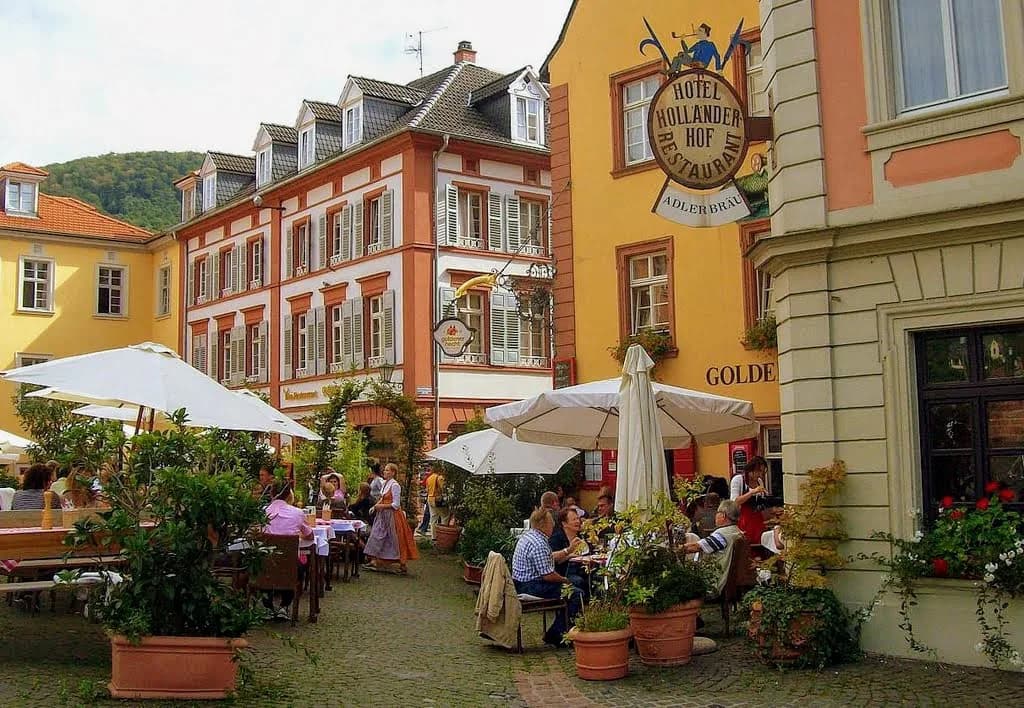
The outdoor season shapes both brewpubs. Vetter's says that as soon as the sun shows itself, guests sit outside, drawn by what it calls a Mediterranean feel in the old town; its outdoor seats and beer garden sit beside the walk toward the Alte Brücke. Kulturbrauerei's beer garden seats around 200, so on a warm evening the outside space is where a group without a reservation has the best chance.
Timing your trip also changes what is pouring. A February or March visit lines up with the Doppelbock at Vetter's, April and May bring the Maibock at both brewpubs, and the summer months bring the lighter, spritzier beers that suit outdoor seating. Winter has its own pull with the Weihnachtsbock in November and December.
If the weather turns, the Ritterhalle at Kulturbrauerei is the room to aim for, while Vetter's historic vaulted Stube is the cozier fallback and stays open regardless of season. Both are proper indoor rooms rather than heated tents, so a rainy afternoon is not wasted.
Brewpub or bottle: which Heidelberg beer night is yours?
For a first visit, book the Kulturbrauerei if you want space, a big beer garden and a set reservation, and go to Vetter's if you want the old-town vaulted room, a tasting board and the chance to try a strong beer with a history. Order the Helles first, move to the bock or VETTER 33 only if you are eating properly, and check the brewery's own pages for the seasonal list before you commit to a date.
For the bottled side, Heidelberger Brauerei is the name to ask for in restaurants, and the best restaurants in Heidelberg guide covers where a cold one fits into a full meal. Either way, Heidelberg gives you two versions of the same beer culture: brewed in the room, or poured from the city's own label.
Explore more Heidelberg guides
Frequently Asked Questions
What beer should I order first at Vetter's?
Start with the Brauhaus Helles, the pale house beer at about 4.5% alcohol, because it is the lightest and easiest of the regular pours. If you prefer wheat beer, the Dunkles Hefeweizen at about 4.8% is the other default. Order the tasting board if you want to compare several styles before settling on a full glass.
Is VETTER 33 still the strongest beer in the world?
Vetter's describes VETTER 33, at roughly 33°P original wort and about 10.5% alcohol, as having been entered in the Guinness Book in 1994 as the strongest beer by original wort. That is a 1994 record, not a current title, so treat it as brewing history. It is a strong sipping beer, best ordered alongside food.
Do I need a reservation at Kulturbrauerei Heidelberg?
Kulturbrauerei asks guests to book by phone, through Open Table or via its contact form, and says reserving is how it guarantees a table at the time you want. Its beer garden seats around 200 people, so a spontaneous group has more room outdoors in season. Indoor rooms including the Ritterhalle are smaller and fill faster.
Can I pay by card at Heidelberg brewpubs?
Vetter's accepts Visa, American Express, Mastercard, Diners and EC cards with PIN, so cards work there. Many German taverns outside that list still run cash-first, so carrying some euros is a sensible backup. Ask before ordering if you plan to pay by card at a smaller place.
Sources
Notes for your next German food trip
Optional updates to our guides.
You might also like
Continue reading
More guides you'll find useful