Beer Gardens in Bamberg: Bierkeller Picks and How They Work
Bamberg's beer gardens sit on hillside Bierkeller above the old town. Here are the cellars worth the walk, what to order and how a Keller visit works.
On this page
Pick Spezial Keller if you want the classic Bamberg beer-garden view: a hillside cellar a few minutes' walk from the old town, looking across to the Kaiserdom and Kloster Michaelsberg. Pick Fässla Keller or Greifenklau Keller if the brewery's own beer matters more than the panorama. This guide sets out what each one gives you, how a Franconian Keller actually works, and how to order food and drink without guessing.
A Bamberg Keller is a specific format. The city's beer gardens sit on the hills above the center, where breweries once stored beer in cellars and planted trees for shade. The modern versions are shaded benches, gravel, counter service and simple boards of cold cuts and cheese, so the trade-off is usually a climb in exchange for the view and the cooler air.
What a Bamberg Bierkeller Is
A Keller is not a restaurant with table service. It is a hilltop beer garden, usually run by a brewery, where you queue at a counter for beer and food, carry it to a bench yourself and settle up as you go. The setting is chestnut and linden trees, gravel, and a view down over the town rather than a riverside terrace.
Bamberg's beer geography follows that pattern. Three classic cellars sit in the hill district above the center, while around 25 more are spread across the surrounding Bamberg countryside, according to an overview of the region's beer gardens. That means a Keller visit is a short walk or a deliberate trip out of town, not something you stumble on beside the river.
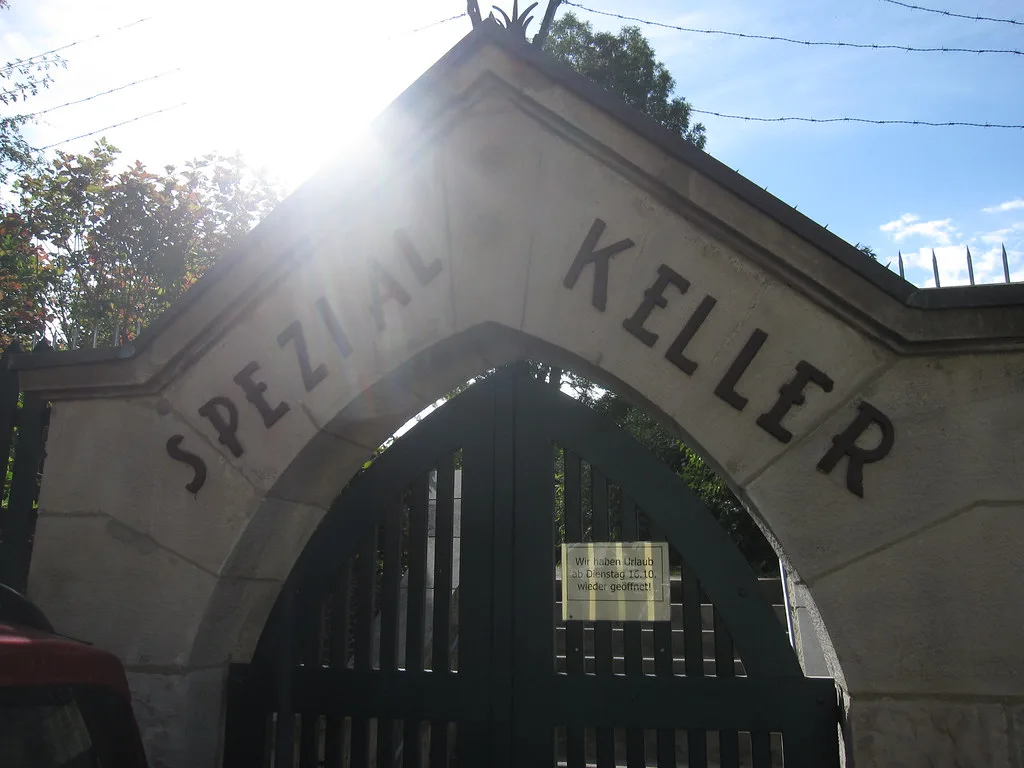
Spezial Keller: The View Over the Kaiserdom
Spezial Keller, usually called the Spezi-Keller, is the one to choose for the view. It sits a few minutes' walk from the old town and looks across to the Kaiserdom and Kloster Michaelsberg, which is why it is one of the best-known cellars in Bamberg. Go early on a warm evening or accept a wait for a bench with the panorama.
The beer list runs to a lager with a smoky note, Weizen and Helles. For food, the menu puts out both cold Brotzeit plates and hot Franconian dishes: Schäuferla with Klöße and Sauerkraut, that is roast pork shoulder with potato dumplings and sauerkraut, or Tafelspitz with Klöße, horseradish sauce and cranberries. If you want the full sit-down Keller meal rather than a snack, this is the cellar where that works.
Spezial Keller keeps a Ruhetag, a rest day, on Mondays; Tuesday to Friday it opens in the afternoon, with shorter Sunday and holiday hours around midday. Before you build an evening around one cellar, check its current hours and kitchen times directly, since they change with the season.
Fässla Keller and Greifenklau Keller: Brewery Cellars
Fässla Keller and Greifenklau Keller belong to Bamberg breweries, so the reason to climb to either is the beer itself. Choose between them by which brewery's beer you prefer, since both give you the shaded-bench, drink-in-the-open format. Order at the counter and take your beer to a bench.
Greifenklau Keller is the one to pick if you want the walk up followed by the brewery's own beer. Treat the climb as part of the visit and leave time for it rather than squeezing a Keller in between other stops.
If you want a brewery meal indoors instead of a hillside bench, the city center has options, and the best restaurants in Bamberg guide covers them alongside the beer halls. On a rainy day that is the smarter switch: a Keller is an outdoor format first.
How a Keller Visit Works
Order at the counter and carry your own beer and food to a bench. Nobody seats you and nobody brings the bill to the table, so keep some cash on hand in case the card machine is out of order. Tipping is done by rounding up at the counter, the same as anywhere else in Germany.
If you want a table for a group on a warm evening, arriving early beats trying to reserve, as the format is built around turning up and finding a bench. Small notes for the next round are handy if you pay cash at the counter.
Why the Cellars Sit on the Hills, and What That Means for the Climb
The hills above the old town are where breweries once dug cellars to keep beer cool, and the trees planted over them turned into shaded beer gardens. The result is that the best views come with a climb. Wear shoes you can walk uphill in and allow time for the walk whichever cellar you pick.
On a hot afternoon the shade and the higher ground make the climb worth it. Bamberg's historic center is a UNESCO-listed old town, and the hillside cellars give you the view back over it, which is a different experience from drinking at street level.
Bierkeller in the Bamberg Countryside
Around 25 cellars sit in the countryside around Bamberg, so a trip out of town is worth it if you want a quieter bench, a different brewery, or a proper afternoon rather than a quick drink. The trade-off is transport: you need to plan how you get there and back, and a rural cellar is not a place to rely on a taxi appearing at closing time.
Pick one rural Keller and build a slow afternoon around it rather than trying to tick off several. The Schmausenkeller in Reundorf is one of the better-known country cellars in the region. Ask at the counter what is offered that day.
Rauchbier, Kellerbier or Helles: What to Order
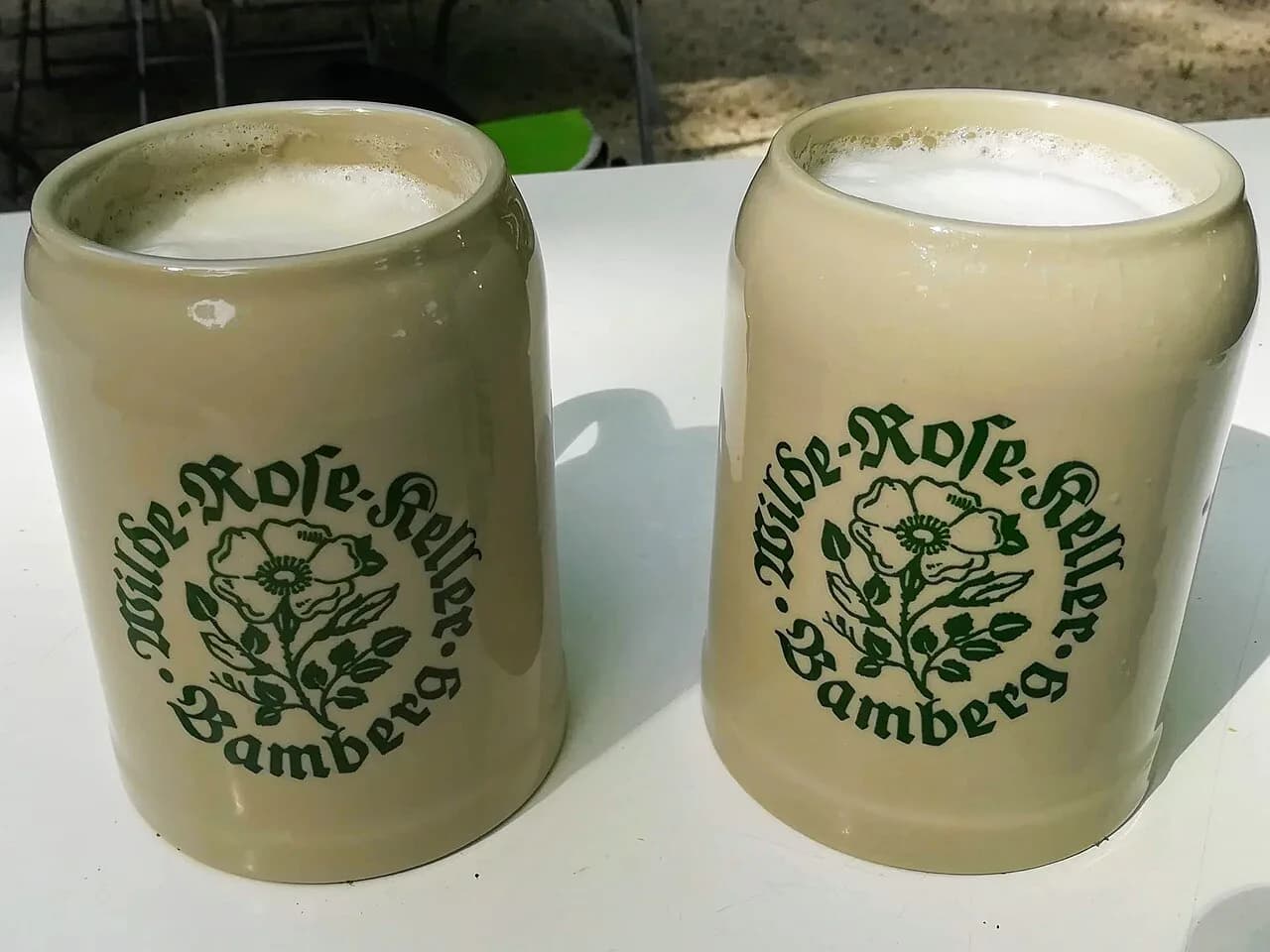
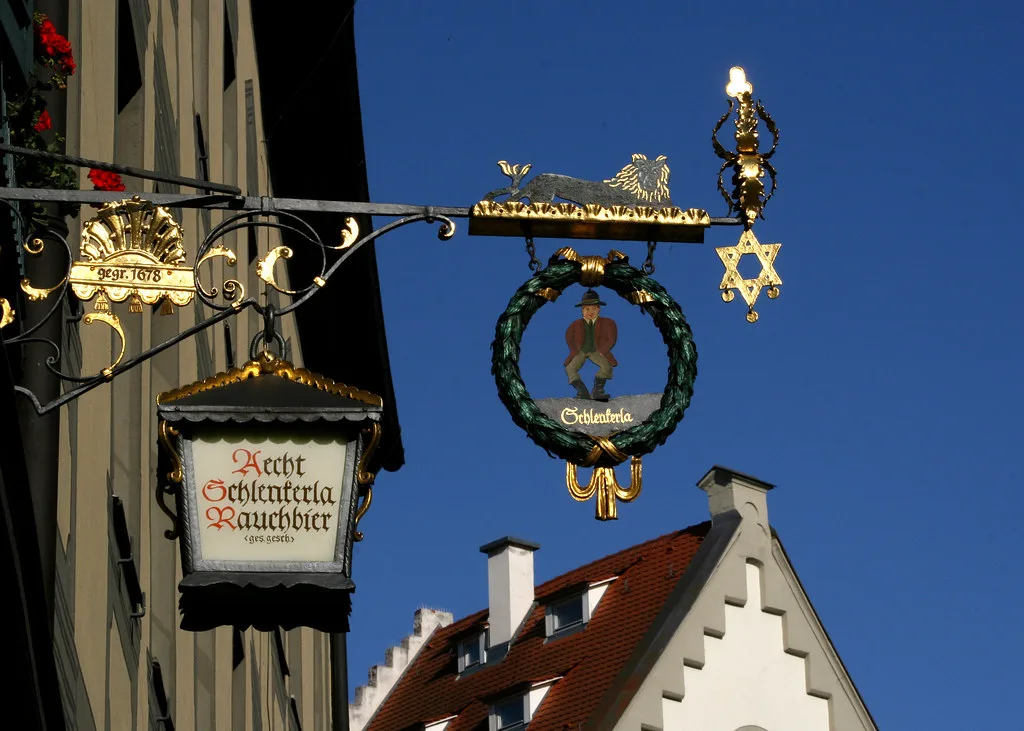
Rauchbier is the Bamberg signature: a beer brewed with smoked malt, which gives it a campfire aroma and a savory edge. If you have never tried it, order a small glass first rather than a full Seidla, the Franconian half-liter, and decide from there. Aecht Schlenkerla Rauchbier is the best-known example of the style.
If smoke is not for you, order a Helles or a Weizen and you will still get the Bamberg experience without the smoked flavor. Kellerbier, the unfiltered lager associated with the cellars, is the middle ground: malty and soft, with less of the smoke punch. Bamberg beer styles are worth reading up on before you go, especially if you want to compare the breweries.
Brotzeit, Gerupfter and Schäuferla: Decoding the Menu
Brotzeit means a cold board of bread, cheese, cold cuts, radishes and pickles, and it is the default Keller food. Gerupfter is a soft cheese spread made from camembert mixed with butter, onions and seasoning, served with bread, and it is the thing to order if you want something small with your beer. A Brotzeit plate is enough for two if you are also ordering a hot dish.
Schäuferla is the other name to recognize: roast pork shoulder, usually served with Klöße, potato dumplings, and sauerkraut. It is a full meal, so order it only if you are staying for a proper dinner rather than a snack. Vegetarian options at the cellars are limited, so if you eat vegan, plan around the Brotzeit cheese and check the vegan Bamberg guide for center-city alternatives.
Seating, Shade and What Happens When It Rains
The classic Keller seating is shaded benches under trees, with open gravel in between. On a hot day the shade is the point, so arrive early to get a bench under the canopy rather than in the sun. If it rains, most cellars have limited covered space, so have a backup plan in the center of town.
For a wet-weather day, the city's beer halls and brewery taps are the answer. The Bamberg Brauhaus Guide covers the indoor options, and it is the sensible switch when a hillside bench stops being appealing.
When the Cellars Open: Season and Timing
The Keller season is the warm half of the year, generally from spring to early autumn. A warm spring weekend fills the cellars fast, so if you are visiting in April or May, treat a sunny Saturday as a day to head up early rather than late. In the colder months, expect the hillside cellars to be closed and the city's indoor beer venues to carry the trade.
The Altenburg 1 restaurant sits on the hill above the city with a terrace looking down over Bamberg. It takes reservations by phone only and keeps Monday and Tuesday as rest days, with warm food served around midday and again in the evening Wednesday to Saturday.
Cash, Cards and Tipping at the Counter
Many Franconian cellars still run on cash, so carry euros and do not rely on a card. Order and pay at the counter, round up for the staff, and keep small notes for the next round. If you want a card-friendly sit-down meal instead, the fine dining Bamberg options in the center are the safer bet.
Which Keller Should You Choose?
Choose Spezial Keller for the view and a hot Franconian meal, Fässla Keller or Greifenklau Keller for the brewery's own beer and a simpler Brotzeit, and a rural cellar if you want a quiet afternoon and do not mind organizing transport. If the weather turns, move to a Brauhaus in the center rather than waiting out the rain on a hillside bench.
Explore more Bamberg guides
Frequently Asked Questions
Do you need reservations for Bamberg beer gardens?
Generally no. The Keller format is built around turning up, ordering at the counter and finding a bench. For a group on a warm evening, arriving early is more useful than trying to book.
Are Bamberg beer gardens dog-friendly?
Many Franconian beer gardens welcome dogs, but rules vary by venue, so ask at the counter when you arrive.
Can you bring your own food to a Bierkeller?
Rules vary by venue, so ask at the counter before unpacking. If you want a guaranteed meal, order a Brotzeit plate or a hot dish from the cellar itself.
Sources
Notes for your next German food trip
Optional updates to our guides.
You might also like
Continue reading
More guides you'll find useful