Lübeck Marzipan Guide: Taste, Buy, and Decide
Lübeck marzipan is a protected almond confection with at least 70 percent almond paste. Here is what makes it distinct and where to taste it in town.
On this page
Lübeck marzipan is the almond-and-sugar confection that made this Baltic port famous, and the version sold under the name must contain at least 70 parts almond paste to 30 parts sugar, which is why it tastes denser and nuttier than most marzipan elsewhere. This guide covers what the protected name actually guarantees, who still makes it in town, and where to buy or taste it without wasting a afternoon on the wrong shop.
Lübeck is a compact old town, so the marzipan stops fit easily around a meal. Pair a shop visit with lunch from our pick of the best restaurants in Lübeck, or slot a café slice into a morning of walking the Trave waterfront.
What Lübeck marzipan actually is
At its core, marzipan is ground almonds and sugar worked into a paste, and Lübeck's version is defined by how much of the former goes in. The paste is shaped into loaves, hearts, figures and sweets, then often coated in chocolate or painted by hand with food coloring.
Historians trace marzipan back to the Orient in the ninth century, and the familiar story that starving Lübeckers made loaves from almonds and sugar found in the port during a 1407 famine is legend rather than documented fact. What is certain is that the sweet was perfected here, and the word appears in Lübeck's guild rolls by 1530.
For centuries it was a luxury: only apothecaries could trade in sugar and spices, and it took cheaper beet sugar in the early 1800s to put marzipan within reach of ordinary households. Around 135 producers, mostly pastry shops, were working in the city in 1800.
Why the name is protected
Since July 1996, Lübecker Marzipan has been registered in the European Union as a protected designation of geographical origin, the same class of protection given to Gouda cheese or Champagne. That means the name on a package is a legal claim about where and how the product was made, not just a marketing label.
Marzipan is made all over Germany, so protection matters when you are standing in a shop comparing boxes. Look for Lübecker Marzipan rather than a generic marzipan label, and the ratio on the ingredients will tell you how almond-heavy it really is. For a sit-down meal after the shops, see The Best Restaurants in Lübeck.
The almond-to-sugar rules
European rules allow a product sold as marzipan to go as low as 50 parts paste to 50 parts sugar, which is why cheap versions taste mostly sweet. Lübeck sets a higher bar: standard Lübeck marzipan runs at least 70 parts marzipan paste to 30 parts sugar, and Lübeck fine marzipan at 90 parts paste to just 10 parts sugar.
Each producer keeps its own exact ratio as a trade secret within those limits, so two loaves from different houses will not taste identical. If you want the most intense almond flavor, ask for fine marzipan and expect a firmer, less sweet bite; if you want something closer to candy, the standard grade is the safer buy.
How it is made
Almonds are shelled by machine, checked by eye for fragments of shell, then ground and blended with sugar before the paste goes into copper cauldrons to roast, a step that also drives off excess moisture. The paste rests in cooling boats, is shaped into loaves, hearts, sweets or figures, and is filled and chocolate-coated depending on the product.
Figures are still painted by hand with food coloring before packing, which is why the decorated pieces cost more than plain loaves. Most everyday products are now made industrially, with handwork reserved for the higher-quality lines.
Niederegger, the oldest surviving maker
Niederegger opened in 1806 and is the oldest marzipan manufacturer still in existence in the city. It now exports to around 40 countries and employs roughly 500 people, making it by far the best-known name on the shelves.
Its scale is also its drawback: the flagship shop is a busy, brightly lit tourist stop rather than a quiet workshop. Go early in the day or accept that you will be browsing shoulder to shoulder in high season.
The smaller Lübeck makers
Niederegger is not the only house left. Erasmi & Carstens is another established Lübeck producer, and the boutique maker Mest works with organic ingredients and unusual flavors, including a garlic marzipan for the curious.
A handful of producers remain today compared with 29 around 1900, so seek out the smaller names if you want something you will not find in every airport shop. Their output is limited, which means flavors rotate and boxes sell through.
What to buy and carry home
The classic purchase is a marzipan loaf, the plain paste in its traditional bread-like shape, or chocolate-covered marzipan hearts, which travel better in a suitcase. Marzipan potatoes are the small rolled pieces familiar to German children, and the round Marzipan Torte is a fully marzipan paste enrobed in bittersweet chocolate rather than a sponge cake.
Check the label for the word Lübecker and for the paste-to-sugar grade before you pay, since a pretty tin says nothing about what is inside. Weight matters too: a dense fine-marzipan loaf is heavier than a sugary one of the same size.
Where to taste it: shop, salon and café
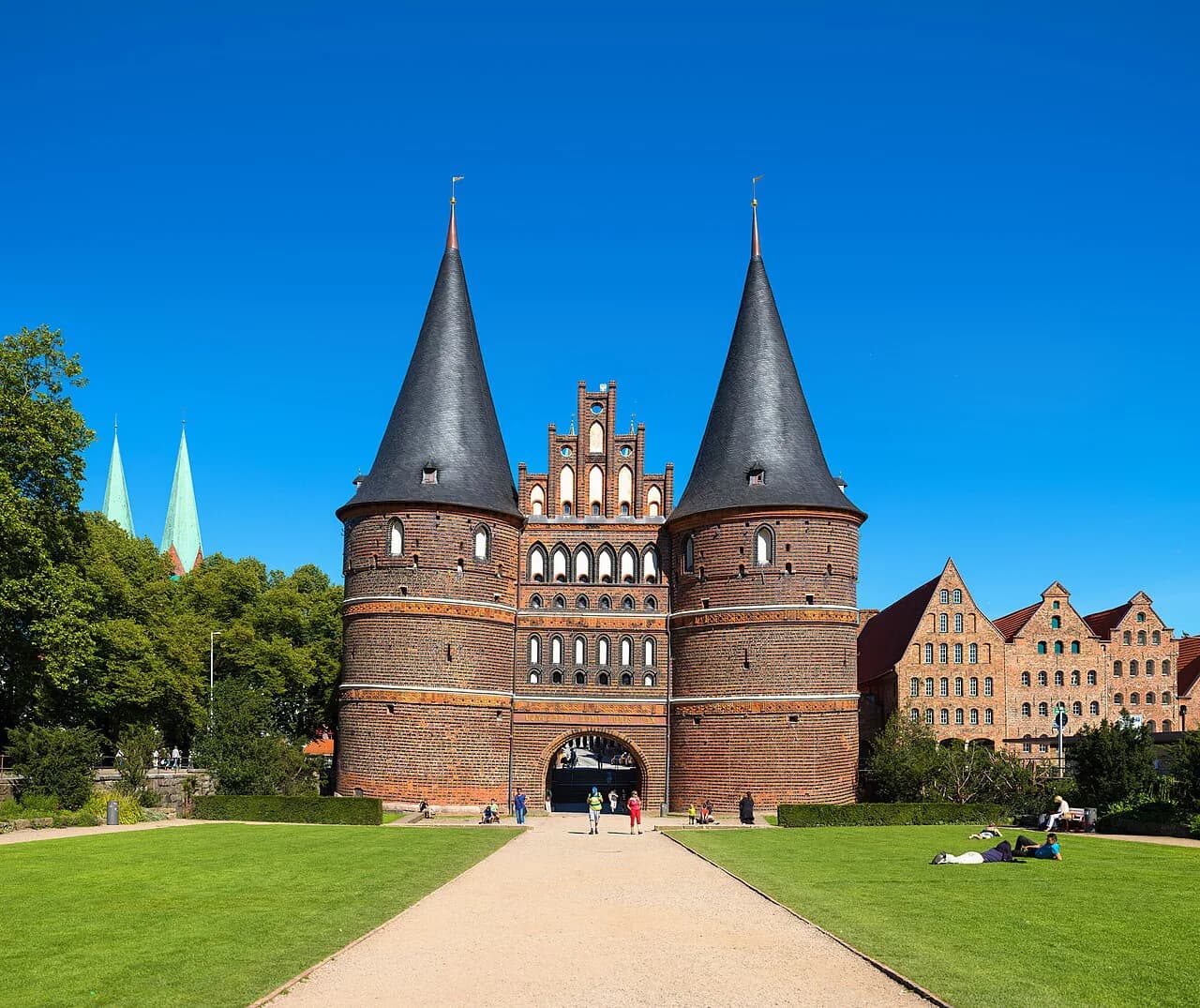
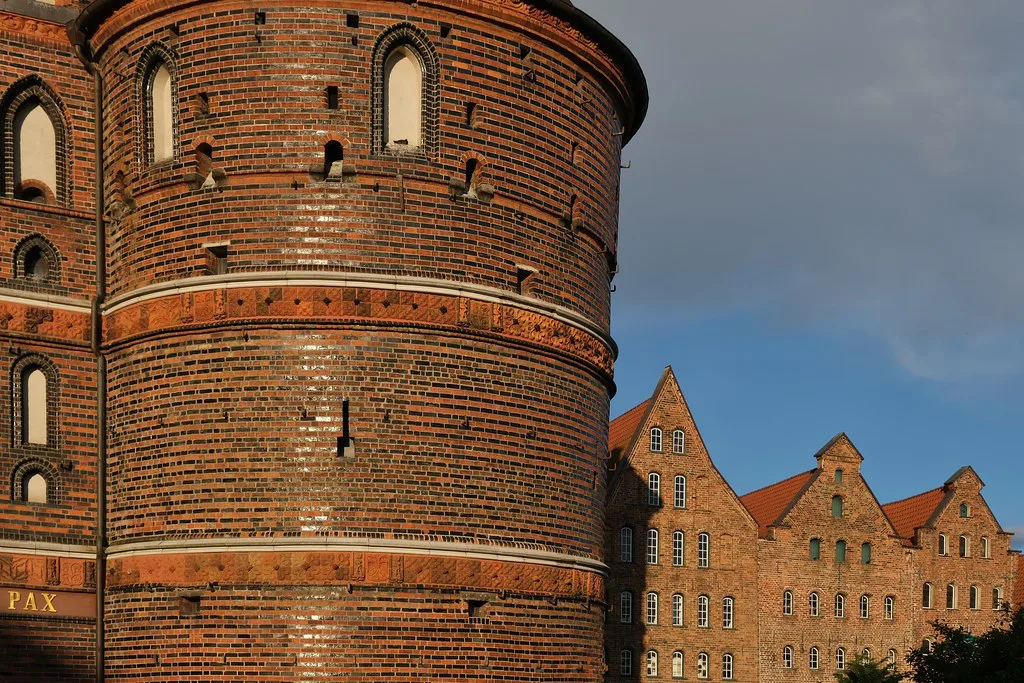
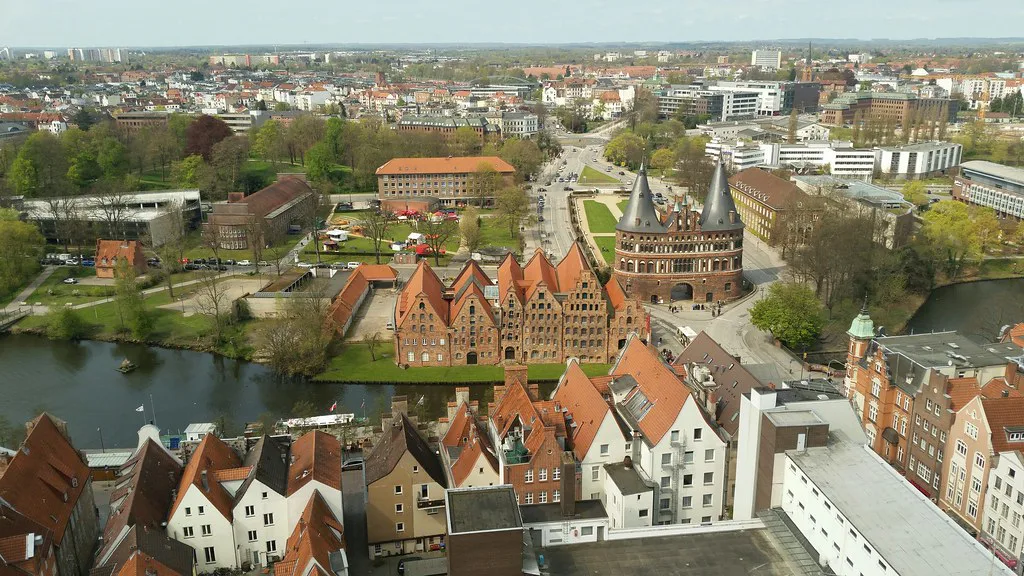
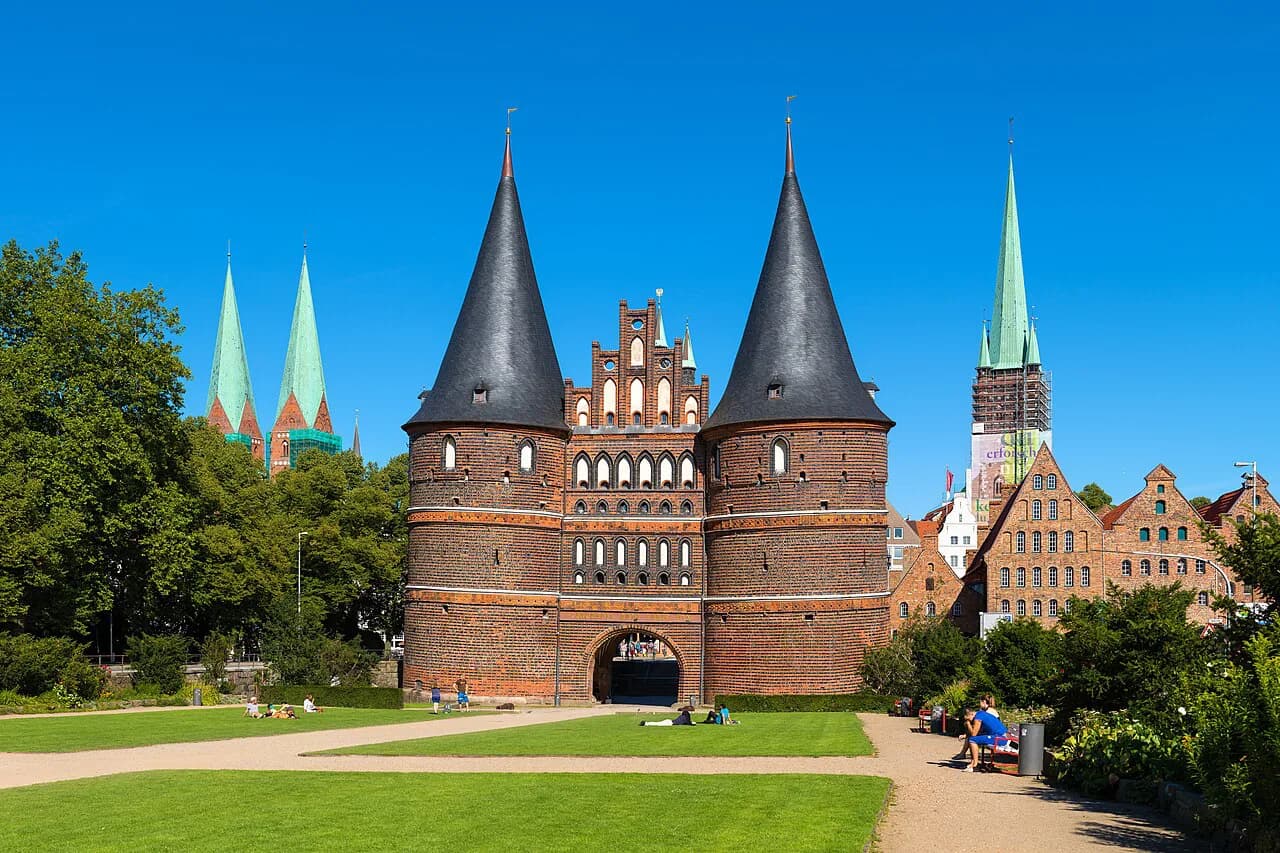
The Niederegger Marzipanerie is the main shop, stocked with hundreds of chocolate-covered, glazed and decorated specialties alongside classic loaves and hearts. The upstairs Marzipan Salon explains the history and science of the confection, displays old grinding tools, and shows life-size figures and Lübeck landmarks such as the Holsten Gate built entirely from marzipan.
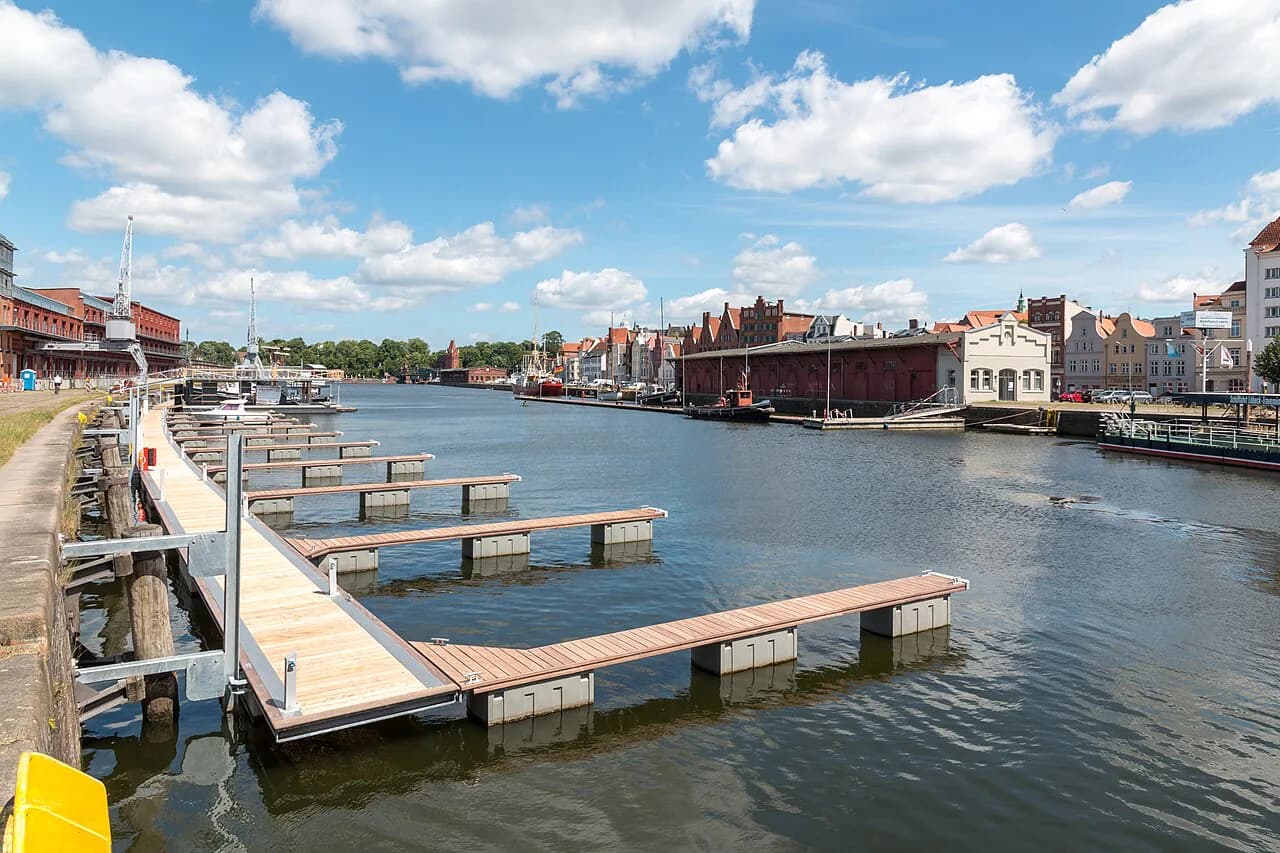
Separately, the Marzipan Speicher sits on the Trave River, with a second-floor café serving a rich marzipan cake and a shop selling marzipan in many shapes. Treat these as three distinct stops: the shop for boxes, the salon for context, the Speicher for a sit-down slice by the water.
Marzilade, gin and other ways to try it
Beyond the candy counter, Lübeck marzipan turns up as marzilade, a fruit-and-marzipan spread that works on bread, in pastries or over ice cream, and as a marzipan gin. The spread is sold at the city's Tourist Information office among other places, which makes it an easy last-minute purchase.
These products are a low-commitment way to taste the almond flavor without buying a whole loaf. If you are traveling with hand luggage only, a jar of spread is also easier to pack than chocolate, which softens in a warm bag.
How to eat it without overdoing it
Marzipan is dense and sweet, so a small piece alongside a coffee is a better introduction than a plateful, especially before a heavy northern German lunch. Order a single slice of marzipan cake in the café and share it if you are unsure of your tolerance for almond paste.
If you are planning meals around the sweet, our guide to what to eat in Lübeck covers the savory side, and Vegan and Vegetarian Food in Lübeck is worth reading if you need to check which shops and cafés work for a plant-based diet.
For a proper sit-down coffee near the shops, our list of Lübeck Cafés covers the options beyond the marzipan houses themselves. A morning bakery stop is covered in Breakfast in Lübeck if you want to save your marzipan for later in the day.
Shop, salon or café: which stop first?
Start at the Niederegger Marzipanerie for the range and the upstairs salon, then walk to the Marzipan Speicher for cake by the Trave if you want to sit down. Buy your boxes last so chocolate does not melt while you walk.
If you only have time for one stop, choose the shop: it is where you can compare grades, read labels and pick up a loaf or hearts to take home. The café slice is the better experience if you would rather taste than carry.
Explore more Lübeck guides
Frequently Asked Questions
Is marzipan German or Italian?
Marzipan is traced to the Orient in the ninth century and was later perfected in Lübeck, which is why Germans associate it with that city. Italy has its own almond confection traditions, but Lübecker Marzipan is a specifically protected German product.
What are some popular brands of marzipan in Lübeck?
Niederegger is the best-known and oldest surviving maker, opened in 1806. Erasmi & Carstens is another established Lübeck producer, and the boutique maker Mest focuses on organic ingredients and unusual flavors.
What is Lübeck known for besides marzipan?
Lübeck is a historic Baltic port with a compact old town and the Holsten Gate, one of its best-known landmarks. Its food culture also covers the savory side, from fish to northern German home cooking.
How much marzipan can I bring home?
There is no fixed limit for personal use within the EU, but check your home country's rules for food imports before packing a large order. Loaves and chocolate-covered hearts travel better than soft filled pieces.
Sources
Notes for your next German food trip
Optional updates to our guides.
You might also like
Continue reading
More guides you'll find useful