What to Eat in Lübeck: Local Dishes and Where to Try Them
Lübeck's table runs on marzipan, almond bread and Baltic fish. Learn what each local specialty is, how it is served and where to try it.
On this page
What to eat in Lübeck comes down to one ingredient first: marzipan, the sweet almond paste the city has built its name on. Order a slice of Marzipantorte with coffee, buy a chocolate-covered Marzipanbrot to take home, and let the savory side of the day come from the fish and Holstein cooking on local menus.
This guide separates marzipan the ingredient from marzipan the cake, so you know what lands on your plate. It also covers where the city's marzipan story is told, what to look for on savory menus, and how to spend your euros without surprises.
What Lübeck is known for on the plate
Marzipan is the food visitors associate with Lübeck, sold as shaped figures, cake filling, wedding-cake decoration and chocolate-coated loaves. The city's own tourism office treats it as Lübeck's most famous treat and ties it to the old hanseatic trade in almonds and sugar. Beyond the sweet counter, expect a northern German table built on fish and the farm cooking of Holstein.
The practical split is simple: marzipan is what you eat between meals and carry home, while lunch and dinner are where you look for the region's savory cooking. Plan one deliberate marzipan stop and one full sit-down meal rather than grazing the whole day.
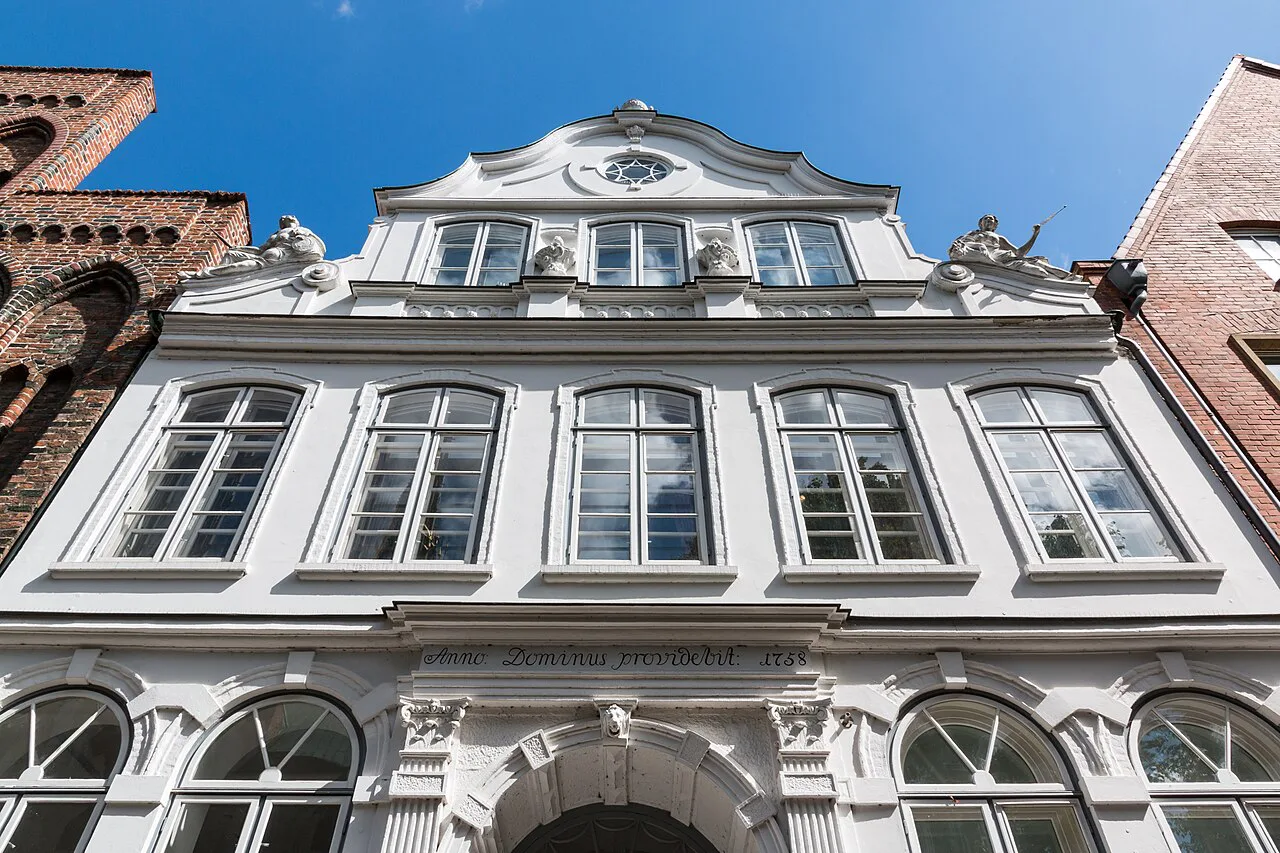
Lübecker Marzipan: almonds, sugar and rose water
The base is almonds and sugar, with rose water used for aroma; each Konditorei (confectioner's shop) keeps its own recipe. That is why two pieces of marzipan can taste quite different: the ratio of almond to sugar and the way the paste is worked both shift the result.
Lübeck's claim to the sweet rests on a local legend rather than a settled fact. As the story goes, when the city faced hunger around 1407 and the grain stores were empty, bakers were told to make bread from almonds, which gave the almond loaf its name. Similar versions are told in other marzipan towns, so treat it as storytelling with a kernel of civic pride.
The lore around the word itself is just as unsettled, with explanations running from Latin marci panis to a Byzantine coin called mauthaban. What is clear is that almonds and sugar were once luxury goods arriving through the port trade, and marzipan stayed an elite pleasure until cheaper beet sugar widened its audience in the nineteenth century.
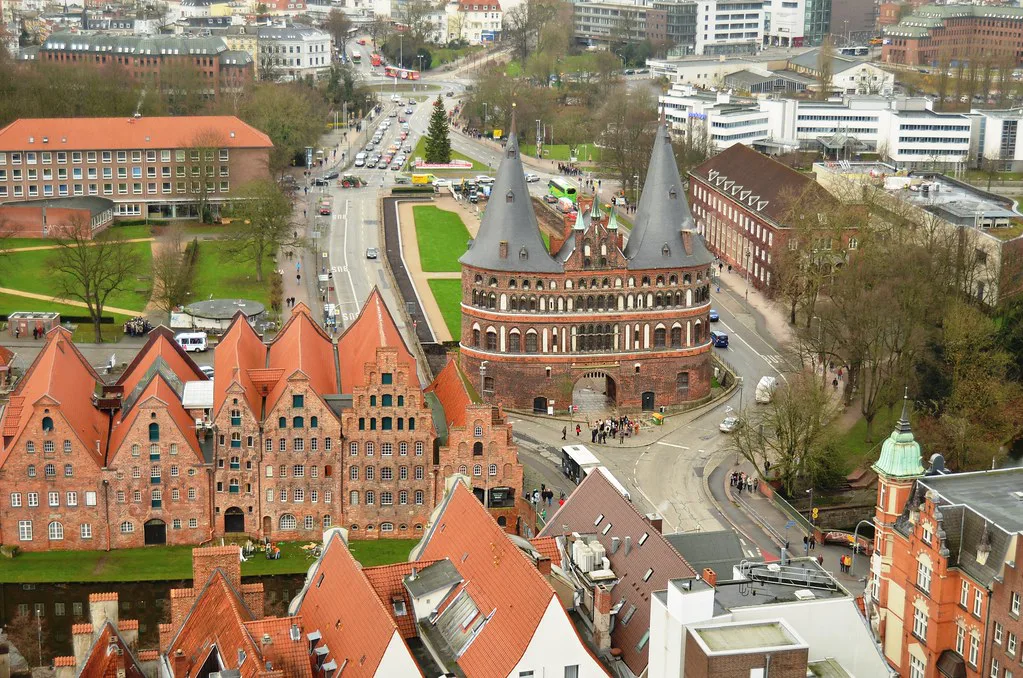
Marzipan in its forms: bread, figures and cake
Walk into any marzipan counter and you meet the same paste in different shapes. Marzipanbrot is the loaf form, often coated in dark chocolate and sold as a whole piece or in slices. Shaped figures, pigs and chimney sweeps among them, mark the turn of the year, while small spice-dusted potatoes appear in the weeks before Christmas.
Marzipantorte is the sit-down version: a cake built with or covered in marzipan, served by the slice with coffee. It is a different order from buying a plain piece of marzipan to nibble, and the sweetness runs accordingly. If you want the flavor without a full dessert, take a small piece of the plain paste and let the cake be a shared slice.
Where marzipan lives in town: the Niederegger museum and café
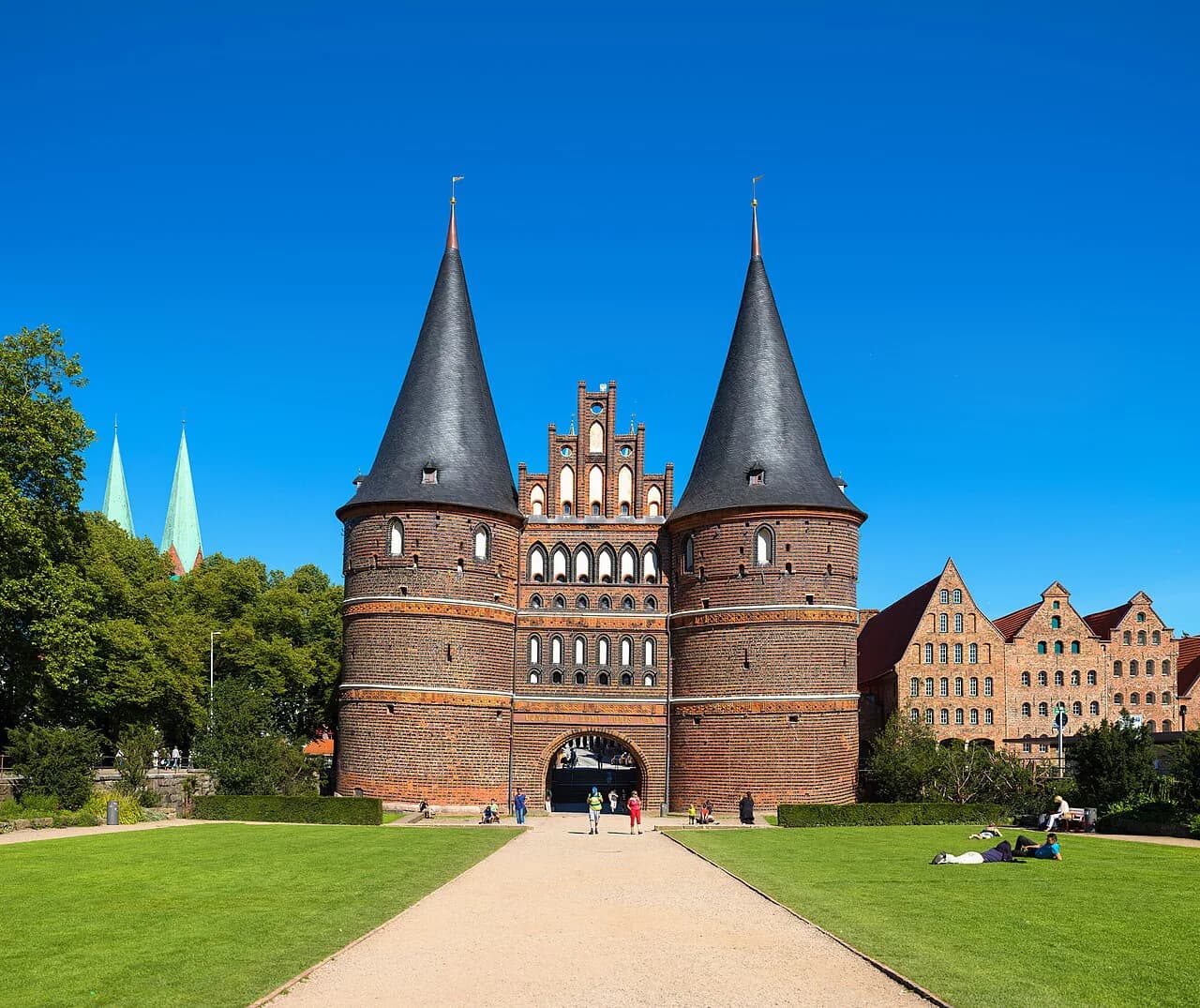
The Niederegger Marzipan Museum in Lübeck tells the city's marzipan story, and the tourism office points visitors there to trace how the sweet became the city's signature. A separate marzipan exhibition near the Holstentor gate, at the entrance to the old town, covers the same subject and has a café on site.
At the exhibition by the Holstentor, the café turns marzipan into a sit-down order, with cake and coffee serving as the natural pause in a morning of walking. Seeing the process and then eating the result in one stop is the appeal.
If you want to compare styles, a Konditorei slice is the cheapest way to see how one shop's recipe differs from another. Do not expect every café to serve Marzipantorte; ask at the counter before you sit down.
From pharmacy tonic to noble table to everyday sweet
Before marzipan became candy, it was sold in pharmacies as a medicine. The tourism office notes that a Persian physician mentioned it in Arabic medical writing around 900, and medieval recipe books credited it with benefits for the stomach and digestion.
Once the confectioners' guild took it over, sugar was still costly enough that only nobles and wealthy burghers ate marzipan, sometimes gilded with real gold leaf for the highest tables. When beet sugar made production cheaper in the early 1800s, ordinary Lübeck households could finally buy the fine paste. That shift explains why marzipan reads as both a luxury gift and an everyday local snack today.
What to order with coffee: cake or a plain piece
With coffee, the real choice is between a slice of Marzipantorte and a small piece of plain marzipan. Cake brings sponge, cream or chocolate into the picture and eats sweeter; plain marzipan is denser and more almond-forward, closer to what the paste actually tastes like.
If you find marzipan too sweet on its own, the bitter-chocolate-coated loaf balances it better than a sugar-heavy figure. Order a slice to share, then decide whether a whole loaf is worth carrying home.
Eating marzipan as a souvenir
A Marzipanbrot travels well: it is firm, wrapped and does not need refrigeration for a normal trip home. Small figures and spice-dusted pieces are more fragile and can crush in a bag, so pack them on top.
The trade-off is freshness against shelf life. A cake slice is the better eating experience but will not survive a flight, while a sealed loaf is the practical gift. Buy the loaf on your last day and keep the cake for the café table.
The savory side of a Lübeck day
After the sweet, look for fish on local menus: the city sits close to the Baltic, and northern German cooking leans on the catch, smoked and pickled forms included. Holstein farm cooking brings sturdy meat, potato and vegetable plates that suit a cool coastal day better than a light lunch.
The best way to judge a menu is to read it before you sit down; the day's fish and the regional plates are usually marked as such. For a table-by-table pick, start with our list of best restaurants, which covers the sit-down options in and around the old town.
How a Lübeck eating day fits together
Start with a bakery breakfast, which in northern Germany often means a roll with cheese or cold cuts and a coffee rather than a hot plate. If you want a longer sit-down morning, our guide to breakfast in Lübeck covers the brunch side of town.
Put the marzipan stop mid-morning or mid-afternoon, when it works as a pause rather than a meal. Save the proper sit-down lunch for afterward and keep the evening light if the cake was generous. Readers traveling without meat will find plant-based options listed in our vegan Lübeck guide.
Ordering and paying in Lübeck
Lübeck runs on euros, and smaller cafés and shops may still prefer cash, so carry some notes even if your card works most places. Many kitchens close between lunch and dinner, and some close one day a week, so plan the big meal as lunch unless you have confirmed the evening.
In a Konditorei, order at the counter and pay there before or after eating, depending on the shop's setup. Tipping works the German way: round up or add a few percent at the table when you pay, rather than leaving coins behind.
Which stop earns your marzipan budget?
One museum-and-café stop plus one proper sit-down meal is the shape that fits a Lübeck day best. If time is short, skip the second sweet purchase and put the money toward lunch instead.
For the full table list, use our guide to the best restaurants in Lübeck as your starting point and match the venue to the meal you actually have time for.
Explore more Lübeck guides
Frequently Asked Questions
Is Lübeck worth visiting for its food alone?
Marzipan is the one food that justifies the stop on its own: it is made here in cake, loaf and figure form, and the Niederegger museum and café let you see the story and taste the result in one visit. The savory side of Lübeck is pleasant northern German cooking rather than a destination cuisine, so pair the marzipan with a proper lunch and treat the rest of the day as city walking.
What does Marzipantorte taste like?
It is a cake built around almond paste, so expect a dense, sweet, almond-forward flavor supported by sponge, cream or chocolate depending on the shop. It is much sweeter than a plain piece of marzipan and works best by the slice with coffee.
Can I buy marzipan to take home from Lübeck?
Yes: the sealed, chocolate-coated Marzipanbrot is the practical choice because it holds up in a suitcase, while loose figures and small pieces crush easily. Buy it near the end of your trip so it stays fresh.
Sources
Notes for your next German food trip
Optional updates to our guides.
You might also like

Continue reading
More guides you'll find useful