Leipziger Lerche: Leipzig's Almond Tart, Explained
Leipziger Lerche is a small Leipzig tart of shortcrust, apricot jam and almond filling, made to replace a banned songbird. Here is what it is and where to buy it.
On this page
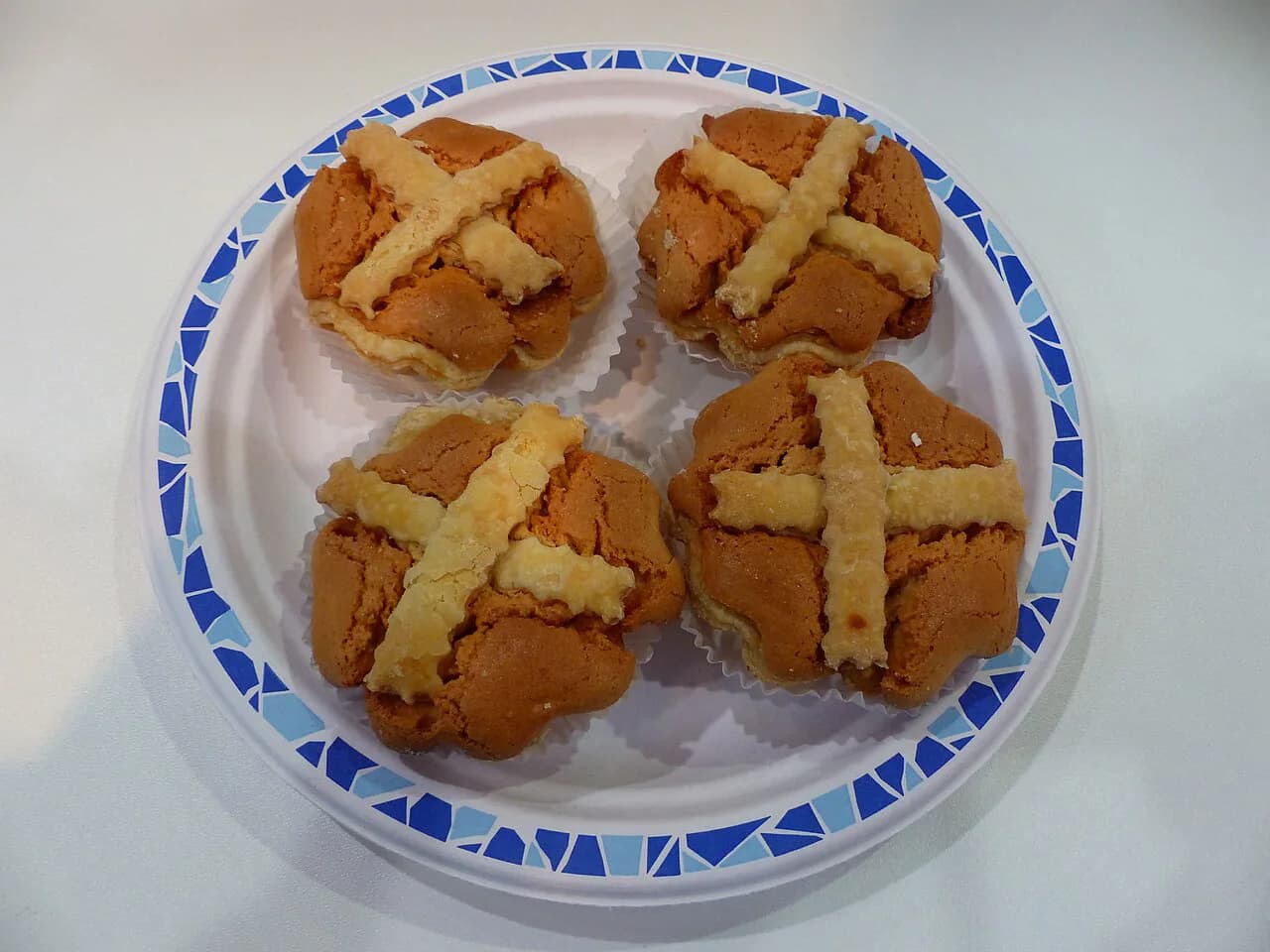
A Leipziger Lerche is a small round tart: crumbly shortcrust, a spoon of apricot jam, a dense almond-and-butter filling, and a thin cross of pastry laid over the top. It is the sweet answer to a banned bird, and it is the one Leipzig specialty you can buy, carry and eat without sitting down for a full meal.
This guide covers what the pastry actually tastes like, why it carries a bird's name, and where to buy an Original Leipziger Lerche in the city. For the savory side of a Leipzig eating day, the best restaurants in Leipzig covers the main tables.
What a Leipziger Lerche is
Think of it as a muffin-tin tart rather than a slice of cake: a shell of Mürbeteig (shortcrust pastry) pressed into the hollow, a layer of Aprikosenmarmelade (apricot jam), then a firm mixture of butter, sugar, flour and gemahlene Mandeln (ground almonds). A cross of pastry strips goes on top before baking, so the finished tart looks like a little lidded pie.
The proportions matter more than the decoration. The almond filling bakes into a dense, slightly chewy layer that sits heavily on the tongue, and the apricot jam underneath cuts it with a tart edge so the whole thing does not turn cloying. Without that jam line, the tart would read as plain marzipan in a crust.
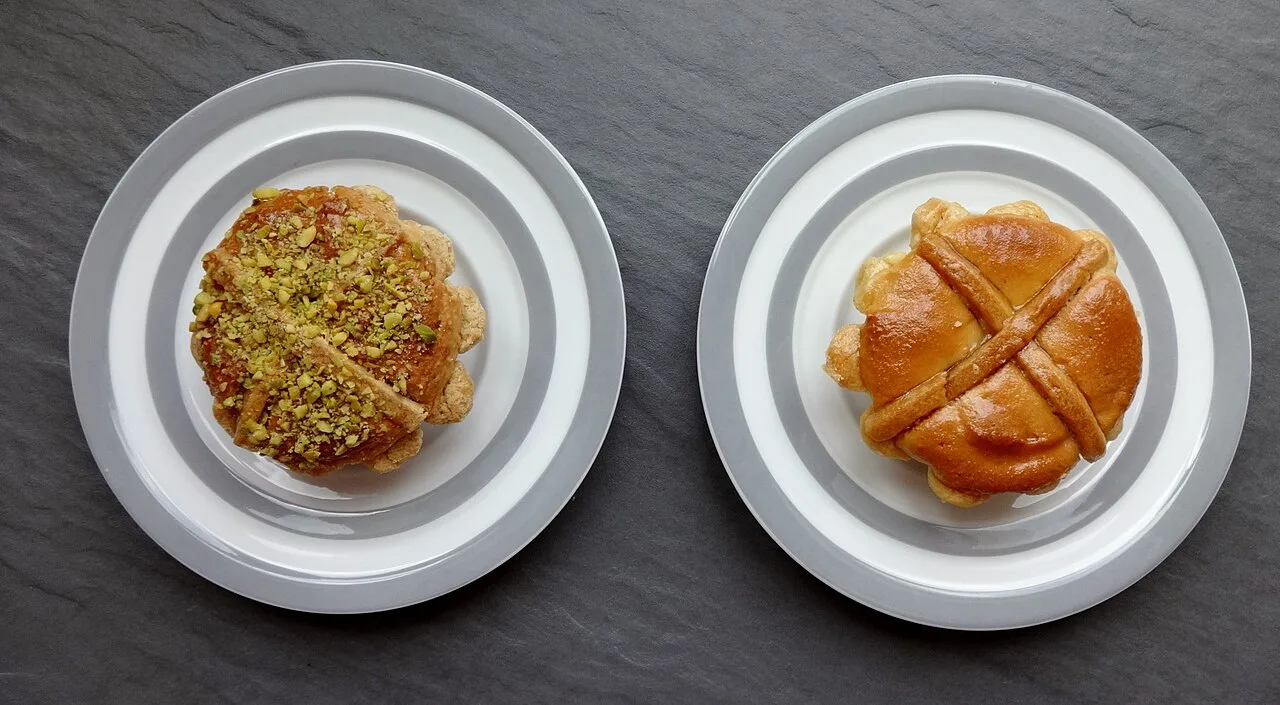
Bakers do not agree on a single recipe. The pastry case itself is sometimes shortcrust and sometimes a flakier dough, and the filling can be varied with spirits such as brandy or rum, cinnamon, or different fruit at the core, which is why two tarts from two shops can taste noticeably different.
Why it is called a lark
The name is not decorative. A roasted, plucked Feldlerche (skylark) was a festive dish in Leipzig from the Middle Ages onward, and the bird was caught in numbers for the table until animal-welfare pressure led to a ban on catching it in 1876.
The pastry kept the name, not the meat. A baker, probably working in Leipzig, is credited with creating a sweet replacement to fill the gap left when the bird trade collapsed, and the shape and the crossed top are the visual echo of the old dish.
Nobody can name the inventor. The city's records and the Saxon economic archive hold no entry identifying which Leipzig baker first made it, because not everything in the nineteenth century was written down.
From feast dish to bakery counter
For most of the twentieth century the name was open to anyone. Until 2003 no one held legal rights to it, so any bakery could sell something called a Leipziger Lerche, and a Leipzig baker who tried to register the pastry as her own was challenged in court by the Bäckerinnung Saxonia, the Saxon bakers' guild, which won the product rights for the trade as a whole.
That history explains why you will see the word Original on some boxes and not others, and why the tart is treated as a piece of Saxon craft rather than a factory product. The guild's position, argued by master baker Jürgen Kleinert, was that the pastry should stay with the region's small bakeries.
This was a trademark dispute within the trade, not an origin-protection scheme, so treat the label on the box as a statement about who baked it rather than a guarantee of a single official recipe. Visitors are the main buyers of the tart, which bakeries report selling heavily to tourists and to hotels ordering for guests.
How it tastes and what to expect
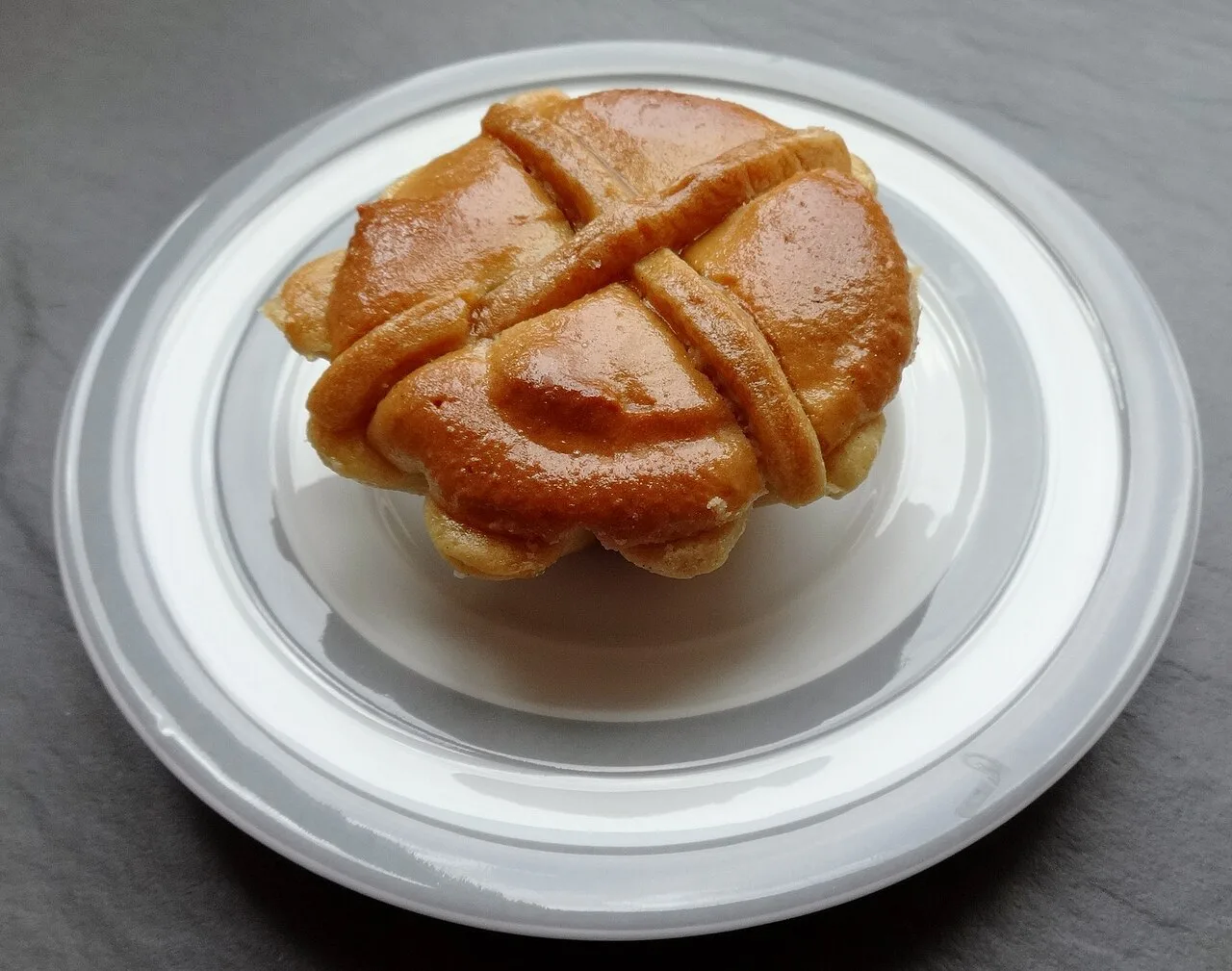
Expect a tart you can finish in three or four bites, with a crumbly shell that sheds as you go. The almond layer is the dominant flavor, closer to a soft marzipan than to a sponge, and the apricot jam reads as a sharp stripe rather than a sweet one. The pastry cross on top is mostly texture.
It is a coffee-counter pastry, not a dessert. Buy one with an espresso or a Milchkaffee in the afternoon, and buy a second only if you have a serious sweet tooth, because the butter-and-almond filling is heavy for its size. A tart weighs about 90 grams, according to the Leipzig bakers' guild.
If you are choosing between bakery stops, a Leipzig Konditorei will usually have the wider cake case, while a craft bakery is the better bet for a fresh Lerchen. The full café roundup covers both ends of that choice.
Buying one in Leipzig
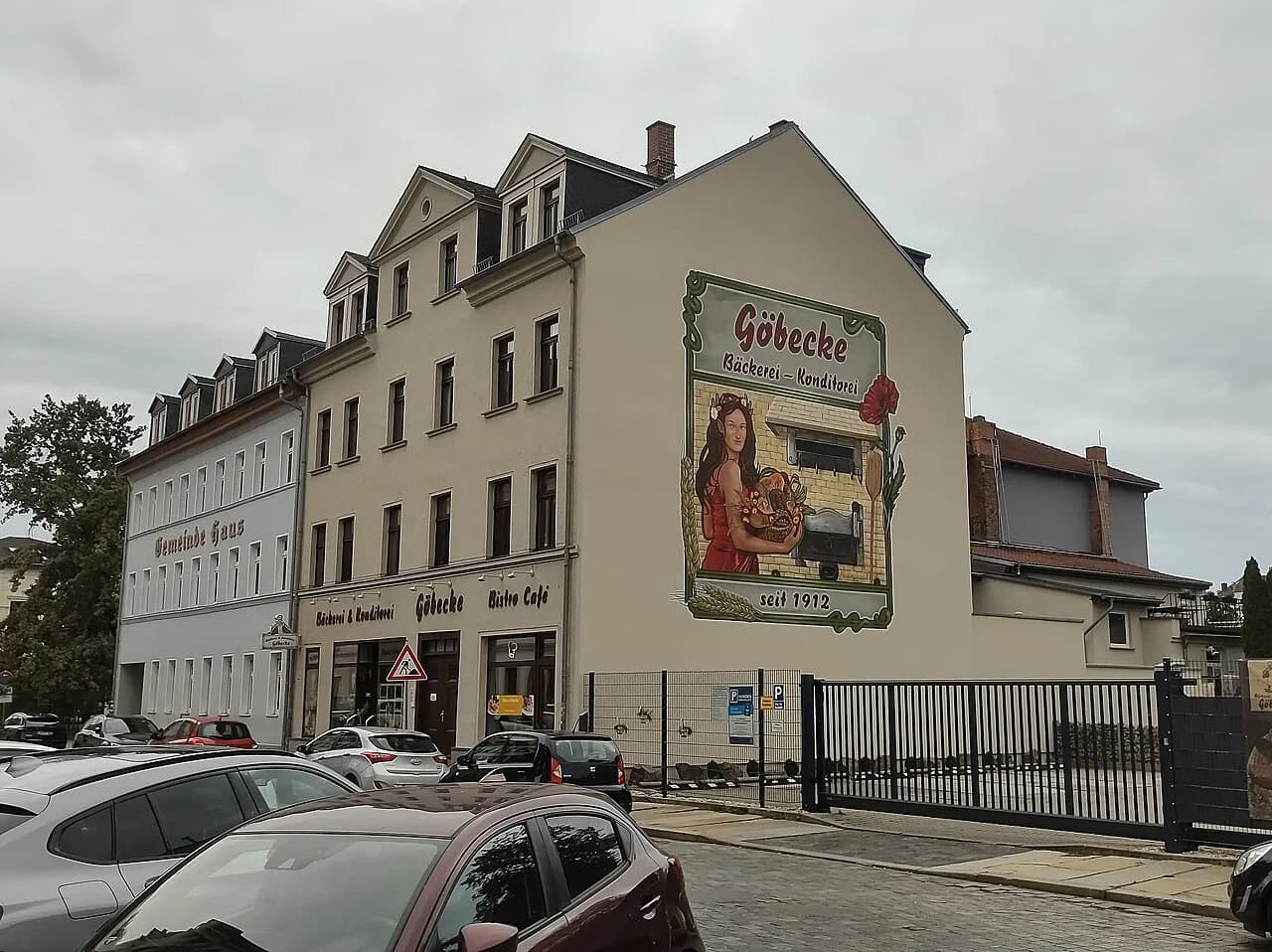
Bäckerei Kleinert is the named stop for this pastry: a family bakery and Konditorei on Lützner Straße 192 in Leipzig-Lindenau, in the west of the city, which sells Original Leipziger Lerchen alongside its breads, buns and Saxon cakes. The shop describes itself as a family business in Lindenau and lists the Lerchen as its own product line, including gift packaging.
Lindenau sits a short tram ride west of the center, so pair the bakery with a walk along the Karl-Heine-Straße area rather than treating it as a detour from the Old Town. If your day is built around the center, buy the Lerchen on the way out and carry them with you.
A wider plan helps if you want one stop for cakes and another for a sit-down meal. The German Restaurants in Leipzig guide covers the traditional kitchens where a Leipzig lunch makes sense before or after the bakery.
Eating it and carrying it home
Eat one on the spot and take two flat. The pastry shell is fragile and the almond filling is soft, so a tart bouncing loose in a bag will arrive cracked, with the jam pushed out at the sides. Ask for them boxed in a single layer, or buy the gift-packed version if you are traveling onward.
For the trip home, keep the box out of a hot car and away from a heavy suitcase. The tarts survive a train ride well enough but not a day of sightseeing on your back. On timing, ask at the counter when the Lerchen come out of the oven, since a warm tart is better than a cold one.
If you would rather drink your afternoon calories, Leipzig's Gose beer is the other local flavor worth knowing, and the beer side of a Leipzig day is covered separately. A Lerchen and a glass of Gose make a strange but genuine pairing.
Making them yourself
The home version is straightforward if you own a muffin tin. Roll the shortcrust about 3 millimeters thick, cut circles wide enough to line the hollows, and press each one into a basket shape with a slightly raised rim. Chill the dough before rolling so it does not tear.
Put a tablespoon of apricot jam in each case, then top with the butter-almond mixture, which is made by creaming soft butter with powdered sugar and folding in flour, cornstarch and ground almonds plus whipped egg white. Lay two thin pastry strips in a cross on top, brush with milk or egg yolk, and bake at around 180 °C with top and bottom heat for roughly 35 minutes.
Let them cool in the tin before lifting them out, because warm pastry breaks. A batch of twelve makes sense if you are feeding a group, and they keep better than most filled pastries because there is no cream in the filling.
Is the Leipziger Lerche worth a detour?
Yes, if you treat it as a bakery stop rather than a destination. Buy an Original Leipziger Lerche at Bäckerei Kleinert in Lindenau, eat one with coffee while the shell is still crisp, and carry a boxed pair home for someone who did not make the trip.
The rest of the eating day is easy to fill: a traditional German meal, then a cheap snack or a beer-garden stop later, depending on which side of town you end up. The pillar guide is the place to plan that route.
Explore more Leipzig guides
Frequently Asked Questions
Is a Leipziger Lerche vegetarian?
The standard tart is built from shortcrust pastry, apricot jam, butter, sugar, flour, ground almonds and egg white, with no meat or fish in the filling. Almond fillings often include a little alcohol in the form of brandy, rum or flavoring, so ask at the counter if you avoid alcohol, and check the allergen list if nuts are a concern.
How big is a Leipziger Lerche?
It is a small tart that fits in the palm, roughly muffin-sized, and weighs about 90 grams according to the Leipzig bakers' guild. One is a coffee-break portion, not a dessert to share.
Does the pastry contain any bird?
No. The lark in the name refers to the songbird that was once eaten as a feast dish, and the pastry was created as a sweet replacement after catching larks was banned in 1876. Modern Lerchen are made from pastry, jam and an almond-butter filling.
Sources
Notes for your next German food trip
Optional updates to our guides.
You might also like

Continue reading
More guides you'll find useful