
Gose Beer: Leipzig's Salty Sour Wheat Ale, Explained
Gose is Leipzig's salty, sour wheat beer, brewed with coriander and salt. Learn how it tastes, how it's made, and how to order it in the city.
On this page
Gose is a sour, lightly salty wheat beer that belongs to Leipzig, and it tastes like nothing else on a German beer list: tart, herbal, faintly briny, and dry at the finish. This guide covers what Gose tastes like, how it ferments, where the name sits in the city's history, and how to order it with a meal in Leipzig.
What Gose beer is
At heart Gose is a top-fermented wheat ale that leans sour rather than bitter, seasoned with coriander seed and salt. The salt does not make it taste like seawater; it lifts the tartness and keeps the finish short, which is why a glass disappears faster than a hop-heavy lager of the same strength. Order it before a meal as a palate-opener, or alongside a plate of hearty Saxon cooking.
Gose is a regional specialty rather than a Germany-wide default, so a Leipzig pub that pours one is usually signaling its local loyalties. If you want the wider picture of who brews what in the city, start with our guide to Leipzig beer.
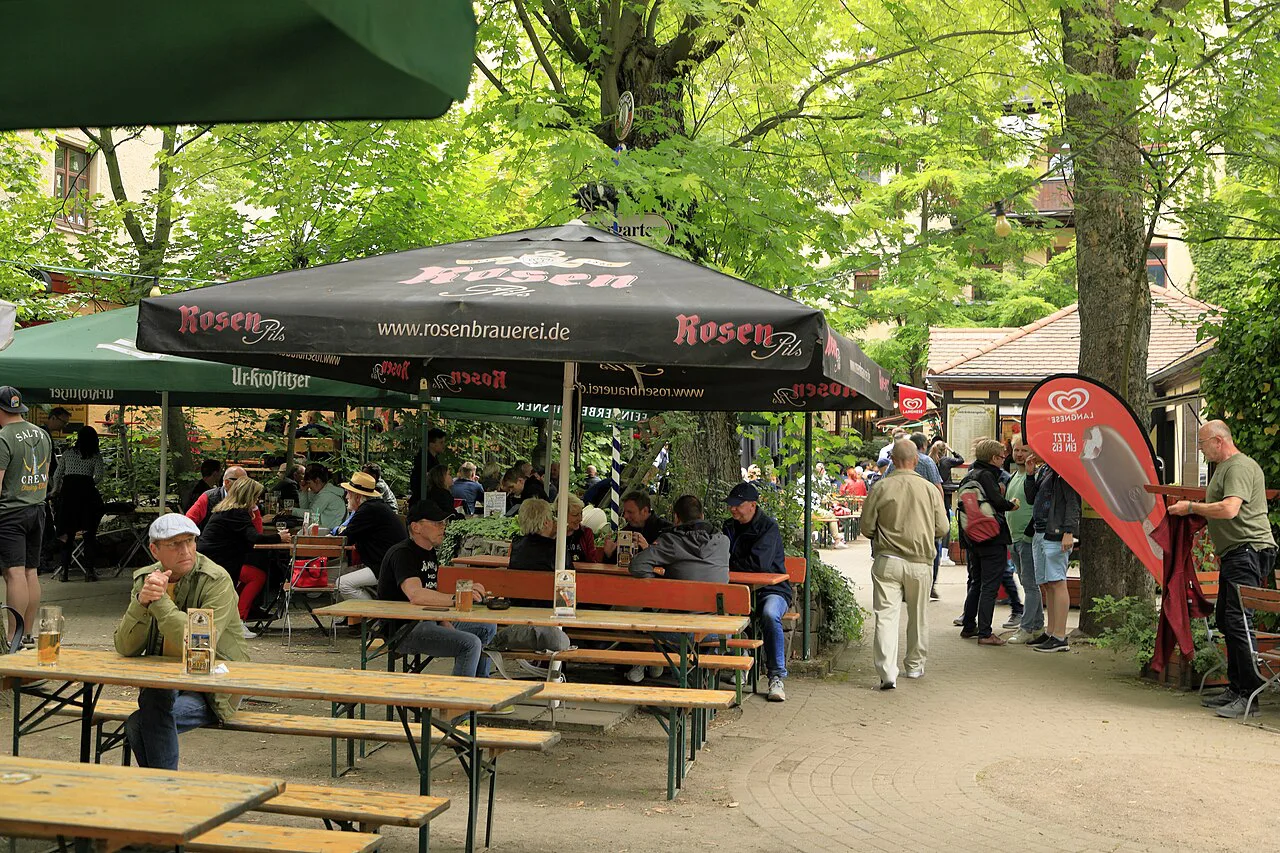
What Gose tastes like
The first sip reads as sour and slightly sharp, then the coriander arrives as a soft, citrus-adjacent herbal note rather than a hit of spice. Salt sits behind the sourness and keeps the body light; the finish is dry rather than sweet. Plain Gose is often described as a sessionable summer beer, but the coriander makes it interesting enough to drink through a long dinner.
If you normally drink hops-forward styles, adjust your expectations: Gose gives you acidity in the place where an IPA gives you bitterness. That is also why it works well with food that leans salty or rich, such as cured sausage, roast pork, or a plate of cheese, where the beer cuts rather than competes.
The brewery describes the flavor as a combination of coriander seed, salt, and live fermentation in open vessels, with a natural lactic acidity adding what it calls the unmistakably refreshing note, followed by weeks of cold maturation before bottling.
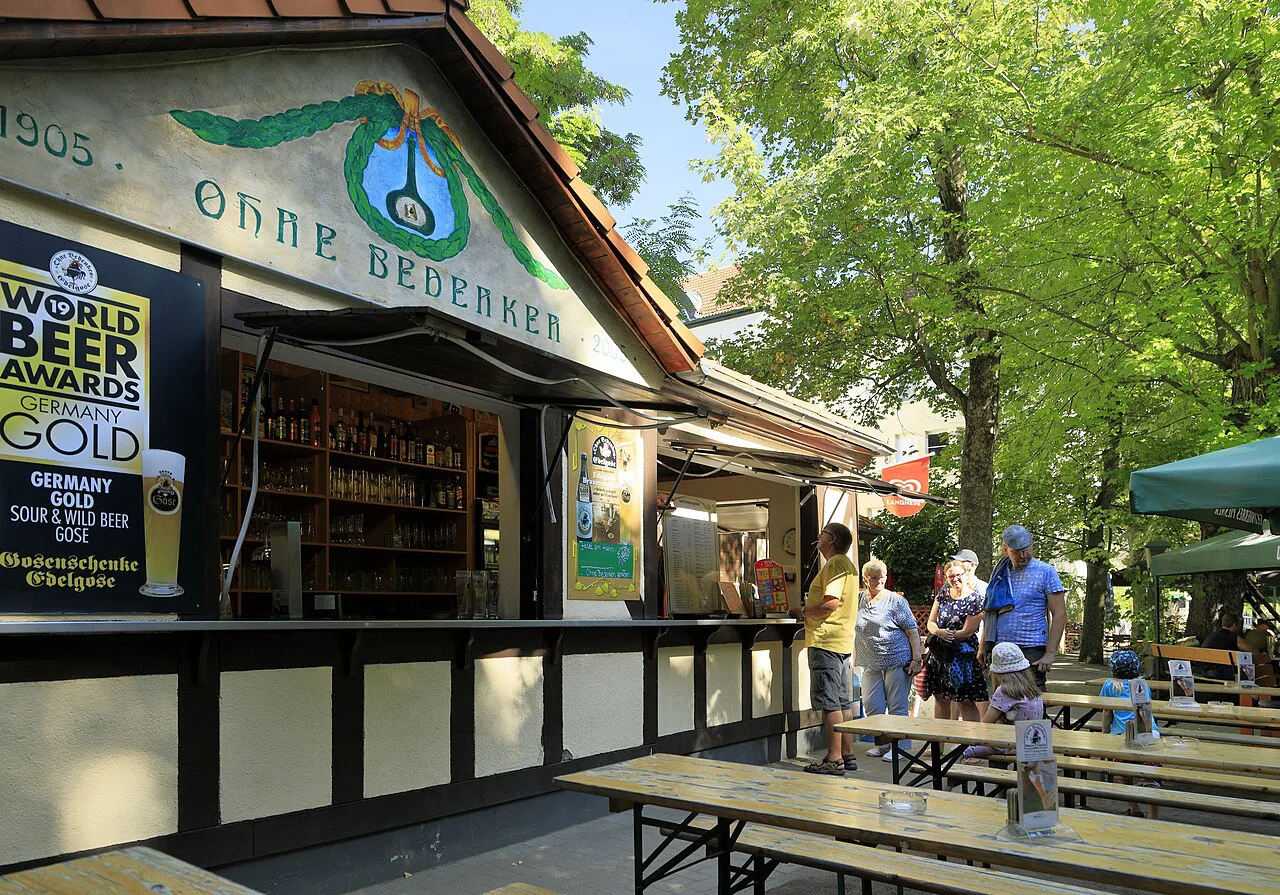
How Gose is brewed
Ritterguts Gose brews with coriander, salt, and house yeast cultures in open fermentation, which builds a natural lactic sourness, then matures the beer cold for weeks so the sourness and herbal notes settle into balance. That mix of open fermentation and a long cold rest is what separates Gose from a fast, clean lager.
Home brewers and curious drinkers often ask about the grain bill: Gose is a wheat beer, so expect a soft, bready base under the acid. The salt in the recipe is a seasoning, not a gimmick, and the coriander is a seed addition rather than a spice rub.
Why Gose is tied to Leipzig
Gose's fame is bound up with Leipzig, where the style became a city drink with its own taverns and later an emblem of the city's brewing identity.
That history is worth holding on to when you read a menu: a Gose served in Leipzig is not the same as a novelty sour made elsewhere, even when both are tart. Leipzig's drinking culture treats it as a local beer first and a style experiment second, which is why the classic versions are still brewed to be drunk in quantity, not sipped in small glasses.
Original Ritterguts Gose: the Leipzig brewery brewing it since 1824
Original Ritterguts Gose is the anchor of the Leipzig Gose story, and the brewery says it has brewed the style in continuous craft tradition since 1824, making it the oldest existing Gose brand in the world. The brewery also calls its beer a two-time World's Best Gose, an award claim it makes in its own materials rather than a neutral fact.
The brewery's news page also notes the return of BÄRENTÖTER after a five-year pause, a beer name worth recognizing on a Leipzig bottle shelf. If you want the full picture of who is pouring what in the city, pair a Gose with a stop at one of the German restaurants in Leipzig that keep local beer on the list.
How to order Gose in Leipzig
Order Gose by the name on the bottle rather than by style, since in Leipzig pubs the local brand is the usual pour. Ask whether the house is serving the classic version or a fruit variation before you commit to a second round.
Gose is best served cool rather than ice cold, so the salt and coriander are not muted. It works well as a first drink with a meal because the acidity lifts rich food, and a small glass is enough to learn whether the style suits you.
Pair it with a plate of Saxon food at one of the best restaurants in Leipzig, where a Gose before the main course and a beerless dessert afterwards makes a natural order. If you want to keep the bill low, a simple pub meal plus a Gose does the job more cheaply than a tasting menu.
Gose styles to try: the classic Leipzig pour versus modern fruit versions
The classic Leipzig Gose is the reference point: sour, herbal, faintly salty, and pale. Modern fruit versions add fruit puree or juice and soften the acid with sweetness, which makes them approachable for drinkers who find lambic or straight sours too sharp. Try the classic first and a fruit version second so the difference is clear.
If you want other Leipzig beer styles on the same trip, the city offers a range beyond Gose. Look at the breweries and beer bars covered in our Leipzig beer guide and treat a Gose as one stop in a beer afternoon rather than the whole itinerary.
Dessert is a natural partner too: after a Gose, a Leipziger Lerche, the small almond and jam tart named for the city, keeps the local theme going.
Where Gose sits among sour beers, lambic, and IPA
Gose and lambic are both sour, but they are different animals: lambic is a spontaneously fermented Belgian family associated with long wood maturation, while Gose uses a house fermentation and a shorter cold maturation. That makes Gose quicker, cheaper to brew, and generally more consistent glass to glass. If you like lambic's sharpness, Gose will read as softer and saltier.
Against an IPA, the difference is where the flavor comes from: an IPA gets its character from hops, bitterness, and aroma, while Gose gets it from lactic acid, salt, and coriander. A drinker who wants a bright, clean beer with food should try Gose; someone craving a bitter pint should order an IPA or a Pilsner.
For a visitor planning a Leipzig day around food, the easiest route is lunch at a German restaurant in Leipzig, a Gose with the main course, and a walk through the city center afterwards.
Should you order Gose or pick something else?
Order Gose if you want a sour, salty beer that tastes like Leipzig rather than a generic craft pour, and try the classic version before a fruit one. If you want bitterness or hops, choose an IPA or Pilsner instead and save Gose for the next round.
Build the rest of the meal around it: a German restaurant with local beer on the list, a Gose before the main, and a Leipziger Lerche to close. For a lighter plan, look at cheap eats in Leipzig and keep the Gose as the one splurge.
Explore more Leipzig guides
- Breakfast in Leipzig
- Cafés in Leipzig
- Leipziger Allerlei: Leipzig's Spring Vegetable Dish Explained
- What to Eat in Leipzig
- Ice Cream in Leipzig
- Konditoreien in Leipzig
- Leipzig Beer Halls and Brewpub Taverns Worth Your Evening
- Restaurants with a View in Leipzig
- Street Food in Leipzig
- Vegan Leipzig
- Leipzig Attractions
Sources
Notes for your next German food trip
Optional updates to our guides.
You might also like



Continue reading
More guides you'll find useful